Austria: Vacation, Seasons, Resorts, and Tours - Farvater Travel
Austria is suitable for travelers who want to combine city walks, the Alps, lakes, music, museums, and well-organized service. It is convenient to plan short trips to Vienna or Salzburg, week-long ski tours in Tyrol, or a summer vacation by the lakes of Carinthia and Salzkammergut. The country is compact, so during one trip, it is possible to combine the capital, a mountain region, and a thermal resort.
Austria should be considered not as a beach destination but as a country for active, excursion, wellness, and family vacations. In winter, tourists head to Sölden, Ischgl, St. Anton am Arlberg, and Kitzbühel, while in summer, they choose Lake Wörthersee, Wolfgangsee, Attersee, or routes near the Grossglockner. Vienna, Graz, Innsbruck, and Salzburg are well-suited for couples, architecture enthusiasts, classical music lovers, coffeehouse goers, and leisurely walks.
Hotel booking in Austria depends on the season more than it seems at first glance. During Christmas, New Year, the period of February holidays, and during major festivals, demand significantly increases, especially in Vienna, Salzburg, and popular ski valleys. For a quieter trip, it's better to look at spring, early summer, or September when the weather is often comfortable, and tourist spots are less crowded.
5 Reasons to Visit Austria
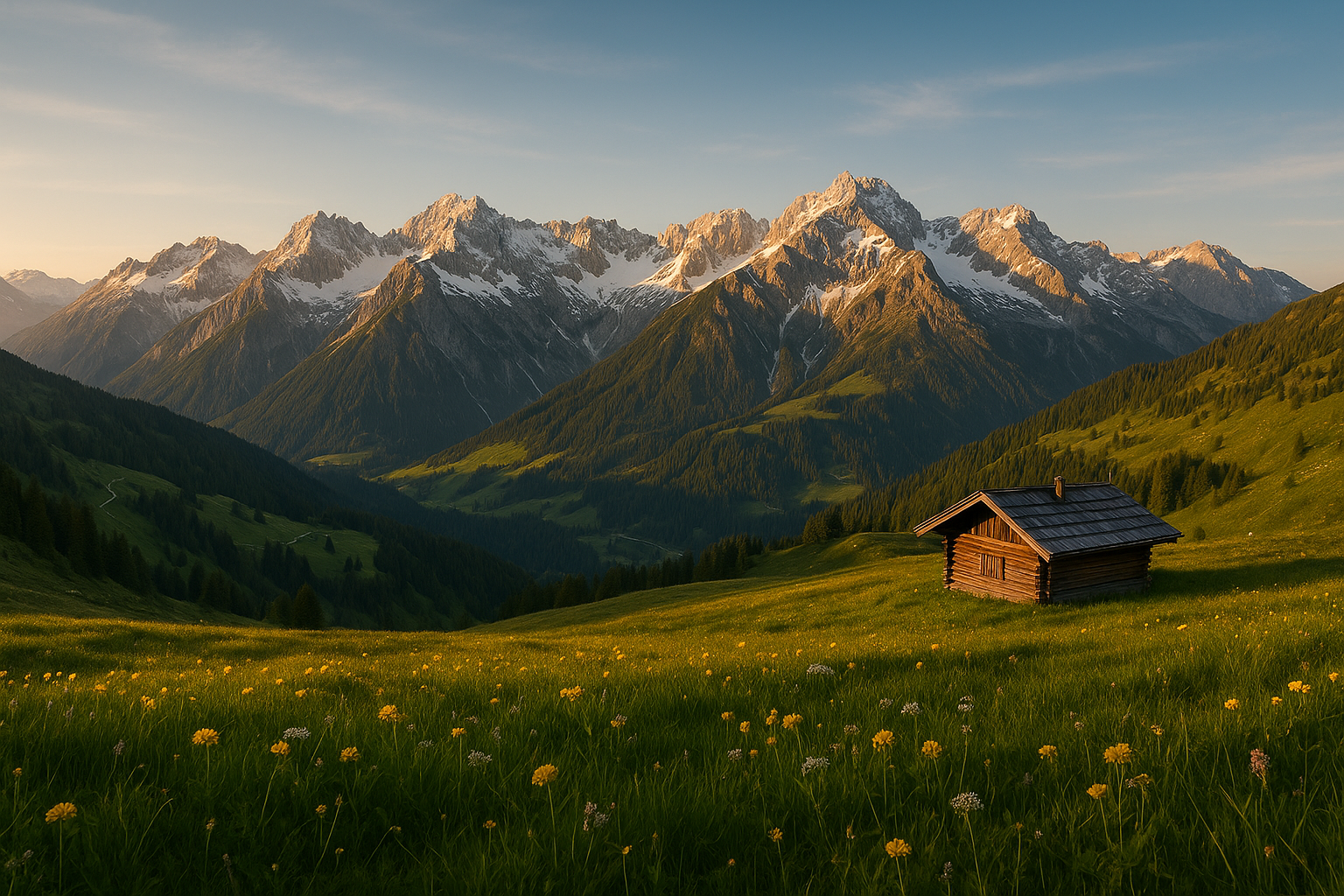
1. The Alps occupy a significant part of the country, making Austria one of the most convenient destinations for skiing, snowboarding, hiking, and summer lifts. In Tyrol, the Salzburg region, and Vorarlberg, the infrastructure for active recreation is well-developed, and many resorts have tracks of varying difficulty levels.
2. Vienna, Salzburg, Graz, and Innsbruck offer rich excursion programs without long transfers. In the capital, plan for Hofburg, Schönbrunn, and the Museum Quarter; in Salzburg — Hohensalzburg Fortress and the old town; and in Innsbruck — the historic center near the Alps.
3. Austria is convenient for family travel due to safe transport, clean cities, and a large number of apartments. In the mountains, there are often family skiing areas, sledding tracks, pools, and thermal complexes, and in summer, children enjoy relaxing by the lakes.
4. The country is suitable for a gastronomic journey without complex adaptation to the cuisine. Tourists should try Wiener Schnitzel, Tafelspitz, Kaiserschmarrn, Apfelstrudel, Sachertorte, pumpkin seed oil from Styria, local cheeses, and Austrian wines.
5. Austria combines well with trips around Central Europe because it has convenient rail connections with Germany, the Czech Republic, Hungary, Slovakia, Italy, and Switzerland. This makes the country a practical choice for a combined tour when you want to see several cities or regions in one vacation.
When to Go to Austria
The winter season in Austria usually lasts from December to March, and in high-altitude resorts, it can start earlier and end later depending on the snow. In the valleys, the temperature often stays around zero or slightly lower, while in the mountains, it can drop significantly lower, especially at night. The highest demand is during Christmas, New Year, January weekends, and February, so hotels in Ischgl, Sölden, St. Anton, and Saalbach are best booked in advance.
Spring is suitable for excursions, thermal resorts, and calm city trips. In March, skiing is still often possible in the mountains, and in Vienna and Graz, the temperature gradually rises to about 10–18 degrees. April can be changeable, but May is often comfortable for walks, trips to the Wachau Valley, visiting palace parks, and traveling without summer heat.
Summer in Austria is warm, but the weather depends on the altitude and region. In Vienna and Graz, in July and August, the temperature often reaches 25–30 degrees, in mountain areas, evenings are cooler, and by the lakes of Carinthia, the water usually warms up to about 22–26 degrees. For beach holidays without the sea, it's better to look at Wörthersee, Neusiedlersee, Attersee, and Wolfgangsee, where there are equipped bathing areas, boat rentals, and cycling routes.
Autumn is suitable for couples, wine enthusiasts, photo routes, and calm excursions. September is often still warm, approximately 18–24 degrees in cities, and October is good for Wachau, Styria, and Salzkammergut, although evenings become cooler. November is less stable in terms of weather, but by the end of the month, Christmas markets in Vienna, Salzburg, and Innsbruck are already opening.
The Best Hotels in Austria
In Vienna, tourists most often choose hotels near the Inner City, Ringstrasse, Stephansplatz, or close to major subway stations. Hotel Sacher Vienna is one of the most famous historic hotels in the capital, considered by tourists for romantic trips, festive dates, and stays near the Opera. Park Hyatt Vienna is located in the central part of the city and is suitable for those who want to combine high-level comfort with walking access to major museums, cafes, and shopping streets.
For Salzburg, it's convenient to choose hotels in the historic center or within a short walk from the Salzach River. Imlauer Hotel Pitter Salzburg is a real city hotel often considered for excursion trips, concerts, and short stays without renting a car. If the main goal is the old town, Hohensalzburg Fortress, and museums, it's worth checking not only the hotel category but also the distance to bridges over the river and public transport stops.
In mountain regions, the accommodation format differs significantly from the city. Aqua Dome Tirol Therme Längenfeld in the Ötztal Valley is suitable for combining mountains, thermal relaxation, and trips to Sölden, but specific tariff conditions should be checked before booking. Bio-Hotel Stanglwirt near Wilder Kaiser is known as a high-level country hotel considered by tourists for a peaceful vacation in Tyrol, mountain walks, and wellness programs.
Budget tourists in Austria often choose apartments, guesthouses, family pensions, or hotels near railway stations if they plan many transfers. In ski tours, it's important to consider not only the room price but also the distance to the lift, the availability of storage space for equipment, the convenience of the ski bus, and cancellation conditions. For families, apartments with kitchens are useful, as dining in restaurants at resorts can significantly increase the travel budget.
The Best Resorts and Cities in Austria
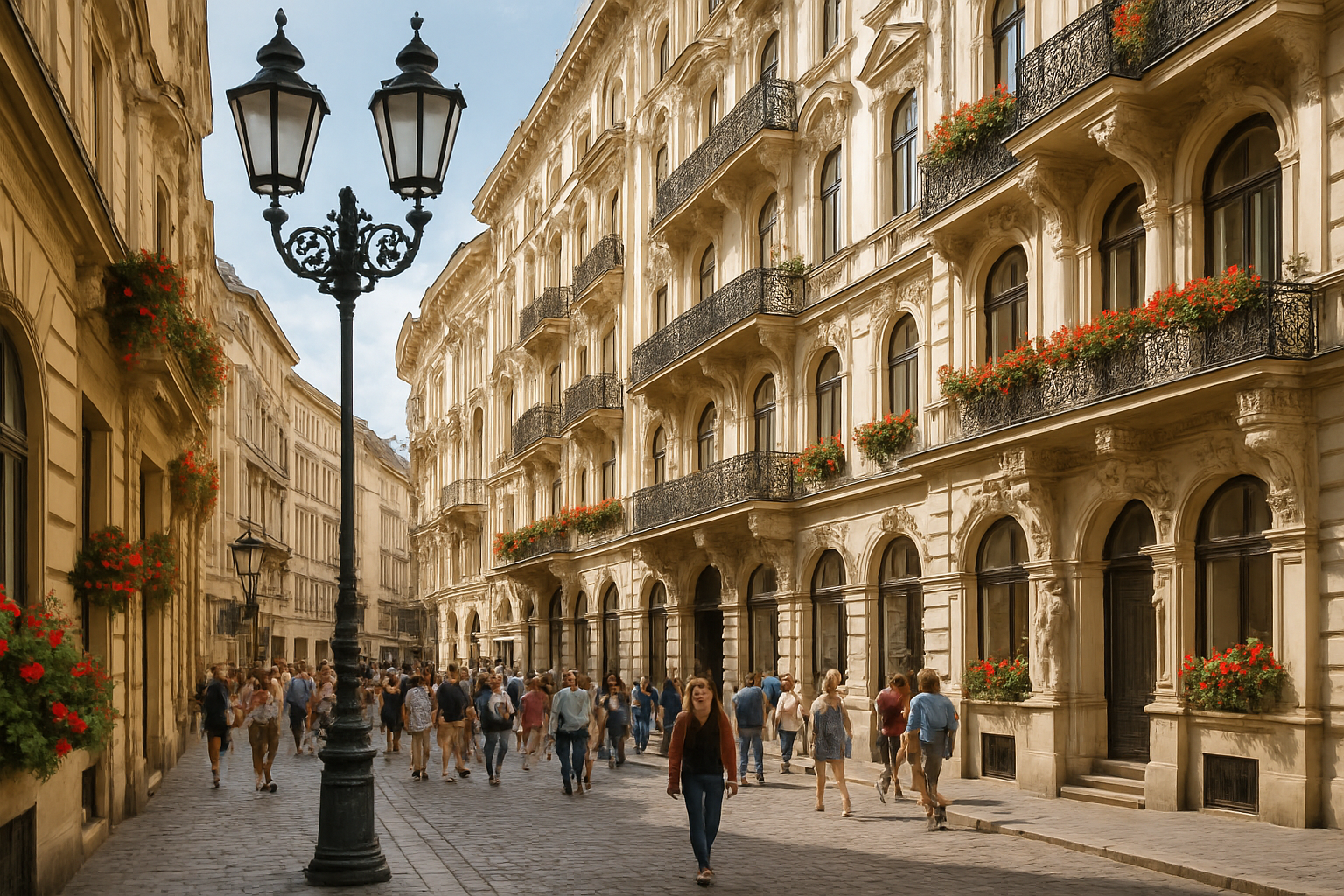
Vienna is the main city for a first trip to Austria, especially if interested in museums, palaces, opera, cafes, and urban architecture. It's worth allocating time for Schönbrunn, Hofburg, St. Stephen's Cathedral, Belvedere, and the Museum Quarter. For couples and travelers without a car, Vienna is convenient because most key places can be easily connected by metro, trams, or on foot.
Salzburg is well-suited for a short romantic or cultural trip, as well as a base for trips to Salzkammergut. The old town, Hohensalzburg Fortress, houses associated with Mozart, and proximity to lakes make it a practical choice for two or three days. During the high season and the Salzburg Festival, it's better to book hotels early, as demand in the city significantly increases.
Innsbruck is not a beach resort but a mountain city with access to the Alps, lifts, and ski areas. Tourists come here for a combination of the old town with the Golden Roof, the panoramic Nordkette line, and trips to the surrounding valleys. Innsbruck is convenient for those who want to live in a city but have quick access to active recreation.
Sölden, Ischgl, St. Anton am Arlberg, Saalbach-Hinterglemm, and Kitzbühel are among the most famous ski destinations in Austria. Sölden is often chosen for high-altitude skiing in the Ötztal Valley, Ischgl for its active resort infrastructure, and St. Anton for more challenging tracks and a sporty character. Families should carefully look at the map of tracks, skiing schools, and accommodation location, as not every prestigious resort is equally convenient for beginners.
For a summer vacation by the water, it's worth considering Carinthia, Salzkammergut, and the Neusiedlersee area. Wörthersee near Klagenfurt is suitable for swimming, boat trips, and peaceful relaxation, while Hallstatt and Wolfgangsee are better planned for panoramas, walks, and mountain trips. Bad Gastein, Baden near Vienna, and other thermal resorts are appropriate for those who value wellness, pools, and a slower travel pace.
Nature in Austria
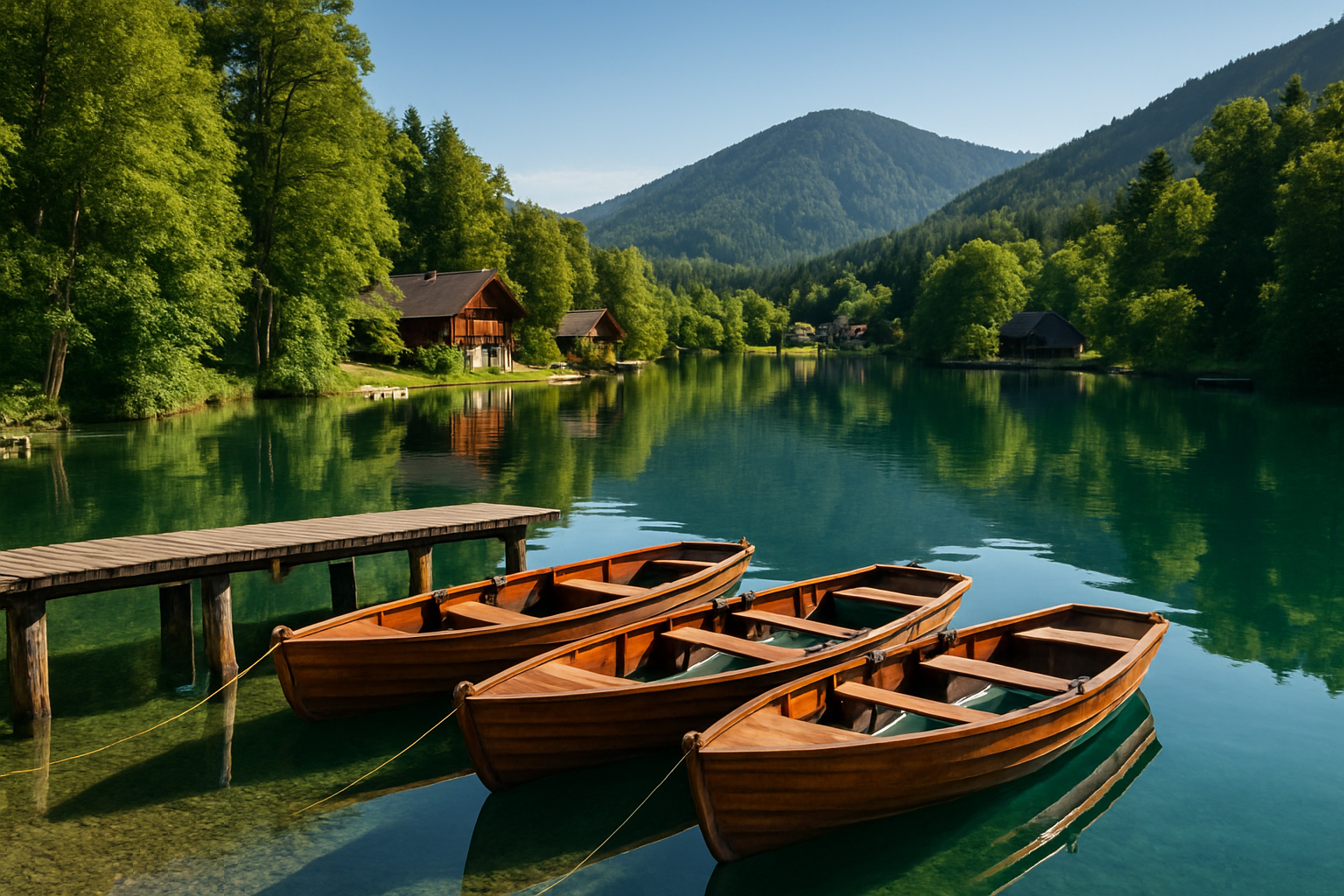
Austria does not have a sea coast, so the beaches here are mostly lake bathing areas with lawns, wooden platforms, piers, and family zones. The most popular summer water bodies are Wörthersee, Attersee, Wolfgangsee, Lake Zell, and Neusiedlersee, where the format of relaxation depends on the region: from swimming and sailing to cycling routes. The water in the lakes is usually warmest in July and August, but the temperature can vary after rains or in mountain areas.
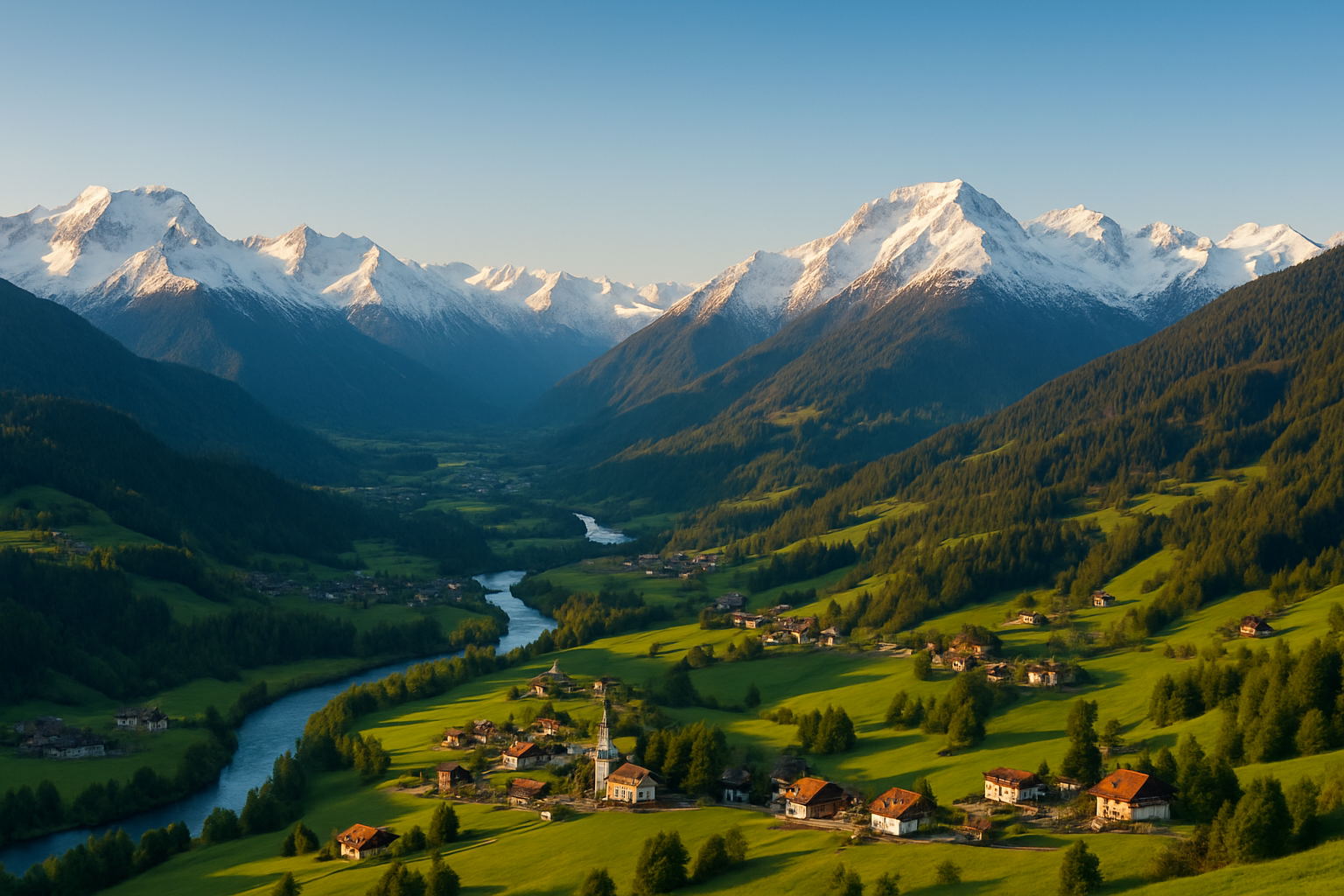
The Alps shape the main natural character of Austria. The Hohe Tauern National Park, Grossglockner road, Tyrolean valleys, and the Dachstein massif are suitable for hiking routes, viewing platforms, cable cars, and summer activities. In the mountains, consider the sharp weather changes, bring layered clothing, and do not plan difficult routes without preparation.
The Wachau Valley on the Danube offers a different nature type — vineyards, small towns, Melk Abbey, and river views. This region is well-suited for a spring or autumn trip, where it's comfortable to walk, cycle, and taste local wines. For tourists who do not want challenging mountain routes, Wachau might be a better choice than high alpine valleys.
Shopping in Austria
In Vienna, the most convenient place to start shopping is on Kärntnerstraße, Graben, and Kohlmarkt, where there are boutiques, jewelry stores, cafes, and department stores. Mariahilferstraße is more suitable for everyday clothing, footwear, cosmetics, and mid-range shopping. Naschmarkt is worth visiting not for fashion, but for spices, cheeses, sweets, olives, pastries, and gastronomic purchases.
For outlet shopping, tourists often choose the designer outlet in Parndorf near Vienna. It's convenient to go there if you plan to dedicate a separate day to shopping and are looking for branded clothing, shoes, or accessories with discounts. Seasonal sales usually occur in winter after the holidays and in summer, but the assortment and sizes depend on the specific period.
In Salzburg, for shopping, you should look at Getreidegasse, where there are many historic signs, shops, sweets, and souvenirs, and for practical shopping — the Europark shopping center. In Innsbruck, Maria Theresien Street and the old town are convenient, where you can combine shopping with a walk. Tourists from non-European Union countries sometimes have access to tax refunds under certain conditions, but rules, minimum amounts, and processing should be checked during the purchase.
What Souvenirs to Buy in Austria
Gastronomic souvenirs from Austria are most convenient to buy in supermarkets, specialized shops, and markets. Popular options include Sachertorte in travel packaging, Mozartkugeln sweets, pumpkin seed oil from Styria, apricot products from Wachau, local cheeses, and chocolate. If you're taking food by plane, it's worth checking the rules for transporting liquids and products in hand luggage in advance.
Among drinks, tourists often bring Austrian wines, especially Grüner Veltliner, Riesling from Wachau, or red wines from Burgenland. Fruit liqueurs, schnapps, and liquors are also popular, but they need to be packed according to customs rules and airline restrictions. For a gift, it's better to choose bottles in specialized wine shops, where they can advise on the region and producer.
Among non-food souvenirs, pay attention to Swarovski crystals, loden products, Christmas decorations, Augarten porcelain, and quality stationery from museum shops. In Vienna, good souvenirs are sold at museums, at Schönbrunn Palace, and near St. Stephen's Cathedral, but prices in tourist places are often higher. If you need inexpensive gifts, it's more practical to buy chocolate, coffee, tea blends, or small decorative items in city stores, not just in souvenir kiosks.
Holidays in Austria
Christmas markets are one of the most popular reasons for a winter trip to Austria. In Vienna, large markets usually operate near the City Hall, Schönbrunn, and Karlsplatz, in Salzburg — in the historic center, and in Innsbruck — against the backdrop of the mountains. During this period, it's worth booking hotels in advance, as demand is especially high on weekends.
The Salzburg Festival usually takes place in summer and attracts fans of opera, classical music, and theater. For a tourist, this means a rich cultural program, but also higher accommodation prices and less availability of good rooms in the center. If the main goal is the festival itself, performance dates and tickets should be checked before booking a hotel.
In Vienna, the ball season lasts through winter, with the Vienna Opera Ball being the most famous event of this period. In June, the Danube Island Festival usually takes place in the capital, interesting for its music program and large urban scale. In autumn, in Tyrol and the Salzburg region, you can catch traditional festive cattle drives from alpine pastures, but dates depend on the location and weather.
New Year in Austria
New Year in Austria is suitable for those who want a winter city trip or ski vacation. In Vienna, during this period, it's usually cool, the temperature often stays around zero, and evening walks require warm clothing and comfortable shoes. In the mountains, snow conditions depend on the resort's altitude, but late December and early January are among the most sought-after dates of the season.
In Vienna, tourists often plan concerts, festive dinners, walks in the center, and New Year events in squares. It's important to book restaurants, concert tickets, and hotels in advance, as finding a convenient option in the center spontaneously can be difficult. For a quieter New Year, it's better to consider not only the capital but also thermal resorts or smaller cities, where there are fewer crowds.
On ski resorts, the New Year week is usually the most expensive and busiest. Families should book ski schools, equipment rentals, and apartments near the lift earlier. If the budget is limited, it's better to compare trips immediately after the holidays when demand often gradually decreases, although snow conditions remain seasonal.
Medicine in Austria
Medical care in Austria is of a high standard, but for tourists without appropriate insurance, it can be expensive. Before the trip, it is advisable to obtain a travel policy, and for skiing, snowboarding, trekking, or other activities, check if the insurance covers sports risks. A regular basic policy is not always suitable for a ski vacation.
Pharmacies in Austria are well-organized, but their working hours may differ from Ukrainian habits, especially on weekends and in small towns. It's better to take a basic first-aid kit with personal medications with you, and transport medicines in their original packaging. If a medication is prescription or specific, it's appropriate to have a doctor's prescription or explanatory document.
Tap water in most Austrian towns is suitable for drinking, but individual sensitivity to water and food may vary. In the mountains, consider the sun, wind, altitude, and rapid temperature changes, even if the day seems warm. Austrian cuisine is hearty, so after schnitzel, dumplings, creamy desserts, and mulled wine, it's worth planning meals moderately, especially during active skiing.
Customs Regulations in Austria
Austria is part of the European Union and the Schengen Zone, so European customs rules apply for the import of personal items, currency, purchases, alcohol, tobacco, and products. Significant amounts of cash may be subject to declaration, and commercial quantities of goods should not be disguised as personal luggage. Exact limits may change, so before the trip, they should be checked according to current official requirements.
Medications are better transported in factory packaging and in quantities corresponding to personal needs during the trip. For potent or prescription drugs, it is advisable to have medical confirmation to avoid questions at control. Also, be attentive to the importation of animal products, plants, expensive new goods, and equipment if they may appear as a purchase for further sale.
After shopping in Austria, tourists need to keep receipts, especially if a tax refund is planned or expensive purchases are transported. Alcohol, tobacco, perfumes, and liquids in luggage must comply with airline rules and customs regulations of the entry country after returning. If the route is combined and goes through several countries, rules not only of Austria but also of transit points need to be considered.
Visa Regime for Ukrainians
Austria is a Schengen Zone country, so Ukrainian citizens can usually travel without a visa for up to 90 days within 180 days with a biometric passport. This regime applies to short tourist, private, or business trips without the right to long-term residence or work. Before booking a tour, it's essential to check the current entry rules, as conditions may change.
At the border, you may be asked to confirm the purpose of the trip, hotel booking, return ticket, travel insurance, and sufficient funds for the stay. If the passport is not biometric or a stay beyond the allowed period is planned, other entry grounds or the appropriate permit are required. For children, it's necessary to check documents in advance, parental consent if needed, and airline requirements.
Tours to Austria
Austria is best suited for tourists who appreciate clear organization, quality hotels, convenient transport, mountain landscapes, and rich city routes. For the first trip, it's worth choosing Vienna with a possible trip to Wachau or Salzburg, for winter holidays — Tyrol, Sölden, Ischgl, or St. Anton, and for summer — the lakes of Carinthia and Salzkammergut. If wellness is desired, thermal resorts are appropriate, where the trip does not depend on the beach season.
At Farvater Travel, you can choose tours to Austria for various formats: excursion trips to Vienna and Salzburg, ski tours, family vacations in the mountains, romantic holiday trips, lake routes in summer, and combined programs with neighboring countries. For winter resorts, it's better to consider early booking, as good hotels near the lifts quickly run out, and hot tours on popular dates are not common. For city trips, not only the price and category of the hotel are important but also the area of stay, access to transport, and seasonal events that may affect the cost of the trip.