Bulgaria: Holidays, Seasons, Resorts, and Tours - Farvater Travel
Bulgaria is suitable for those who want to combine the sea, excursions, mountain landscapes, and a moderate travel budget. Popular beach resorts are concentrated on the Black Sea coast, ancient cities preserve fortresses, temples, and quarters with Ottoman and Balkan heritage, and in winter, ski centers operate. For many tourists, it is one of the most convenient countries in Southeast Europe for a short vacation and family holiday.
It is easy to tailor a vacation in Bulgaria to different formats. Some go for the sandy beaches of Sunny Beach, Golden Sands, or Albena, others choose Nessebar, Sozopol, and Plovdiv for walks and history, and in winter, demand shifts to Bansko and Borovets. An additional advantage of Bulgaria is its comprehensible tourist infrastructure, short transfers between resorts, and the possibility to find both package tours and individual routes.
5 reasons to visit Bulgaria
1. Bulgaria allows you to combine a beach holiday with excursions without long transfers. In one trip, you can swim on the coast, stroll through old cities, and go for a day in the mountains or to natural parks.
2. There is a clear distinction between resorts, which is convenient for choosing the format of travel. Sunny Beach is suitable for those looking for an active season and a wide range of entertainment, Albena is more interesting for families, and Sozopol and Nessebar are preferred by those who value the atmosphere of the old town.
3. Bulgaria remains a practical destination for tourists who are budget-conscious. In many regions, you can find hotels of different levels, apartments, resort complexes, and options with meals, which simplifies booking without overpaying for unnecessary services.
4. The country is interesting not only in summer but also in the cold season. In winter, tourists head to Bansko, Pamporovo, and Borovets, and the off-season is suitable for quiet sightseeing trips to Sofia, Plovdiv, Veliko Tarnovo, and the coast without the summer crowds.
5. It is easy to find local cuisine in Bulgaria, understandable to most travelers. Salads, grilled dishes, pastries, dairy products, fish on the coast, and regional wines make dining a part of the holiday, not a separate complicated issue.
When is the best time to go to Bulgaria
The beach season in Bulgaria usually lasts from June to September, with the most active period in July and August. During this time, the air temperature at sea resorts often reaches approximately +27...+32 °C, and the water warms up to around +23...+26 °C. This is the best period for those planning a classic sea vacation, long days on the beach, and hotels with fully loaded infrastructure.
June and the first half of September are often suitable for families with children, couples, and those who do not want to spend their vacation in peak load conditions. The sea is already or still warm enough for swimming, but the resorts are a bit calmer than in mid-summer. It is also a good time for booking: the choice of hotels is still good, and the atmosphere on the beaches is less tense than in the high season.
May and October are more suitable for excursions, city walks, and a combined trip without an emphasis on swimming. The coast can be very pleasant for walks during this period, but the water temperature is not always comfortable, and some seasonal establishments operate on a reduced schedule. Spring is also convenient for trips to Plovdiv, Sofia, Veliko Tarnovo, and the Rila Monastery.
Winter in Bulgaria is a separate tourist season, primarily associated with the mountains. Bansko, Borovets, and Pamporovo welcome those planning skiing, snowboarding, or just a mountain vacation with a winter atmosphere. For a New Year's trip, it is important to book in advance, as holiday dates and vacations increase the demand for hotels and transfers.
If you need the most active sea season with warm sea and fully open resort infrastructure, focus on July and August. For a calmer vacation with walks, excursions, more comfortable temperatures, and fewer people, June or September is often chosen. For shopping, city weekends, and cultural travel, the shoulder seasons are convenient, and for the mountains — December, January, and February, although the weather may vary depending on the region and altitude.
Best hotels in Bulgaria
On the Bulgarian Black Sea coast, the widest range of hotels is in Sunny Beach, Golden Sands, St. Vlas, Albena, and near Nessebar. Here, tourists often choose resort hotels with pools, family complexes, apartments with kitchens, or options with meals for package holidays. If the main goal is beaches, a short transfer to the sea, and nearby infrastructure, these regions are usually more practical than small seaside villages.
Among the well-known hotels that tourists often consider is Helena Sands in Sunny Beach. It is usually chosen by travelers who want to stay at a large resort but are looking for a quieter part of the location. In Golden Sands, attention is often drawn to International Hotel Casino & Tower Suites, and in St. Vlas — to resort-type complexes aimed at family vacations and longer stays.
For winter holidays, hotels in Bansko, Borovets, and Pamporovo are most often booked, where proximity to lifts, transfers, equipment storage, and the ability to combine skiing with relaxation in the town become important. In Sofia, it makes more sense to look for city hotels for a short stay before a flight or a sightseeing trip, rather than a resort format. When choosing a hotel in Bulgaria, it is worth looking not only at the category but also at the exact location: distance to the beach, resort center, old town, or lift often affects the impression more than the set of formal services.
Best resorts and cities in Bulgaria
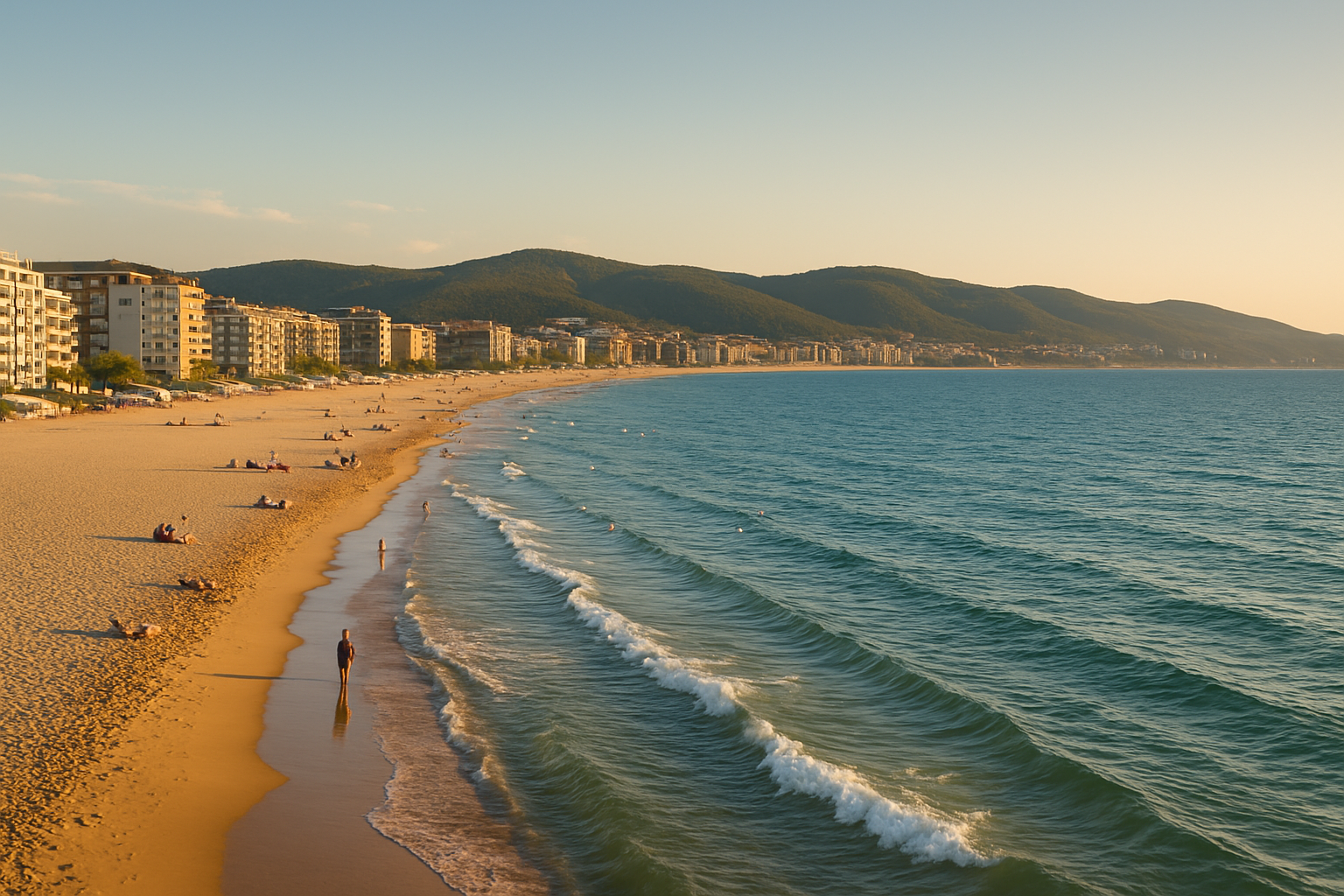
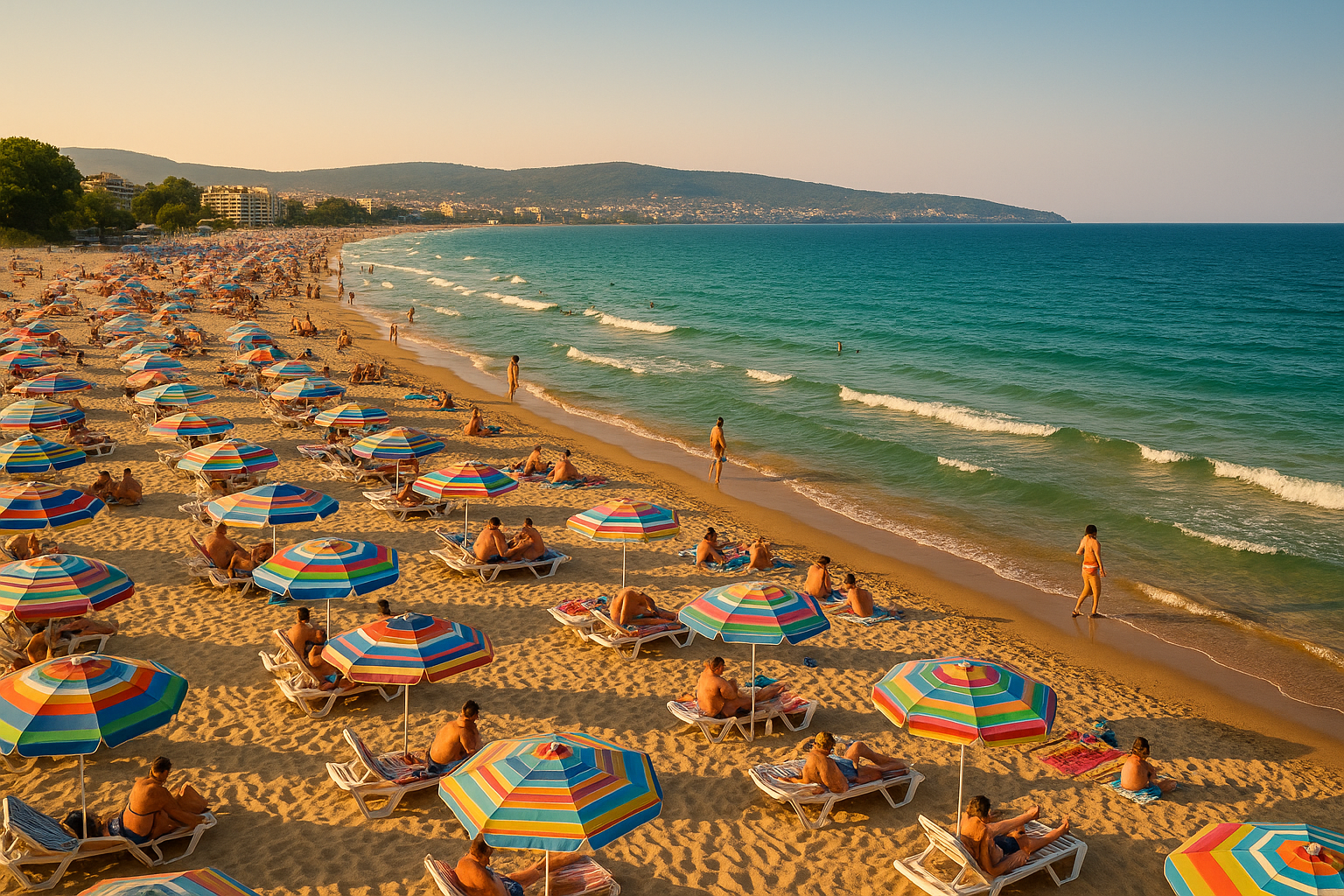
Sunny Beach is one of the most popular seaside resorts in Bulgaria for a summer vacation. It is chosen for its long sandy beach, a large number of hotels, seasonal entertainment, and active life in summer. It is a convenient option for those who want a resort with full infrastructure, but it can be noisy during the peak season.
Golden Sands is located further north, near Varna, and is suitable for those who want to combine beaches with city outings. The resort is convenient for shorter vacations when you want to relax by the sea but still have access to a large city, shops, and transport. For families and couples, it is important to carefully choose the part of the resort, as some areas are more active, and others are quieter.
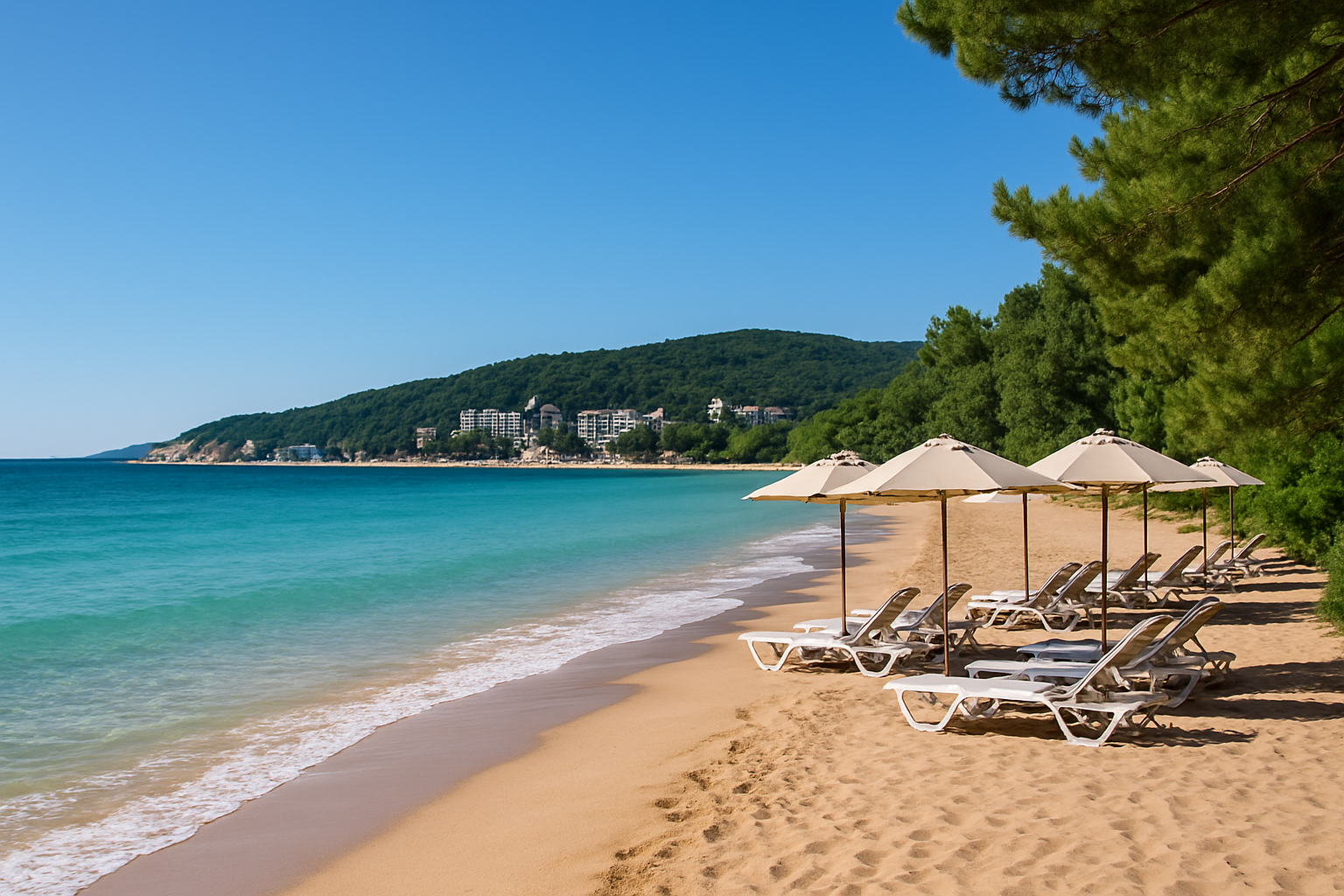
Albena is often considered one of the most convenient options for families with children. Here, a wide beach, more organized resort development, and a vacation format where a lot of time is spent within the complex are appreciated. If a less stressful pace is needed than at the most massive resorts, Albena deserves attention.
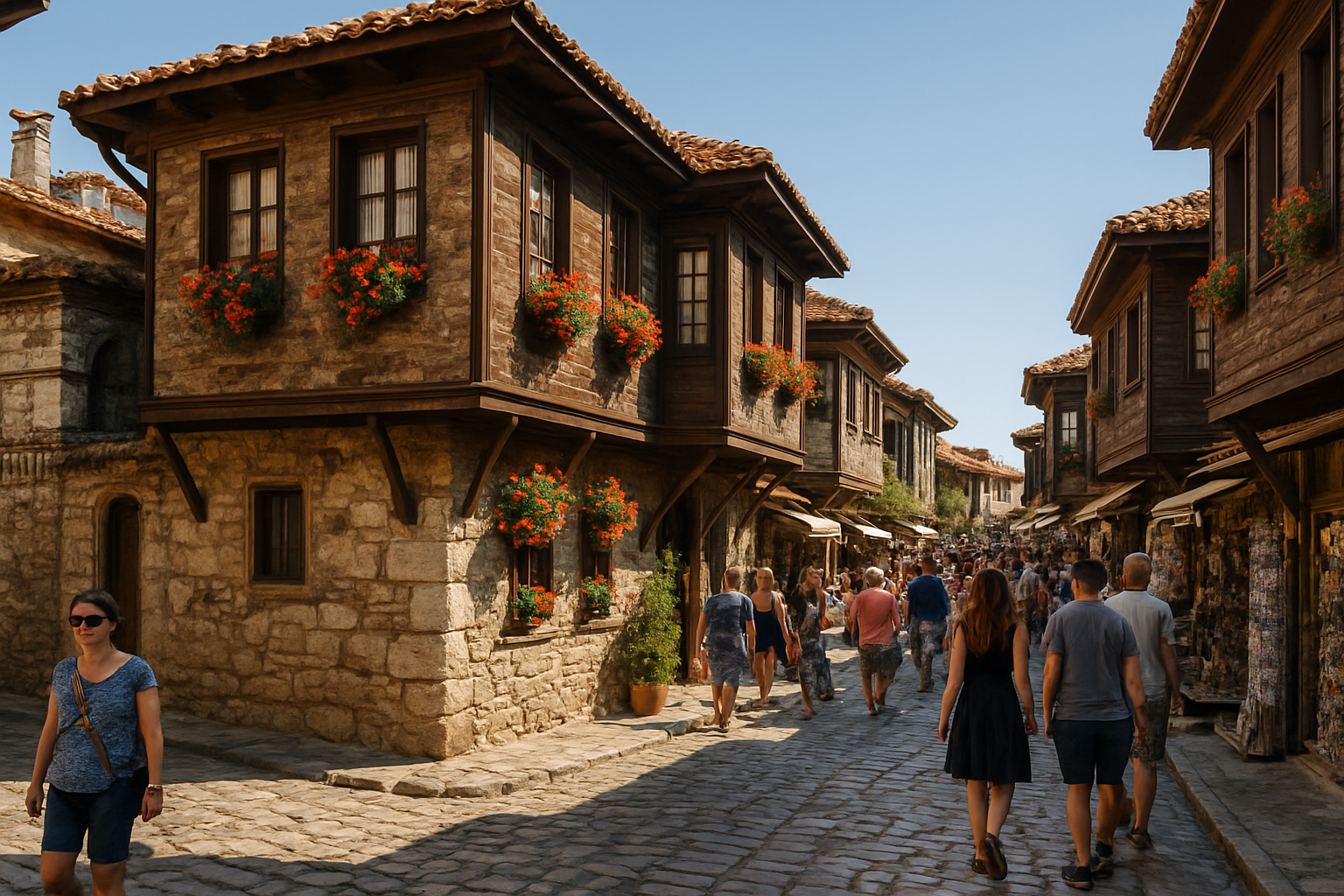
Nessebar and Sozopol are not only about the sea but also have a distinct historical component. The old parts of these cities are great for walks, dinners with a view of the water, and combining the beach season with an excursion program. Nessebar is also convenient because it is located near Sunny Beach, so it is often chosen by those who want to live closer to the historical atmosphere but have access to a large resort.
St. Vlas is suitable for tourists who value a calmer pace of rest and apartment-type resort development. It is often considered for a family trip or a longer stay by the sea. Pomorie and Obzor are also popular among those looking for a more balanced vacation format without overly active nightlife.
Sofia, Plovdiv, and Veliko Tarnovo should be considered separately from the seaside resorts. Sofia is suitable for a short city trip, museums, and trips around, Plovdiv attracts with its old town and cultural life, and Veliko Tarnovo is interesting for its historical role and architectural relief. For winter holidays, the main centers are Bansko, Borovets, and Pamporovo, where the plan is no longer a beach, but a mountain trip.
Nature in Bulgaria
Bulgaria is primarily associated with the Black Sea, but the country's natural diversity is much wider. The coast has long sandy beaches, dunes, rocky sections, and bays, so even neighboring resorts can differ in terms of the vacation experience. For families, wide beaches with a gentle entrance to the water are more convenient, and for walks and views, cities with historic promenades and rocky capes are often chosen.
Mountains occupy an important place on Bulgaria's tourist map. The Rila, Pirin, and Rhodope mountains form not only the winter season but also summer routes for hiking, trips to nature, and relaxation in a cooler climate. It is because of the mountains that Bulgaria is interesting to those who do not want to limit their vacation to just the beach.
The country has natural parks, lakes, caves, and thermal areas that influence the choice of travel format. The Rila Lakes, national parks, and green areas around mountain resorts attract lovers of active recreation and photo routes. If a combined tour is planned, Bulgaria is convenient because between the sea and the mountains you can see very different landscapes within one country.
Shopping in Bulgaria
Shopping in Bulgaria is most convenient to plan in large cities and major resorts. In Sofia, Varna, Burgas, and Plovdiv, it is easier to find shopping centers, chain stores, local cosmetics, products, and everyday items. On seaside resorts, shopping often boils down to seasonal goods, beachwear, souvenirs, and gastronomy.
For everyday purchases, it is convenient for tourists to use supermarkets and city markets. At markets, you can find honey, spices, cheese, seasonal fruits, jam, local sweets, and small handmade items. If clothing or technology is important, it is better to allocate time for Sofia or Varna, rather than leave shopping for a small seaside town.
The sale season in Bulgaria is usually most noticeable in large shopping centers, not in resort shops. Tax refunds for foreign buyers may be available under certain conditions, but specific rules and arrangements should be clarified directly in the store. For a tourist, the practical approach is simple: resorts are for small purchases and souvenirs, large cities are for full-fledged shopping.
What souvenirs to buy in Bulgaria
The most popular souvenirs from Bulgaria are related to gastronomy and local products. People often bring rose jam, honey, spices, Turkish delight, sweets, as well as local drinks and wine. If you want a gift that truly conveys the local flavor, it is better to choose regionally produced products rather than standard magnets.
A separate category is cosmetics based on rose oil. Bulgaria has long been associated with rose cultivation, so creams, soaps, lotions, and care sets remain one of the most common purchase options. It is more convenient to buy such products in pharmacies, brand stores, or verified shops in cities, rather than in the first available seasonal pavilion.
For the home, people often choose ceramics, textiles, embroidered napkins, wooden items, or small objects with folk motifs. In the old quarters of Nessebar, Sozopol, or Plovdiv, you can find more interesting craft items than in mass tourist rows. If the balance between price and quality is important, it is better to look at local workshops and stores beyond the first line by the beach.
Holidays in Bulgaria
The holiday calendar in Bulgaria combines religious dates, national celebrations, and seasonal city events. Tourists most notice the atmosphere around Christmas, New Year, Easter, and summer holidays at the resorts. During these periods, the demand for hotels, restaurants, and transportation increases in popular cities and resorts.
Spring and summer are suitable for those who want to combine a vacation with cultural events in Sofia, Plovdiv, Varna, or Burgas. In the resort season, concerts, city events, and evening programs occur more frequently, although their scale depends on the specific city. If the trip falls on holidays, it is better not to postpone booking accommodation and tickets.
For tourists, it is important to understand that holidays can change the rhythm of travel. On popular dates, some establishments operate on a changed schedule, historical centers become more crowded, and there may be more traffic on the roads. On the other hand, it is a good time to see Bulgaria not only as a resort destination but also as a country with lively local traditions.
New Year in Bulgaria
The New Year in Bulgaria is most often chosen not for the sea, but for a winter trip to the mountains or city holidays. The coast is cool during this period, the beach season is absent, so the resort logic changes. Instead, interest in Bansko, Borovets, Pamporovo, as well as Sofia and Plovdiv for a short festive break increases.
In the mountains, winter is usually accompanied by temperatures below zero or close to zero, depending on the altitude and specific period. For a New Year's trip, it is important to book hotels, transfers, equipment rental, and dinners in advance if they are part of the celebration program. This is especially relevant for families and companies planning a trip for the holidays.
If skiing is not the main goal, Bulgaria is still suitable for a calm winter trip. Christmas markets operate in cities, restaurants offer seasonal menus, and the trip can be more measured than in peak summer months. This format is often chosen by couples and travelers interested in short festive tours without the beach component.
Healthcare in Bulgaria
Medical assistance in Bulgaria is available in large cities and tourist regions, but it is advisable to obtain insurance before the trip. This is especially important for beach holidays, as consultations may be related to sun, overheating, minor injuries, food reactions, or colds after air conditioning. In large resort areas, it is usually easier to find a pharmacy or medical point than in small villages.
In the summer season, the main everyday risks are not related to exoticism but to the daily routine. It is necessary to monitor water balance, use sun protection, be cautious about staying on the beach at noon, and gradually adapt children's nutrition to the new menu. If a tourist is taking regular medication, it is better to bring it in the original packaging.
For trips to the mountains or winter, other nuances are relevant: warm clothing, comfortable shoes, skin protection from wind and sun at high altitudes, attention to physical exertion. A first-aid kit for Bulgaria is usually standard: personal medications, fever remedies, antiseptic, plasters, sunscreen, and basic digestive aids. Specific medical requirements and coverage conditions should be checked with the insurance company before booking a tour.
Customs rules in Bulgaria
When traveling to Bulgaria, it is worth checking the current customs rules in advance, as they may change. This applies to the import of currency, medicines, alcohol, tobacco products, equipment, food, and expensive purchases. Special attention should be paid to prescription drugs, large amounts of cash, and goods that may look like commercial shipments rather than personal items.
For tourists, the practical rule is simple: keep receipts for valuable purchases, transport medications in factory packaging, and do not rely on outdated information from forums. If you plan to bring products, alcohol, or gifts in significant quantities, it is better to clarify the requirements of the carrier and customs service before departure. This will help avoid delays at the airport and unnecessary time spent at the border.
Visa regime for Ukrainians
Before traveling to Bulgaria, Ukrainian citizens need to check the current entry rules, as they may change. Since Bulgaria is part of the Schengen area, Ukrainians with a biometric passport can usually travel without a visa for up to 90 days within 180 days, but it is worth confirming the current conditions before booking. Additionally, accommodation confirmation, a return ticket, insurance, and financial guarantees may be required.
If the trip is planned for a longer period, for study, work, or other non-tourist purposes, separate rules apply. It is also worth checking the requirements for children, the border crossing procedure, and the list of documents if traveling not by air. The most reliable approach before a tour to Bulgaria is to verify the information with official sources directly before departure.
Tours to Bulgaria
Bulgaria remains one of those destinations where it is easy to tailor a vacation to a specific request rather than an abstract catalog picture. If you need the sea and sandy beaches, it is worth looking at tours to Sunny Beach, Golden Sands, Albena, St. Vlas, or Obzor. For combining the beach with walks and old quarters, Nessebar and Sozopol are better suited, and for the winter season — Bansko, Borovets, and Pamporovo.
When choosing, it is important to immediately determine the priority: an active resort or a quieter region, the first line or proximity to the old town, the summer season, or a winter trip to the mountains. At Farvater Travel, it is convenient to select tours to Bulgaria for family, beach, excursion, or romantic holidays, as well as consider early booking if a better choice of hotels on popular dates is needed. For those who are ready for flexible dates, last-minute tours may also be appropriate, especially within the summer season at the sea.