Czech Republic: Leisure, Seasons, Resorts, and Tours - Farvater Travel
The Czech Republic is well-suited for tourists who want to combine sightseeing, gastronomy, castles, thermal resorts, and convenient logistics without long transfers between regions. Most often, the journey begins in Prague, but the country is not limited to the capital: Karlovy Vary, Český Krumlov, Brno, South Moravia, and Krkonoše offer different formats of leisure. There is no sea, so the beach season in the classical sense is not the main reason to visit the Czech Republic, but there are lakes, river areas, mountain routes, and wellness resorts.
The character of the Czech Republic is best felt in old city centers, breweries, castle complexes, and small towns where historical buildings are often well-preserved. Prague attracts with architecture from different eras, from Gothic to Art Nouveau, while Český Krumlov looks like a ready-made route for one or two days without the need to plan each stop in detail. For tourists, it is important that the rail and bus connections between many cities are convenient, making it easy to combine the Czech Republic within a single journey.
First impressions usually depend on the season: in winter, these are Christmas markets and mulled wine in the squares, in spring — green parks and quieter museums, in summer — terraces, river walks, and more tourists in the center of Prague. The Czech Republic is worth considering for couples, families with school-age children, history lovers, beer enthusiasts, travelers without a car, and those who want a short European trip for a few days. For a longer holiday, it is better to combine Prague with the resorts of Western Czechia, Moravia, or the mountain areas.
5 Reasons to Visit the Czech Republic
- Convenient sightseeing format: Prague, Charles Bridge, Prague Castle, Old Town Square, and St. Vitus Cathedral allow for a rich itinerary even for three to four days. Many main attractions are located compactly, so the tourist does not spend half a day traveling around the city.
- Wellness resorts with tradition: Karlovy Vary, Mariánské Lázně, and Františkovy Lázně are known for their mineral springs, colonnades, and spa treatments. This is a good choice for a peaceful trip when walks, treatments, and a measured schedule are important.
- Castles and historic towns: Český Krumlov, Hluboká nad Vltavou Castle, Karlštejn, and the Lednice-Valtice complex help to see the country beyond the capital. Such routes are convenient to add to a Prague tour or plan as a separate car trip.
- Gastronomy without complicated rules: in the Czech Republic, it is easy to find classic dishes like svíčková, goulash, fried cheese, dumplings, utopenci, and vepřo knedlo zelo. They are often accompanied by local beer, and in Moravia, attention should be paid to wines from the Mikulov and Znojmo regions.
- Different seasons for different purposes: in winter, the country is suitable for markets and ski weekends, in spring and autumn — for excursions, in summer — for festivals, parks, lakes, and longer walks. Thanks to this, tours to the Czech Republic can be selected not only according to the weather but also according to the pace of the trip.
When is the Best Time to Travel to the Czech Republic
Spring in the Czech Republic is usually mild but changeable: in March, the temperature often hovers around +5 to +12 degrees, in April it rises to +10–16, and in May it can be +18–22. It is a favorable season for Prague, Český Krumlov, Karlštejn, and Brno because there is not yet such a dense flow of tourists as in summer. Families with children should choose the end of April or May when walks are more comfortable, and the day is longer.
Summer is the high season in Prague, Karlovy Vary, and popular castle routes, especially in July and August. The air temperature often is around +22–28 degrees, but during heatwaves, it can be higher, so a hotel with air conditioning in the city center becomes an important detail of the booking. There is no sea in the Czech Republic, but the water in lakes, reservoirs, and open swimming pools during the warm period usually warms up to about +18–24 degrees, depending on the region and weather.
Autumn is well suited for excursions, gastronomic trips, and wine routes in Moravia. In September, it is often comfortable for long walks, about +16–22 degrees, in October it becomes cooler, and in November the weather is more often wet and gloomy. For couples and tourists who do not like crowds, September and the first half of October are often more convenient than the summer months, and the demand for hotels outside of holiday dates is usually lower.
Winter in the Czech Republic is suitable for Christmas markets, New Year's trips, thermal resorts, and mountains in Krkonoše. In Prague and Brno, the temperature often fluctuates around -2 to +5 degrees, snow in the cities is possible but not guaranteed, whereas in the mountain regions, skiing conditions depend on the altitude and specific season. For shopping, December and January are convenient, but for the holiday period, it is better to book hotels in the center of Prague and mountain resorts in advance.
The Best Hotels in the Czech Republic
In Prague, tourists most often choose hotels in the districts of Staré Město, Nové Město, Malá Strana, and near Wenceslas Square if the main goal is sightseeing without daily trips on public transport. Hotel Kings Court near Republic Square is convenient for those who want to live close to the historical center, the Palladium shopping gallery, and city transport stops. Grandium Prague in Nové Město is often considered for a city tour when proximity to the station, Wenceslas Square, and classic walking routes are important.
For a more informal city break, you can consider Mosaic House Design Hotel in Prague, which suits travelers looking for a modern accommodation format not far from the center. If the budget is limited, it is worth looking not only at hotels but also at apartments in the districts of Karlín, Vinohrady, or Smíchov, where it is often easier to find a better price given good transport connections. Before booking, it is important to check whether there is air conditioning in summer, an elevator in the old building, and convenient access to the metro or tram.
In Karlovy Vary, the choice of accommodation depends on whether the tourist needs a classic spa format, a historic hotel, or just a base for walks along the colonnades. Grandhotel Pupp is one of the most famous hotels in the city, usually considered for a prestigious holiday, a romantic trip, or a journey focusing on the historical architecture of the resort. Hotel Thermal is also well-known in Karlovy Vary, particularly due to its connection with the international film festival and its location in the resort part of the city.
In the mountainous regions of the Czech Republic, it is easier to evaluate hotels not by stars but by proximity to lifts, availability of parking, equipment drying facilities, and family convenience. In Špindlerův Mlýn and Harrachov, it is better to book accommodation earlier in winter because demand noticeably increases on weekends and holidays. For summer mountain trips, proximity to hiking routes, the possibility of breakfast at the hotel, and access to public transport are important if the tourist does not plan to rent a car.
The Best Resorts and Cities in the Czech Republic
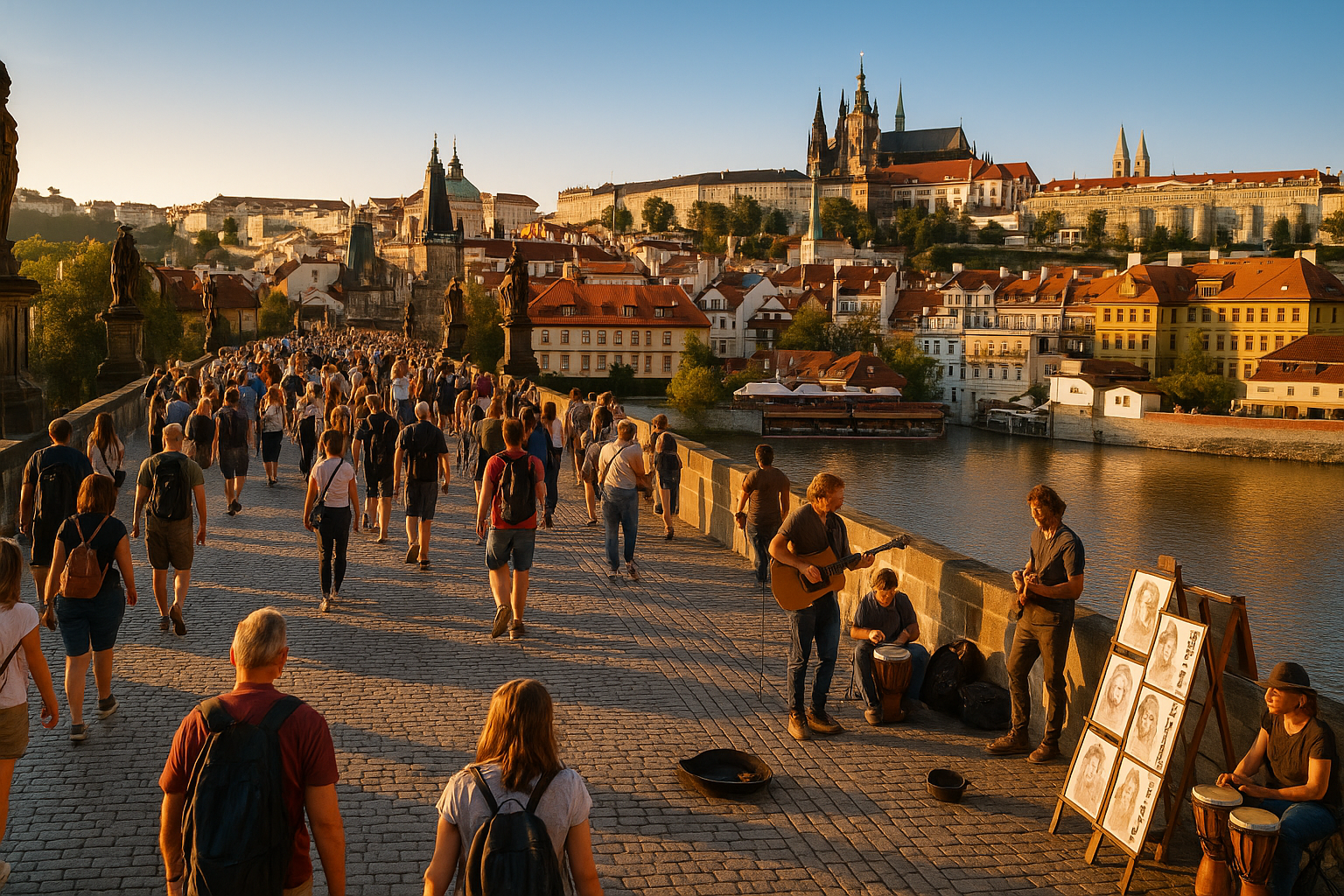
Prague is the main sightseeing center of the Czech Republic, but it should not be perceived as a place only for a quick walk around Old Town Square. Prague Castle, Charles Bridge, St. Vitus Cathedral, Josefov, and the Vltava embankments easily take up two to three full days without secondary museums. For dinner, tourists often choose breweries and restaurants with classic cuisine, such as "Lokál," "U Fleků," "Kantyna," or "Café Savoy," but it is better to book a table in popular places.
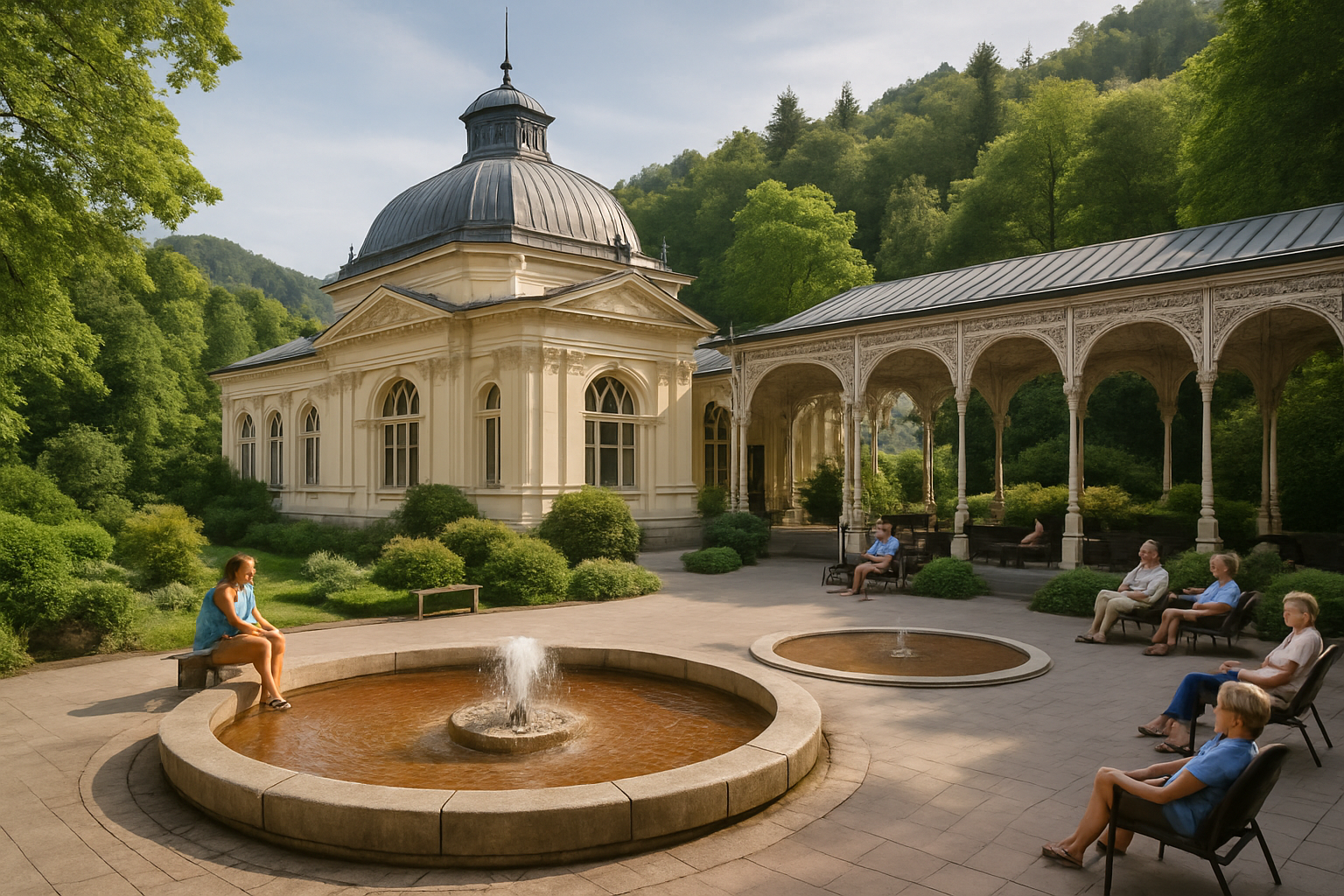
Karlovy Vary is a wellness resort, not just a city for a one-day excursion from Prague. The main landmarks here are the Mill Colonnade, Market Colonnade, hot springs, a walk to the viewpoints, and the calm rhythm of the resort area. Tourists who go for treatment or wellness programs should clarify the type of procedures and the medical profile of the hotel in advance, not just focus on a beautiful building.
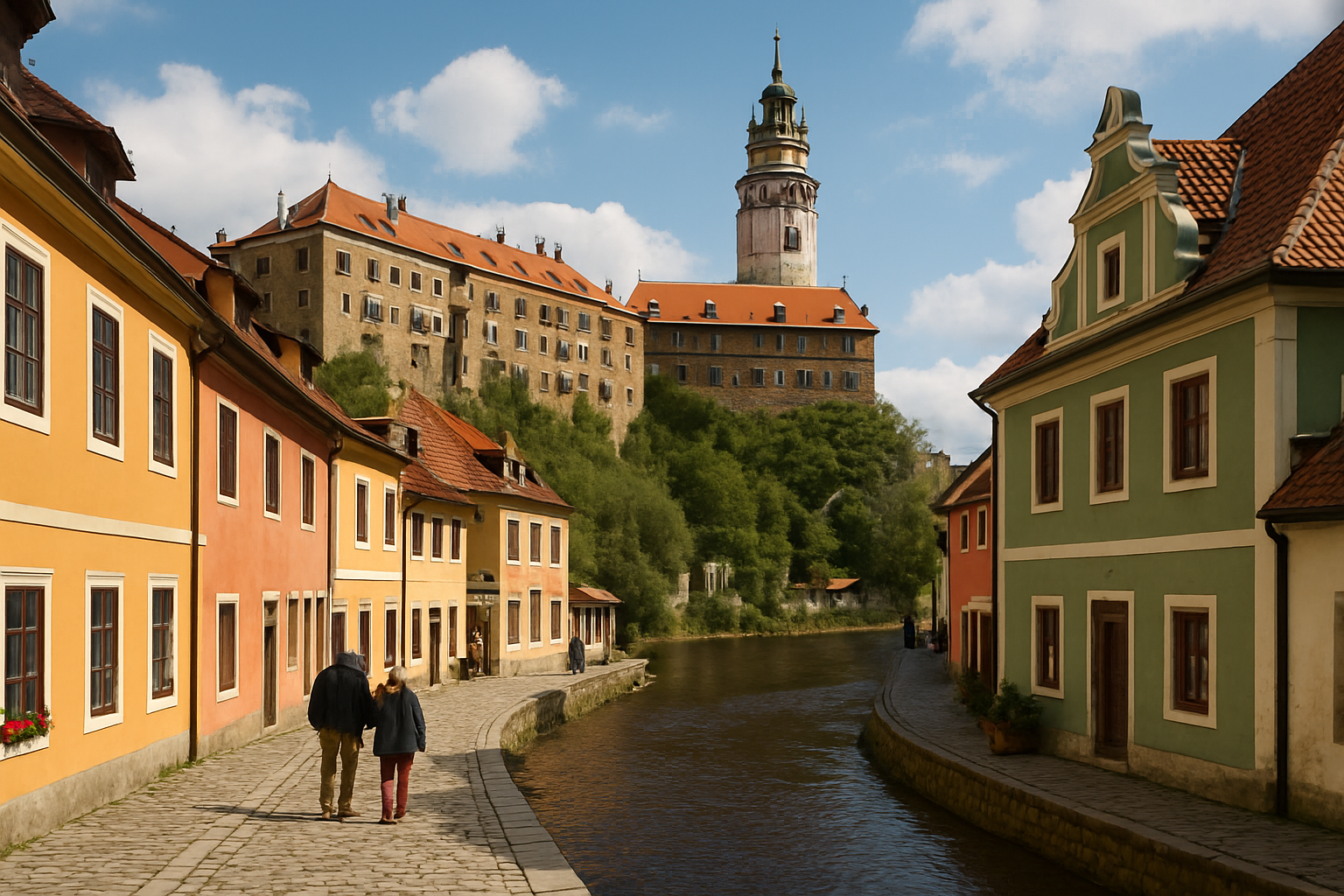
Český Krumlov is suitable for a romantic trip, photography, a leisurely walk through the old center, and a visit to one of the country's most famous castle complexes. The city is compact, so it is often included in a one-night itinerary to see the center in the evening when the daytime crowds have diminished. The main places are Český Krumlov Castle, observation terraces above the Vltava, and narrow streets of the historical core.
Brno and South Moravia are more suitable for those who have already seen Prague or want a less touristy city break. In Brno, it is worth considering Špilberk Castle, the Cathedral of St. Peter and Paul, and Tugendhat Villa, while outside the city are wine routes, Mikulov, and the Lednice-Valtice complex. For a gastronomic trip, the region is interesting for Moravian wines, seasonal fairs, local cheeses, and dishes with duck or pork.
Mariánské Lázně and Františkovy Lázně are quieter resorts in Western Czechia, worth considering for a rest without an intense nightlife program. Here tourists come for mineral springs, parks, spa infrastructure, and walks in the resort environment. This format is more suitable for adult travelers, couples, and those who value silence, routine, and wellness procedures.
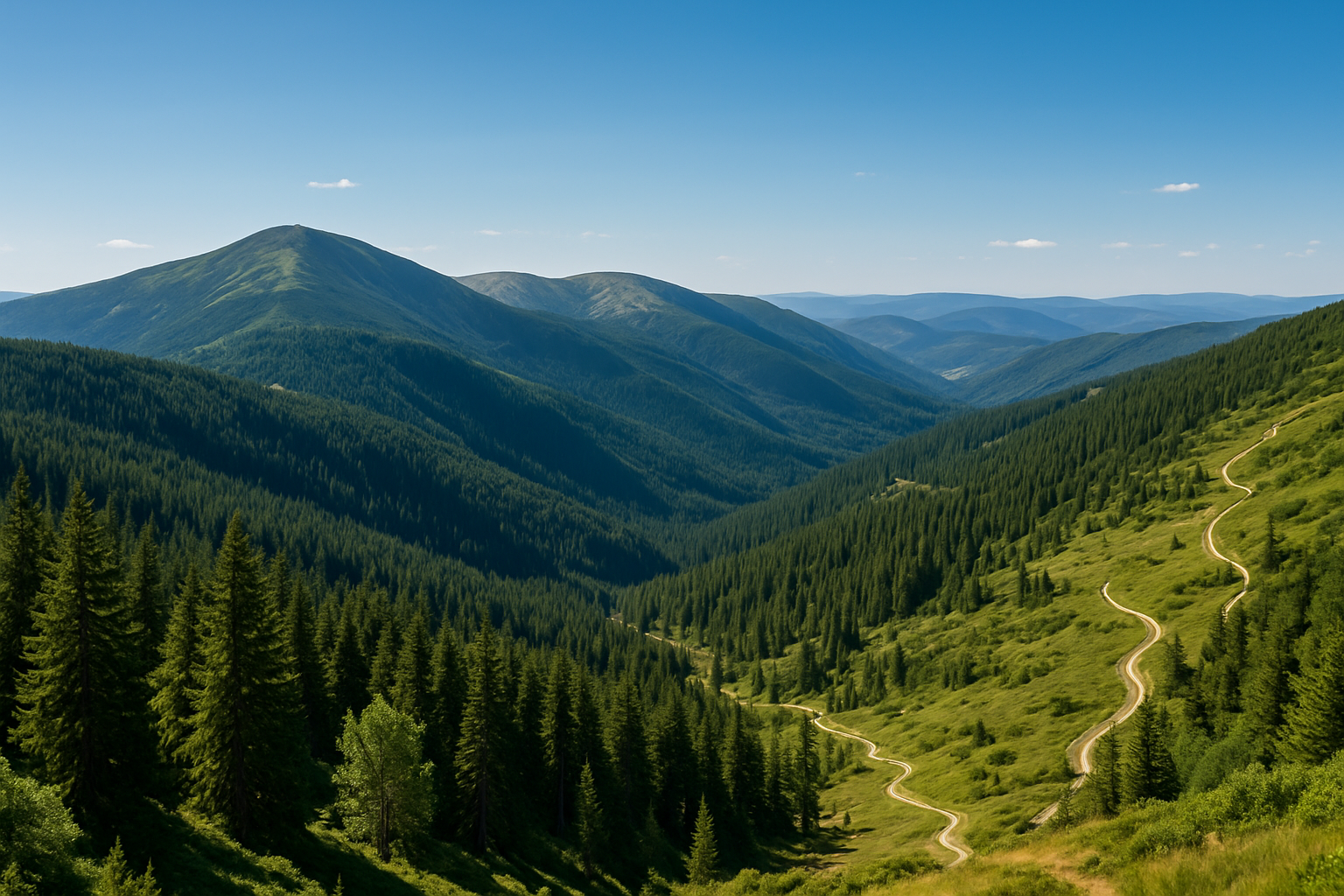
Krkonoše is the main mountain region for active recreation in the Czech Republic, especially in winter. Špindlerův Mlýn, Pec pod Sněžkou, and Harrachov are chosen for skiing, snowboarding, mountain walks, and summer hiking routes. The most famous peak of the region is Sněžka, but the weather in the mountains can change quickly, so equipment and route planning need to be realistic.
Nature in the Czech Republic
The Czech Republic does not have a sea coast, so the beaches are mainly urban or natural areas near lakes, rivers, and reservoirs. For summer recreation, locals and tourists choose Mácha Lake, Slapy Reservoir, certain beach areas near the Vltava, and open swimming pools in large cities. This format is not suitable for those looking for a sea resort but for those who want to add one or two hot days by the water to excursions.
Mountains make the Czech Republic interesting not only in winter but also in the warm season. In Krkonoše, Šumava, and Jeseníky, there are routes for hiking, cycling, and family outings in nature, but the difficulty of the trails varies depending on the region. In winter, mountain resorts are focused on skiing and short winter holidays, although snow stability always depends on the specific season.
For natural routes, it is worth considering Bohemian Switzerland with Pravčice Gate, Moravian Karst with caves and karst landscapes, and Šumava with forests and lakes. These places are best planned on separate days because they require time for travel, comfortable shoes, and weather checks. Czech nature complements city tours well but does not replace a classic beach holiday by the sea.
Shopping in the Czech Republic
In Prague, the most convenient places for shopping are located around Republic Square, Wenceslas Square, and Na Příkopě Street. The Palladium shopping gallery is suitable for mass clothing, footwear, cosmetics, and shopping in bad weather, and the Kotva department store is interesting for those who want to combine shopping with a central location. Pařížská Street is more focused on expensive brands, so it should be considered more for premium shopping or a walk.
For a wider choice outside the historical center, tourists often go to the Nový Smíchov shopping center or the Fashion Arena Prague outlet center. In Brno, the Olympia shopping center is a convenient option for shopping if the journey passes through Moravia. Seasonal discounts are usually active after the winter holidays and in summer, but specific terms depend on the stores, so it is not worth planning a trip only for sales.
For food shopping and delicacies, it is worth visiting not only souvenir shops but also supermarkets, beer shops, and specialized stores. From the Czech Republic, people often bring beer from Plzeň or Budějovice, Becherovka, Moravian wine, spa wafers, gingerbread, Olomouc cheese, and mustard. If a tourist makes expensive purchases, it is worth clarifying the conditions for returning the value-added tax, as the rules for processing may change.
What Souvenirs to Buy in the Czech Republic
The most famous category of Czech souvenirs is glass, crystal, and porcelain. In Prague, Karlovy Vary, and Český Krumlov, it is easy to find glasses, vases, home decorations, and small decorative items, but the quality and origin of the product should be checked. Cheap souvenir copies should not be confused with products from well-known Czech manufactories.
Jewelry with Czech garnet and moldavite is suitable for a more expensive gift, but it is better to buy them in specialized stores with documentation for the product. Gastronomic souvenirs are more practical for most tourists: spa wafers from Karlovy Vary, Becherovka, slivovitz, Moravian wines, honey gingerbread, and local beer convey the taste of the trip well. Before transporting drinks, it is important to consider airline rules and customs restrictions.
In terms of cosmetics, tourists often pay attention to Czech brands with beer, herbal, or grape lines, such as "Manufaktura" and "Botanicus." Such gifts are convenient for hand luggage only if the liquid rules are followed, so creams and shampoos should be packed thoughtfully. For children, you can buy wooden toys, marionette dolls, or illustrated books, but in tourist places, prices are usually higher.
Holidays in the Czech Republic
Christmas markets are one of the most popular periods to visit the Czech Republic, especially Prague. They usually operate from late November or early December on Old Town and Wenceslas Squares, although exact dates need to be checked before the trip. During this time, demand for hotels in the center increases, restaurants are booked more actively, and accommodation prices may be higher.
Easter markets are held in the spring, most notably in Prague, but there are festive events in smaller towns as well. Tourist interests include painted eggs, wooden products, pastries, spring decorations, and folk traditions associated with Easter Monday. If the trip falls on holidays, it is worth checking the schedule of museums, shops, and transport in advance.
The Karlovy Vary International Film Festival usually takes place at the end of June or early July, significantly increasing accommodation demand in Karlovy Vary. In Prague, the Prague Spring music festival takes place in spring, and in autumn, the Signal light festival is a popular city event. In Moravia, wine festivals are often held in Mikulov and Znojmo in September, so it is better to book hotels in these days earlier.
New Year in the Czech Republic
New Year in the Czech Republic is suitable for those who want a winter European trip without a beach season, but with markets, festive squares, restaurants, and walks through old towns. In Prague, during this period it is usually cool, about -2 to +4 degrees, rain, wet snow, or wind are possible. Warm clothing and comfortable shoes are more important than festive attire if the tourist plans to walk a lot.
In the center of Prague, on New Year's dates, it can be crowded, especially near Old Town Square, Charles Bridge, and the embankments. Restaurants, evening programs, Vltava cruises, and hotels with good locations should be booked in advance as the most convenient options quickly disappear. For a quieter trip, you can consider Karlovy Vary or Mariánské Lázně, where winter recreation is more associated with walks and wellness.
The mountain resorts of Krkonoše are suitable for New Year's holidays if the tourist wants to combine a festive trip with skiing. In Špindlerův Mlýn and Pec pod Sněžkou, demand for accommodation is high at this time, and skiing conditions depend on the weather and the preparation of the slopes. Families with children should clarify the distance from the hotel to the lifts, the availability of learning areas, and the convenience of transfers.
Medicine in the Czech Republic
The level of medical care in the Czech Republic is generally high, but for a tourist, treatment without insurance can be expensive. Before the trip, it is worth arranging a travel policy that covers emergency assistance, outpatient visits, possible hospitalization, and active recreation if skiing or mountain routes are planned. In case of chronic diseases, it is necessary to take a sufficient supply of medicines in the original packaging and, if necessary, a prescription or certificate.
Pharmacies in major cities are easy to find, but not all medications are sold without a prescription. In a tourist first aid kit, it is appropriate to have remedies that the traveler already uses at home: for fever, allergies, digestive disorders, plasters, and basic means for treating minor injuries. This does not replace a doctor's consultation but helps to avoid searching for a pharmacy for every little thing.
Tap water in the Czech Republic is usually safe to drink, but sensitive tourists should start with bottled water, especially in the first days of the trip. In summer, it is necessary to consider the heat in cities and the sun during long excursions, and in the mountains, the rapid change of weather even in the warm season. In forest and park areas, ticks are possible in the warm season, so after walks on natural routes, it is worth inspecting clothes and skin.
Customs Regulations in the Czech Republic
The Czech Republic is part of the European Union, so customs regulations for tourists are related to both Czech legislation and the general norms of the European Union. Personal items, clothing, cameras, laptops, and phones usually do not raise questions if their quantity corresponds to the needs of the trip. Large sums of cash, expensive new goods, or commercial parties may require declaration, so it is worth checking the current requirements before departure.
Alcohol, tobacco, medicines, animal-origin food products, and plant goods have restrictions that depend on the country of exit, route, and current rules. It is not worth bringing many medications without explanation, especially if these are prescription drugs or products with controlled substances. For purchases in the Czech Republic, it is necessary to keep receipts, and for processing the return of value-added tax, to clarify the conditions in the store at the time of purchase.
Visa Regime for Ukrainians
The Czech Republic is a Schengen zone country, so Ukrainian citizens can usually travel to the Czech Republic without a visa for up to 90 days within 180 days if they have a biometric passport. This regime is suitable for tourism, short private trips, and transit, but does not automatically grant the right to work or long-term residence. Before booking, it is necessary to check the current entry rules as requirements may change.
At the border, you may be asked to confirm the purpose of the trip, the availability of accommodation, a return ticket, sufficient funds, and medical insurance. If a tourist has a non-biometric passport, plans to stay longer than the allowed period, or travels for another purpose, the appropriate visa or permit may be required. For a short visa-free trip, the consular fee for the visa is not charged, and the costs depend on insurance, travel, accommodation, and the format of the tour.
Tours to the Czech Republic
A trip to the Czech Republic is most conveniently planned through Prague, where major air, bus, and rail routes from various European countries usually lead. Trains and buses work well between the cities of the Czech Republic, and in Prague, the tourist has enough of the metro, trams, and pedestrian routes, so car rental is not always necessary. A car makes sense for castles, Moravia, natural parks, and mountains, but before booking, it is worth considering parking in historical centers.
Farvater Travel helps to select tours to the Czech Republic for a specific holiday format: a sightseeing tour to Prague, a romantic trip to Český Krumlov, a wellness holiday in Karlovy Vary, or a winter trip to Krkonoše. For the Czech Republic, early booking for Christmas and New Year's dates, short city tours for a few days, and combined routes with several cities are appropriate. The "all-inclusive" format is not the main one here, so it is more important to choose the right hotel location, season, transport, and program intensity.
The Czech Republic is best suited for tourists who appreciate historic cities, gastronomy, beer, castles, wellness resorts, and convenient European routes without complicated logistics. If the sea is needed, another direction should be chosen, but for excursions, festive trips, family holidays, a couple's weekend, or a peaceful spa vacation, the Czech Republic offers many practical options. Before booking, it is enough to determine the main purpose of the trip, season, and base city, and then choose a hotel, tour duration, and additional outings.