Dominican Republic: Vacation, Seasons, Resorts, and Tours - Farvater Travel
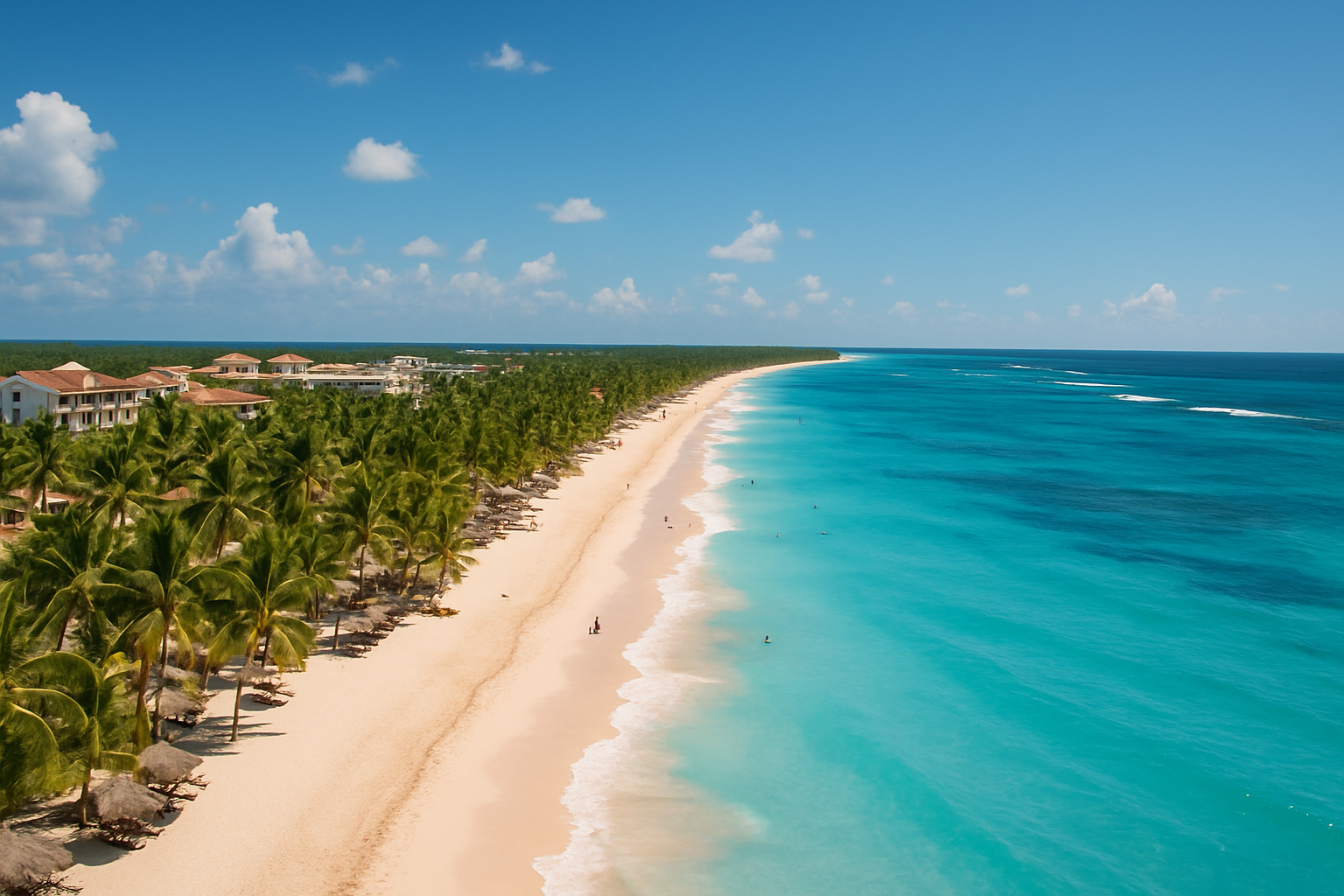
The Dominican Republic attracts tourists with its warm Caribbean Sea, long beaches, all-inclusive hotels, and various vacation formats—from a peaceful beach tour to a trip with excursions, natural parks, and water activities. The country is often chosen for winter vacations, honeymoon trips, family holidays with children, or an extended beach season when it's cold in Europe.
Vacations in the Dominican Republic are not limited to Punta Cana, although it is the most famous resort destination. Different tourists should consider Bayahibe by the Caribbean Sea, Samaná with its natural routes, Puerto Plata for an active coastline, Santo Domingo for history, and La Romana for a more relaxed resort format.
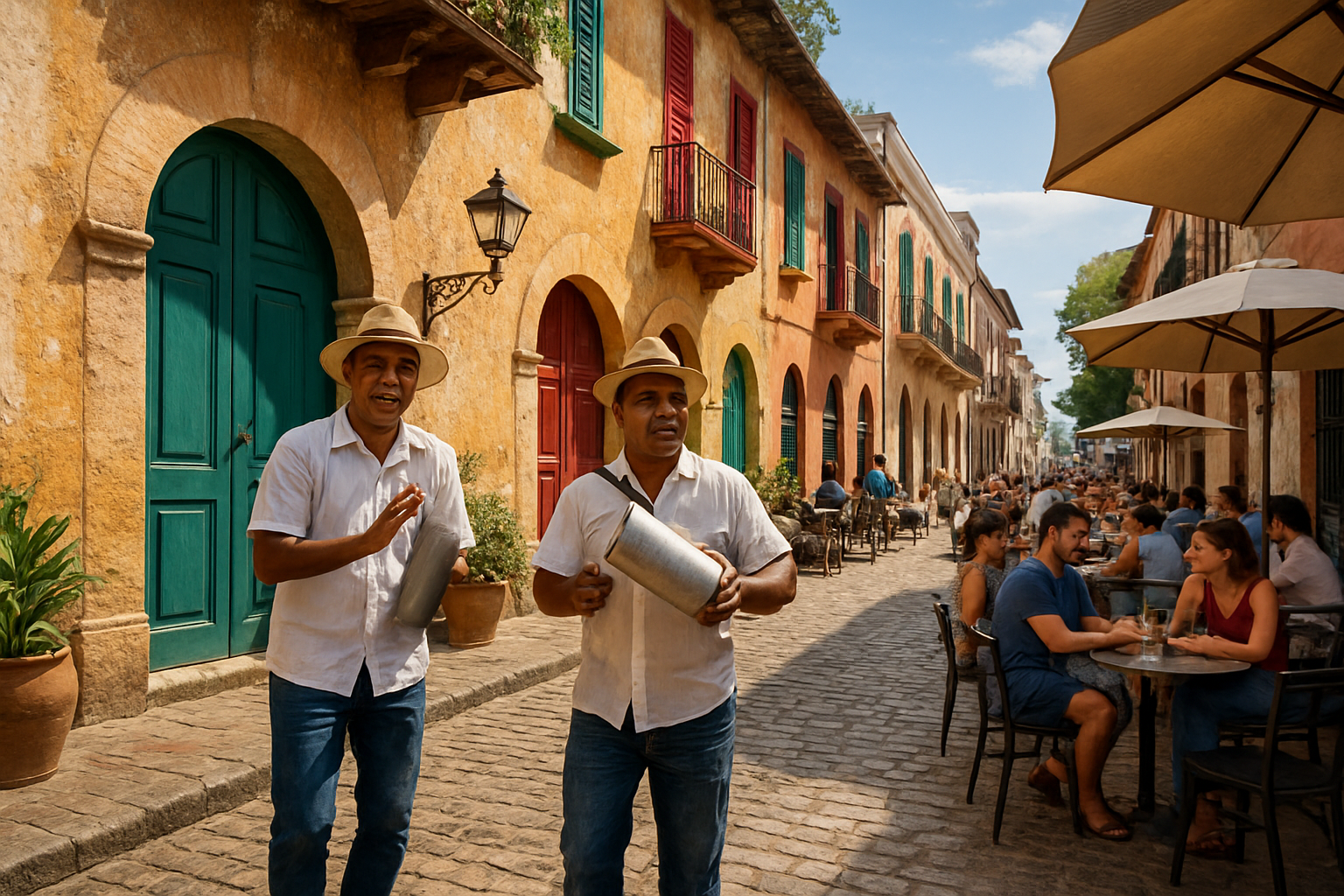
The country has a distinct Caribbean character: Spanish colonial heritage, merengue and bachata music, rum, coffee, cocoa, and a cuisine featuring rice, beans, plantains, and seafood. A trip to the Dominican Republic should be planned considering the season, region, hotel level, and whether you need just the beach or also excursions, islands, mountains, and cities.
5 reasons to visit the Dominican Republic
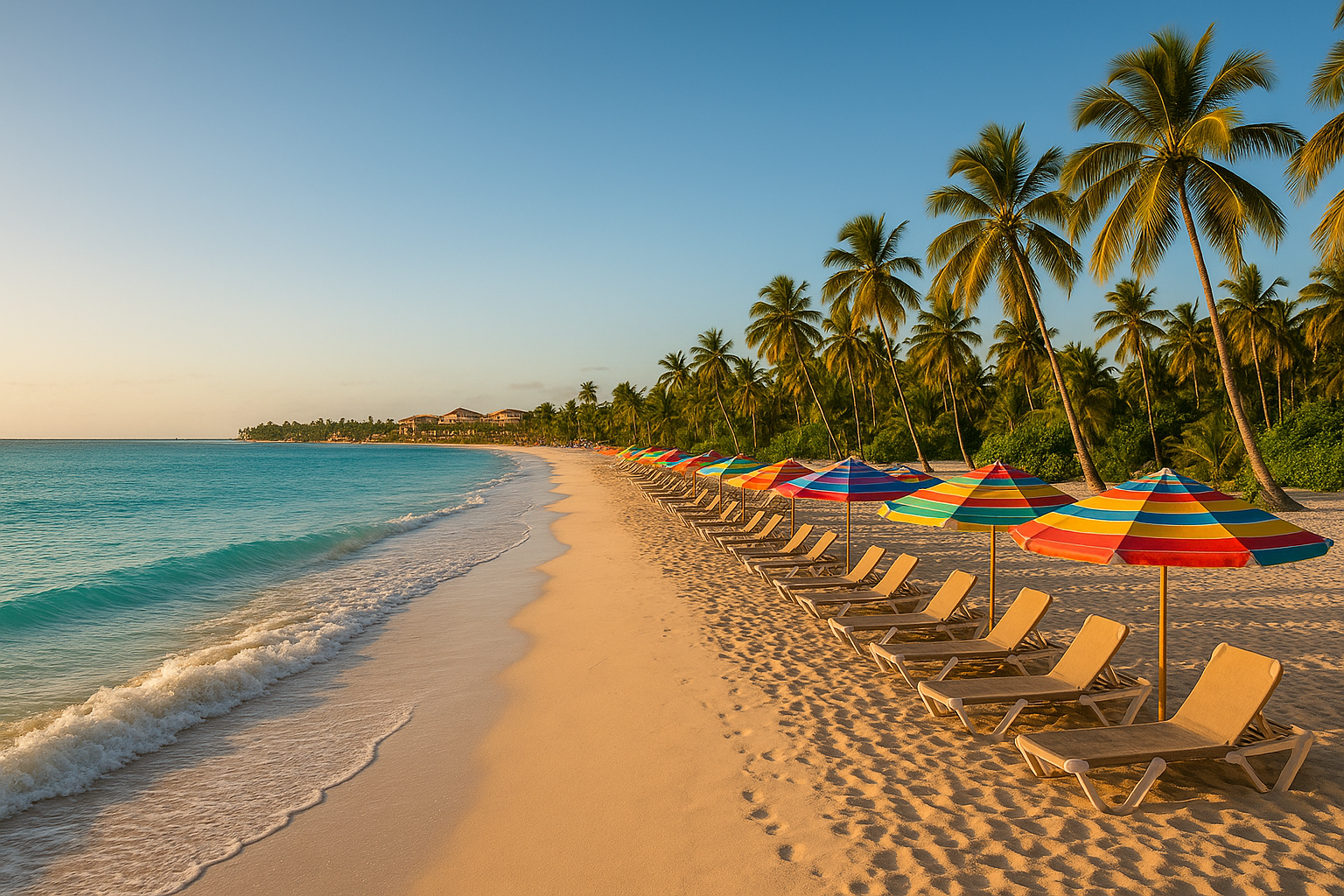
1. Beach season in winter. From December to April, the Dominican Republic usually experiences drier weather, a warm sea, and comfortable evenings, making it ideal for winter holidays, New Year tours, and relaxation after a busy year.
2. Different coasts for different vacations. Punta Cana and Bávaro are convenient for a classic resort tour, Bayahibe is often chosen for the Caribbean Sea and trips to Saona, Samaná suits nature lovers, while Cabarete and Sosúa in the north attract those seeking more movement, waves, and water activities.
3. Hotels with well-thought-out resort infrastructure. In popular tourist regions, there are many large complexes with beaches, pools, restaurants, children's zones, and entertainment programs, making the country a frequent choice for families, couples, and tourists who want to minimize organizational issues during their trip.
4. Combination of beach and excursions. In one tour, you can relax on the ocean, see the Colonial Zone of Santo Domingo, go to Saona Island, visit Los Haitises Park or El Limón Waterfall, if you choose the right region and duration of the trip.
5. Recognizable local culture. The Dominican Republic is associated with merengue, bachata, rum, coffee, cocoa, cigars, and larimar, making the trip not just about the beach but also a gastronomic and cultural experience.
When is the best time to go to the Dominican Republic
The most comfortable period for vacation is usually considered to be December, January, February, March, and April. Air temperatures often stay around 27–30 degrees, the water is usually warmed to 26–28 degrees, and rains are more often short than prolonged. This is the high season, so booking hotels in Punta Cana, Bávaro, Cap Cana, and Bayahibe in advance is advisable, especially for Christmas, New Year, school holidays, and honeymoon trips.
May and November often suit tourists who want a quieter vacation and softer demand for hotels, although the weather may vary depending on the coast. These months can have rains, but they often pass quickly, leaving enough time for the beach. For couples, excursion routes, shopping in Santo Domingo, and combined tours, this can be a good compromise between weather, price, and resort congestion.
From June to November, the Caribbean region experiences a tropical storm season, with the greatest attention to forecasts usually in August, September, and October. This does not mean that the trip will necessarily be spoiled, but for families with children and tourists seeking stable beach vacations, winter-spring months are better. Summer might suit those who are not afraid of high humidity, plan to spend more time at the hotel, and are ready to be flexible with the weather.
For whale watching in Samaná Bay, the period from January to March is usually considered, but excursions depend on the season and weather conditions. Nature enthusiasts should pay attention to Jarabacoa and Constanza, where the temperature is lower than on the coast. If the main goal is beaches, booking a hotel on the first line in the drier season gives a better chance of obtaining the vacation format for which tourists travel to the Dominican Republic.
The best hotels in the Dominican Republic
In the Dominican Republic, the most popular accommodation format for tourists is resort hotels on the coast with all-inclusive meals or an extended range of services on the territory. In Punta Cana and Bávaro, choosing a hotel should be based on the beach, level of animation, availability of family infrastructure, and general concept, as the difference between a tranquil complex for couples and a large family resort can be significant. In Santo Domingo, city hotels are more often booked for a short stay, excursions, or business trips rather than beach vacations.
Barceló Bávaro Palace in the Bávaro area is often considered by tourists who need a large resort complex near one of Punta Cana's most famous beaches. This option is suitable for families and couples who want to spend most of their time on the hotel premises and have quick access to beach infrastructure. Before booking, it is worth clarifying the room type, dining conditions, and current rules for using certain zones.
Iberostar Selection Bávaro Suites is also located in the Bávaro tourist area and is suitable for those looking for a beach vacation in a well-developed resort area. It is often chosen by tourists who want to combine oceanfront relaxation with access to restaurants, walking areas, and excursions from Punta Cana. For families, it is important to check the conditions for accommodating children and room categories in advance.
Hyatt Ziva Cap Cana is located in the resort area of Cap Cana, often chosen for its more organized environment and calmer format compared to the busiest parts of Bávaro. The hotel is worth considering for families and couples who need a high level of service, a beach vacation, and less need to leave the resort. Due to the popularity of Cap Cana, prices and availability of places can vary significantly depending on the season.
Casa de Campo Resort and Villas in the La Romana area is suitable for tourists seeking not just a beach but also a spacious resort format with villas, golf, and access to the Altos de Chavón area. It is more often considered for romantic trips, tranquil premium vacations, or trips focused on privacy. If the budget is limited, guest houses, apartments, and simpler hotels can be found in Bayahibe, Las Terrenas, Cabarete, and Santo Domingo, but the level of service there needs to be checked especially carefully.
The best resorts and cities in the Dominican Republic
Punta Cana and Bávaro are the main choices for tourists flying in for a beach tour, all-inclusive hotel, and minimal logistics. Many large resorts, long beaches, excursions to Saona Island, natural parks, and entertainment locations are concentrated here. Bávaro is more suitable for a first trip to the Dominican Republic when understandable infrastructure, a choice of hotels, and an active resort environment are important.
Cap Cana is a more organized resort area next to Punta Cana, often chosen for romantic vacations, honeymoons, or calmer family trips. Tourists should consider that hotels here are usually more expensive, and the vacation format is more tied to the resort's territory. For those who want to walk the city daily or independently find many local cafes, this area may be less convenient.
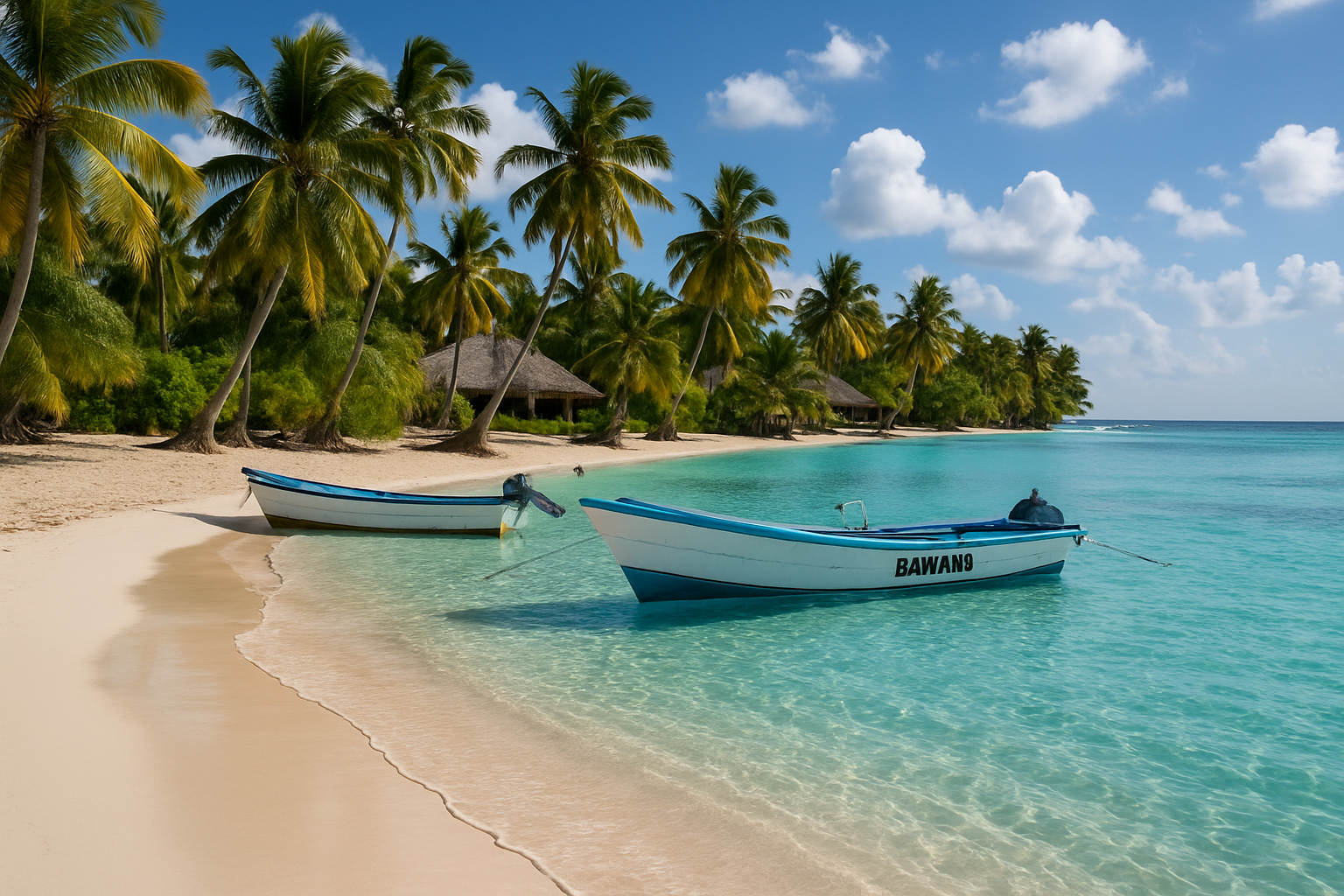
La Romana and Bayahibe are located on the Caribbean Sea side, so they are often chosen for calmer waters and convenient trips to Saona and Catalina Islands. Bayahibe is well suited for tourists who want fewer waves, diving, snorkeling, and access to Cotubanamá National Park. La Romana is interesting for resort vacations and proximity to Altos de Chavón—a Mediterranean-style village with observation decks and cultural events.
Samaná is a destination for those who value nature, bays, boat trips, and a less mass beach format. Here, attention should be paid to Las Terrenas, Samaná Bay, El Limón Waterfall, and Los Haitises National Park with mangrove thickets and caves. In the winter months, the region is also known for whale watching seasons, but trips need to be planned considering the weather and excursion availability.
Puerto Plata, Sosúa, and Cabarete on the north coast are suitable for tourists seeking more active recreation, waves, water sports, and a less closed resort environment. In Puerto Plata, you can take a cable car to Isabel de Torres Mountain and visit the San Felipe Fortress, while Cabarete is known for its conditions for kitesurfing and windsurfing. Santo Domingo is not a beach resort, but it is important for excursions: the Colonial Zone, Alcázar de Colón, the first cathedral of the Americas, and the "Three Eyes" Park allow you to see the historical side of the country.
Nature in the Dominican Republic
Nature in the Dominican Republic varies depending on the coast: in the east, tourists see wide beaches of the Atlantic Ocean, in the south—the Caribbean Sea with many routes to the islands, and in the north—more active waves and winds. Because of this, the choice of region directly affects the vacation format: for calm swimming, Bayahibe is often considered; for a classic resort—Bávaro; for water activities—Cabarete.
Saona Island is one of the most popular natural routes, but it should be perceived as an excursion with a large number of tourists in the high season. Catalina Island is interesting for snorkeling and sea trips, while Los Haitises Park in Samaná offers a different experience—mangrove channels, karst caves, and birds instead of beach infrastructure. For such trips, it's better to set aside a separate day and check the transfer duration from your hotel.
In the central part of the country are the mountainous areas of Jarabacoa and Constanza, where the climate is cooler than on the coast. Trekking enthusiasts may be interested in a route to Pico Duarte, the highest peak in the Caribbean region, but such a trip requires preparation and is not a typical beach excursion. Lake Enriquillo, Damajagua Waterfalls, and El Limón show that the Dominican Republic is suitable not only for hotel vacations if the tourist is ready for transfers.
Shopping in the Dominican Republic
The most convenient shopping in the Dominican Republic is found in Santo Domingo and large resort areas. In the capital, it's worth paying attention to Blue Mall, Agora Mall, and Sambil: these are convenient places to buy clothes, cosmetics, electronics, coffee, chocolate, and goods from international and local brands in fixed-price stores. For local color, Mercado Modelo is suitable, but you need to carefully monitor the quality of products and negotiate the price calmly.
In Punta Cana, popular shopping spots are Palma Real Shopping Village, Blue Mall Punta Cana, and San Juan Shopping Center. These are practical places to buy souvenirs, beach items, coffee, rum, cocoa, and basic goods if you forgot something. Prices in hotel shops are often higher, but the purchase takes less time, so this option is convenient for small souvenirs before departure.
In markets and souvenir shops in Bávaro, Bayahibe, La Romana, and Las Terrenas, bargaining is usually appropriate, but it should be polite and without pressure. For valuable purchases, such as larimar, amber, or cigars, it's better to choose stores where they can explain the origin of the product and provide quality assurance. The currency in the country is the Dominican Peso, but in tourist places, they often also accept US dollars; it's worth clarifying the payment currency before paying by card.
What souvenirs to buy in the Dominican Republic
The most practical gastronomic souvenirs are Dominican coffee, cocoa, chocolate, vanilla, spices, and sauces. Such purchases can easily be distributed between luggage and carry-on according to airline rules, and quality is better checked by packaging, production date, and storage conditions. Among local flavors, it's worth trying mangú, sancocho, la bandera, tostones, moro de guandules, pescado con coco, and sweet coconut desserts during the trip.
Tourists often bring back rum and mamajuana—a herbal, root, and spice tincture. It's better to buy alcohol in stores with proper packaging, and before departure, check the rules for transporting liquids and customs restrictions. Dominican cigars are also a popular souvenir, but they should be purchased not from hands but in specialized shops.
For gifts with longer memories, jewelry with larimar—a blue stone associated specifically with the Dominican Republic—as well as amber products, ceramics, wooden figures, and textiles are suitable. On beaches and in spontaneous points, fakes can occur, so expensive jewelry is better bought where the seller can explain the origin of the stone. It's not worth taking out corals, shells, and natural objects if there is doubt about the legality of such a souvenir.
Holidays in the Dominican Republic
Carnival in the Dominican Republic usually takes place in February, with the most famous celebrations associated with La Vega, Santo Domingo, and Santiago. Tourists find this interesting for costume parades, music, masks, and street events, but during the carnival period, the demand for hotels and transfers increases. Dates and venues should be checked before the trip, as the program may change.
The Dominican Republic's Independence Day is celebrated on February 27, and during this period, the festive program often coincides with the carnival season. Parades, concerts, and state events may occur in the capital and large cities, causing certain streets to be closed and making travel take longer. For tourists, this is a great opportunity to see the local culture, but excursions on such days are better booked with extra time.
During the summer months and early autumn, the country hosts music and cultural events related to merengue, bachata, and local traditions, but specific dates need to be clarified annually. In resort hotels, the festive program is often adapted for tourists, while in cities, events have a more local character. If the trip falls on public holidays or long weekends, rooms in popular regions are better booked earlier.
New Year in the Dominican Republic
New Year in the Dominican Republic suits those who want to celebrate near the warm sea rather than in a winter climate. In December and early January, the weather is usually among the most comfortable for beach vacations: the sea is warm, humidity is lower than in the summer-autumn period, and rains are more often short-lived. Therefore, this is one of the most expensive and busy periods of the season.
Hotels in Punta Cana, Bávaro, Cap Cana, Bayahibe, and La Romana often prepare festive dinners and entertainment programs, but their format depends on the specific hotel. Tourists should clarify in advance whether the New Year's program is included in the tour price or paid separately. Air tickets, family rooms, higher-level hotels, and popular resorts for this period are better booked in advance, as the choice narrows significantly closer to the dates.
Healthcare in the Dominican Republic
In major tourist regions of the Dominican Republic, there are private clinics and medical centers, but treatment for foreigners can be expensive. Travel insurance should be arranged before departure, carefully checking coverage for outpatient care, hospitalization, active recreation, water sports, and possible transportation. If planning excursions in the mountains, diving, or kitesurfing, this should be separately considered in the policy terms.
The main risks for tourists are related to the sun, humidity, unfamiliar food, drinking water, and insects. It's better to drink bottled water, order ice in drinks at reliable establishments, and use sunscreen with high protection even in cloudy weather. It's worth including personal medications, remedies for digestive disorders, antiseptics, plasters, repellents, and medications you regularly take in your travel first-aid kit, but medical issues are better discussed with a doctor before the trip.
In the first days of the vacation, it's advisable not to overload your body with sun, alcohol, and long excursions, especially after a long flight and a change of time zone. In hotel restaurants, it's better to gradually get acquainted with spicy sauces, seafood, and local dishes if the body is sensitive to new cuisine. For children, it's important to have familiar care products, hats, light clothing with sun protection, and a supply of drinking water during outings.
Customs regulations in the Dominican Republic
Customs regulations in the Dominican Republic can change, so it's worth checking the current requirements for importing currency, alcohol, tobacco, medicines, electronics, and personal use items before the trip. Cash in significant amounts usually needs to be declared, and prescription medications are better transported in original packaging with documents if they may raise questions at control. Personal travel electronics usually don't create problems, but new expensive items in packaging may be considered purchases.
Special attention should be paid to natural souvenirs: corals, shells, products from protected species, plants, and animal products may have export restrictions. Alcohol, cigars, coffee, cocoa, and jewelry should be transported considering the rules of the Dominican Republic, the transit country, and the return country. If you buy expensive jewelry with larimar or amber, keep the receipt until the end of the trip.
Visa regime for Ukrainians
Before traveling to the Dominican Republic, Ukrainian citizens should check the current entry rules, as they may change depending on government decisions, transit routes, and airline requirements. Special attention should be paid to the validity of the passport, electronic forms for entry and exit, return tickets, accommodation confirmation, and transit conditions through other countries.
If the flight involves a stopover, it's important to check not only the rules of the Dominican Republic but also the requirements of the transit country. For routes through European countries, the USA, Canada, or the UK, separate conditions may apply, and they cannot be automatically equated with the entry rules of the Dominican Republic. Before booking a tour, it's worth clarifying current information with the tour operator or official sources.
Tours to the Dominican Republic
The Dominican Republic is best suited for tourists who want a warm sea, developed beach hotels, all-inclusive meals, and the opportunity to add a few excursions to their vacation. For a first trip, it's convenient to choose Punta Cana or Bávaro, for a calmer Caribbean Sea—Bayahibe, for nature—Samaná, for an active coast—Cabarete and Puerto Plata, and for history—Santo Domingo for one or two days. Choosing a resort is more important than it seems, as it determines the beach, transfers, excursions, and the overall rhythm of the vacation.
Reaching the Dominican Republic from Ukraine is usually possible via flights with stopovers through European or other international hubs, with arrivals most often planned at airports in Punta Cana, Santo Domingo, Puerto Plata, or La Romana, depending on the tour. On location, organized transfers, hotel taxis, or pre-agreed transport are most convenient for tourists, while car rental is more suitable for experienced travelers ready for the local driving style and toll roads. For long transfers between regions, it's better to allow extra time, as distances on the map do not always reflect the real travel time.
At Farvater Travel, you can choose tours to the Dominican Republic for different scenarios: beach vacation in Punta Cana, family tour with children's infrastructure, romantic trip to Cap Cana or La Romana, combined option with Santo Domingo and excursions, as well as all-inclusive hotels. For the high season, New Year, and winter holidays, early booking is advisable, while last-minute tours may be appropriate for tourists with flexible dates and readiness to make quick decisions. The best results come from selection not only by price but by beach, region, reviews of a specific hotel, flight duration, and the type of vacation you expect from the Dominican Republic.