Estonia: Relaxation, Seasons, Resorts, and Tours - Farvater Travel
Estonia is suitable for those who want to combine a short European journey, strolls through old towns, relaxation by the Baltic Sea, and a calm pace without long distances. In one trip, you can see medieval Tallinn, the pine beaches of Pärnu, the islands of Saaremaa and Muhu, the bogs of Lahemaa National Park, and modern city quarters with cafes, museums, and designer shops. The country is well-suited for sightseeing tours, family vacations, romantic weekends, and gentle wellness retreats.
Traveling to Estonia is convenient because the country is compact: traveling between Tallinn and Pärnu usually takes a few hours, and the islands can be reached by ferry. Tourists don't need to choose just one vacation format, as the city program easily combines with nature, beaches, museums, and gastronomy. At the same time, the season matters: in summer, it's better to book hotels on the coast in advance, while in winter, trips to Christmas markets and New Year's weekends are popular.
Estonia is not a destination for a hot beach season, but the cool Baltic climate makes it comfortable for walks, bike routes, and leisurely excursions. Here, it's worth planning time for Tallinn's Old Town, seaside promenades, the wooden architecture of Kadriorg, island lighthouses, castles, and nature trails. For tourists who value safe trip organization, straightforward logistics, and a moderate pace, Estonia often becomes a successful alternative to large European capitals.
5 Reasons to Visit Estonia
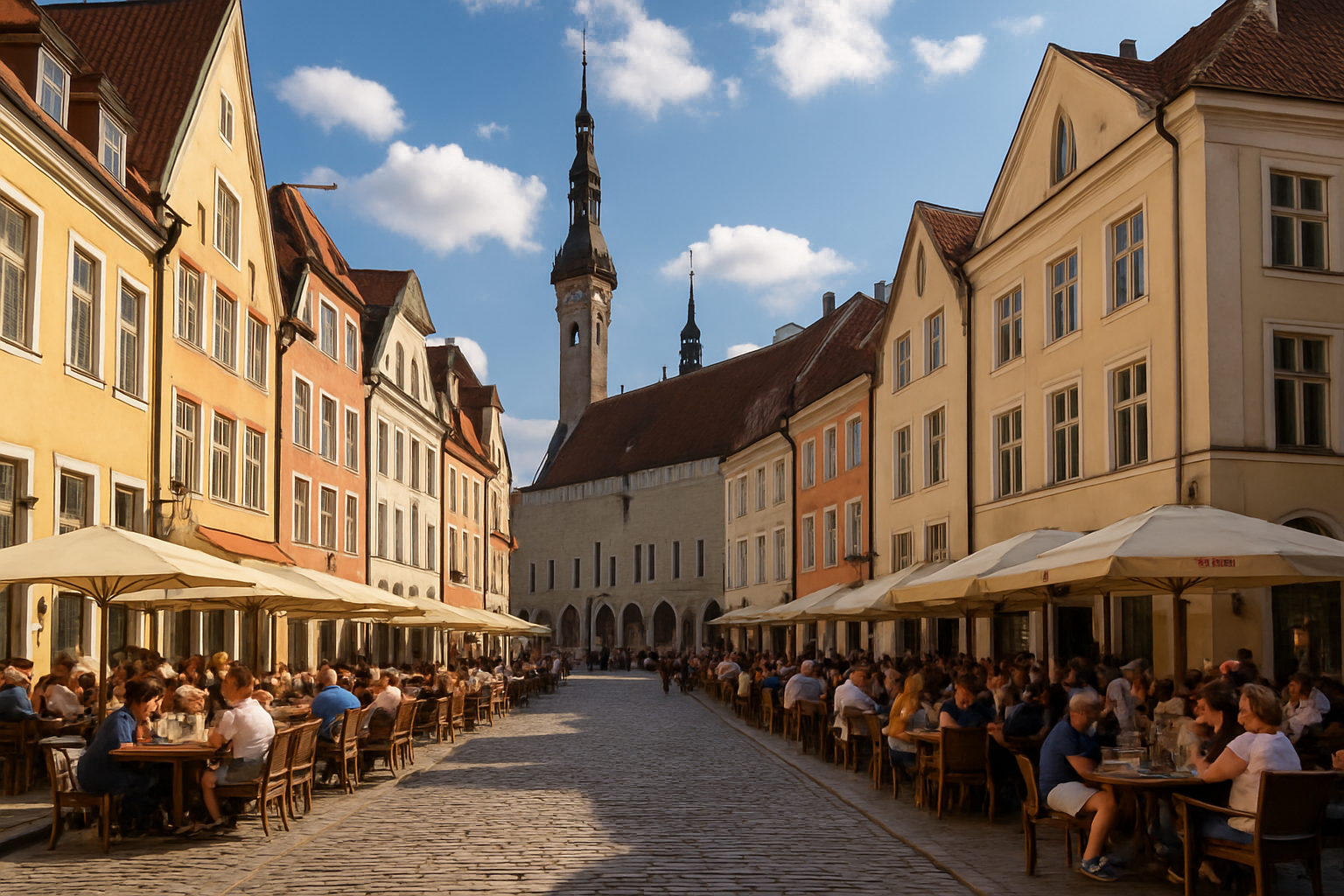
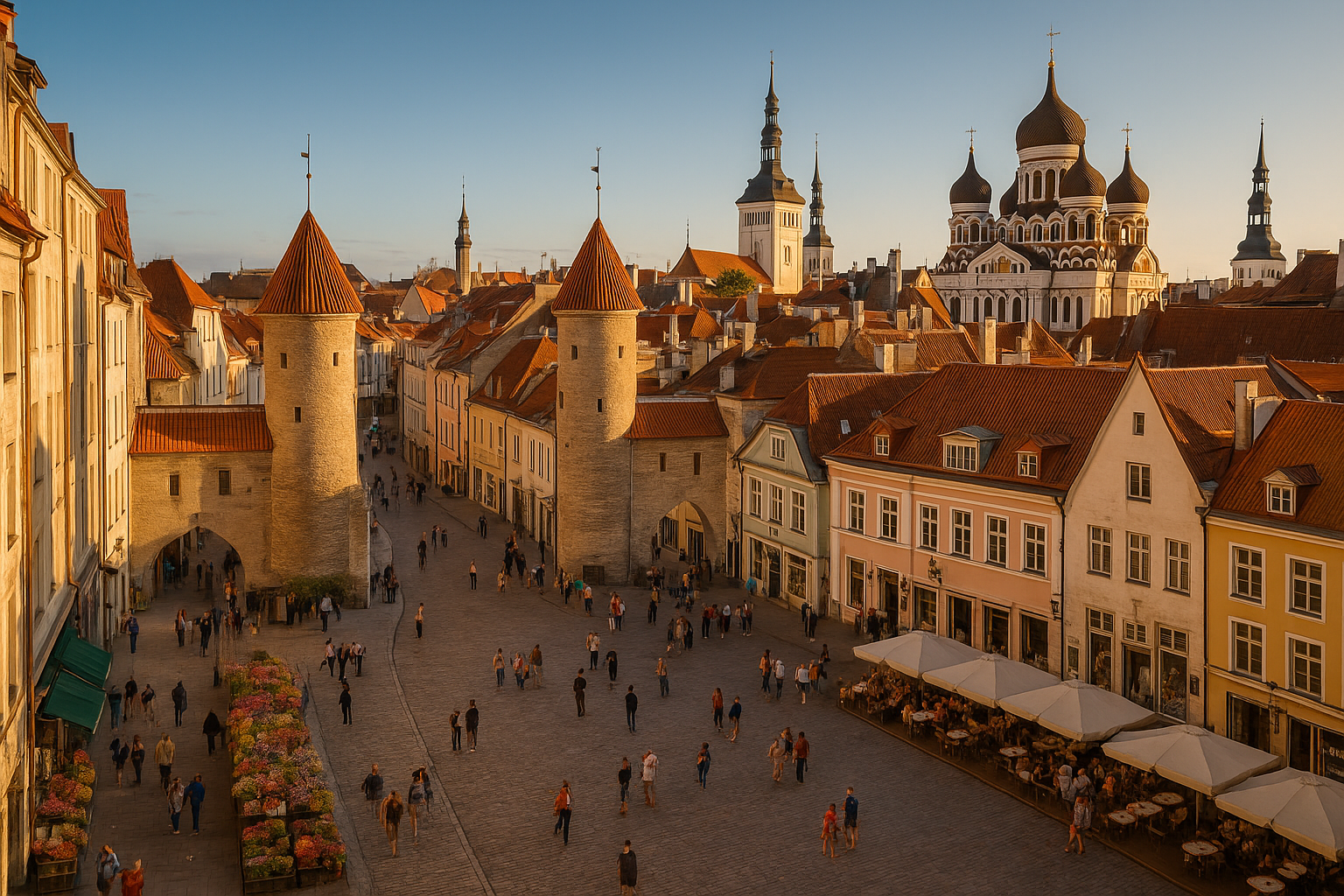
- Tallinn boasts one of the best-preserved medieval city centers in Northern Europe. Town Hall Square, city wall towers, Pikk and Lai Streets, Alexander Nevsky Cathedral, and Toompea viewing platforms offer an intensive sightseeing program even for two days.
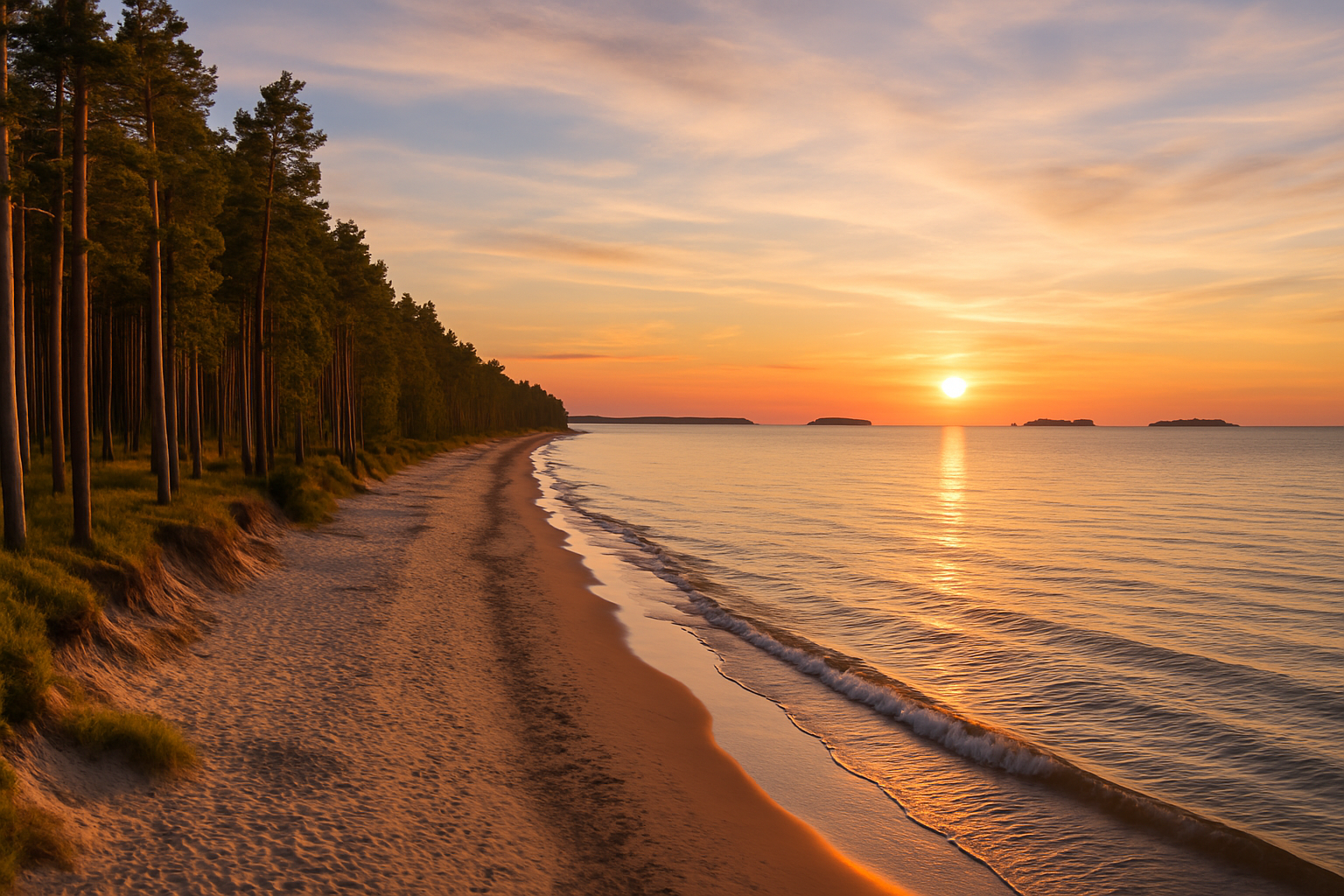
- The Baltic coast is suitable for a quiet summer vacation without exhausting heat. Pärnu is chosen for beaches and family holidays, Narva-Jõesuu for the long sandy strip by the pine forest, and Haapsalu for a quieter wellness format.
- The islands of Saaremaa, Muhu, and Hiiumaa offer a different travel rhythm than the mainland. Tourists visit the Kaali meteorite crater, the episcopal castle in Kuressaare, lighthouses, windmills, small villages, and sea views.
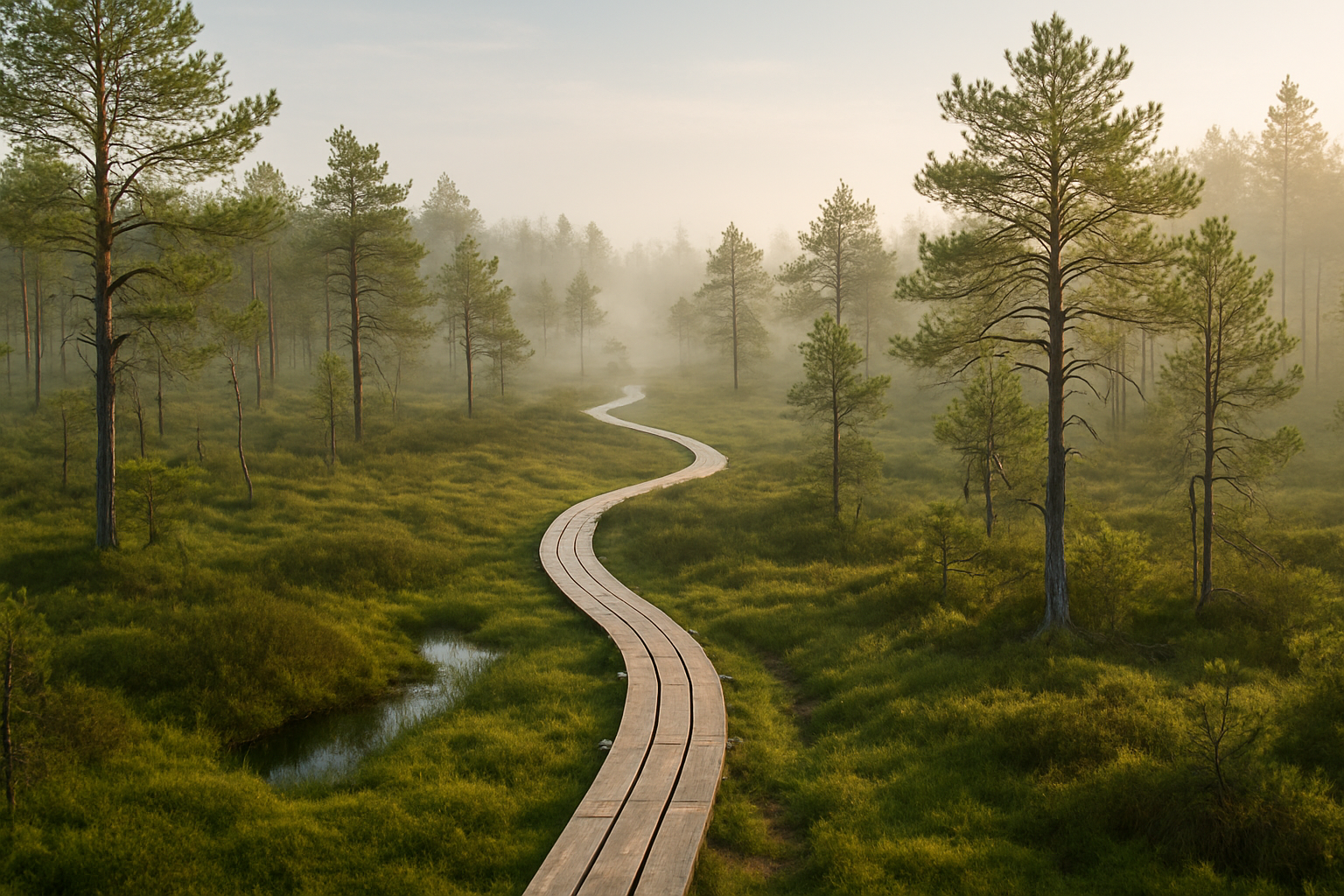
- Estonia's nature is very accessible for independent walks. In Lahemaa, Soomaa, and Matsalu National Parks, there are wooden trails, observation towers, and routes through bogs, forests, coastal meadows, and bird-watching spots.
- Estonian cuisine and local products complement the journey well. It's worth trying rye bread, sprats, pickled herring, pea soup, blood sausage in the winter season, cheese desserts, sea buckthorn products, and sweet marzipan, often purchased in Tallinn.
When Is the Best Time to Visit Estonia
The most comfortable season for a first trip to Estonia usually lasts from May to September. In May and June, the air often warms up to about 15–22 degrees, the days are long, and the cities are convenient for excursions without the winter cold. July and August are the warmest months: the air temperature often stays around 20–25 degrees but can be cooler due to the wind from the Baltic Sea.
For a beach holiday, it's better to choose July and the first half of August when the water in Pärnu Bay is usually warmer than on the open coast. The water temperature is often around 17–21 degrees but can change quickly depending on the wind, currents, and specific beach. Families with children should consider hotels in Pärnu, as there is a shallower bay, sandy beaches, and more summer infrastructure.
Spring and autumn are well suited for sightseeing tours, city weekends, and couples' trips. April may still be cool, but in May, it's already comfortable to stroll through Tallinn, Tartu, and Kadriorg, and in September, there are fewer tourists than in the high summer season. October is often wet and windy but suitable for those planning museums, cafes, castles, and quiet bookings without beach expectations.
Winter in Estonia is cold, with temperatures ranging from a few degrees below zero to a small plus, although the weather may vary by region. December attracts with the Christmas market in Tallinn, festive lighting, and short city tours, but hotels in the city center are better booked in advance for popular dates. January and February are suitable for a quiet trip, saunas, museums, and winter walks, but it's important to have warm clothing and footwear for slippery streets.
The Best Hotels in Estonia
In Tallinn, it's convenient for tourists to stay in the center or near the Old Town if the main goal is excursions, restaurants, museums, and a short trip without renting a car. A real example for such a format is the "Telegraaf Hotel" in the Old Town, which is often considered for romantic weekends and comfortable city breaks. Another well-known option is the "Schlössle Hotel," located in the historic part of Tallinn, convenient for those who want to live near the main attractions.
For tourists looking for quieter accommodation outside the dense medieval center, the Kadriorg area or modern quarters near the port are suitable. The "Oru Hub Hotel" in Tallinn is worth considering for those who want to be closer to Kadriorg Park, the Kumu Art Museum, and walks in the greener part of the city. This choice is convenient for families and travelers who do not plan to return every evening to the busiest streets of the Old Town.
In Pärnu, hotels are often chosen for their proximity to the beach, promenade, and wellness services, not just for the level of comfort. The "Hedon Spa & Hotel" is located in the beach part of the city and is suitable for couples and adult tourists who combine the sea, walks, and relaxation in a water-wellness format. The "Estonia Resort Hotel & Spa" is also a well-known option in Pärnu for those planning not only the beach but also treatments, pools, and a leisurely resort rhythm.
On the island of Saaremaa, tourists most often stay in Kuressaare, where the castle, marina, restaurants, and access to island routes are combined. The "Georg Ots Spa Hotel" in Kuressaare is worth considering for a wellness trip, a couple's trip, or a few days after active excursions around the island. For those traveling in the high summer season, it's better to book rooms in advance because the choice of quality accommodation on the islands is more limited than in the capital.
The Best Resorts and Cities in Estonia
Tallinn is the main city for a first trip to Estonia, especially if excursions, restaurants, museums, and convenient logistics are important. In the Old Town, it's worth seeing Town Hall Square, the Fat Margaret Tower, the Dome Cathedral, Toompea Hill, and the Kohtuotsa and Patkuli viewing platforms. For a more modern route, the Telliskivi quarter, Noblessner port area, Lennusadam Seaplane Harbour, and Kadriorg Park are suitable.
Pärnu is the main summer seaside resort in the country, most often chosen by families with children, couples, and tourists who want a beach vacation without a long transfer from the capital. Here, there is a wide sandy strip, a shallower bay, parks, walking streets, and many hotels with a wellness focus. In season, the city becomes noticeably livelier, so for July and August, booking should be done earlier.
Tartu is a university town for those who want to see intellectual and cultural Estonia outside the capital. Tourists should include Town Hall Square, Toomemägi Hill, the AHHAA Science Centre, and the Estonian National Museum in their route. Tartu is not a beach resort, but it is well-suited for a sightseeing trip, cafes, museums, and a short stop on the way to the country's south.
Saaremaa and Kuressaare are suitable for a quiet island vacation, nature, and wellness hotels. The main attraction of Kuressaare is the episcopal castle, and outside the city, tourists go to the Kaali crater, Sõrve lighthouse, and villages with stone fences and windmills. The island is better planned not as a one-day trip but as a separate stage of the route for two or three nights.
Narva and Narva-Jõesuu are interesting to tourists who want to see the country's east and relax by the long sandy beach. In Narva, the main attraction is the Narva Castle on the riverbank, while Narva-Jõesuu has a resort history, a pine forest, and a sea coast. This direction is better suited for a calm summer than for an active nightlife or intense shopping.
Nature in Estonia
Estonia's nature forms a gentle, leisurely vacation format: there are no high mountains, but there are seas, islands, bogs, forests, lakes, and coastal meadows. The Baltic coast is often windy, so even in summer, a beach day should be planned with the forecast in mind. The pine beaches of Pärnu, Narva-Jõesuu, and the northern coast are suitable not only for swimming but also for walks, bicycles, and relaxation without heat.
Lahemaa National Park is convenient for a day trip from Tallinn if you want to see bogs, rocky shores, Palmse and Sagadi manors, and fishing villages. Soomaa is known for its bog landscapes and seasonal floods when part of the area can become water routes. Matsalu attracts those interested in birds, coastal meadows, and observing nature in silence.
The islands make a trip to Estonia more diverse but require careful transport planning. Saaremaa is better suited for a first acquaintance with island holidays, Muhu for short stops and rural views, Hiiumaa for lighthouses, beaches, and fewer people. For active tourists, hiking trails, bike routes, kayaking, seaside walks, and bird watching are appropriate, but the weather by the sea can quickly change plans.
Shopping in Estonia
The most convenient shopping for tourists is concentrated in Tallinn, where shopping can be easily combined with a sightseeing program. The "Kaubamaja" department store near the center is suitable for clothing, cosmetics, home goods, and Estonian products, while the "Viru Keskus" shopping center is convenient for those living near the Old Town. "Rocca al Mare Keskus" is worth considering for a wider selection of stores if there is time to go outside the historical center.
For local design, small shops, and gifts, tourists should pay attention to the Telliskivi quarter and the Rotermann area. There, Estonian brand clothing, ceramics, wooden products, jewelry, natural cosmetics, postcards, and home items that differ from standard souvenirs on tourist streets are sold. In the Old Town, there are also many shops, but prices there are often higher, so for practical purchases, it's better to compare several places.
For products and local flavors, it's convenient to go to the Baltic market near the station in Tallinn. There you can find rye bread, smoked fish, cheeses, berry products, honey, sea buckthorn products, sweets, and ready meals for a quick snack. During seasonal sales periods in shopping centers, you can buy clothing and footwear more profitably, and the possibility of tax refunds for tourists should be clarified in a specific store before payment.
What Souvenirs to Buy in Estonia
Gastronomic souvenirs from Estonia are best chosen among products that travel well. Popular options are rye crispbread, Estonian chocolate and marzipan, berry jams, sea buckthorn juice or syrup, honey, herbal teas, and juniper products. If buying fish, cheese, or other perishable products, it's important to consider the transportation conditions and import rules to the return country.
For practical gifts, consider linen textiles, wool socks and mittens, wooden kitchenware, ceramics, and candles by local artisans. With such items, it's better to check the origin of the product, not just the label, as mass-produced souvenirs can be found in tourist places. In Telliskivi, Rotermann, and small shops on the islands, it's easier to find items with a distinct local character.
A separate category is cosmetics and care products with peat, herbs, juniper, honey, or sea components. Such purchases are convenient as a gift because they do not take up much space in the luggage and often have understandable packaging. Before buying drinks or tinctures, it's worth checking customs rules and airline restrictions on liquid transport.
Holidays in Estonia
The Christmas season in Tallinn usually starts at the end of November or early December and lasts until early January, but specific dates should be checked before the trip. On Town Hall Square, there is a market with hot drinks, sweets, handicrafts, and festive events. During this time, demand for hotels in the center of Tallinn increases, especially on weekends and New Year's dates.
Victory Day and Midsummer Day in June are important summer holidays when locals often go out of town, to cottages, or to nature. For tourists, this is interesting as an opportunity to see summer traditions, bonfires, concerts, and long white evenings, but some services may operate on a modified schedule. If the trip falls on these dates, booking accommodation on the islands and by the sea should not be postponed.
The Song Festival in Estonia is not held every year but is one of the country's most famous cultural events, associated with the choral tradition. When it takes place in Tallinn, demand for hotels, tickets, and transport increases noticeably, so planning the trip in advance is necessary. Among regular summer events, attention should also be paid to the Medieval Days in Tallinn and summer cultural events in Pärnu, but the dates always need to be clarified.
New Year in Estonia
Estonia is well-suited for a New Year's trip if expectations are related not to the beach but to a winter city, markets, restaurants, museums, and short walks. In Tallinn, the main interest is concentrated in the Old Town, where festive lighting, narrow streets, and Town Hall Square create a convenient route without complex logistics. The weather is usually cold, windy, and can be wet, so warm shoes, gloves, and clothing for cobblestone walks are important.
For New Year's, it's better to book a hotel in Tallinn, a festive dinner, and, if necessary, excursions in advance. In popular restaurants in the Old Town, places for evening hours can run out earlier, and prices for central hotels often rise closer to the holidays. If a quieter format is desired, consider Pärnu or Kuressaare, where the New Year's trip is more related to wellness hotels, saunas, and seaside walks.
Healthcare in Estonia
Healthcare in Estonia generally meets European standards, but for tourists, it's important to have travel insurance for the entire trip period. Insurance should cover emergency assistance, possible doctor visits, baggage loss, and risks associated with active recreation, if bikes, kayaks, or long nature trails are planned. Before buying a tour, it's worth carefully checking the policy conditions, franchise, and contacts of the assistance company.
Pharmacies are available in large cities and resort areas, but in small settlements or on islands, the schedule may be limited. The travel first-aid kit should include personal medications, cold remedies, plasters, antiseptic, drugs that tourists usually use during climate change, and prescriptions or certificates for specific medications. Don't assume that a familiar drug name will necessarily be available in an Estonian pharmacy.
The Estonian climate requires attention not so much to heat, but to wind, moisture, and sudden weather changes. Even in summer by the sea, a light jacket may be needed, and in winter, footwear with non-slip soles is important. Tap water in many places is usually suitable for drinking, but tourists with sensitive digestion find it easier to use bottled water in the first days of the trip.
Customs Regulations in Estonia
Estonia is part of the European Union, so during the trip, general European customs rules and the requirements of the country from which the tourist arrives should be considered. Personal belongings, clothing, a phone, a camera, and a laptop are usually transported without difficulty if they are for personal use. If bringing new equipment in packaging or a significant amount of identical goods, additional questions about the purpose of the purchases may arise.
For alcohol, tobacco, perfumes, cash, medications, and products, there are restrictions that may change depending on the route and current rules. It's not advisable to bring medications without original packaging, and for prescription drugs, it's desirable to have a document confirming the need for their use. Before the trip, it's necessary to check the current limits and bans on official resources, especially if food products, drinks, or expensive purchases are planned for transport.
Visa Regime for Ukrainians
Estonia is part of the Schengen Zone, so Ukrainian citizens can usually travel without a visa for up to 90 days within 180 days with a biometric passport. The purpose of such a trip should correspond to a short-term stay: tourism, visiting relatives, business meetings, or transit. Border guards may ask for confirmation of accommodation booking, return tickets, medical insurance, and sufficient funds for the period of stay.
Before booking a tour or hotel, it's necessary to check the current entry rules, as they may change. Specific requirements may depend on the route, transit country, type of document, and purpose of the trip. If a tourist plans to stay longer than the allowed period or has a non-tourist purpose, it's necessary to clarify the appropriate document processing order in advance.
Tours to Estonia
Tours to Estonia should be selected based on the vacation format, not just the arrival city. For a first trip, the most convenient is a sightseeing tour to Tallinn for a few days with the possibility to add Kadriorg, Lennusadam, Telliskivi, and a trip to Lahemaa. For summer, it's logical to combine Tallinn with Pärnu, and for a quieter program, add Kuressaare on Saaremaa or Haapsalu.
Beach tours to Estonia are seasonal and mostly weather-dependent, so for swimming, it's better to plan for July or early August. Families with children will find Pärnu and hotels with easy beach access suitable, couples will enjoy Tallinn with a romantic city program or wellness hotels on the islands, and nature lovers will appreciate routes with national parks and bog trails. The "all-inclusive" format is not typical for Estonia, so accommodation with breakfasts, city hotels, wellness complexes, or combined tours are more often chosen.
Through the "Farvater Travel" service, it's convenient to compare tours, hotels, seasons, and booking options for a specific route. For summer, it's better to look at early bookings on the coast and islands, and for December, choose hotels in the center of Tallinn in advance due to high demand during the festive dates. Estonia is best suited for tourists who want a meaningful European journey with short transfers, walking tours, nature, quality hotels, and understandable vacation organization.