Indonesia: Vacation, Seasons, Resorts, and Tours - Farvater Travel

Indonesia suits tourists who want to combine beach relaxation, active routes, islands, volcanoes, temples, and rich local culture in one trip. The country's most famous destination is Bali, but for a proper journey, one should also consider Lombok, the Gili Islands, Java, Flores, Komodo, Sumatra, and Raja Ampat. The vacation format can vary significantly: from a tranquil hotel in Nusa Dua to surfing in Canggu, rice terraces near Ubud, or diving near remote islands.
The country is spread over thousands of islands, so the season, logistics, and choice of resort are more important here than in compact beach destinations. You can spend the entire tour in Bali without internal flights, but for Komodo, Yogyakarta, or Raja Ampat, you need to allocate additional time for transfers. Before booking, it's worth determining the main goal: beaches, excursions, honeymoon, family vacation, surfing, diving, or a combined trip across several islands.
Indonesia is interesting not only for its sea but also for its culture: Hindu temples in Bali, the Buddhist Borobudur, Javanese palaces, traditional dances, crafts, and local cuisine make the itinerary meaningful even for those who do not plan to lie on the beach every day. At the same time, the country requires careful planning: distances are large, weather depends on the region, and popular hotels fill up quickly during the high season. That's why it's better to choose tours to Indonesia not only based on price but also by island, area, beach, and travel pace.
5 Reasons to Visit Indonesia
1. Different vacation formats within one country. In Bali, you can choose a beach tour in Nusa Dua, a romantic retreat in Jimbaran, an active pace in Canggu, or a cultural route in Ubud. If you want a less crowded destination, consider Lombok, the Gili Islands, Flores, or Raja Ampat.
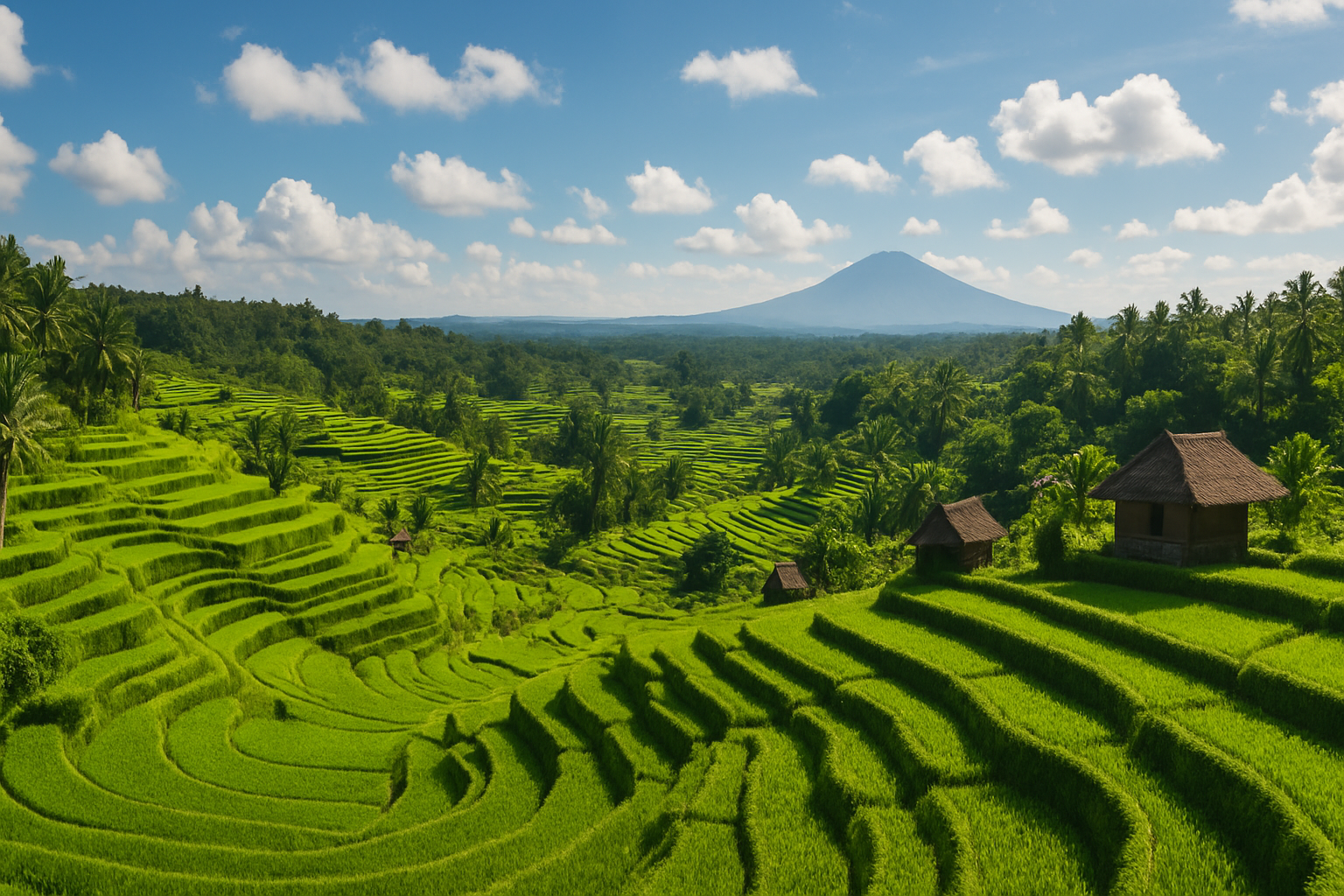
2. Combining beaches, nature, and culture. In Indonesia, it's easy to create an itinerary where, in a few days, you can experience the ocean, rice terraces, waterfalls, volcanoes, and temples. In Java, tourists often visit Borobudur and Prambanan, while in Bali, they visit Tanah Lot, Uluwatu, Tirta Empul, and the Tegallalang terraces.
3. Strong hotel options for different budgets. The country offers simple guesthouses, city hotels for short stops, beach complexes in Nusa Dua, and private villas in Ubud or Seminyak. This is convenient for tourists who want to combine a few nights by the ocean with staying in the green inland areas of the island.
4. Good opportunities for active recreation. Indonesia is chosen for surfing in Bali and Lombok, snorkeling near the Gili Islands, diving in Raja Ampat, and hiking to the Batur, Bromo, or Ijen volcanoes. The difficulty level varies, so some activities can be planned even without sports training, but considering the weather and safety.
5. Distinctive cuisine and crafts that are easily incorporated into the journey. Tourists should try nasi goreng, mie goreng, satay, gado-gado, rendang, bakso, Balinese duck betutu, and spicy sambal. For shopping, popular items include batik, silver from Celuk, wooden crafts, coffee, spices, natural cosmetics, and ceramics.
When to Visit Indonesia
The climate in Indonesia is predominantly equatorial and tropical, so it is usually warm throughout the year: air temperatures often stay around 27–32 degrees, and the water near popular islands is heated to approximately 27–29 degrees. The most convenient period for Bali, Lombok, and the Gili Islands usually lasts from May to October, when there is less rain, lower humidity, and it's more comfortable to plan beaches, excursions, and mountain trips. However, the weather can vary depending on the island, so for remote regions, it's worth checking the forecast separately.
The dry season is best suited for families with children, couples, and tourists who want to spend more time by the ocean. June, September, and the first half of October are often more comfortable than July and August because hotel demand may be lower, and the heat is not as exhausting. July and August are considered high season: popular beach areas, excursions, and hotels in Nusa Dua, Seminyak, Ubud, and the Gili Islands should be booked in advance.
The wet season usually falls from November to March or early April, but this does not mean continuous rain from morning to evening every day. Often, the showers are short but intense, waves are possible, the water may be murkier at some beaches, and humidity is higher. This period may suit a calm journey, wellness programs, shopping, gastronomy, villa living, or a combined tour focused on Ubud, Yogyakarta, and cultural sites, but beach vacations should be planned flexibly.
Monthly guidance is as follows: May and June often provide a good balance of weather and price, July and August are suitable for classic beach tours, September and October are good for couples, excursions, and quieter relaxation. November and December can be unstable, but the New Year period is still popular due to holidays and winter vacations. January and February are usually wetter, March gradually transitions to drier weather, and April often becomes a transitional month when active routes and beaches can be considered.
The Best Hotels in Indonesia
For beach vacations in Bali, tourists often choose Nusa Dua because this area has organized resort infrastructure, large hotel territories, and a calmer pace compared to Kuta or Canggu. "Melia Bali" in Nusa Dua is suitable for those who want a classic resort format with access to a beach zone and convenient location in a tourist area. It is worth considering for families and couples who value predictability, green surroundings, and the option not to leave the resort every day.
"Apurva Kempinski Bali," located in Nusa Dua, belongs to the luxury segment. The hotel is suitable for romantic getaways, wedding trips, and tourists seeking high service levels in Bali. Before booking, it is important to check the room category, dining conditions, and seasonal price, as costs can rise significantly during peak periods.
"Ayana Resort Bali" in Jimbaran is often considered for a peaceful vacation with a beautiful coastal location and convenient distance to the Bukit Peninsula. Jimbaran suits couples and tourists who want to combine a resort format with evening seafood restaurants by the bay. This area is less bustling than Kuta but may not be the best choice for active nightlife.
For Ubud, it is worth considering not beach hotels but natural hotels and villas amidst greenery, rice fields, or river valleys. "Padma Resort Ubud" in the Payangan area suits those who want peace, nature, and a convenient base for trips to temples, terraces, and waterfalls. Ubud is better planned for 2–4 nights as part of a combined itinerary since you need to travel to the ocean from here.
In Jakarta, hotels are often needed for transit, business trips, or a short stop before flying to other islands. "Hotel Indonesia Kempinski Jakarta" is located in the city center and suits tourists who value urban infrastructure, shopping centers, and ease of movement. For a beach tour, the capital is not the main choice but can be a useful point on the route to Java, Sumatra, or further to the eastern islands.
The Best Resorts and Cities in Indonesia
Bali is the most convenient destination for a first trip to Indonesia because it combines beaches, hotels, restaurants, excursions, and relatively understandable logistics. Nusa Dua suits families and tourists who want a calmer resort vacation, while Seminyak and Canggu are more oriented towards cafes, surfing, evening life, and villas. For excursions in Bali, plan to visit the Uluwatu Temple, Tanah Lot, Tirta Empul, Tegallalang terraces, and hike to Mount Batur, if physical condition permits.
Ubud is not a beach resort, but it is one of Bali's most important areas for culture, nature, and a slower pace. People come here for rice terraces, art workshops, traditional dances, the Monkey Forest, and nearby temples. Ubud is well combined with Nusa Dua or Jimbaran: first, a few days in the island's green center, then rest by the ocean.
Lombok is suitable for those who want a less urbanized beach destination and natural landscapes without the density of tourists found in Bali. The Senggigi area is convenient for a peaceful vacation, and Kuta in Lombok is known for its beaches, surfing, and trips to the southern coast bays. From Lombok, it's easy to plan trips to the Gili Islands, known for snorkeling, car-free walks, and boutique hotels.
Yogyakarta in Java is an excursion city, not a seaside resort, but for Indonesian culture, it is one of the best destinations. It's convenient to visit the Buddhist complex Borobudur and Hindu Prambanan from here, as well as the sultan's palace and the Malioboro area. Yogyakarta should be added to the itinerary for those who want to see historical Java, not just beach Bali.
Labuan Bajo on the island of Flores is the base for trips to the Komodo National Park, Padar Island, and pink beaches. This is a destination for active tourists who are ready for sea trips, early departures, and weather-dependent routes. The area is very interesting for diving and snorkeling, but hotels and logistics should be booked in advance, especially in the high season.
Raja Ampat in West Papua is one of the strongest destinations for the underwater world, but it requires time, budget, and careful planning of flights. People come here not for a classic resort vacation but for diving, snorkeling, remote islands, and living in a natural environment. For a first short trip, this region may be challenging, but for experienced travelers, it offers a completely different scale of Indonesia.
Nature in Indonesia
Indonesia's nature is very diverse: beaches with white, golden, and dark volcanic sand, coral reefs, jungles, rice terraces, crater lakes, and active volcanoes. In Bali, tourists often see a combination of the ocean, green valleys, and cliff-top temples, while in Java, the itinerary may include the Bromo and Ijen volcanoes. In Sumatra and Kalimantan, the main interest is linked to tropical forests and wildlife, but such trips require more preparation.
The sea in Indonesia is not the same everywhere for swimming, so beach choice is important. Nusa Dua and Jimbaran in Bali are usually more comfortable for peaceful beach relaxation, while Kuta, Canggu, and part of the Bukit coast are better known for waves and surfing. On the Gili Islands, snorkeling and clear water are popular, but the coral bottom requires caution and comfortable footwear for entering the water.
Active recreation should be planned considering the season and physical fitness. The ascent to Batur often begins before dawn, trips to waterfalls may take place on slippery paths, and sea trips to Komodo depend on waves and wind. For diving, it's better to choose proven centers, and for trekking, local guides, especially in volcano areas and remote islands.
Shopping in Indonesia
In Bali, it's convenient to combine shopping with relaxation, especially if you stay in Seminyak, Kuta, Ubud, or Nusa Dua. At the "Beachwalk" shopping center in Kuta, tourists find clothing, cosmetics, accessories, and cafes near the beach area, while "Seminyak Village" is suitable for designer shops and light urban shopping. For larger purchases in a comfortable format, consider "Mal Bali Galeria," where it's convenient to hide from the heat or rain.
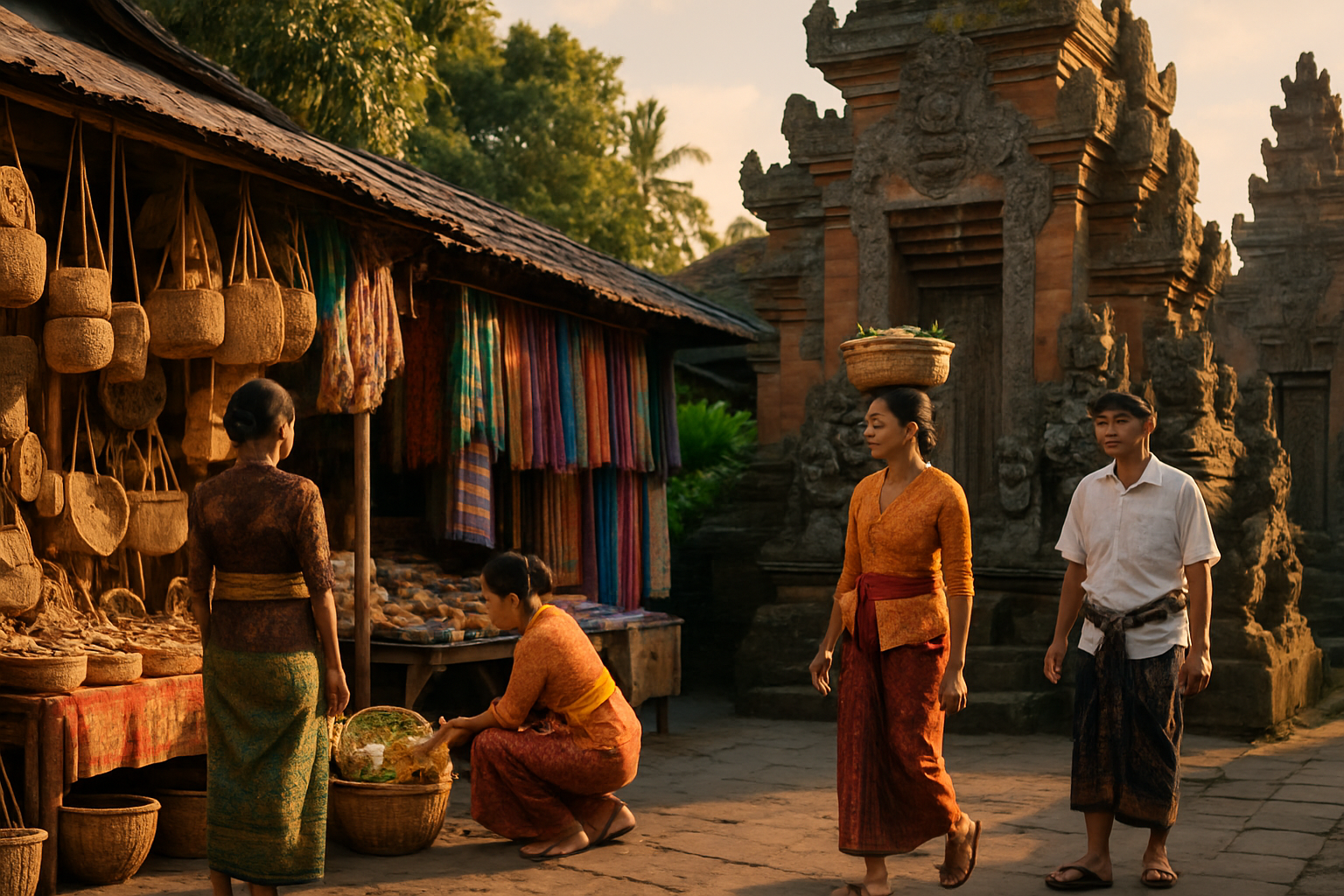
For local crafts, it's better to go to markets and craft areas. The Ubud Art Market is suitable for textiles, bags, decor, and small gifts, but prices often depend on bargaining skills. The Sukawati Market is known for handmade items, paintings, wooden objects, and textiles, so it's worth considering for those who want to buy not only magnets but also home items.
In Jakarta, shopping is more urban and large-scale: "Grand Indonesia" and "Plaza Indonesia" are suitable for brands, restaurants, and comfortable shopping. In Yogyakarta, tourists should walk along Malioboro Street, where batik, sweets, coffee, spices, and small souvenirs are sold. For gastronomic purchases, pay attention to coffee from Bali, Java, or Sumatra, spices, sambal, coconut sweets, and local teas, but it's better to buy products in factory packaging.
What Souvenirs to Buy in Indonesia
The most practical souvenirs from Indonesia are textiles and handmade items. Batik from Java, ikat fabrics, sarongs, and light clothing made of natural materials are easy to transport and use after the trip. Before purchasing, check the quality of dyeing, seams, and fabric composition, as both handmade and mass-produced items are sold side by side in tourist markets.
For the home, people often buy wooden statuettes, woven baskets, ceramics, masks, paintings, and rattan products. Bali is known for its craft areas, especially Ubud and its surroundings, while silver jewelry is often sought in the Celuk area. If you plan to bring wooden or natural materials, it's better to choose ready-made souvenirs from the store and keep the receipt to avoid questions at customs.
Gastronomic gifts are also popular: Balinese coffee, Javanese coffee, nutmeg, cinnamon, cloves, vanilla, sambal sauces, and coconut sweets. Kopi luwak is found in tourist shops, but before purchasing, consider the ethics of production and the seller's reputation. Cosmetics based on coconut oil, aloe, spices, and flower oils are better bought in specialized stores, not from open stalls under the sun.
Festivals in Indonesia
In Bali, the most important festival for tourist planning is Nyepi, or the Day of Silence, which usually falls in March but the date varies according to the Balinese calendar. On this day, movement on the island is significantly restricted, usual infrastructure does not operate, and the airport may not accept flights. Tourists should consider Nyepi when booking, as it is a unique cultural experience but not a day for excursions and transfers.
Galungan and Kuningan are important Balinese festivals associated with temples, family rituals, and decorated bamboo poles along roads. The dates are movable, so they need to be checked before the trip, but during this period, there are noticeably more ceremonies and local movement on the island. This is interesting for tourists to observe the culture, but near temples, one should behave modestly and follow clothing rules.
In Java, Vesak near Borobudur is worth attention, usually celebrated in spring or early summer depending on the calendar. During Ramadan and the end-of-fasting festival, often called Lebaran in Indonesia, domestic tourism increases sharply, tickets and hotels may be more expensive, and transport more crowded. Independence Day on August 17 is celebrated throughout the country with local events, flags, and festive activities, which can be an interesting addition to the trip.
New Year in Indonesia
New Year in Indonesia is popular among tourists, although for Bali, Lombok, and most classic destinations, it is the wet season. The temperature remains warm, the ocean doesn't get cold, but short showers, high humidity, and waves on some beaches are possible. If the main goal is to sunbathe daily without weather pauses, the dry season will be more reliable, but for a festive trip, December and January still have high demand.
In Bali, the New Year's atmosphere is most active in Seminyak, Canggu, Kuta, and part of Jimbaran, where restaurants, beach venues, and hotel dinners operate. Nusa Dua is better suited for a family and calmer format, while Ubud is for those who want to celebrate among greenery, yoga, spa, and intimate restaurants. During this time, it's worth booking not only the hotel but also domestic flights, transfers, and festive dinners in advance.
For a New Year's tour, it's important to choose the area based on the style of vacation, not just the beautiful beach photos. Kuta and Canggu can be noisy and crowded, Seminyak more expensive and active, Nusa Dua calmer but with less diverse evening life. If you want to combine festivities with excursions, you can add Ubud or Yogyakarta, but transfers should better not be scheduled for December 31 or the first days of January.
Medicine in Indonesia
In major tourist areas of Bali, Jakarta, and parts of large cities, medical assistance is generally available, but on remote islands, the service level can be much simpler. For a trip to Indonesia, it's essential to have travel insurance that covers active recreation, motor transport, diving, or trekking if such activities are planned. Before purchasing a policy, read the exclusions carefully, as many adventure activities are not included in basic coverage.
The main risks for tourists are related to heat, sun, dietary changes, humidity, mosquitoes, and road traffic. It's better to buy bottled drinking water, choose ice in drinks only in reputable establishments, and try unusually spicy dishes gradually. Sunscreen, a hat, mosquito repellent, antiseptic, and a basic travel kit will be useful even on a short tour.
Vaccinations and medical requirements may depend on the itinerary, duration of travel, and current rules, so before departure, consult a doctor or check official recommendations for travelers. In tropical countries, there may be seasonal outbreaks of mosquito-borne diseases, particularly in regions outside tourist centers. It is not advisable to self-medicate for serious disease prevention without consulting a specialist.
Customs Regulations in Indonesia
Before traveling to Indonesia, check current customs regulations, as requirements for declarations, imports, and electronic forms may change. Generally, tourists can bring personal items for personal use, electronics, clothing, and necessary goods within reasonable limits, but new expensive purchases or commercial batches may raise questions. For valuable electronics, jewelry, and professional equipment, it's helpful to have proof that these are personal items.
With medicines, be especially careful: medications should be in original packaging, and for prescription drugs, it's advisable to have a doctor's prescription or note. Avoid bringing potent drugs without documentation, as well as any substances whose status may be prohibited in Indonesia. Rules regarding alcohol, tobacco, cash, food products, and purchases have limits, but exact norms should be checked just before the trip.
In Bali and other regions, additional tourist fees or electronic arrival forms may apply, so check them before departure. It is forbidden to export cultural heritage items, rare natural materials, corals, shells, or products made from protected species without the appropriate permits. If you buy antiques, wooden items, or jewelry, keep receipts and check export rules with the seller.
Visa Requirements for Ukrainians
Before traveling to Indonesia, Ukrainian citizens need to check current entry rules, as they may change depending on Indonesian government decisions. For short tourist trips, paid visa formats upon arrival or electronic issuance are often available, but conditions, length of stay, the possibility of extension, and entry points need to be checked before booking. The passport usually needs to be valid for a certain period after arrival, and a return ticket or confirmation of further itinerary may be required.
For the best practice, clarify the rules before purchasing a tour, especially if the itinerary includes multiple countries, transfers, or remote islands. The cost of the visa fee, payment method, and application requirements may change, so do not rely on outdated information from forums. If traveling with a child, separate documents are needed according to border crossing and airline rules.
Tours to Indonesia
Indonesia is best revealed when a tour is tailored to a specific scenario, not just by the country's name. For a first trip, Bali often becomes a convenient choice with accommodation in Nusa Dua, Jimbaran, Seminyak, or Ubud, depending on what is more important: beach, tranquility, restaurants, culture, or nature. For a second visit, consider Lombok, the Gili Islands, Komodo, Yogyakarta, or diving routes, if time and budget allow.
Tours to Indonesia can be beach, family, romantic, excursion, or combined with several islands. The "all-inclusive" format is not widespread and is not the main standard of the country, so in many cases, tourists choose breakfasts and dine in local cafes, restaurants, and hotel facilities. This is convenient in Bali, where there are many places near resorts to try nasi goreng, satay, rendang, gado-gado, Jimbaran seafood, Balinese coffee, and coconut desserts.
Farvater Travel will help you choose tours to Indonesia considering the season, budget, flight, accommodation area, and desired pace of relaxation. For families, it's important to look for calmer beaches and convenient infrastructure, for couples — hotels in Jimbaran, Nusa Dua, or Ubud, for active tourists — surfing areas, volcanoes, diving, and combined routes. If planning a trip for the high season, New Year's dates, or August, early booking often gives more hotel choices and more convenient flight options.
Last-minute tours to Indonesia are possible, but due to distant logistics and limited seat availability on flights, they are not always more advantageous than advance planning. The best approach is to first determine the island and travel format, then choose the area, hotel, and duration, and only after that compare prices. This way, a vacation in Indonesia will not be a random collection of beautiful places, but a thoughtful journey with a comfortable season, understandable logistics, and a resort that truly meets your expectations.