Spain: Vacation, Seasons, Resorts, and Tours - Farvater Travel
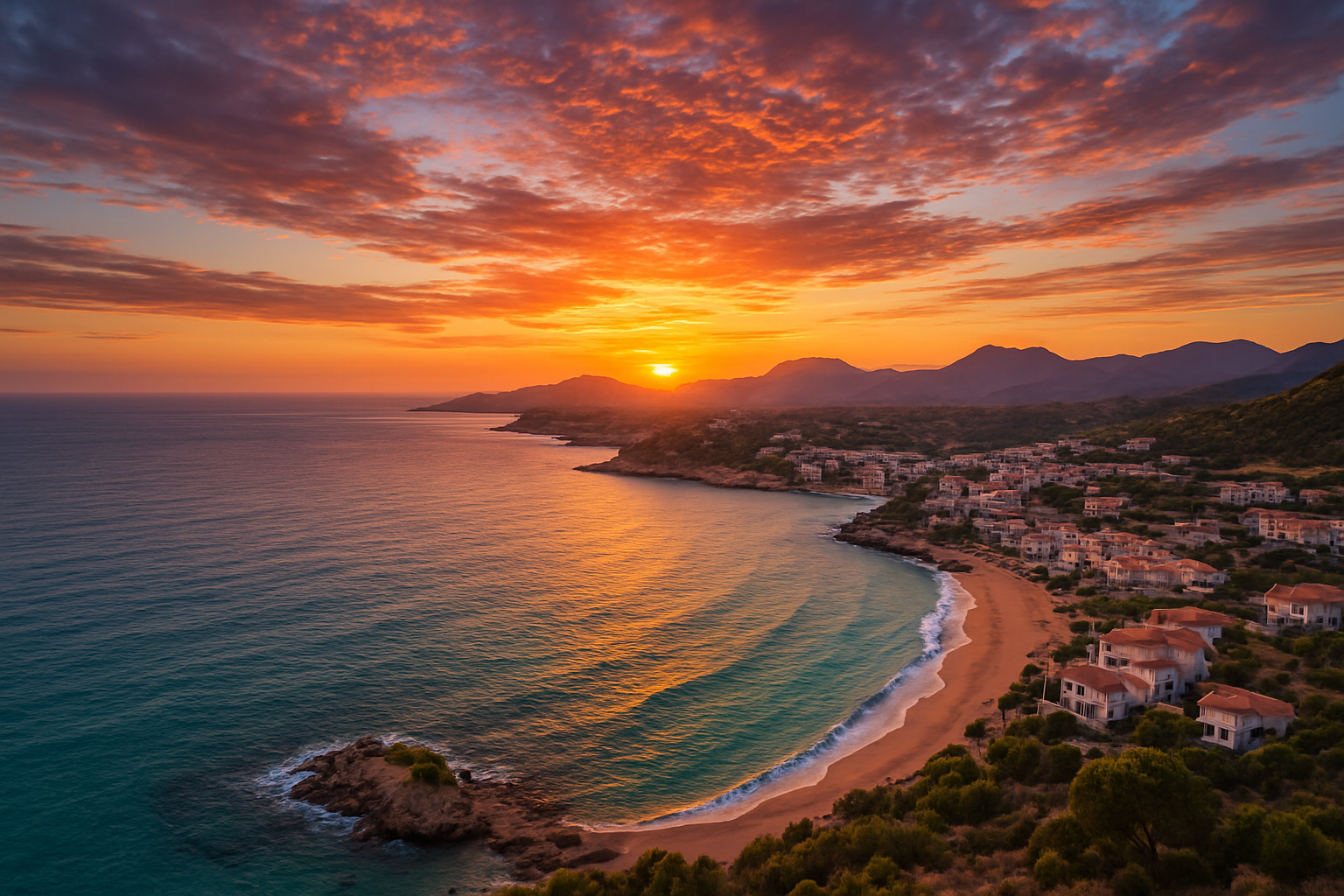
Spain is suitable for various travel formats: from beach vacations on the Mediterranean and Atlantic to vibrant city routes through Barcelona, Madrid, Seville, or Valencia. People come here for the sea, gastronomy, architecture, football culture, museums, islands, and a mild climate throughout much of the year. It is also important for tourists that Spain's resorts are very diverse in character, making the country suitable for family trips, romantic getaways, and combined tours with excursions.
Vacationing in Spain is often chosen by those who want to combine comfortable tourist infrastructure with a great deal of freedom of choice. On the mainland, it's convenient to plan trips between cities using high-speed trains, on the islands, you can easily focus on the sea and hotel, and in the northern regions, you can swap the usual beach scenario for a gastronomic and natural one. This is why tours to Spain are interesting not only in summer but also in spring, autumn, and winter.
If you're considering which country to visit for your first trip to Southern Europe, Spain often becomes a practical choice. You can find short city trips, classic coastal vacations, islands for a more relaxed season, and hotels of various formats—from simple city options to well-known beach complexes. For booking, it's important to choose the right region, as the weather, sea, pace of vacation, and prices can vary significantly depending on the coast and time of year.
5 Reasons to Visit Spain
- Spain offers a wide range of vacation formats within a single country: the beaches of Costa Brava, city trips to Madrid, the Balearic and Canary archipelagos, as well as gastronomic routes through Andalusia or the Basque Country. This is convenient for those who want to select a tour for a specific season and budget.
- The country has a well-developed tourist infrastructure, making it easy to organize travel independently or through package booking. Many tourists appreciate the possibility of combining flights, hotels, transfers, and seaside relaxation in one tour.
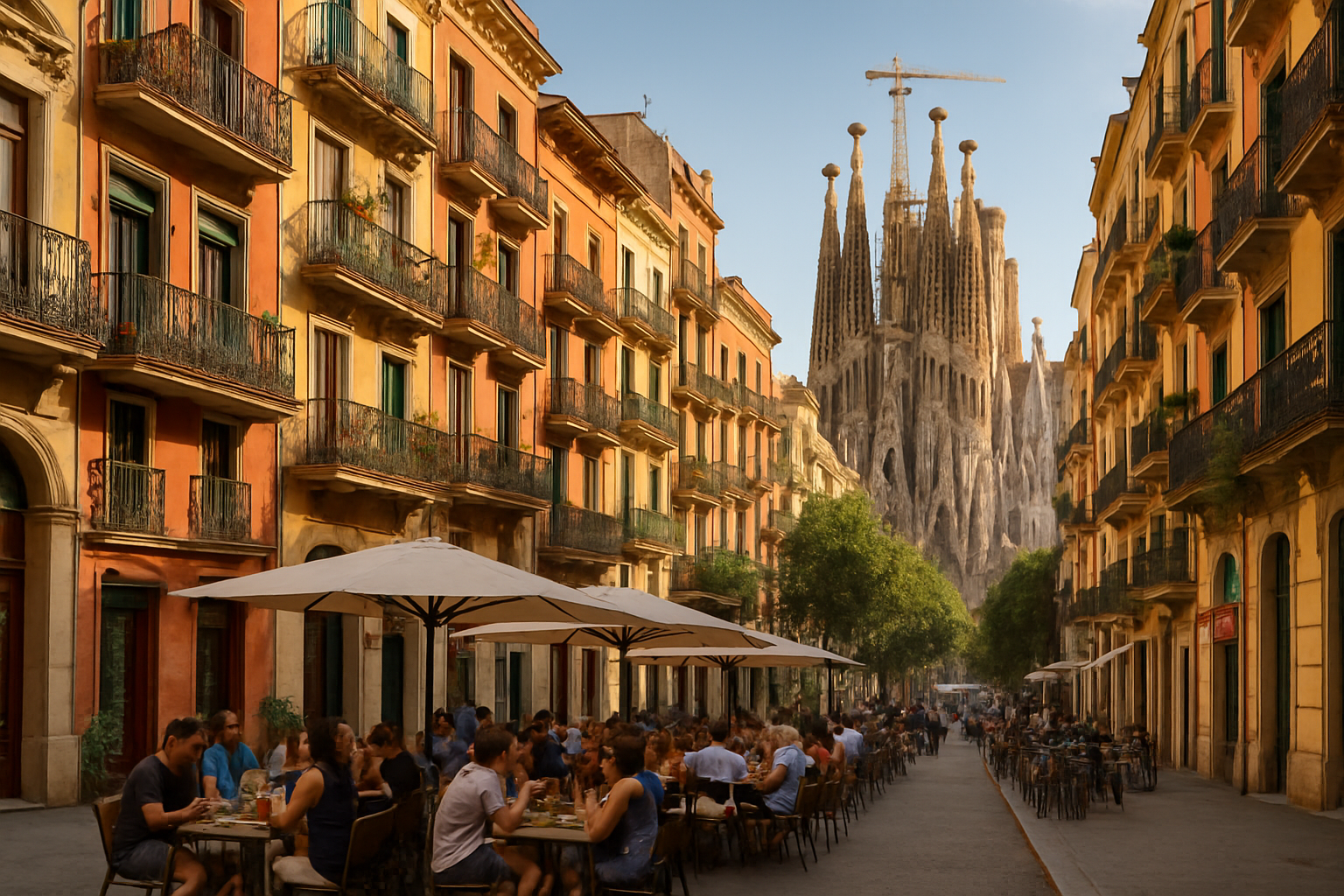
- Spain is strong not only in beaches but also in cultural programs. Gaudí's architecture in Barcelona, museums in Madrid, the historic centers of Seville, Toledo, and Granada make the country interesting even for those who do not plan to spend all their time by the sea.
- The climate in many regions allows for longer travel periods than in other European destinations. On the mainland, the high beach season mainly lasts from June to September, while the Canary Islands are often considered for winter trips.
- Spanish cuisine is convenient for tourists as it is diverse across regions and understandable in terms of products. Tapas, paella, jamón, seafood, cheeses, pastries, and local wines help make the vacation not only about the sea but also gastronomic.
When is the Best Time to Visit Spain
The beach season on mainland Spain usually starts at the end of spring and becomes most stable from June. In June, the Mediterranean resorts often have temperatures around +25...+30 °C, and the water gradually warms up to about +21...+23 °C, making this period suitable for couples, excursion vacations, and families who don't like extreme heat. In July and August, air temperatures at many resorts can remain around +30...+35 °C, and the water is often about +24...+27 °C, making it the most popular beach season but also the busiest in terms of tourists and bookings.
September in Spain is often considered one of the most convenient months for the sea. The water remains warm after summer, and at many resorts, it is still comfortable for swimming, while the daytime heat gradually becomes milder, which is especially convenient for families with children, older tourists, and those who want to combine beaches with city walks. October already depends heavily on the region: in the south and the Balearic Islands, the beginning of the month can still be pleasant for a vacation, while in the north, the weather is cooler and wetter.
Spring is well-suited for excursions, shopping, and trips to major cities. In March and April, it is usually more comfortable to walk in Madrid, Barcelona, Seville, or Valencia than in the height of summer, although the sea for swimming on the mainland is still cool. May is already convenient for a combined trip: you can explore cities, travel along the coast, and catch the first warm days on the beaches, especially in the south.
Winter in Spain is heterogeneous, which makes the country interesting beyond the summer season. In Madrid, Castile, and the northern regions, it can be cool, ski areas operate in the mountains, and winter in Andalusia is much milder and suitable for calm trips without heat. The Canary Islands are considered a separate scenario: here in winter, it is usually warmer than on the mainland, so they are often chosen for winter sun, walks, and relaxation by the ocean, although water temperature and windiness can vary depending on the island and month.
The Best Hotels in Spain
If the purpose of the trip is a city vacation in the capital, tourists often consider the Hotel Riu Plaza España in Madrid. This is a notable option for those who value central location and convenient access to major city routes, museums, and transportation. Such a hotel is primarily suitable for short excursions, weekends, or combined tours without a focus on the beach.
In Barcelona, attention is often drawn to W Barcelona—one of the city's most famous hotels on the coast. It is usually considered by tourists who want to combine a city trip with a seaside atmosphere, although it is important to consider the budget and generally higher accommodation costs in popular areas of Barcelona. For a more classic format of city vacation, hotels in the Eixample district or near Plaza Catalunya are often chosen, where it is more convenient to move without a car.
For a beach vacation on the islands, many look at Iberostar Selection Anthelia in Tenerife and Hard Rock Hotel Ibiza in Ibiza. The former is more often considered for a comfortable family vacation in the Canaries, especially when service and a stable resort format throughout a longer season are important. The hotel in Ibiza is more associated with the active atmosphere of the island, making it suitable for those who choose a combination of the sea, resort rhythm, and vibrant nightlife.
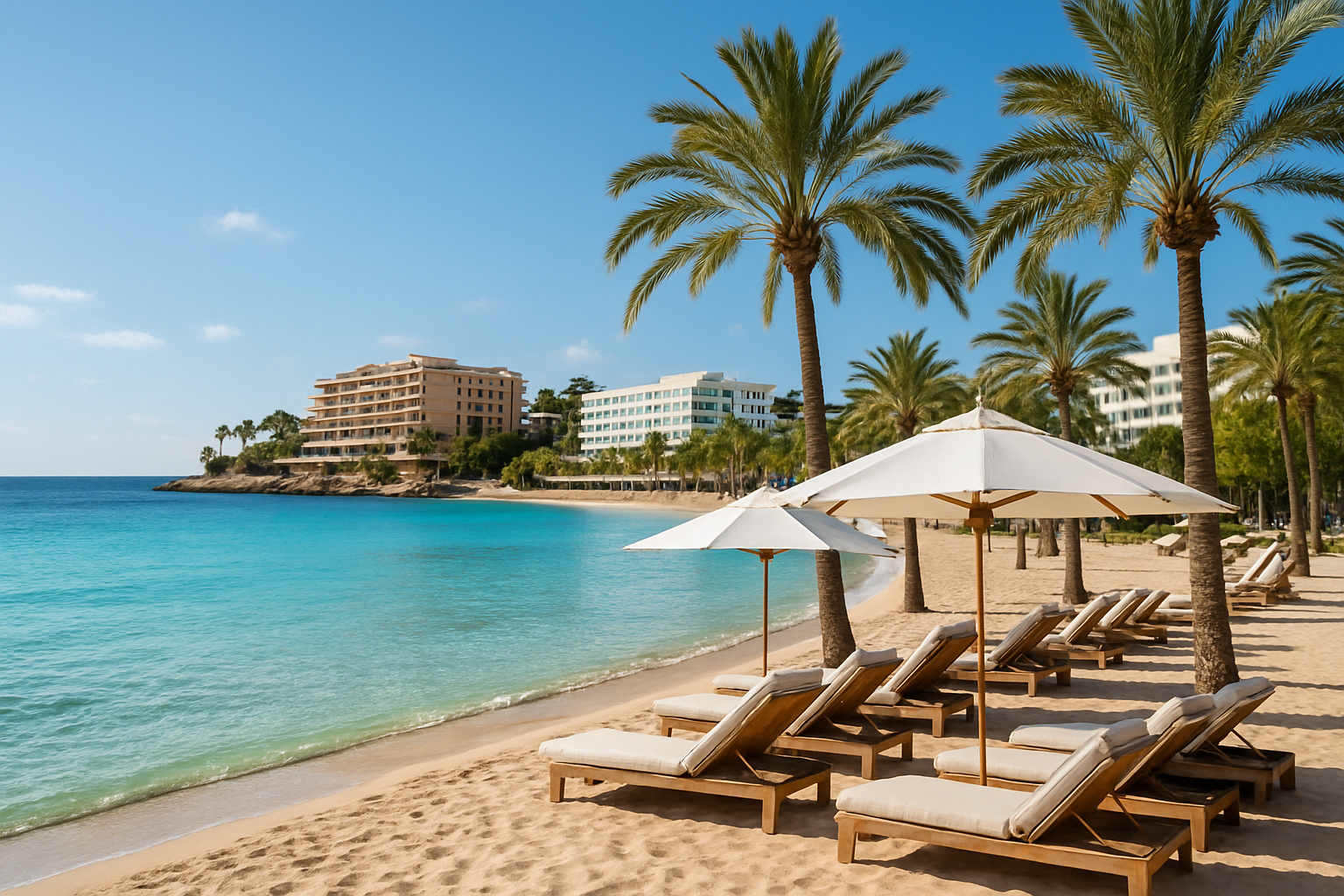
On Mallorca, Cap Rocat is often mentioned among well-known options, usually considered for a more private and romantic getaway. This is a destination for those planning a quieter island tour and ready to book accommodation in advance, especially in the popular season. If a more practical format is needed, on Mallorca, Costa del Sol, and Costa Dorada, many tourists look for family resort hotels closer to the beaches and with convenient infrastructure for family vacations.
The Best Resorts and Cities in Spain
Barcelona is one of the most popular destinations for those who want to combine the sea, architecture, and active city life. It's not a classic format of a purely beach resort, but the city is well-suited for a short trip of 3–5 days, as well as for a combined vacation with outings to the Costa Brava or Costa Dorada coastlines. Tourists should consider that during the season, there are many people and higher hotel prices in central areas.
Madrid is more suited for excursion trips, museums, gastronomy, and shopping than for summer resort vacations. It is often chosen as part of a route through Spain or for a separate city tour in autumn, spring, or winter. If you are interested in major museums, palaces, squares, and city atmosphere without a connection to the sea, Madrid is one of the strongest options.
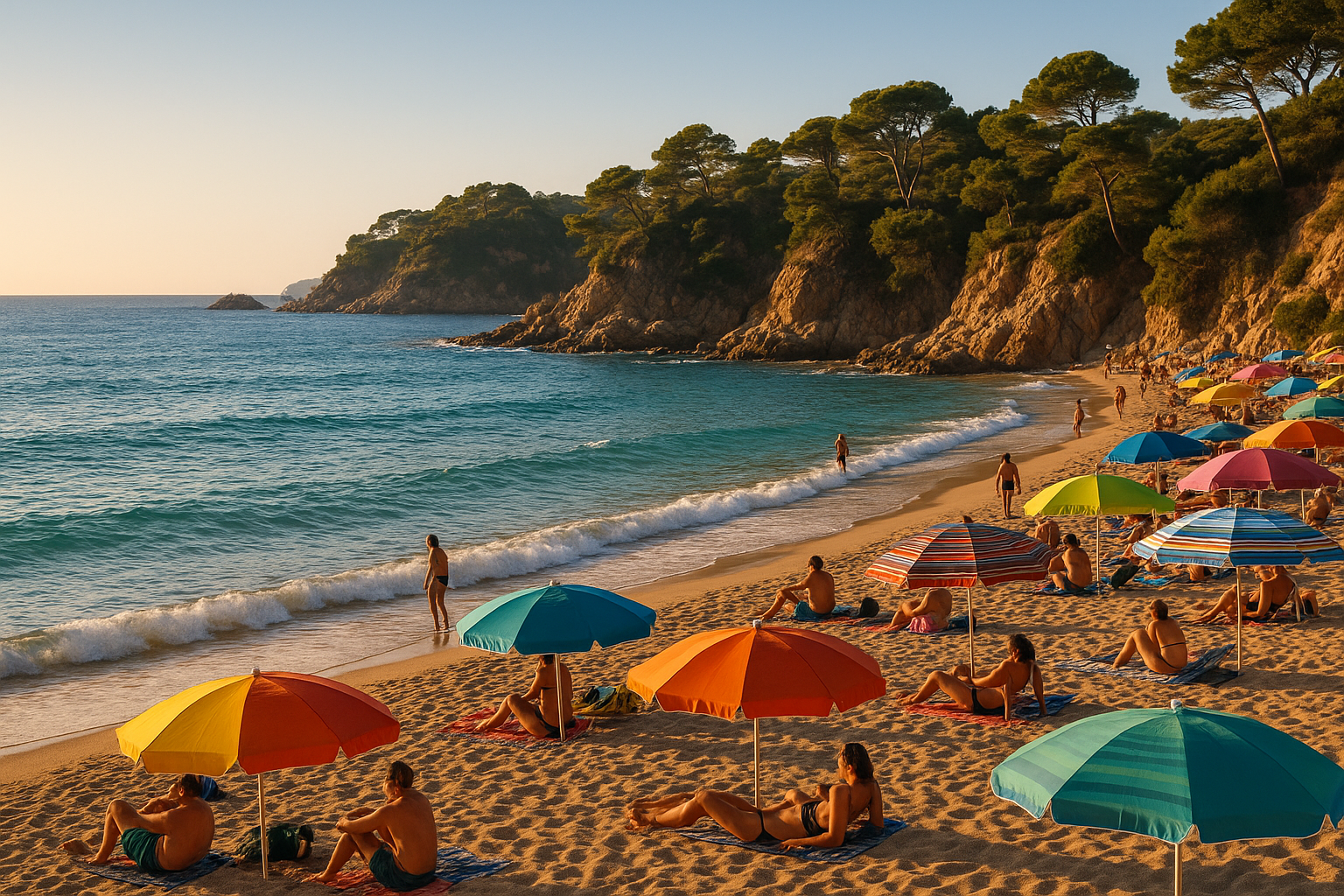
Costa Brava in Catalonia is known for its picturesque coves, rocky coastal areas, and resorts where beach vacations can easily be combined with trips to Barcelona and Girona. This region is often suitable for couples and those who want a more expressive coastal landscape than on flat sandy coastlines. For families with children, those resort areas are more often considered where there is a more convenient entry into the water and calmer coastal infrastructure.
Costa Dorada and the Salou area are popular among family tourism. Here it's convenient to plan a summer vacation with children thanks to the beach format, gentler entry into the sea on many sections of the coast, and good connections with Barcelona. Costa Dorada is often chosen by those who need a classic package holiday with a hotel by the sea.
Costa del Sol in Andalusia is suitable for a longer season and combining beaches with trips to Malaga, Marbella, Ronda, Granada, or Seville. The region is often considered by tourists who want more sunny days and convenient access to Andalusian cities. For couples and travelers without children, this direction is also interesting due to the restaurant culture and the possibility of renting a car for coastal routes.
The Canary Islands are a separate option for those who look at Spain not only as a summer destination. Tenerife, Gran Canaria, Lanzarote, and Fuerteventura are suitable for vacations in different months of the year, but each island has its own character: somewhere beaches are more important, somewhere landscapes, somewhere surfing, or a calmer format. For winter travel, the Canaries are often more practical than mainland Spanish resorts.
Nature in Spain
Spain's nature greatly influences the choice of vacation format, so the country should not be viewed only as a beach destination. On the Mediterranean, sandy coastlines, coves, and warmer summer waters attract tourists, while the Atlantic coast offers a different vibe—more wind, waves, and cooler water. This is why Mediterranean resorts are more often chosen for calm swimming, and the north and Canary Islands for surfing and natural routes.
Mountain regions also play a significant role in Spanish tourism. The Pyrenees in the northeast and Sierra Nevada in Andalusia are interesting not only in winter but also for trekking, nature trips, and changing the sea scenario. This format of vacation suits those who don't want to spend the entire holiday on the beach and are ready to combine the sea with active walks.
The islands of Spain offer even more natural diversity. Mallorca is known for its combination of beaches and the Serra de Tramuntana mountain range, Tenerife for volcanic landscapes and Teide National Park, and Lanzarote for almost cosmic lava landscapes. Because of this, tours to the islands are often chosen not only for the sea but also for the landscapes, routes, and photo journeys.
Shopping in Spain
Shopping in Spain is convenient because it can easily be incorporated into almost any itinerary. For major purchases, tourists often choose Madrid and Barcelona, where there are shopping streets, department stores, local brands of clothing, shoes, accessories, and home goods. In resort towns, shopping is usually more seasonal: beachwear, cosmetics, products, delicacies, and things for relaxation.
Many are interested in sale periods when you can buy items from well-known Spanish brands more advantageously than in the high season without discounts. At the same time, in popular tourist areas near attractions, prices are often higher, so for clothes and everyday purchases, it's more practical to move away from the most crowded zones. If a tax refund from purchases is planned, it's better to check the conditions before paying directly in the store.
A separate format of shopping in Spain is gastronomic. Markets, gastronomic shops, and food departments in department stores are suitable for buying jamón, cheeses, olive oil, spices, canned seafood, and sweets. This is convenient for those who want to bring home not decorative souvenirs but items truly connected with everyday Spanish culture.
What Souvenirs to Buy in Spain
The most practical souvenirs from Spain are often related to gastronomy. Tourists bring olive oil, jamón in a format allowed for transportation, cheeses, saffron, paprika, turrón, cookies, and local sweets. This choice is convenient because the souvenir not only reminds you of the trip but also conveys the regional tastes of the country.
Among household items, ceramics, textiles, napkins, tablecloths, decorative plates, and handmade products are popular. In Valencia, Andalusia, and the islands, you can find products with expressive local motifs, but it's better to look for them not only in tourist shops near central squares. If quality is important, pay attention to small workshops and specialized stores.
For gifts, cosmetics based on olive oil, local wines, or drinks from specific regions are often chosen. Before buying alcohol or food products, it's better to consider customs rules and transportation conditions in luggage. This is especially important if several flights or transfers are planned.
Holidays in Spain
Spain is known for large city festivals, religious processions, and summer festival seasons, which affect travel as much as the weather. Some of the most famous events are Semana Santa in Andalusia, the San Fermín festival in Pamplona, Las Fallas in Valencia, and numerous local fiestas in summer. During these periods, cities become especially lively, but hotels, transport, and popular restaurants need to be booked earlier.
For tourists, holidays are not only a cultural program but also an organizational factor. On days of major events, there may be street closures, higher demand for accommodation, and longer queues for attractions or transport. If the trip is planned specifically for the festive atmosphere, it's better to stay closer to the center of events, and if peace is important, choose dates outside peak festivals.
Summer in Spain is often accompanied by a large number of regional holidays, concerts, and open-air city events. This adds activity to resorts, but in August, be prepared for especially high domestic demand, as Spaniards themselves travel actively at this time. For booking tours on popular dates, it's better not to postpone the decision until the last moment.
New Year in Spain
A New Year's trip to Spain is suitable for those who want a festive city atmosphere, Christmas markets, illumination, and a milder winter than in some other European countries. Madrid, Barcelona, Seville, Valencia, and Malaga are interesting for walks, shopping, and a short break for a few days during this period. At the same time, on the mainland, it is not a beach season, so it's better to plan the trip as a city or excursion one.
For those who want more sun in winter, the Canary Islands are more often considered. Here, a New Year's vacation can combine the ocean, walks, milder air temperatures, and a calmer rhythm than in the big cities of mainland Spain. But precisely because of the winter demand for warm destinations, flights and hotels in the Canaries should be booked in advance.
The festive period in Spain has its traditions, and tourists will enjoy taking into account the local rhythm. On New Year's Eve, central squares, festive dinners, and advance restaurant bookings are popular, while in the Christmas season—markets, shop windows, and gift shopping. For a comfortable trip, it's better to decide in advance whether a city format or a more relaxed island vacation is needed.
Medicine in Spain
Medical assistance in Spain is generally considered high-quality, and in tourist regions, pharmacies, private clinics, and emergency services work well. For travel, it's worth obtaining medical insurance, as even in simple situations like a doctor’s visit or clinic consultation, expenses without a policy can be significant. This is especially important for families with children, older tourists, and those planning active vacations.
In summer, the main practical issues are related to heat and sun. In the south and part of the Mediterranean resorts, temperatures can be very high, so it's worth monitoring hydration, using sun protection, and planning long walks not at noon. On the islands and on the coast with wind, the sun may also feel stronger than the temperature suggests.
The travel first-aid kit usually includes personal medications, allergy remedies, digestive disorder treatments, band-aids, and basic medications that the tourist uses regularly. If there are prescription medications, it's better to have them in the original packaging and, if necessary, take confirmation of prescription. In terms of water and food, Spain is usually comfortable for tourists, but in the heat and during active travel, it's better not to experiment immediately with a large amount of heavy food.
Customs Regulations in Spain
During a trip to Spain, it's worth checking the current customs regulations in advance regarding the import of currency, alcohol, tobacco products, medications, technology, and products. For personal belongings of a tourist, standard conditions usually apply, but for commercial quantities or specific categories of goods, there may be restrictions. Special attention should be paid to animal products, medications, and expensive purchases.
If you plan to bring prescription medications, it's useful to have documents confirming their personal use. For electronics, jewelry, or expensive items taken on a trip and returned back, sometimes it's advisable to keep receipts or other proof of origin. Rules can change, so before departure, it's better to clarify them with the airline and official border resources.
Visa Regulations for Ukrainians
Spain is part of the Schengen Zone, so Ukrainian citizens usually can travel without a visa for a short term with a biometric passport—generally up to 90 days within 180 days. However, before the trip, it's necessary to check the current entry rules, as they may change depending on current requirements. For booking a tour, it's also important to monitor the rules regarding documents, accommodation confirmation, return tickets, and insurance.
If a longer stay, study, work, or other non-tourist format of trip is planned, separate conditions apply. These need to be clarified before purchasing tickets and final hotel booking. For a regular tourist trip, the main thing is to have a valid biometric passport, medical insurance, and verified current requirements on the date of departure.
Tours to Spain
Spain is well-suited for those who want to choose between different vacation scenarios without changing countries. Here you can pick beach tours on Costa Dorada, Costa del Sol, or the islands, city trips to Barcelona and Madrid, romantic routes through Mallorca or Andalusia, as well as family vacations in resort regions with a more predictable summer season. For winter dates, the Canary Islands deserve special attention, and for the off-season, excursion cities and combined routes.
When choosing a tour to Spain, it's important to consider not only the budget but also the season, type of coast, travel composition, and desired rhythm. Some may prefer early summer bookings with a focus on hotels by the beach, some—a short city break, and others—last-minute tours to the islands or a combined trip with several stops. On Farvater Travel, it's convenient to choose exactly the format of vacation in Spain that matches the season, resort, type of hotel, and expectations from the trip.