Italy: Holidays, Seasons, Resorts, and Tours - Farvater Travel
Italy is suitable for various travel formats: from beach holidays on the Adriatic, Tyrrhenian, or Ionian coasts to short sightseeing trips to Rome, Florence, or Venice, from the winter season in the Alps to gastronomic routes through Tuscany, Emilia-Romagna, and Campania. Tourists come here not only for the sea and attractions but also for the understandable logic of relaxation: each region has its own character, cuisine, rhythm, and tourist season. That is why Italy is often considered not as a single trip but as a country to return to several times.
For families, seaside resorts with gentle water entry and longer beaches are convenient, for couples — lakes, historical cities, and southern islands, for active travelers — the Dolomites, the Amalfi Coast, and national parks. It is also important that the choice of hotels in Italy greatly depends on the region: on the islands and sea, resort complexes are often booked, in large cities — compact urban hotels, in wine regions — countryside villas and farmsteads. Before booking a tour, it is useful to decide not only on the budget but also on the purpose of the trip, as the beach season, sightseeing holiday, and ski resorts here operate on different calendars.
5 Reasons to Visit Italy
1. Italy offers a wide choice of holiday formats within one country: sea, lakes, mountains, historical cities, islands, and thermal resorts. This is convenient for those who want to combine beaches, excursions, and gastronomy in one trip.
2. The country has a very strong regional diversity. Sicily, Sardinia, Tuscany, Veneto, or Campania differ not formally, but really — in landscapes, climate, cuisine, architecture, and type of rest.
3. Italy is suitable for both short tours and longer routes. It is convenient to fly here for a few days for Rome or Milan, but it is equally logical to plan a two-week vacation with the sea, trips to neighboring cities, and accommodation in different regions.
4. There is a strong gastronomic component to the journey here. The difference between the cuisine of the north and the south is noticeable even in basic dishes, and local products often become an independent reason to choose this region for a holiday.
5. Italy is interesting throughout the year. In summer, tourists choose beach resorts, in spring and autumn — cities and wine regions, in winter — the Alps, New Year trips, and cultural routes without the summer heat.
When to Visit Italy
The most popular beach season in Italy usually lasts from June to September, but exact conditions depend on the coast and island. In June, most resorts are already warm, with air often staying around +24...+29 °C, and the sea gradually warming to comfortable levels. July and August are the high season with the warmest water, the highest demand for hotels, and busier beaches, especially on the Adriatic, in Rimini, Sicily, and Sardinia.
For families with children, the most convenient months are often late June, July, and early September when the sea is already warm and the resort infrastructure is fully operational. For couples and tourists who want fewer crowds and a calmer rhythm, May, June, September, and October are often more suitable, especially for Tuscany, Lake Como and Garda, the Amalfi Coast, and sightseeing cities. Spring and early autumn are also convenient for shopping, walking, and trips between regions when the heat is not as exhausting.
From November to March, Italy becomes completely different in terms of travel character. For beach holidays, this is not the season, but in the Alps and Dolomites, ski resorts are operational, and cities like Rome, Turin, Bologna, or Florence attract those who want more museums, architecture, and less exhausting walks. In April and October, the weather can vary depending on the region: in the south, it is still or already warm, while in the north, it is cooler, so before booking a tour, it is worth checking the forecast for the chosen coast or city.
The Best Hotels in Italy
In Rome, tourists often pay attention to Hotel Quirinale, Hassler Roma, and Hotel de Russie. These are famous city hotels for those who plan a sightseeing holiday, want to live closer to historical quarters, or choose a trip with an increased level of comfort. In the capital, not only the hotel's name is important, but also its location, as the difference between staying in the center and on the outskirts significantly affects the pace of travel.
For water and northern region vacations, Grand Hotel Tremezzo on Lake Como, Aman Venice in Venice, and Belmond Hotel Cipriani in Venice are often considered. Such options are more suitable for a romantic trip, special dates, or a combined tour with a cultural program. In Venice and on the lakes, booking in advance is especially important because popular dates are quickly chosen, and the choice of rooms with good logistics is limited.
If the main goal is the sea or island vacation, tourists often look not only at individual hotels but also at the residential area. In Sardinia and Sicily, many choose resort hotels on the coast, and in Tuscany and Umbria, countryside villas and farmsteads are popular for a peaceful vacation with a car. In the Dolomites and alpine resorts, it makes sense to book hotels closer to the lifts or in towns with convenient winter infrastructure if the trip is planned specifically for the ski season.
The Best Resorts and Cities in Italy
For beach holidays on the mainland, one of the most famous destinations remains Rimini. It is a convenient resort for families, companies, and those who want long sandy beaches, understandable tourist infrastructure, and many accommodation options. If a combination of sea and city walks is needed, it is also worth looking at the coast near Venice or Apulia.
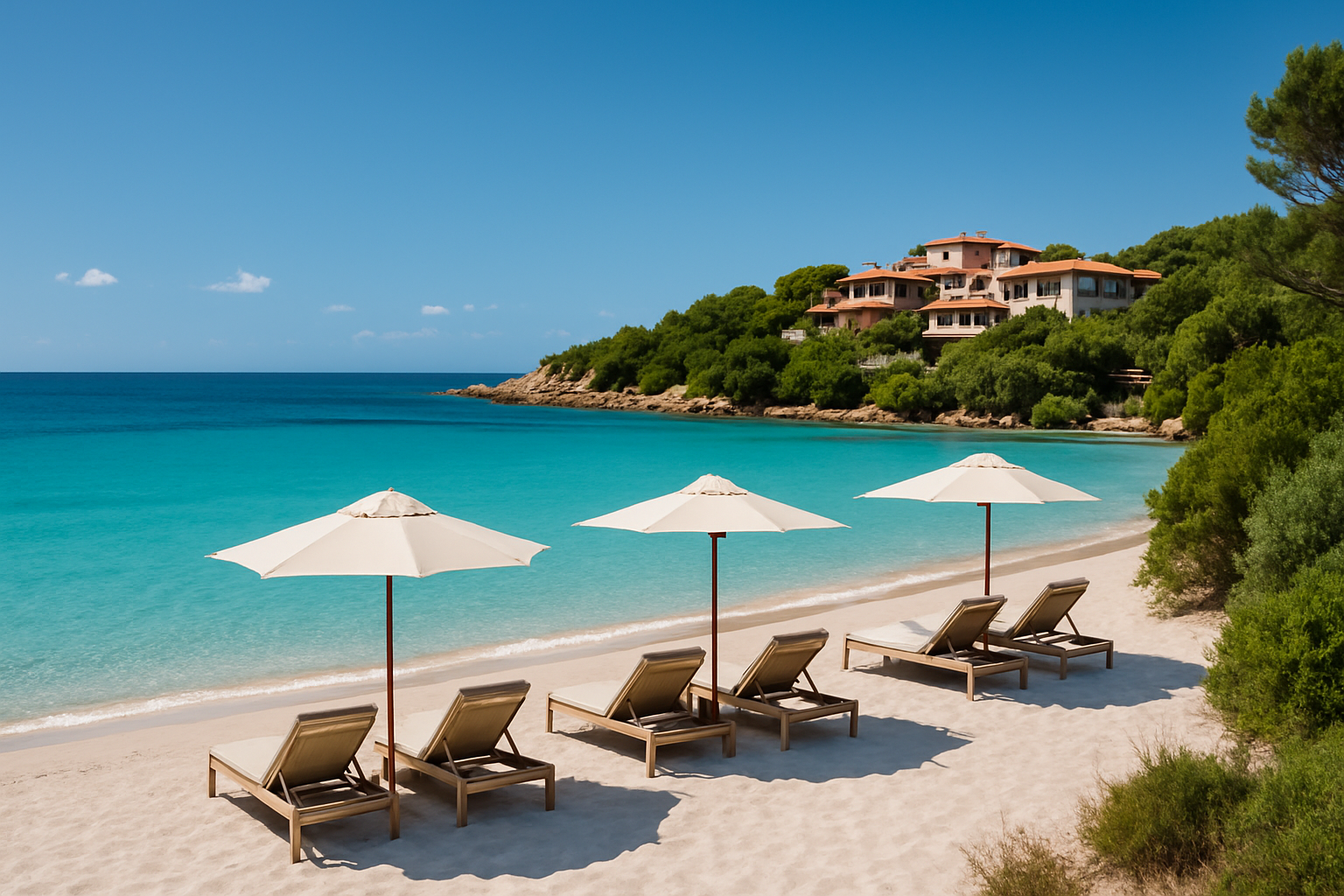
Sardinia and Sicily are suitable for those who put the sea and beaches first. Sardinia is often chosen for its clear water, picturesque bays, and more resort format, while Sicily is chosen for the combination of sea, historical cities, archaeological sites, and distinctive cuisine. For couples and travelers who want beautiful panoramas and island trips, these are some of the strongest options in Italy.
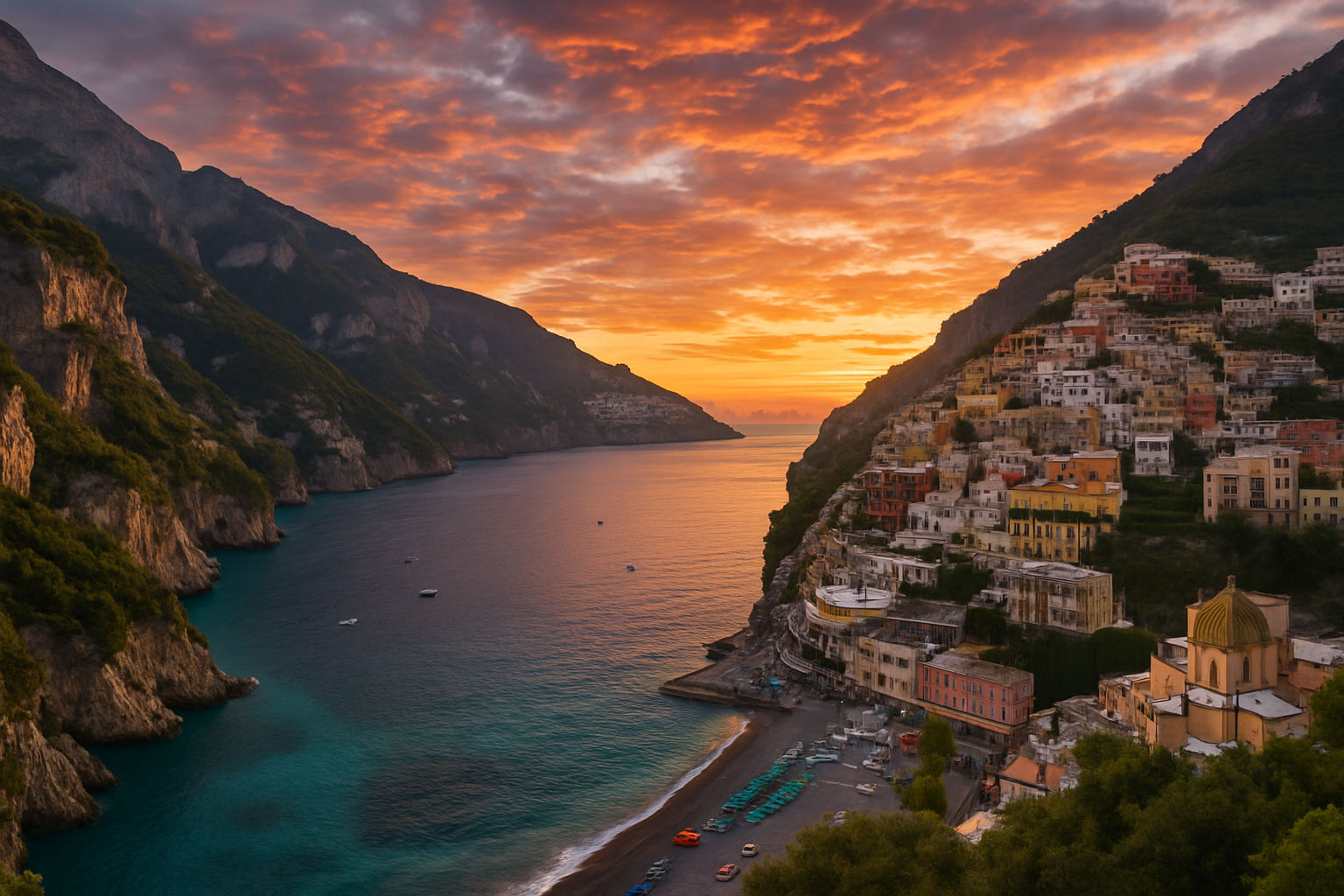
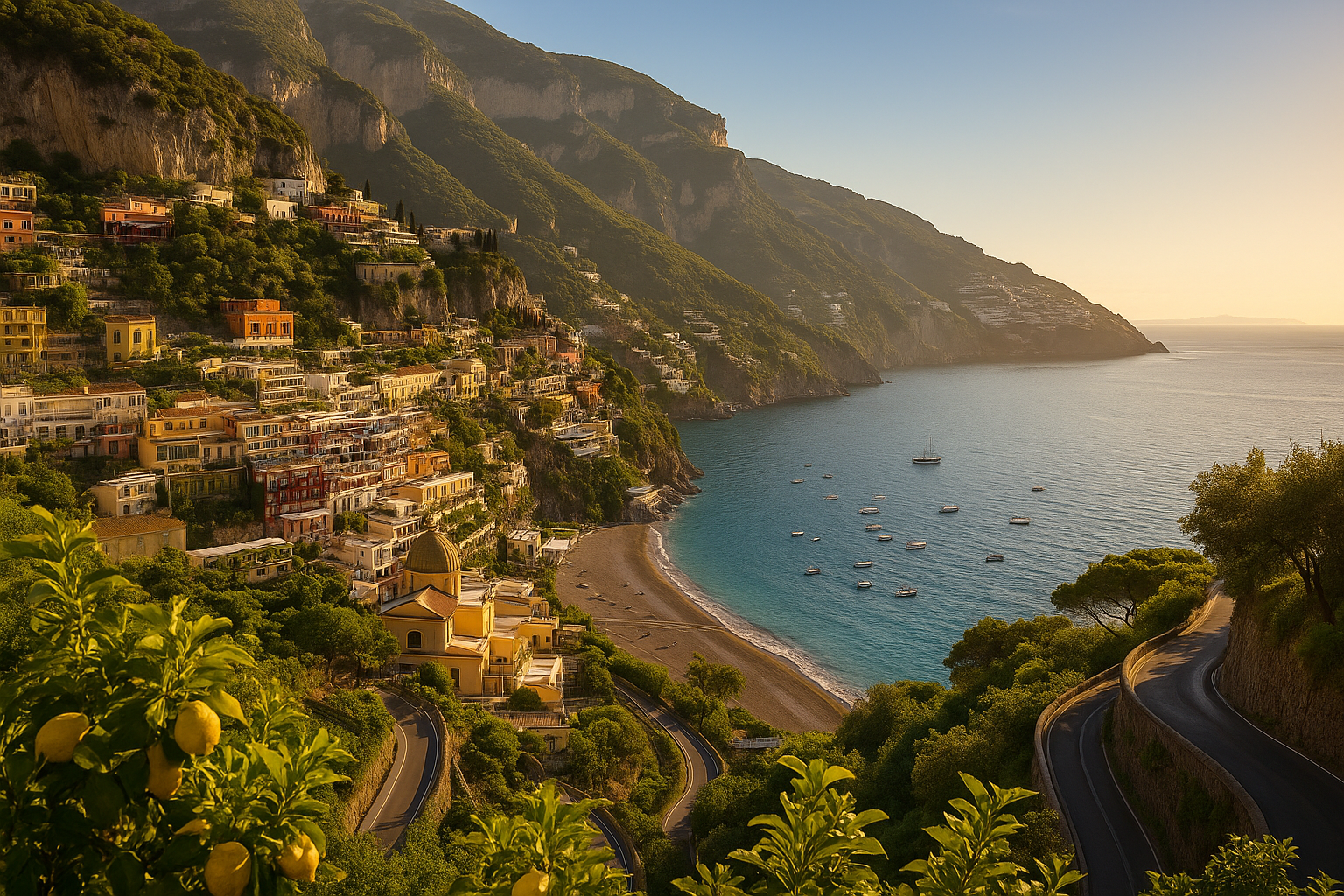
The Amalfi Coast, including Positano, Amalfi, and Ravello, is more suitable for a romantic trip and travel focused on views, restaurants, and small towns on the cliffs. There is less of the classic long beach here than on the Adriatic, but a completely different character of the holiday. For convenience, it is worth considering the terrain, the number of steps, and the more expensive level of accommodation in the season.
Rome, Florence, and Venice are the foundation of sightseeing Italy. Rome is chosen for its ancient heritage, museums, and intense routes for several days, Florence for art and access to Tuscany, Venice for the city format that cannot be replaced by another destination. For the first trip to the country, these cities often become the best starting point.
For mountains and winter holidays, it is worth considering the Dolomites, Cortina d'Ampezzo, and the resorts of South Tyrol. Here is a different rhythm of vacation: skiing, trekking, alpine towns, fresh air, and seasonality tied not to the sea but to snow. Such destinations are well suited for both active winter and summer trips to the mountains without heat.
Nature in Italy
The nature of Italy is very diverse even within one trip. In the south, tourists are attracted by rocky coasts, bays, and islands, in the north — Lake Como, Garda, and Maggiore, and in the east — the wide beaches of the Adriatic with a smoother entry into the water. That is why the format of relaxation here should be chosen not by the general name of the country but by the specific region.
The mountainous landscape occupies an important place on Italy's tourist map. The Alps and Dolomites allow visiting not only in winter but also in the warm season for hiking trails, panoramic roads, and a cooler climate. For those who find it difficult to endure the July heat of large cities, mountain areas can be a more practical alternative.
Volcanic and island landscapes of the south deserve special attention. Etna in Sicily, Capri, Ischia, Sardinia, and smaller islands form a completely different travel scenario — with short transfers, sea walks, and a focus on nature. If you want not only the beach but also beautiful routes, Italy offers a very wide choice in this respect.
Shopping in Italy
Shopping in Italy is best planned in big cities and regional centers. Milan traditionally attracts those who go for fashion and branded purchases, Rome, and Florence for a combination of shops, markets, and artisanal products, while smaller cities are often interesting for gastronomy, leather goods, textiles, and local ceramics. If the trip is beach-oriented, it is more convenient to postpone serious purchases to the final days in a city with a better selection.
Different regions have their strong product categories. In Tuscany, leather goods are often sought after, in Venice — decorative items and glass, in Naples and the south — gastronomic products, coffee, sweets, and local delicacies. For everyday purchases, it is convenient for tourists to use supermarkets, food markets, and small family shops.
Seasonal sales periods can be advantageous for those planning to combine relaxation and shopping. At this time, there are more people in popular cities and shopping areas, so hotels and flights should be booked in advance. If a tourist makes expensive purchases, it makes sense to clarify the conditions for tax refunds and receipt rules in advance.
What Souvenirs to Buy in Italy
The most practical souvenirs from Italy are often related to gastronomy. Depending on the region, tourists buy olive oil, dry sweets, coffee, pasta, sauces, spices, and other products that are convenient to transport. It is worth choosing factory packaging, especially if there is a flight and luggage ahead.
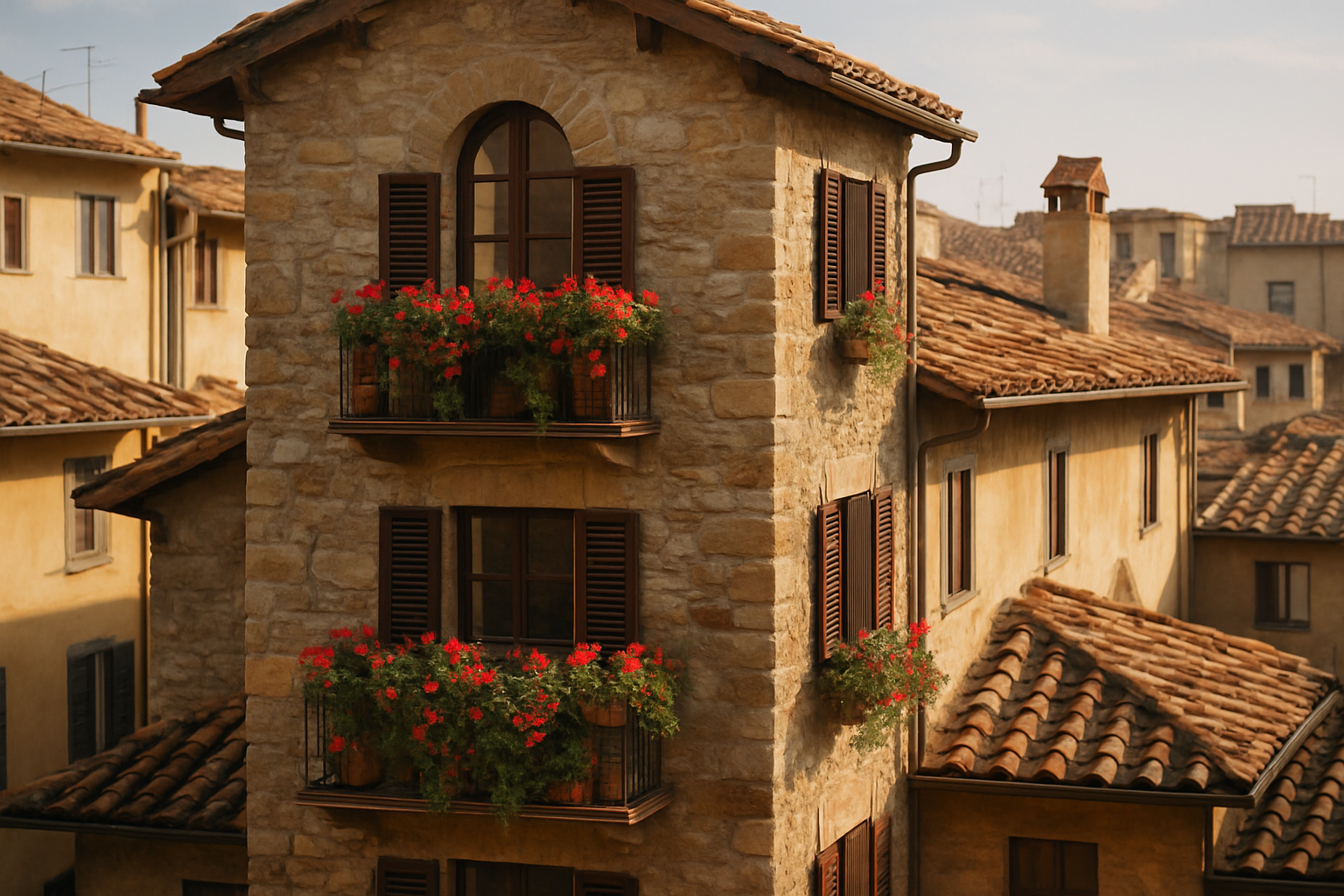
The second large category remains artisanal products. In Florence, these can be leather accessories, in Venice — glass decorative items, in southern regions — ceramics, textiles, or small home items. It is better to buy such things not in the first tourist shop near the main attraction, but in workshops or stores with a clear indication of the product's origin.
If souvenirs are needed for gifts to colleagues or family, it is more convenient to focus on local products, small kitchen items, or quality textiles. They usually better convey the regional character of the trip than standard magnetic products. Before buying food items, it is worth checking the expiration date and transportation rules.
Holidays in Italy
The holiday calendar in Italy significantly affects tourist demand. Easter, summer festivals, the Venice Carnival, the Christmas period, and the August vacation season within the country can change hotel prices, transportation load, and ticket availability. If the trip is tied to a specific event, it is better to book in advance.
The Venice Carnival is one of the most famous events for a winter trip. During this period, the city becomes significantly busier, and accommodation in popular areas becomes more expensive. For some tourists, this is a plus due to the festive program, while for those who want to calmly explore the city, on the contrary, it is better to choose other dates.
In summer, it is important to consider August when Italians themselves actively travel around the country. At seaside resorts, it is usually very lively at this time, and the demand for hotels and apartments is high. If the priority is silence and a freer choice of accommodation, it is worth shifting the trip to June or September.
New Year in Italy
A New Year trip to Italy is more suitable for urban, cultural, and mountain recreation than for the sea. In Rome, Milan, Florence, Turin, and other cities, there are festive lights, Christmas markets, winter showcases, and concert venues, and the weather is usually milder than in many countries of Central and Eastern Europe. At the same time, in Venice or the north, it can be quite cool and humid.
If you want winter activity, it makes sense to combine New Year with a ski holiday in the Dolomites or the Alps. This is one of the most popular periods of the season, so hotels, transfers, and equipment rental should be booked in advance. Early booking is also important for a city trip, especially if museums, a festive dinner, or accommodation in the center are planned.
Healthcare in Italy
Healthcare in Italy is generally at a good level, but for a tourist, the availability of a valid insurance policy is of key importance. In large cities and popular resort regions, it is easier to find a clinic, pharmacy, or emergency assistance, but payment and cost coverage issues are best clarified before the trip. Without insurance, even simple situations can become financially inconvenient.
In the summer season, it is worth being attentive to the sun, especially in the south, on the islands, and during excursions in open urban spaces. It is useful to have a basic first aid kit, sun protection, a hat, and to monitor your drinking regime, as walks in Rome, Naples, or Florence in the heat are as exhausting as a day on the beach. If there are individual medications, it is better to take them with a reserve and in the original packaging.
Customs Regulations in Italy
Customs regulations in Italy, as in other Schengen countries, should be checked directly before the trip, as conditions may change. This applies to the import of cash, alcohol, tobacco products, food, equipment, medicines, and expensive purchases. Personal travel items usually do not raise questions, but for specific goods, it is better to have receipts, prescriptions, or factory packaging.
Special attention should be paid to medicines, animal products, and expensive items purchased during the holiday. If you plan to bring something unusual, it is better to clarify the rules of the Italian and Ukrainian sides in advance. This will help avoid unpleasant situations at the airport after shopping or gastronomic purchases.
Visa Regime for Ukrainians
Italy is part of the Schengen area, so Ukrainian citizens can usually travel visa-free for up to 90 days within 180 days with a biometric passport. At the same time, it is necessary to check the current entry rules before the trip, as they may change depending on border control policy, documents to confirm the purpose of travel, and other conditions. It is also worth monitoring airline and transit country requirements if the flight is not direct.
Upon entry, proof of accommodation, a return ticket, medical insurance, and evidence of financial support for the stay may be required. If the trip is longer or related to work, study, or another non-tourist purpose, separate rules apply. Before making a final booking, it is best to verify information from official sources.
Tours in Italy
Italy is suitable for those who want to choose not just a country but a precise holiday scenario. For summer, these can be tours to Sicily, Sardinia, Rimini, or southern coasts, for the off-season — sightseeing trips to Rome, Florence, Venice, and combined routes through several regions, for winter — city weekends or ski resorts. Families should carefully consider the type of beach and resort logistics, couples — the chamber coasts, lakes, and boutique hotels, and those who go for gastronomy — Tuscany, Bologna, Naples, and Sicily.
When planning a holiday in Italy, it is important to compare the season, region, accommodation format, and travel pace, as this directly affects the impression of the tour. At Farvater Travel, it is convenient to choose options for different requests: beach tours, family trips, romantic getaways, city routes, early bookings, or offers for upcoming dates. If you correctly determine which Italy you need — maritime, cultural, gastronomic, or mountainous — choosing a resort, hotel, and travel time will be much easier.