Kenya: Vacation, Seasons, Resorts, and Tours - Farvater Travel
Kenya is suitable for those who want to combine safari, the Indian Ocean, cities with complex histories, and active travel without long daily transfers. Tourists often combine a few days in national parks with a beach vacation on the coasts of Diani, Watamu, or Mombasa. This itinerary allows you to see the savanna, beaches, Swahili culture, and modern Nairobi within one country.
Planning a trip to Kenya requires careful consideration: the rainy season, animal migration, ocean tides, and distances between regions affect the cost and format of the tour. For a first trip, the typical route chosen is Nairobi — Masai Mara — the coast, while experienced travelers add Amboseli, Lake Naivasha, Lamu, or Mount Kenya. The country is best revealed not in a single hotel but in a well-thought-out combination of locations.
5 Reasons to Visit Kenya
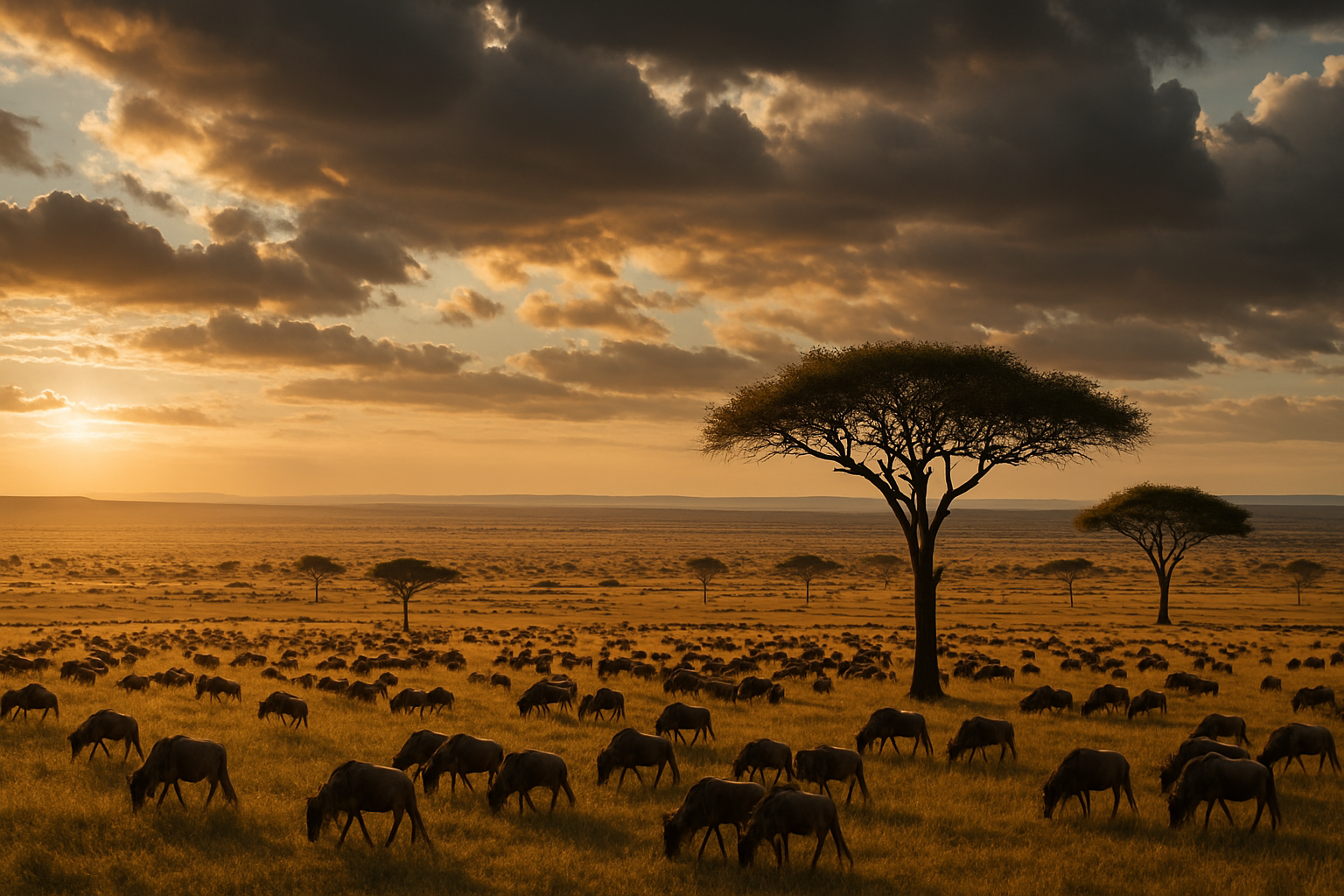
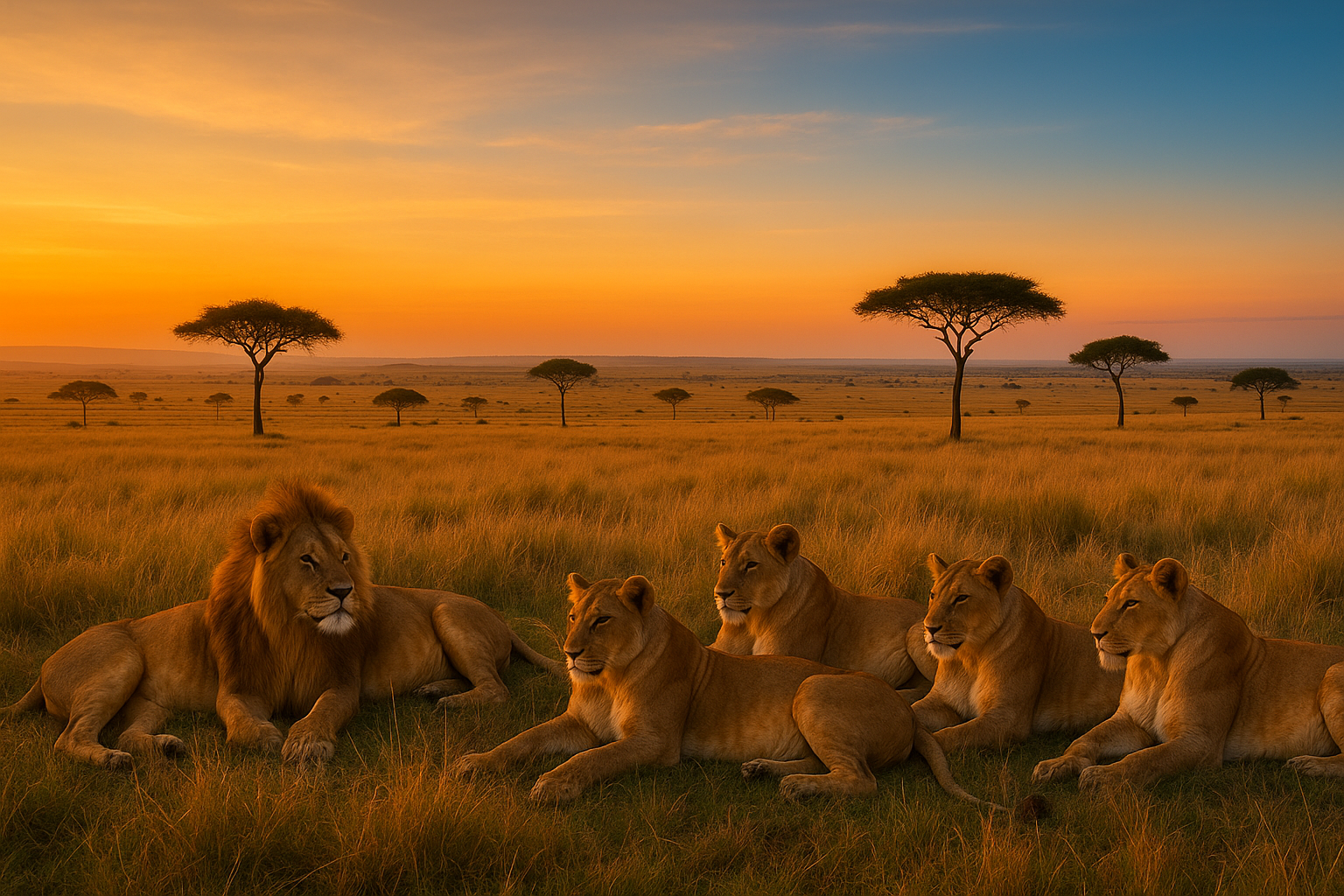
1. Safari in renowned national parks. Masai Mara, Amboseli, Tsavo, and Lake Nakuru offer different experiences: from observing large herds of wildebeest to views of Kilimanjaro. Booking a safari with the season in mind significantly increases the chances of seeing lions, elephants, giraffes, and rhinos.
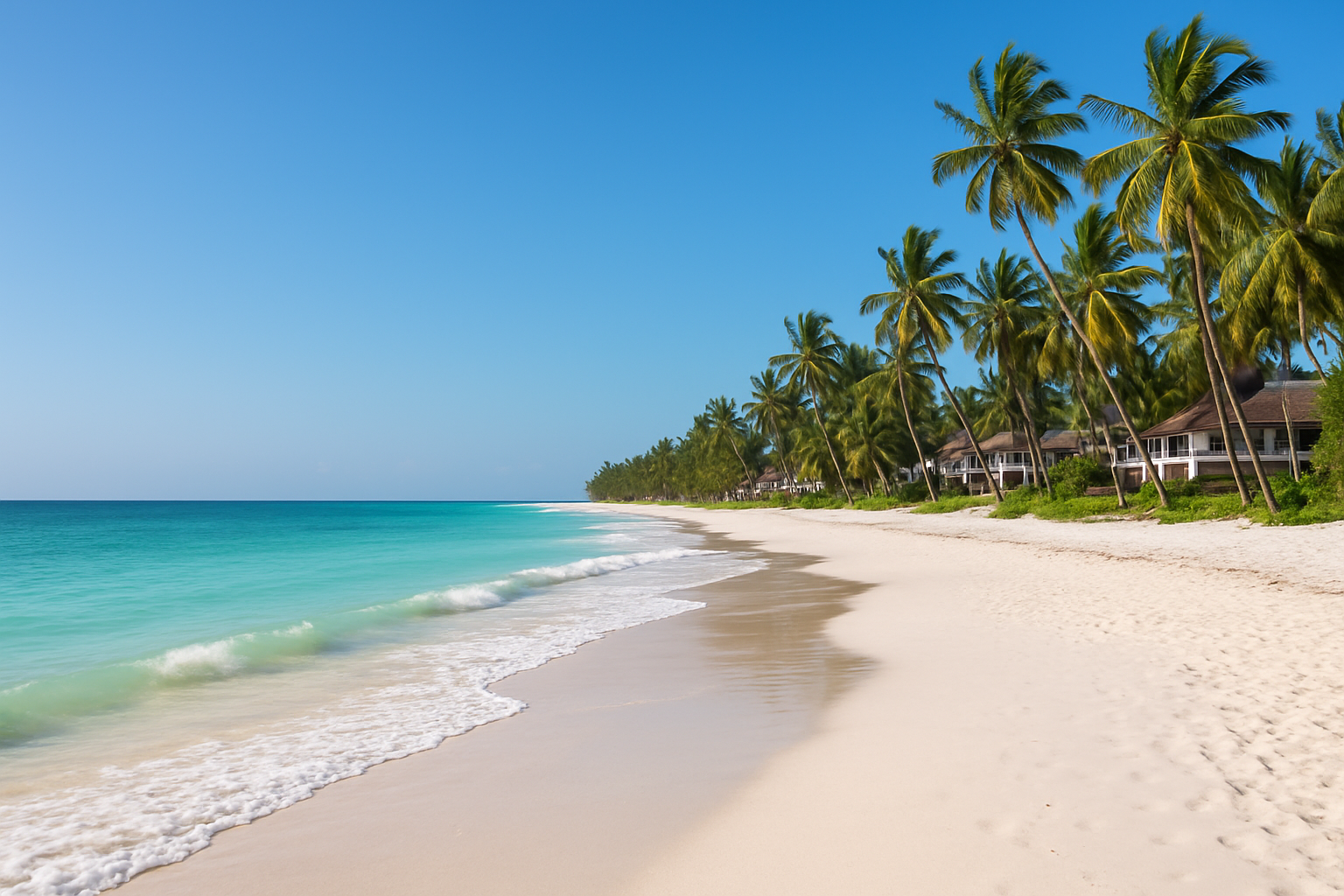
2. Indian Ocean beaches after a rich tour experience. Diani is known for its wide strip of white sand, Watamu is convenient for sea excursions and the underwater world, and Mombasa suits those who want more urban infrastructure. It's important to consider tides and ebbs on the coast, as the sea can recede far at certain times.
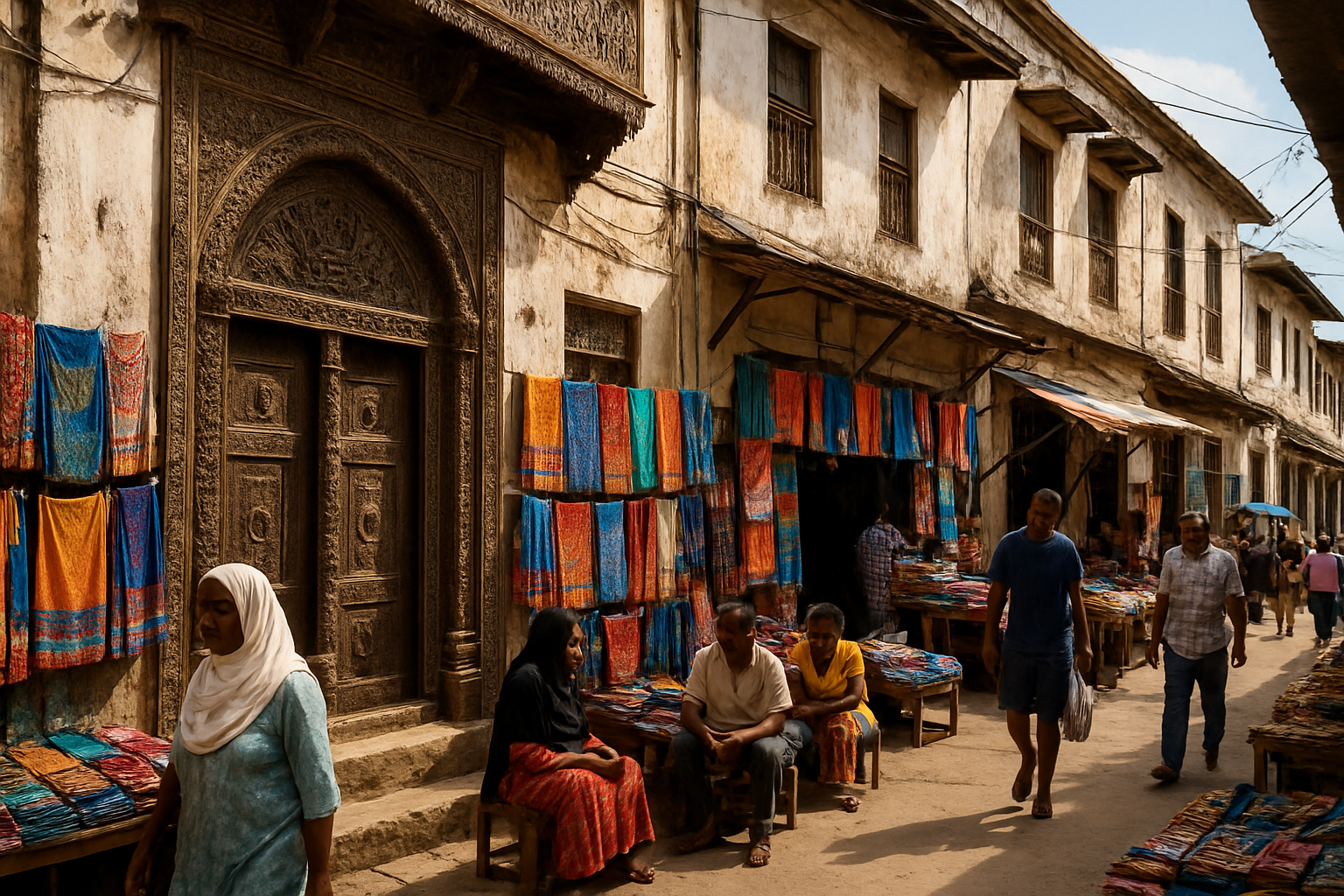
3. A blend of African, Arab, Indian, and British heritage. In Mombasa, this is evident in Fort Jesus, the old town, and Swahili cuisine, while in Nairobi, it is visible in museums, colonial architecture, and modern business districts. Lamu is particularly interesting for travelers seeking historic streets, wooden doors, and the calm rhythm of the coast.
4. Different formats of relaxation in one trip. Families often choose beach hotels in Diani or Mombasa with a short safari, couples opt for lodges in Masai Mara and a few days by the ocean, and active tourists add a climb on Mount Kenya or walks near Lake Naivasha. This is convenient for those who do not want to limit themselves to just the beach.
5. A strong gastronomic and craft component. In Kenya, it's worth trying ugali, nyama choma, pilau, biryani, chapati, samosas, mangazi, and tea with milk and spices. For souvenirs, Kenyan coffee, tea, beadwork, kiondo baskets, kanga fabrics, and soapstone carvings are interesting.
When to Visit Kenya
The most convenient times to travel to Kenya are usually January-March and June-October, when there is less rainfall, roads to parks are better, and safari visibility is more stable. On the coast, temperatures often hover around 28-32 degrees, and the Indian Ocean is usually warmed to about 25-29 degrees. Due to its elevation, Nairobi is cooler: often around 22-27 degrees during the day, and a light jacket may be needed in the evening.
April and May are considered the long rainy season, making safari less predictable due to muddy roads and dense vegetation. Meanwhile, there are fewer tourists, hotels often offer better conditions, and nature becomes very green. Such a season is better suited for experienced travelers, photographers, and those ready for a flexible itinerary.
July-October is often chosen for Masai Mara due to the Great Migration of wildebeest, although the exact dates of herd movements depend on rains and natural conditions. This is the high season, so lodges, domestic flights, and spots in popular parks should be booked in advance. For families with children, January-February or August-September may be more convenient, as there is less risk of heavy rains, making it easier to combine safari with the beach.
November and December often bring short rains, but they do not always last all day. The coast becomes popular in December due to winter holidays, the warm ocean, and the possibility of a beach vacation, so hotel prices rise. For a quieter trip, consider late January, February, or the first half of June, when demand is usually lower than during peak holiday weeks.
The Best Hotels in Kenya
In Nairobi, tourists often stay for one or two nights before a safari or after a flight, so a safe area, convenient transfer, and predictable service level are important. Hemingways Nairobi in the Karen area is suitable for a calm start to a trip and is close to the Giraffe Centre and the Karen Blixen Museum. Fairmont The Norfolk in Nairobi appeals to travelers who appreciate historic hotels and want to stay closer to the city center.
On the coast, the popular hotels are in Diani, Mombasa, and Watamu, but the choice depends on the need for a beach holiday or easy access to city walks. The Sands at Nomad in Diani is considered by tourists who want a quieter beach format with less city noise. Sarova Whitesands Beach Resort & Spa on the coast near Mombasa is convenient for those wanting to combine the ocean, hotel infrastructure, and short city trips.
For safari, it's better to book a lodge or tented camp in or near the reserve rather than a regular city hotel, as this reduces the time for morning drives. Governors’ Camp in Masai Mara is known among travelers who want to live closer to nature and make several outings a day. Amboseli Serena Safari Lodge in the Amboseli area is often chosen for its convenience for elephant watching and combining with a Nairobi route.
Budget options in Kenya are best sought in Nairobi, Mombasa, or Diani, but on safari, a price that's too low may mean long transfers, weaker logistics, or a location far from the park. In the mid-range segment, it's important to look not only at the hotel name but also at included meals, transfers, park entrance fees, and the number of safari drives. In the luxury segment, the lodge location, season, group size in the vehicle, and guide quality play a major role.
The Best Resorts and Cities in Kenya
Nairobi is Kenya's main transport hub and a convenient starting point for the itinerary. Here, you can visit Nairobi National Park, the Giraffe Centre, the Karen Blixen Museum, and the Karen area without spending much time on transfers. The city should not be seen as a beach resort but is useful for adaptation after a flight and organizing a safari.
Masai Mara is Kenya's most famous safari region, best suited for a first encounter with the African savanna. People come here for lions, cheetahs, elephants, buffaloes, and the seasonal wildebeest migration, but the quality of the trip very much depends on the lodge location. For photographers and couples, it's better to choose at least two or three nights, as one day is not enough time for various routes.
Amboseli attracts large elephant herds and views of Kilimanjaro, although the mountain itself is in Tanzania. The region is well combined with Nairobi and is suitable for those who do not want to immediately fly to remote parks. In the dry season, animals are easier to see near water, but dust on the roads can be noticeable.
Mombasa is a coastal city with a port history, old town, and Fort Jesus, which is linked to the Portuguese period. Beaches near Nyali, Bamburi, and Shanzu are convenient for tourists needing hotels, restaurants, and short excursions. This is a practical choice for families and those who want fewer transfers after a flight to the coast.
Diani is one of Kenya's most popular beach resorts with a long sandy line south of Mombasa. The resort is better suited for beach holidays, romantic trips, and quiet days after safari than for active city leisure. Diani is usually reached via Ukunda Airport or from Mombasa, taking into account the ferry and road time.
Watamu and Malindi should be considered by those interested in marine parks, snorkeling, boat trips, and coastal nature. The Watamu area has a marine national park, and nearby are the ruins of Gedi, connected to the history of the Swahili coast. Lamu is suitable for a slower journey, the old town, narrow streets, and traditional architecture, but logistics there are more challenging.
Nature in Kenya
Kenya's nature is very diverse: the savannas of Masai Mara, the swampy plains of Amboseli, the red soils of Tsavo, the lakes of the Great Rift Valley, and the coral coast of the Indian Ocean. Lake Nakuru is known for birds and rhinos, Lake Naivasha for boat trips and proximity to Hells Gate Gorge. For tourists, this means the route is better built not on the principle of "one park instead of another," but by the desired type of landscape.
Kenya's beaches depend on tides, reefs, and the season, so the sea view can change throughout the day. Diani is spacious and convenient for long walks, Watamu has more of a marine theme, and the Mombasa area is practical for combining the ocean with the city. For swimming, it's advisable to have water shoes in some places, as there are corals and sea urchins near the reefs.
Mount Kenya is suitable for trekking, but this is no longer a beach holiday and not an easy walk after breakfast at the hotel. Routes require preparation, warm clothing, and time for acclimatization, as the altitude significantly affects well-being. This format is better added to the tour as a separate block, not between safari and the beach without reserved days.
Shopping in Kenya
In Nairobi, shopping is convenient at Village Market, Two Rivers Mall, Yaya Center, and Westgate, where it's easier to find clothes, groceries, coffee, tea, and modern Kenyan brands. For handicrafts, tourists often go to the Maasai Market, but its location may change depending on the day of the week, so the schedule should be checked on the spot. Utamaduni Craft Centre and Kazuri workshops near Karen are suitable for those who want to buy beads, ceramics, and decor in a more relaxed format.
In Mombasa, the Old Town, City Market, and Biashara Street are interesting, where fabrics, spices, jewelry, and home goods are sold. On the coast, it's worth looking not only at souvenir shops near the beach but also at small shops with kanga fabrics, kikoy, and baskets. Bargaining in markets is appropriate, but it's better to do it calmly and respectfully, without sharply devaluing the handiwork.
For gastronomic purchases in Kenya, pay attention to coffee from the central highlands, black tea, coastal spices, macadamia, honey, and sauces for meat. Before buying products for transportation, check the packaging and import rules to the return country. Items made from ivory, coral, turtle shells, and unprocessed natural materials are better not purchased, as they may be prohibited or cause problems at customs.
What Souvenirs to Buy in Kenya
The most practical souvenirs from Kenya are coffee, tea, spices, macadamia, and local sweets, which are easy to transport in factory packaging. For home, consider kiondo baskets, soapstone carvings from Kisi, wooden items, and ceramics. Such items are better purchased in workshops or trusted shops, where the origin of the product is clear.
Textiles such as kanga and kikoy are popular — bright fabrics that can be used as a pareo, scarf, or decor element. Bead jewelry associated with Maasai and Samburu traditions should be chosen carefully: handmade work costs more but looks better and lasts longer. If buying masks or wooden figures, check the baggage size and material to avoid issues during transportation.
Holidays in Kenya
Madaraka Day on June 1, Mashujaa Day on October 20, and Jamhuri Day on December 12 are important national holidays when official events, concerts, and celebrations may take place in cities. For tourists, this means higher demand for internal transfers, hotels, and restaurants, especially if the holiday falls on a long weekend. During these periods, it's worth booking accommodation in Nairobi, Mombasa, and popular resorts in advance.
Among cultural events, pay attention to the Lamu Festival, usually associated with Swahili culture, traditional dhow boats, music, and crafts. Dates of such events may change, so they need to be checked before the trip. The Maralal Camel Derby is famous, usually attracting travelers to the northern regions, but it should also be planned only after confirming the current calendar.
New Year in Kenya
New Year in Kenya is well suited for those who want a warm ocean, safari, and a winter trip without cold weather. On the coast in December-January, it is usually hot and humid, the water is warm, and beach hotels in Diani, Mombasa, and Watamu are in high demand. In national parks, it's also a busy season, so lodges and domestic flights should be booked a few months in advance.
The holiday period is not always suitable for a budget trip, as air tickets, popular hotels, and safari packages become more expensive. If a quieter atmosphere is needed, consider dates after mid-January, when some tourists are already returning home. For families with children, it's important to allow time for adaptation after the flight and not make the first day immediately intensive with safari.
Medicine in Kenya
In Nairobi and large cities, there are private clinics of an acceptable level, but in remote parks and on the coast, access to medical care may be limited. Travel insurance for Kenya should cover safari, active recreation, possible transportation, and treatment in a private clinic. If the itinerary includes remote reserves, it's worth clarifying how assistance is organized in case of injury or sudden deterioration of health.
Before the trip, consult a doctor about the prevention of tropical diseases and recommended vaccinations, not taking general advice as medical conclusions. In some regions of Kenya, there is a risk of malaria, especially on the coast, near lakes, and in lowland areas, so prevention should be decided individually. It's better to drink bottled water, use sun protection, repellents, and have a first-aid kit with basic means that suit you.
Customs Regulations in Kenya
For entry into Kenya, tourists are usually allowed to bring personal items, clothing, equipment for personal use, and necessary medications, but rules may change. Medications are best transported in original packaging, and prescription drugs with a doctor's prescription or explanation in English, if possible. Large amounts of cash, professional equipment, drones, and commercial goods may require declaration or separate permits.
Alcohol, tobacco, and purchases for personal use have restrictions, but exact limits should be checked before the trip on current official resources or through the airline. It is prohibited to export or purchase products from protected animals, including ivory, coral, shells, and other natural materials of dubious origin. At souvenir markets, it's better to refuse goods that may be linked to wildlife, even if the seller assures their safety for purchase.
Visa Regulations for Ukrainians
Before the trip, Ukrainian citizens need to check the current entry rules to Kenya, as they may change. Kenya uses an electronic travel permit for most foreign travelers, which is processed online before arrival. For the application, a passport, itinerary data, accommodation booking, tickets, and fee payment are usually required.
The passport must be valid for the period required by the entry rules and have free pages for border stamps. If a tourist is flying in transit through other countries or arriving from a region with sanitary requirements, additional documents may be needed. Entry conditions, medical formalities, and requirements for children should be checked before booking a tour, not just before departure.
Tours to Kenya
Kenya is best suited for a combined trip: safari in Masai Mara, Amboseli, or Tsavo, a few days in Nairobi, and relaxation on the beaches of Diani, Mombasa, or Watamu. For a first trip, it's convenient to choose tours with well-thought-out logistics, domestic flights, or transfers, as independent transfers between parks can take a lot of time. If a beach vacation is important, it's worth immediately specifying the hotel location, tides, type of dining, and distance to the airport.
Farvater Travel can help choose tours to Kenya for various formats: beach programs on the coast, family vacations after safari, romantic routes with lodges, excursion tours from Nairobi, and combined trips with early booking. For the high season, New Year dates, and migration periods, it's better to plan the trip in advance, and for a quieter vacation, consider less busy months. Properly chosen hotels, resorts, and seasons make Kenya not just a distant destination but an understandable and logical journey.