Croatia: Holidays, Seasons, Resorts and Tours - Farvater Travel
Croatia is suitable for tourists who want to combine the Adriatic Sea, historic cities, islands, national parks, and a relaxed European holiday rhythm. The country is often chosen for beach trips in the summer, excursions in spring and autumn, as well as for coastal routes with stops in Dubrovnik, Split, Zadar, Rovinj, or on the islands of Brač and Hvar. Holidays in Croatia are more focused on nature, walks, sea views, and quality local products rather than large hotel complexes with intensive animation.
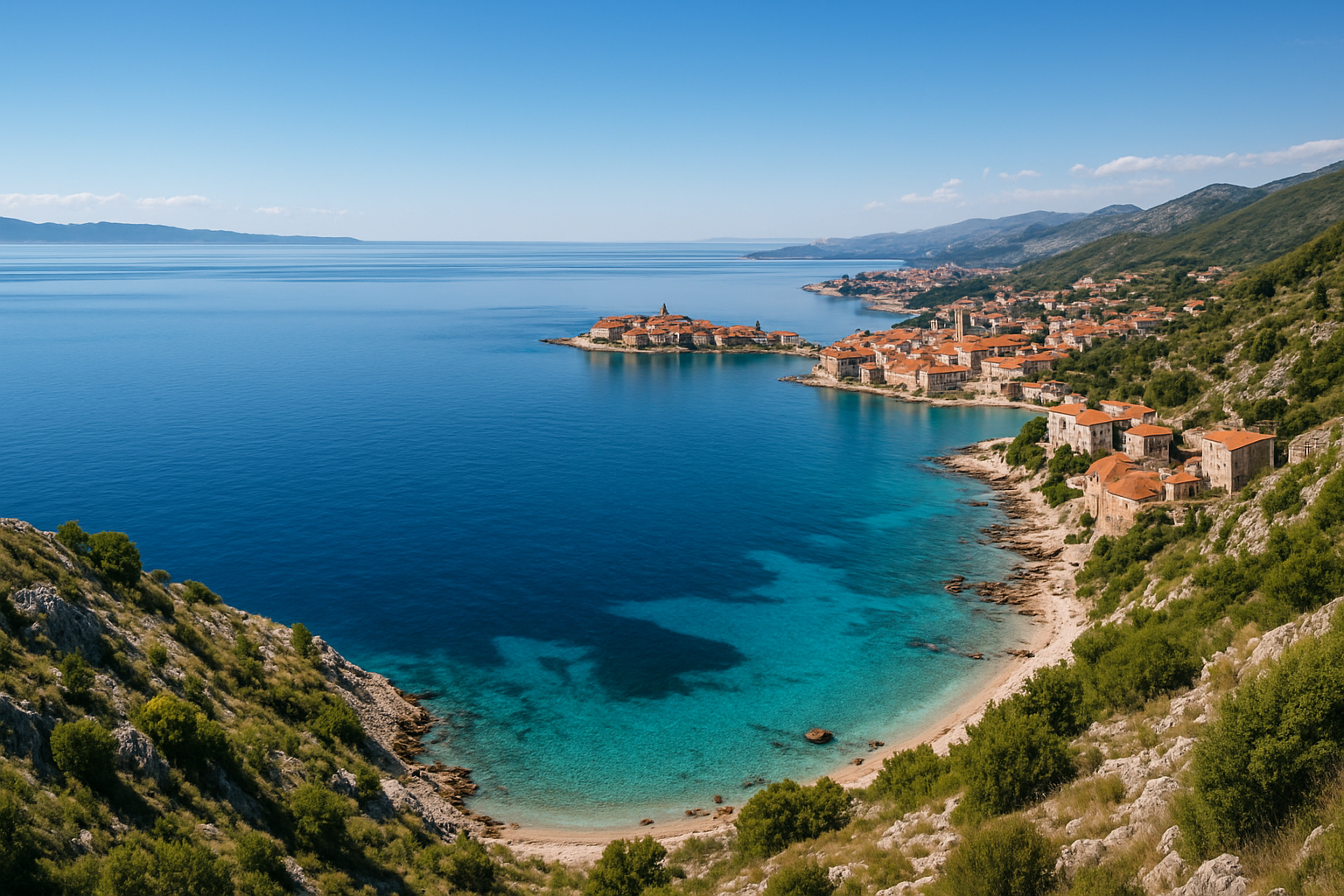
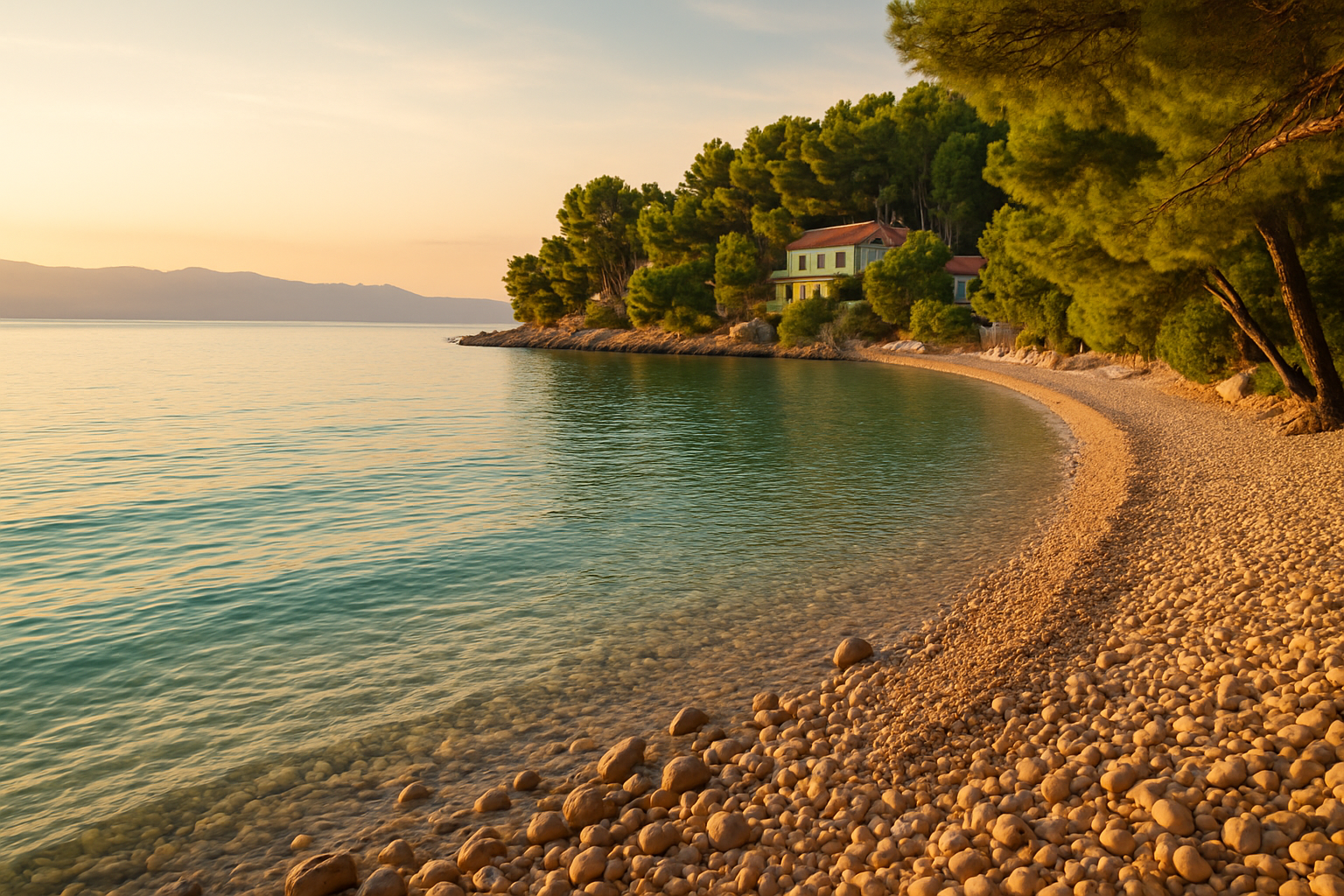
In Croatia, it is important to choose the right region because Istria, Dalmatia, Kvarner, the islands, and Zagreb offer different travel formats. Istria is convenient for gastronomy, wine, olive oil, and trips to Rovinj and Poreč, Dalmatia is more suitable for beaches, islands, and ancient cities, while Zagreb is worth considering for a short city trip or winter holidays. The beaches here are mostly pebbly and rocky, but the water is usually very clear, and many bays are protected from strong waves.
Tours to Croatia should be planned taking into account the season, type of beach, hotel meals, and the distance to the historical center or the sea. Hotels with breakfast or half-board, apartments, villas, and small family hotels are common in the country, while the "all-inclusive" format is not everywhere. For a first trip, it is most convenient to choose Dubrovnik, Split, the Makarska Riviera, Zadar, Rovinj, or islands with well-established ferry connections.
5 reasons to visit Croatia
1. Adriatic coast with clear water. Croatia has many pebbly beaches, rocky bays, and pine areas by the sea, so the water often looks cleaner than at sandy resorts. For swimming, it is advisable to take special shoes, especially on the rocky beaches of Dalmatia and the islands.
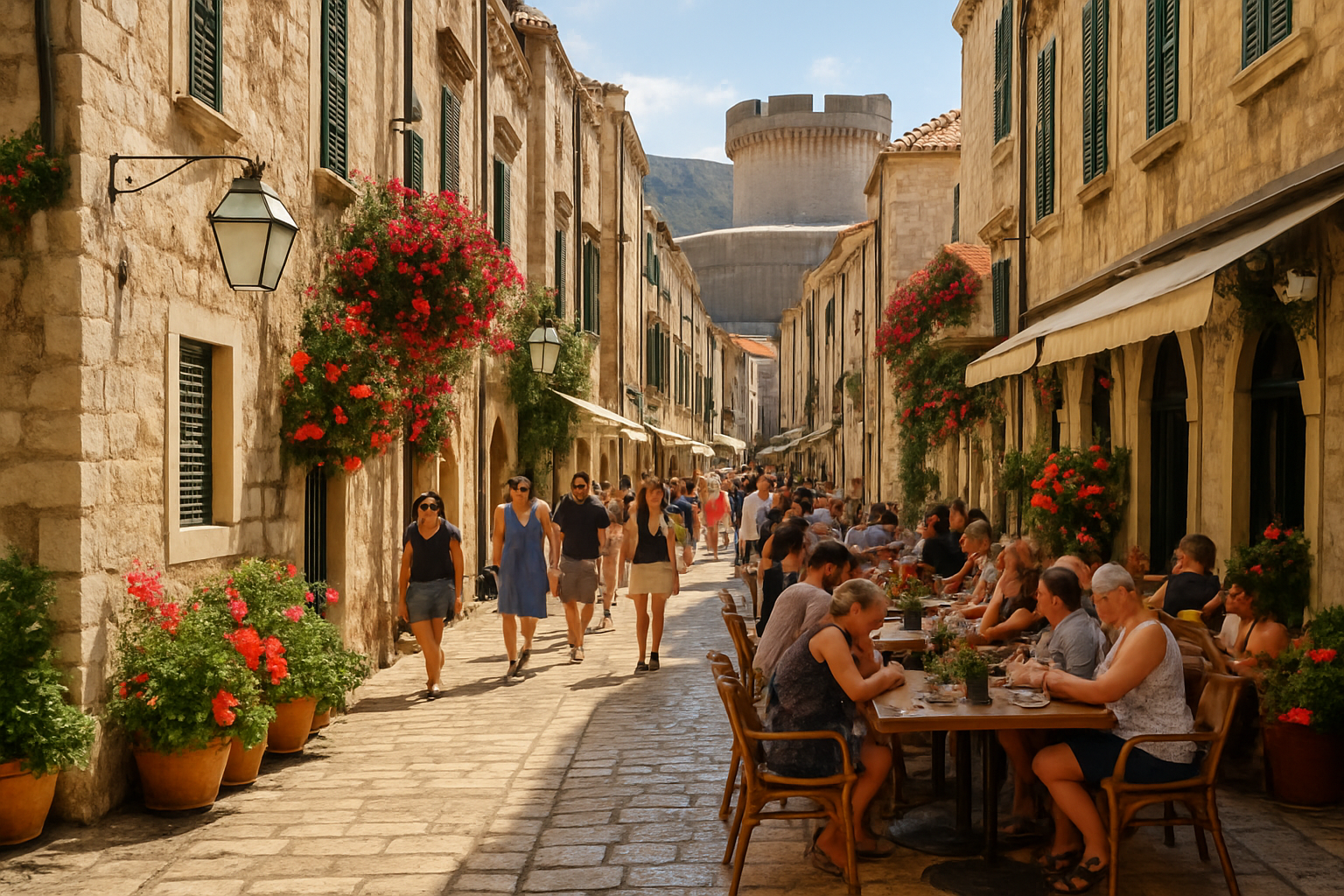
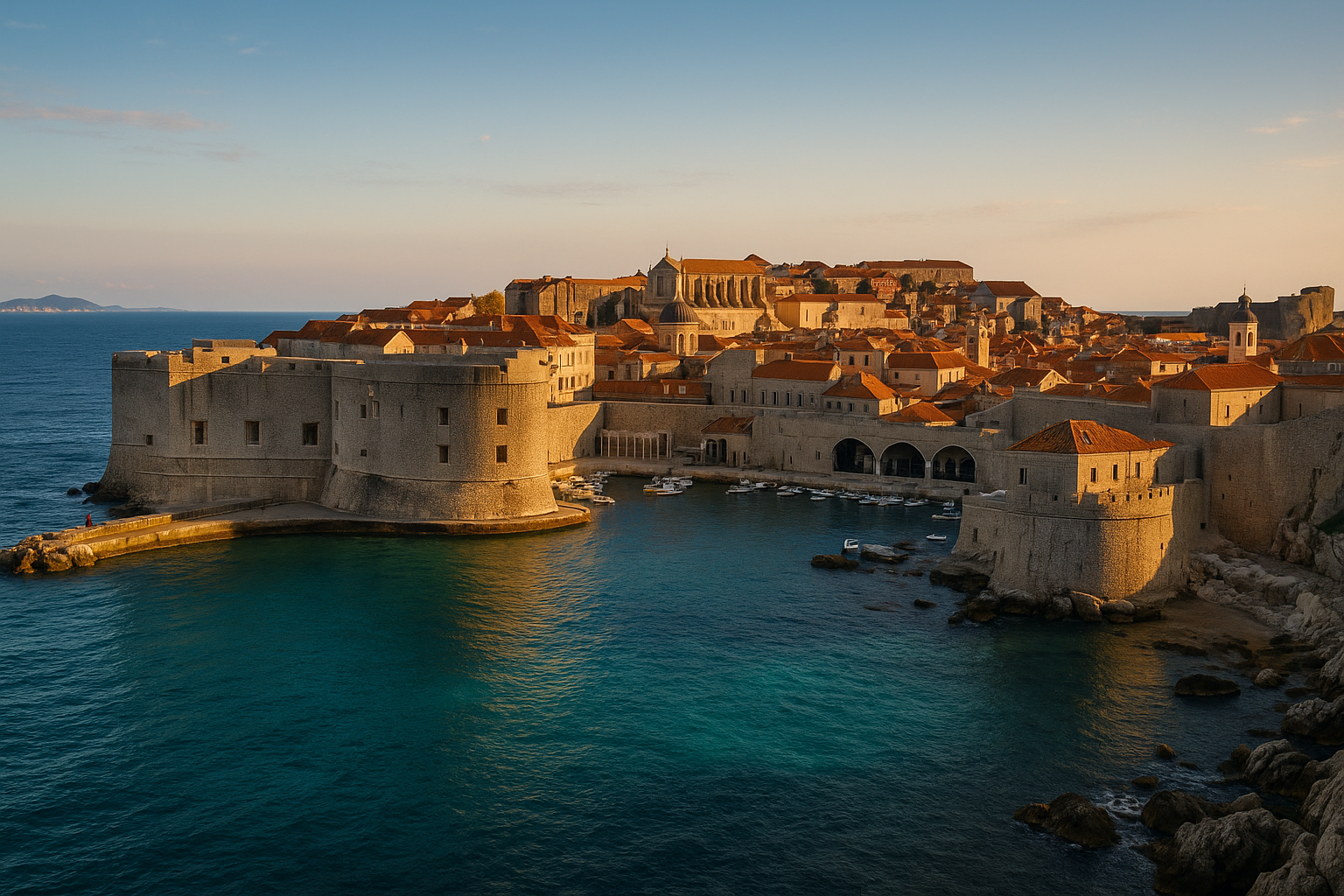
2. Cities with real history, not just resort development. In Dubrovnik, tourists walk along the city walls and the old town, in Split, they live just around Diocletian's Palace, and in Poreč, they admire the Euphrasian Basilica. This is convenient for those who do not want to limit their holiday to just the beach and dinner at the hotel.
3. Islands for different travel paces. Brač is known for Zlatni Rat beach near Bol, Hvar attracts with its historic center and sea trips, and Korčula is suitable for a more relaxed holiday with wine routes. Before booking, it is important to check the ferries because the schedule may depend on the season.
4. National parks and active recreation. Plitvice Lakes, Krka, Paklenica, Mljet, Kornati, and Biokovo provide the opportunity to add walks, boat rides, observation decks, and hiking routes to a beach trip. This is especially valuable in spring and autumn when the heat is less, and excursions are more comfortable.
5. Infrastructure understandable for European tourists. In Croatia, the euro is used, buses and ferries run between popular cities, and there are many apartments, family hotels, and restaurants with local cuisine in tourist regions. At the same time, in the high season, accommodation prices and demand for good options noticeably increase, so early booking often makes sense.
When is the best time to go to Croatia
The beach season in Croatia usually lasts from June to September, but comfort may vary depending on the region. In June, the air often warms up to about 24–28 degrees, the water near the coast usually reaches about 21–23 degrees, and there are still fewer tourists than in July and August. This is a good period for couples, active travelers, and families with school-age children who value the sea, walks, and not too hot excursions.
July and August are high seasons when on the Dalmatian and Istrian coasts it is often 28–33 degrees, and the water can warm up to about 24–26 degrees. At this time, it is best to plan a classic beach holiday, sea trips, islands, and resorts like the Makarska Riviera, Brač, Hvar, Dubrovnik, or Zadar. The downsides of summer are higher hotel prices, crowded ferries, queues at popular attractions, and the need to book accommodation in advance.
September is often considered one of the most pleasant months for a trip to Croatia because the sea is still warm, the air is milder, and the number of tourists gradually decreases. The air temperature usually stays around 23–28 degrees, the water often remains comfortable for swimming, especially in the south of the country. September is suitable for couples, tourists without small children, gastronomy enthusiasts, wine routes, and a more relaxed holiday without the summer rush.
April, May, and October are better considered for excursions, city walks, national parks, bike routes, and gastronomic trips. In these months, the weather can be changeable, but for Dubrovnik, Split, Zadar, Rovinj, Pula, Zagreb, and Plitvice Lakes, this is often a more convenient period than the hot summer. Swimming in spring is not always comfortable, and in October the sea may still be warm, but rain and wind occur more often.
Winter in Croatia is not a beach season, but it is suitable for Zagreb, Christmas markets, short city trips, and quiet weekends on the coast. On the Adriatic in winter, it is often about 8–13 degrees, with possible rains and strong winds, and it is cooler in the continental part. For shopping, festive atmosphere, and lower demand on the coast, winter can be interesting, but for the sea, it is better to choose warm months.
The best hotels in Croatia
In Croatia, it is worth paying attention not only to the hotel category but also to the type of beach, meals, location, and transport. On the coast, hotels with breakfast or half-board, as well as apartments, are popular, which are convenient for families and tourists planning independent trips. In old towns, it is important to check access, the presence of stairs, and the distance to parking, as historical centers often have limited traffic.
"Excelsior Dubrovnik" in Dubrovnik is suitable for tourists who want to combine a city format and proximity to the historical center. It is often considered for romantic trips, short premium tours, and holidays where quick access to the old town is important. Before booking, it is worth comparing room types and meal conditions, as in Dubrovnik the difference between hotels near the sea and options in the city can be significant.
"Valamar Collection Dubrovnik President" is located in the Babin Kuk area in Dubrovnik, where it is more convenient to relax for those who want more resort infrastructure than within the old town. This area is suitable for combining the beach, walks along the promenades, and trips to the historical center. The hotel can be considered for couples and families who want to live not in the dense development of the old town but have access to the main attractions.
"Maistra Select Island Hotel Istra" near Rovinj is interesting for those who choose Istria, an island mood, and a quieter holiday format. Rovinj is convenient for evening walks, restaurants, trips to Poreč, Pula, and the wine estates of Istria. This option is better suited for tourists who want to alternate the sea with gastronomy and short outings, rather than spend the entire vacation on one beach.
"Falkensteiner Hotel & Spa Iadera" is located in the Punta Skala area near Zadar and often attracts tourists looking for a more modern resort format in northern Dalmatia. Zadar is convenient for walks in the old town, visiting the Sea Organ, and trips to the national parks of Krka, Paklenica, or Kornati. This region should be considered by those planning not only the beach but also active routes by car or organized excursions.
"Bluesun Hotel Elaphusa" in Bol on the island of Brač is suitable for tourists who want to live near one of the most famous beach areas in the country. Brač is convenient for a beach holiday, sea trips, and a more relaxed island pace, but logistics need to be planned with the ferry in mind. Before choosing an island, it is important to check the seasonality of connections and the time of arrival, especially if the tour includes a flight to Split.
The best resorts and cities in Croatia
Dubrovnik is the main city for those who want to combine the sea, history, and a beautiful city route. The old town with walls, Stradun street, and Lovrijenac fort requires time, so it is better not to plan Dubrovnik as just a short stop for a few hours. For a beach holiday, areas outside the old center are convenient, including Babin Kuk and Lapad, where it is easier to find resort-type hotels.
Split is suitable for tourists who want to live in a large seaside city with a port, restaurants, markets, and convenient access to the islands. The main attraction is Diocletian's Palace, around which a lively historic center has formed, not a separate museum quarter. From Split, it is convenient to go to Brač, Hvar, Šolta, as well as to Trogir and the Makarska Riviera.
Zadar should be considered for a trip to northern Dalmatia, family holidays, and routes to nature parks. In the city, tourists usually view the Sea Organ, the "Greeting to the Sun" installation, old gates, and the promenade, and nearby you can plan trips to Paklenica, Krka, or the Kornati Islands. Zadar is less pretentious than Dubrovnik but practical for those who want to rent a car and explore the region more.
Rovinj, Poreč, and Pula are key destinations in Istria, where a beach holiday is well combined with gastronomy and short trips. In Poreč, it is worth seeing the Euphrasian Basilica, in Pula the Roman amphitheater, and Rovinj is convenient for evening walks in the old town and sea views. Istria is suitable for couples, wine lovers, olive oil, truffles, and tourists who want a milder pace than in crowded Dubrovnik in August.
The Makarska Riviera is one of the most straightforward options for a beach holiday on the mainland, especially if you want mountains near the sea. Makarska, Brela, Baška Voda, and Tučepi have pebble beaches, long promenades, and views of the Biokovo massif. The region is popular in summer, so for July and August, it is better to book hotels and apartments earlier.
The islands of Brač, Hvar, and Korčula are suitable for tourists who want more of a sea mood and are ready to consider ferry logistics. Brač is known for Zlatni Rat beach in Bol, Hvar for its historic center, fortress, and sea trips, and Korčula attracts with its old town and wine traditions. It is better to book islands not at the last minute because in the season good accommodation options are quickly taken.
Zagreb is not a beach resort, but it is useful for winter trips, city holidays, and starting a route around the country. In the capital, it is worth seeing the Upper Town, Ban Jelačić Square, Dolac market, the cathedral, and museums. Zagreb goes well with Plitvice Lakes if the tourist plans not a sea but an excursion route through Croatia.
Nature in Croatia
Croatia's nature significantly influences the holiday format because the country has a long coastline, islands, karst mountains, bays, lakes, and national parks. The beaches are mostly pebbly or rocky, sandy areas are less common, so tourists with children need to carefully read the beach description before booking. However, pines by the water, clear sea, and rocky bays make the holiday comfortable for those who love swimming, boats, kayaks, and quiet sea trips.
Plitvice Lakes is one of the most famous natural routes in the country, where wooden walkways run by lakes and waterfalls. In the high season, there are many people, so it is better to arrive early or choose spring and autumn when it is cooler and easier to walk on foot. The Krka National Park is more convenient for those vacationing near Šibenik, Split, or Zadar and want to add a natural excursion without a very long drive.
For active recreation, it is worth considering Paklenica near Velebit, Mount Biokovo above the Makarska Riviera, the island of Mljet, and the Kornati archipelago. Paklenica is interesting for hiking and rocks, Biokovo for observation decks, Mljet for forests and lakes, and Kornati for sea landscapes and boat trips. It is better to plan such places as a separate day because combining them with the beach and without haste does not always work out.
Shopping in Croatia
Shopping in Croatia is easiest to plan in Zagreb, Split, Dubrovnik, Zadar, Rovinj, Pula, and Poreč. In Zagreb, Ilica street, "Arena Centar" and "Avenue Mall" shopping centers are suitable for city shopping, as well as Dolac market for products, cheeses, fruits, and local delicacies. Near the capital, the "Croatia Designer Outlet" operates, which should be considered by those who specifically plan to buy clothes and shoes.
In Split, it is convenient for tourists to combine a walk along the Riva and Marmontova street with shopping in small shops, and for products, it is worth visiting the Pazar market. In Dubrovnik, souvenir shops are concentrated on Stradun and in the old town, but prices there are often higher due to tourist demand. For more practical purchases in Dubrovnik, you can go to the Gruž area, where there is a market and everyday shops.
Among gastronomic purchases in Croatia, it is worth paying attention to Istrian olive oil, truffle products, Pag cheese, Dalmatian prosciutto, honey, figs, salt from Ston, Malvasia wine, and Plavac Mali. In restaurants and konobas, it is appropriate to try black risotto, brodet, peka, pašticada, grilled seafood, and octopus dishes, but the level of establishments can vary greatly between the promenade and the streets away from the tourist flow. In stores with a tax return sign, foreign tourists can sometimes arrange a partial tax refund for purchases, but conditions and minimum amounts need to be checked on-site.
What souvenirs to buy in Croatia
The most practical souvenirs from Croatia are gastronomic because they are easy to use after the trip and they well convey the region of the country. From Istria, people often bring olive oil, truffle sauces, truffle pasta, and Malvasia wine, from the island of Pag — Pag cheese, and from Dalmatia — prosciutto, salt from Ston, dried figs, and almonds. Before buying products, it is worth checking the packaging, expiration date, and transportation rules in luggage.
Among drinks, tourists often choose Plavac Mali wines, Malvasia, Pošip, as well as Maraschino cherry liqueur associated with Zadar. For a gift, it is better to buy products in specialized shops or wine estates, where it is easier to get an explanation about the region and variety. If only hand luggage is planned for the flight, the volume of liquids should be considered before purchase.
Among non-food souvenirs, it is worth paying attention to lavender products from Hvar, ceramics, local textiles, lace from Pag, and small items with Dalmatian city motifs. In Dubrovnik and Split, there are many mass souvenirs, but better items are often found in workshops or small shops outside the main tourist street. For jewelry, corals, antiques, or vintage items, it is important to have purchase documents because there may be restrictions on the export of cultural or natural valuables.
Festivals in Croatia
The Dubrovnik Summer Festival usually takes place in July and August, filling the old town with concerts, theatrical performances, and cultural events. For tourists, this is a great opportunity to see Dubrovnik not just as a sightseeing city, but demand for hotels during this period is already high due to the summer season. Program dates need to be checked before the trip, and accommodation is better booked in advance.
In Split, the Split Summer Festival and large music events take place in summer, which can significantly affect prices and hotel loading. The city is lively at this time, ferry connections with the islands are actively used, and restaurants in the center are often crowded in the evening. If the goal is a peaceful holiday, it is better to choose accommodation not in the very heart of the old town or plan a trip for June or September.
Winter and traditional events can also be interesting for tourists. Advent in Zagreb takes place in December and early January, the carnival in Rijeka usually happens in winter, and the Feast of St. Blaise in Dubrovnik is traditionally celebrated in early February. Such events do not replace the beach season, but they are well suited for a short city trip, gastronomy, and acquaintance with local traditions.
New Year in Croatia
New Year in Croatia is not suitable for a beach holiday but for city walks, festive markets, restaurants, and a calm coastline without the summer crowd. In Zagreb, Christmas locations, ice rinks, street food stalls, and hot drinks are open at this time, while in Dubrovnik and Split, celebrations are concentrated on central squares and promenades. The weather can be wet and cool, so it's important to take warm clothes, comfortable shoes, and a windproof jacket.
On the coast in winter, it is often about 8–13 degrees, but due to wind and rain, the feeling can be colder. In Zagreb and inner areas, lower temperatures, fog, and winter weather are possible, so the route is better not built as a summer trip along the beaches. For New Year dates, it is worth booking hotels, festive dinners, and transport in advance, especially if planning Zagreb, Dubrovnik, Opatija, or Split.
Healthcare in Croatia
Healthcare in Croatia generally corresponds to the European level, but for tourists, quality insurance for the entire trip is important. The policy should cover emergency assistance, doctor visits, possible hospitalization, active recreation, and sea trips if they are included in the plans. Before the trip, it is worth saving the contacts of the insurance company and clarifying how to act if you contact the clinic.
In summer, the main risks are associated with heat, sun, dehydration, rocky beaches, and sea urchins. Sunscreen, a hat, beach shoes, and enough water are especially needed on the islands, in Dalmatia, and during excursions to open historical locations. Tap water in many places is usually safe to drink, but in specific accommodation or on islands, it is better to clarify this on-site.
The first-aid kit should be formed for an ordinary trip: personal medications, allergy remedies, antipyretics, plasters, antiseptic, and preparations that the tourist already uses on doctor's recommendation. It is better to transport medicines in their original packaging, and for prescription drugs, it is advisable to have a prescription confirmation. Special vaccinations for an ordinary tourist trip are usually not mentioned as mandatory, but current medical recommendations should be checked before departure.
Customs regulations in Croatia
Croatia is part of the European Union, so customs regulations generally correspond to European practice. Personal items, clothing, a phone, a camera, and equipment for personal use can usually be imported without problems if they do not appear as a commercial batch. Large amounts of cash, valuable purchases, or expensive professional items are better declared according to current rules.
For alcohol, tobacco, perfumes, food products, medicines, and purchases, there are restrictions that may depend on the country of departure, the method of entry, and current norms. It is not worth transporting medicines without packaging, preparations with controlled substances without documents, or products of animal origin if the rules prohibit them. Before the trip, you need to check the current requirements because the limits and the list of allowed goods may change.
Special attention should be paid to souvenirs made from natural materials, antiques, coral products, old coins, or items of cultural value. Such things may require documents proving legal origin and purchase. If in doubt, it is better not to buy the item at a spontaneous market or to clarify the export rules in advance.
Visa regime for Ukrainians
Croatia is part of the Schengen zone, so Ukrainian citizens can usually travel visa-free for up to 90 days within 180 days with a biometric passport. Visa-free regime does not automatically grant the right to work or long-term residence, and border guards may request confirmation of the purpose of the trip, accommodation booking, return ticket, insurance, and financial support. Before booking a tour, it is necessary to check the current entry rules, as they may change.
If a tourist does not have a biometric passport, plans a longer stay, or travels for non-tourist purposes, other documents or a visa may be required. Conditions of issuance, processing times, and possible fees depend on the specific situation and the rules in force at the time of application. For traveling with children, it is necessary to separately check the requirements for documents, permits, and passport validity periods.
Tours to Croatia
Croatia is well-suited for tourists who want a meaningful vacation without excessive attachment to the hotel territory. Families should look at the Makarska Riviera, Zadar, Istria, and hotels or apartments with easy beach access, couples — Dubrovnik, Rovinj, Hvar, Korčula, or Split, and active travelers — routes with Plitvice Lakes, Krka, Biokovo, Paklenica, and the islands. For the first trip, it is convenient to combine 2–3 locations but not overload the route because ferries, roads, and excursions take time.
Through Farvater Travel, you can choose tours to Croatia for a specific season and travel format: beach, family, romantic, excursion, combined with islands or with accommodation in resort hotels. The "all-inclusive" format in Croatia is not as widespread as in some mass beach countries, so it is often worth comparing breakfasts, half-board, apartments, and locations relative to the beach or the old town. For July, August, holidays, and popular islands, it is better to use early booking, and hot tours are more appropriate to look for those who have flexible dates and are ready to quickly decide on the region.
Before booking, it is important to decide what is the main thing: beaches, historic cities, islands, nature, gastronomy, or a relaxing holiday by the sea. If the maximum number of attractions is needed, it is worth looking at Dubrovnik, Split, Zadar, and Zagreb; if the sea and resort rhythm are important — the Makarska Riviera, Brač, Hvar, Istria, or Kvarner. Croatia is best chosen by tourists who appreciate the clean sea, walks, local cuisine, a thoughtful itinerary, and are ready to pay close attention to booking details.