Cuba: Vacation, Seasons, Resorts and Tours - Farvater Travel
Cuba suits tourists who want to combine a beach vacation in the Caribbean with cities that preserve colonial architecture, music, old cars, and a strong local culture. Most often, the country is chosen for Varadero, the islands of Cayo Coco, Cayo Guillermo, and Cayo Santa Maria, but the trip will be more complete if you add Havana, Trinidad, or the Viñales Valley. The tour format can be a relaxed beach holiday, romantic, family-oriented, or combined with several excursions.
Cuba has distinct dry and wet seasons, so the timing of the trip significantly affects the cost, weather, and hotel occupancy. In winter and spring, it is usually more comfortable for beaches and walks, while in summer, there is more heat, humidity, and the risk of short tropical showers. Before booking, it is worth deciding what is more important: stable weather, lower price, excursions, quietness at the resort, or a vibrant festive environment.
5 Reasons to Visit Cuba
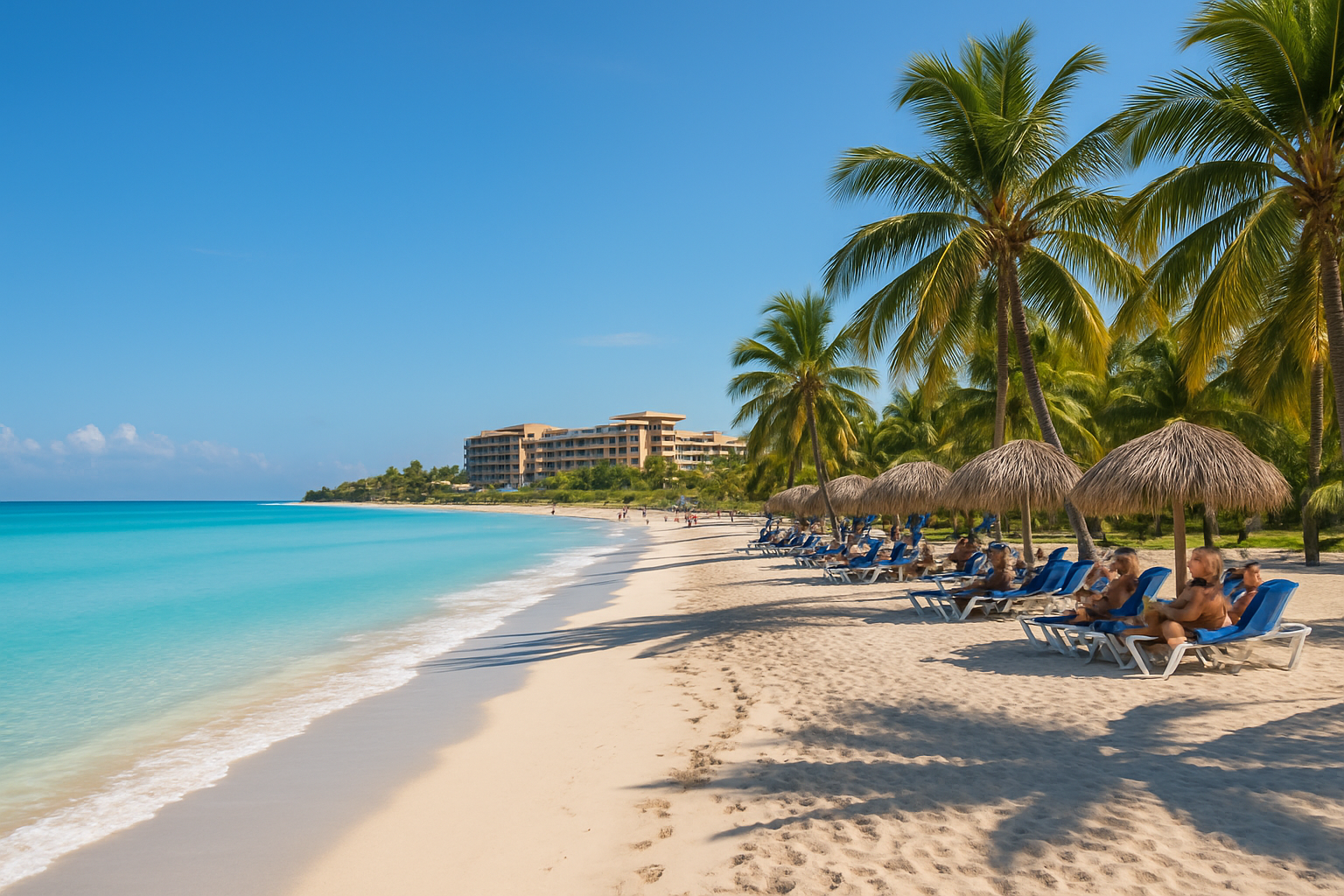
1. Caribbean beaches with warm seas. Varadero, Cayo Coco, Cayo Guillermo, and Cayo Santa Maria are known for their wide sandy beaches, gentle water entry, and resort hotels with all-inclusive dining. This is convenient for families, couples, and tourists who do not want to plan daily household details.
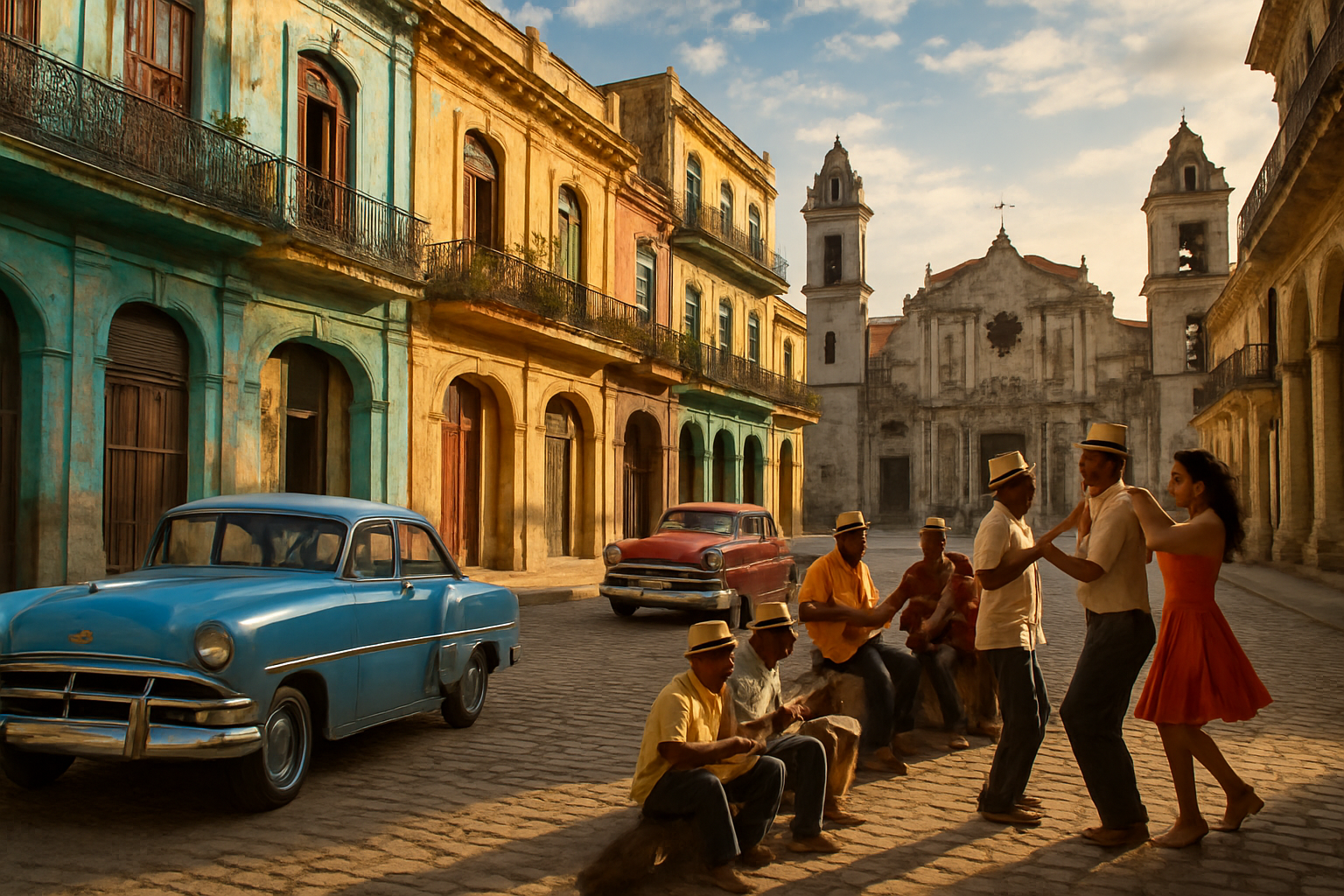
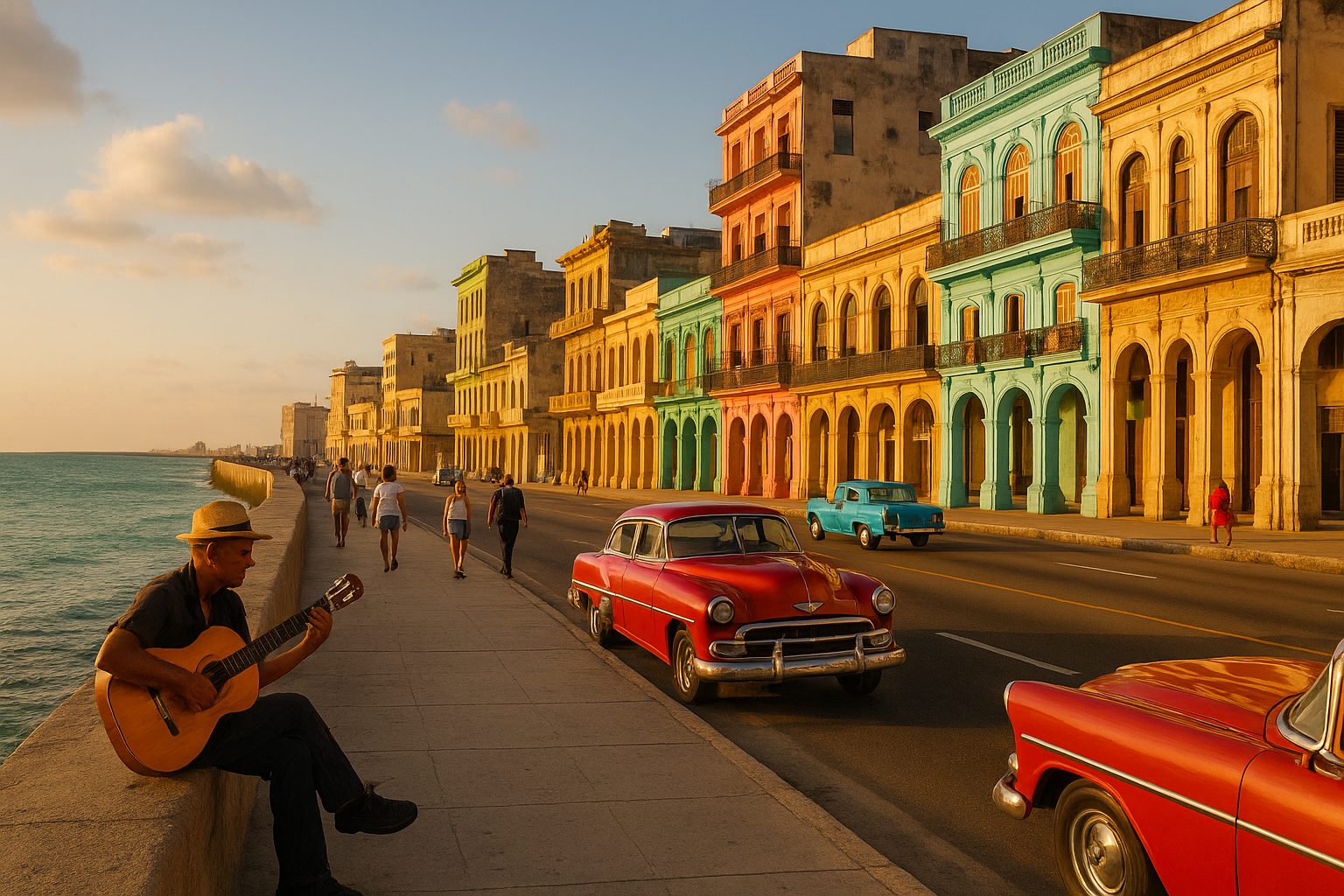
2. Havana as a separate reason for the trip. In Old Havana, you should see Plaza de la Catedral and Plaza de Armas, the Malecón promenade, and the Capitol. The city is better perceived not as a quick excursion but as at least one night before or after the beach resort.
3. Combination of sea, nature, and history. In one trip, you can visit the beach, the tobacco valley of Viñales, colonial Trinidad, and the waterfalls in the Escambray mountains. This route suits active tourists who do not want to be limited to the hotel territory.
4. Cuban music, dance, and cuisine. In Cuba, you should try ropa vieja, congrí, arroz con pollo, yuca with mojo sauce, seafood, flan, Cuban coffee, and rum. In Havana, Santiago de Cuba, and Trinidad, live music often plays in the evenings, but popular venues are better chosen based on reviews and current schedules.
5. Understandable resort format. On the coast, many hotels operate on an all-inclusive system, simplifying the travel budget. At the same time, in cities, you can choose a city hotel or a private guesthouse if you want more contact with local life.
When to Visit Cuba
The most comfortable period for a holiday in Cuba usually lasts from November to April. During this time, the air often warms up to about 26–29 degrees, the sea remains around 25–27 degrees, and there is less rain than in summer. This is the high season, so it is better to book hotels in Varadero and on the islands in advance, especially for Christmas-New Year dates and winter holidays.
From May to October, Cuba is warmer and more humid, with air temperatures often reaching 30–33 degrees, and showers are usually short but intense. This period is also possible for a beach holiday, but it is necessary to consider the heat, high humidity, and the tropical storm season, which is most often associated with the end of summer and autumn. Tourists sensitive to heat or planning many excursions should consider winter, March, or April.
For families with children, the most convenient months are December, January, February, and March, when the sea is warm and the heat is less exhausting. Couples will find November, April, and early May suitable when a calmer rhythm and better conditions for walks can be found. Excursion lovers, cities, and nature should choose the dry season, and those looking for more affordable tours can consider the off-season, carefully checking the forecast and booking conditions.
The Best Hotels in Cuba
In Varadero, large beach complexes with all-inclusive meals are most often chosen, as the resort stretches along the Hicacos Peninsula and is oriented specifically towards a seaside vacation. Iberostar Selection Varadero is suitable for tourists who want a classic resort format with a large territory and beach access. Meliá Internacional Varadero is often considered by couples and families who value more modern conditions and a convenient location on the popular coast.
For a romantic trip to Varadero, tourists often look at Royalton Hicacos Varadero Resort and Spa, known as a resort for adult guests. It is important to check the hotel's current concept, room category, and dining conditions before booking, as service in Cuba may differ from the usual standards of Turkey or Egypt. If peace is important, it is better to choose not only by hotel name but also by part of the coast and reviews for the last season.
On the islands of Cayo Coco, Cayo Guillermo, and Cayo Santa Maria, hotels are usually more isolated than in Varadero, so the format is more suitable for beach, sea, and calm relaxation. Meliá Cayo Coco is often considered by couples who want an island resort without daily city trips. On Cayo Santa Maria, it is worth paying attention to the beach condition in a specific season, as wind and seaweed can affect swimming comfort.
In Havana, the logic of choice is different: here, the district, access to the historical center, and convenience for walks are important. Hotel Nacional de Cuba is known for its history, location in the Vedado district, and status as one of the symbols of the capital. Iberostar Grand Packard in Havana should be considered by those who want a more comfortable city hotel near Old Havana and the promenade.
Budget travelers often choose private guesthouses officially allowed to receive tourists. This is a good option in Havana, Trinidad, Viñales, and Cienfuegos if local life and a flexible itinerary are important. For a beach tour with children, it is more convenient to book a resort hotel, as there is less independent infrastructure outside the complexes on the islands.
The Best Resorts and Cities in Cuba
Varadero is the main beach resort in Cuba, convenient for a first trip to the country. There are many hotels, a long sandy beach, excursions to caves, sea trips, and trips to Havana. The resort is suitable for families, couples, and tourists who want simple logistics and understandable relaxation by the sea.
Havana is not a classic beach resort, but without it, Cuba feels incomplete. In Old Havana, you should see the Capitol, El Morro Fortress, Plaza Vieja, and the Malecón promenade. For tourists, this is the best city for history, photography, museums, music, and a first acquaintance with Cuban culture.
Cayo Coco and Cayo Guillermo are chosen for their quiet beaches, turquoise water, and resorts away from big cities. Cayo Guillermo is known for Playa Pilar, often included in sea excursions. This direction is better suited for those who want more sea and less city activity.
Cayo Santa Maria is another island destination for a beach holiday, often chosen by couples and families. Resorts here are far from Havana, so it is worth planning the transfer immediately and not counting on frequent independent trips. If excursions are needed, you can consider trips to Santa Clara or Remedios.
Trinidad is suitable for tourists interested in colonial cities, cobblestone streets, and musical evenings. Nearby is the Valley of the Sugar Mills and Ancon Beach, so the city can be combined with the sea. This is not a replacement for Varadero but rather an excursion stop on a Cuban route.
Viñales is worth adding to the trip for tobacco plantations, karst hills, and rural landscapes. Valley walks, horseback routes, and cave visits are popular here, but there is no beach format. The direction goes well with Havana for one or two days.
Santiago de Cuba is more suitable for experienced travelers who want to see another cultural center of the country. The city is known for San Pedro de la Roca Fortress, musical traditions, and carnival. Due to the distance from major resorts, it is better to plan it as a separate route rather than a short excursion from Varadero.
Nature in Cuba
The nature of Cuba varies greatly depending on the region: in the north, tourists most often see beaches, coral reefs, and lagoons, while in the central and eastern parts, there are mountains, waterfalls, and tropical forests. For swimming, Varadero and the islands of the northern coast are the most convenient, where many hotels are located near long sandy beaches. For snorkeling, it is better to choose sea excursions to reefs, but conditions depend on wind and water clarity.
Viñales Valley is known for tobacco fields and mogote hills, creating a completely different image of Cuba than beach resorts. In the Escambray mountains, near Trinidad, routes to waterfalls and natural pools are popular, especially in the Topes de Collantes area. These trips are better planned in the dry season, as trails can be slippery after rain.
On the Zapata Peninsula, there are swamps, lagoons, and bird-watching spots, as well as the Bay of Pigs, known for diving and historical events. In the east of the country, Alejandro de Humboldt National Park is interesting for biodiversity, but it is not a typical one-day excursion from popular resorts. The choice of natural routes in Cuba depends on logistics, so it is better to include them in the itinerary before booking a tour.
Shopping in Cuba
Shopping in Cuba is unlike shopping in major shopping capitals: there are fewer international brands, but there are local products, rum, coffee, cigars, music records, and paintings. In Havana, tourists find it convenient to go to Obispo Street for souvenirs, books, cafes, and small shops. For handicrafts, consider Almacenes San Jose, a large market in the port area of the capital.
In Varadero, shopping is concentrated in hotel shops, souvenir rows, and the Plaza America shopping center. There it is convenient to buy sunscreen, beach items, rum, or gifts, but prices may be higher than at city markets. On the islands, the choice is usually limited to hotel territories, so specific purchases are better made in Havana or Varadero.
Cigars are best purchased in official stores like Casa del Habano or hotel points with export documents. On the street, cheaper cigars are often offered, but tourists risk getting a poor-quality product and customs problems. It is advisable to have a cash reserve in an acceptable currency and consider that bank cards do not work everywhere.
Which Souvenirs to Buy in Cuba
The most popular gastronomic souvenirs from Cuba are rum, coffee, cane sugar, and spices for meat or rice dishes. Rum should be bought in official stores, and coffee in factory packaging for convenient transportation. If you like local flavors, pay attention to sauces for yuca, guava sweets, and coconut products.
A separate category is cigars and accessories, but you need to be careful with them due to customs rules and receipt requirements. Wooden products, handmade musical instruments, paintings from street galleries, and textiles with Cuban motifs can also make great gifts. For safe transportation, it is better to choose small items without fragile details.
Of intangible purchases, it is worth mentioning music: CDs, vinyl, or recordings of local bands are often sold after performances in Havana, Trinidad, and Santiago de Cuba. Before buying paintings or antique items, you need to clarify whether a permit for export is required. If a souvenir has cultural or historical value, it is better not to risk it without official documents.
Festivals in Cuba
The carnival in Santiago de Cuba usually takes place in July and is considered one of the country's most famous events. It is interesting for tourists with its music, processions, costumes, and strong Afro-Cuban cultural influence. During this period, accommodation in the city should be booked in advance, and a beach vacation is better combined with a route in the east of the country only if time allows.
In Havana, the International Jazz Festival often takes place in winter, and in December, the New Latin American Cinema Festival. The dates of such events need to be checked before the trip, as they may change. For tourists, this is a good reason to stay in the capital for a few days and not head straight to the beach.
In December, the city of Remedios is known for its festive parrandas—street celebrations with music, decorations, and neighborhood competitions. The event is interesting for those planning a route through central Cuba or vacationing on Cayo Santa Maria. During the holidays, transport and hotels may be busier, so connections are better not left to the last minute.
New Year in Cuba
New Year in Cuba falls during the high season when the weather is usually well-suited for beaches: during the day, it is often around 26–29 degrees, the sea is warm, and there is little rain. Varadero, Cayo Coco, and Cayo Santa Maria have increased demand during this period, so early booking gives more choice of hotels and room types. If silence is important, it is better to avoid the most popular hotels with large festive programs.
In Havana, a New Year's trip combines city walks, music, and a festive dinner, but specific programs in restaurants and hotels need to be checked in advance. On January 1, Cuba also celebrates Liberation Day, so some institutions may operate on a modified schedule. For a comfortable itinerary, it is better to plan at least one night in the capital and a separate transfer to the resort.
Healthcare in Cuba
Cuba has a developed medical system, but it is important for tourists to have insurance that covers treatment abroad, emergency assistance, and possible evacuation. At the entrance, confirmation of medical insurance may be requested, so it is better to keep the policy in both electronic and paper forms. Before the trip, it is worth checking the current requirements, as rules for travelers may change.
It is appropriate to take personal medications, remedies for digestive disorders, antipyretics, antiseptics, plasters, and medications you regularly use as prescribed by your doctor in a first aid kit to Cuba. The sun is active even in winter, so sunscreen, a hat, and a sufficient amount of water are needed. Tap water is usually not recommended for tourists to drink, and ice in drinks is better ordered in verified establishments and hotels.
Customs Regulations in Cuba
Personal travel items can be brought into Cuba, but the rules regarding currency, equipment, medications, alcohol, tobacco, and food should be checked before departure. If you are carrying prescription medications, it is advisable to have packaging, instructions, and a doctor's prescription, especially for potent drugs. Large sums of cash, professional equipment, or goods not for personal use may require declaration.
Upon exit, special attention should be paid to cigars, rum, antiques, paintings, and items of cultural value. Cigars are best purchased officially and receipts should be kept, as customs rules may require proof of origin. The exact limits on alcohol, tobacco, and purchases may change, so they should be checked before the trip with the airline and official sources.
Visa Regime for Ukrainians
Cuba is not part of the Schengen Zone, so entry rules for Ukrainians should be checked separately and not automatically transferred from European conditions. Before booking, it is important to clarify current requirements regarding a tourist card, electronic permit, or visa procedure, as well as airline and transit country requirements. The procedure for obtaining, cost, and list of documents may change.
For a trip, a passport with a sufficient validity period, proof of accommodation, a return ticket or itinerary, medical insurance, and the completion of necessary entry forms, if they are in effect at the time of travel, are usually required. If the flight passes through Europe, Canada, Turkey, or another country, transit rules should be checked separately. It is safest to do this before paying for the tour to avoid problems during check-in.
Tours to Cuba
Cuba is best suited for tourists who want a warm sea in winter, beach hotels with all-inclusive dining, and the opportunity to add Havana, Trinidad, or Viñales to their vacation. For the first trip, it is convenient to choose Varadero, as there is simpler logistics, more hotels, and easier excursion organization. For a calm island format, consider Cayo Coco, Cayo Guillermo, or Cayo Santa Maria, but keep in mind fewer entertainment options outside the hotel.
Tours to Cuba through Farvater Travel can be tailored to a specific scenario: beach vacation, family trip, romantic journey, combined route with Havana, or all-inclusive resort format. If planning for the high season, New Year, or a trip with children, early booking gives more chances to find a convenient hotel and better flight connections. If dates are flexible, you can track hot tours, but for Cuba, it is important to carefully check the season, flight route, transfer, and current entry rules.