China: Vacations, Seasons, Resorts, and Tours - Farvater Travel

China is suitable for travelers who want to combine big cities, ancient history, natural parks, gastronomy, and beach vacations on Hainan Island in one trip. In just a few days, one can see the Forbidden City in Beijing, stroll along the Shanghai Bund, climb sections of the Great Wall, and end the journey by the warm sea in Sanya. Due to the large distances, it's better to plan the country not as "everything at once" but as a thoughtful route by regions.
Vacations in China can be excursion-based, beach, family-oriented, wellness-focused, or combined. For a first visit, travelers often choose Beijing, Shanghai, and Xi'an, and for the sea, the resorts of Hainan, where the season differs from the northern and central regions of the country. Tourists need to consider the climate, domestic flights, holiday periods, and entry rules, as the demand for hotels and transport in China can sharply increase during national holidays.
5 Reasons to Visit China
1. Extensive history in real locations. In Beijing, tourists see the Forbidden City, the Temple of Heaven, and Tiananmen Square, while near the capital are the famous sections of the Great Wall, Badaling and Mutianyu. In Xi'an, it's worth planning time for the Terracotta Army, which offers a completely different perspective on ancient China than museum exhibits.
2. Various travel formats within one country. China allows for the combination of modern cities, old quarters, mountains, tea plantations, river cruises, and Hainan beaches. Such an itinerary is convenient for tourists who don't want to limit themselves to just the sea or just excursions.
3. Beach season on Hainan in winter. When it's cool in the northern cities, warm weather for seaside relaxation usually persists in Sanya and the bays of Yalongwan, Dadonghai, and Haitangwan. This is why winter tours to China are often considered by families with children and couples who need sunshine without too long a flight across several continents.
4. Strong regional gastronomy. In China, it's worth trying Peking duck, dim sum, dan dan noodles, Sichuan dishes with pepper, Cantonese soups, Hainanese chicken rice, and Chinese tea. The cuisine varies greatly between Beijing, Shanghai, Guangzhou, Chengdu, and Hainan, making dining a part of the itinerary rather than just a mundane detail.
5. Convenience for combined tours. Major Chinese cities have a developed hotel base, high-speed trains, and many domestic flights, making it easier to plan more complex routes. A tourist can choose a short city break, a beach week, or a trip with several stops if logistics are thought out in advance.
When to Travel to China
The climate in China is very diverse: in the north, winter is cold, in the central provinces, spring and autumn are comfortable for excursions, and on Hainan, mild tropical weather often persists in winter. For Beijing, Shanghai, Xi'an, Suzhou, and Hangzhou, the most convenient months are usually April, May, September, and October, when daytime temperatures often range from about 18 to 26 degrees. During these months, it's easier to walk a lot, visit parks, temples, old quarters, and observation decks without summer heat.
Summer isn't suitable for everyone, as many regions can be hot, humid, and rainy. In Shanghai, Guangzhou, and the Hong Kong direction, daytime temperatures often rise above 30 degrees, and downpours can change outdoor plans. For mountainous areas like Zhangjiajie or Yunnan, summer may be acceptable, but weather in the mountains is changeable, so it's important to have an extra day and comfortable footwear.
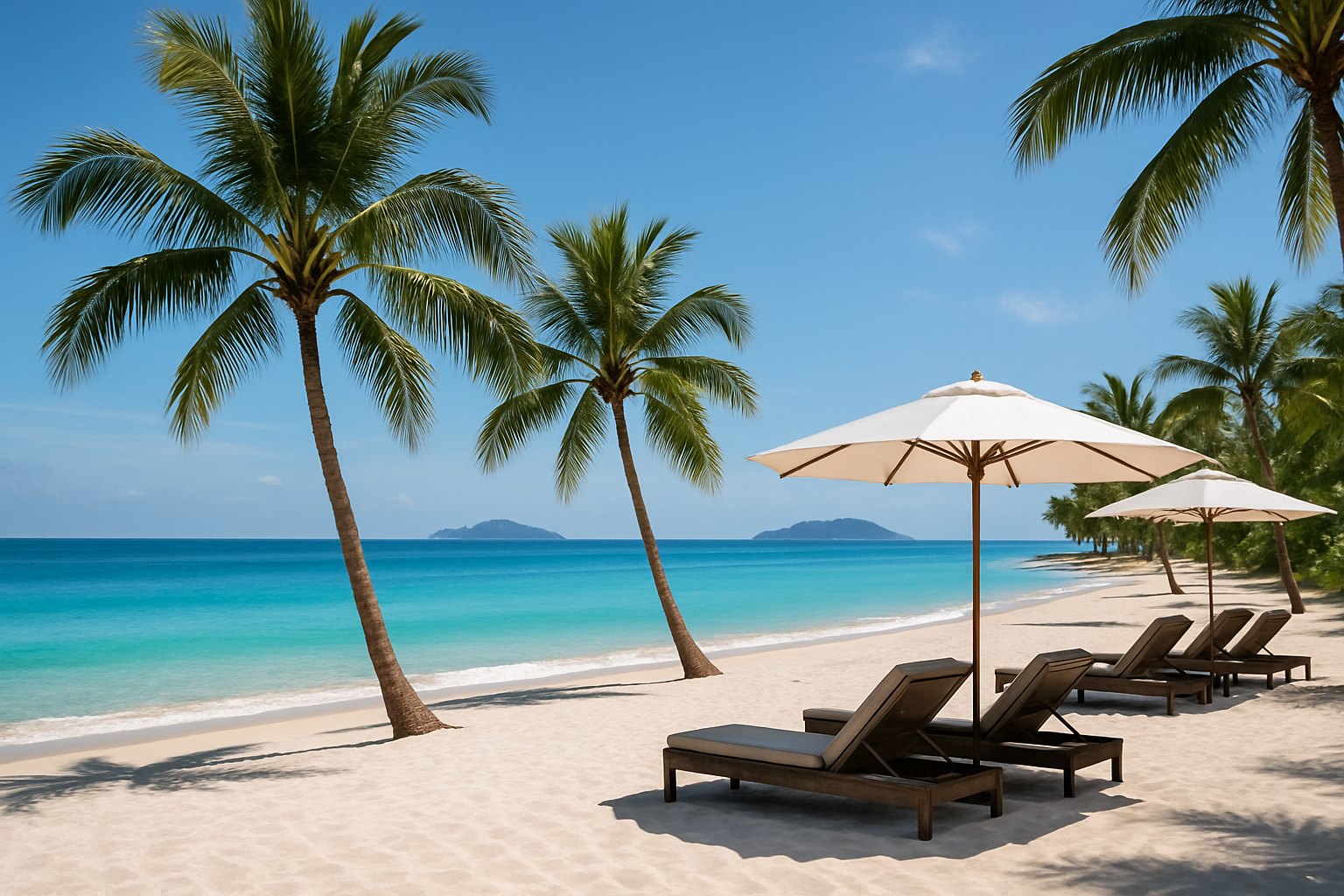
Beach vacations on Hainan are most often planned from November to April, when the air usually stays around 24–29 degrees, and the water is often comfortable for swimming. In winter, the sea near Sanya is usually warmer than the weather in the mainland part of the country, making this destination suitable for families with children, couples, and those who want to combine beaches with excursions to Nanshan Park or Yalongwan Bay. In summer, Hainan can be hot, humid, and rainy, with the risk of tropical storms depending on the season.
For a peaceful trip, it's worth avoiding periods of peak domestic tourism. Chinese New Year, which usually falls in January or February, and the "Golden Week" at the beginning of October often mean high demand for hotels, tickets, and popular attractions. If the goal is excursions without long queues, it's better to choose weekdays, the off-season, and book in advance.
The Best Hotels in China
In Beijing, it's worth choosing hotels based on the itinerary, not just the category. For the first trip, convenient areas are near Wangfujing, Dongcheng, or Qianmen, from where it's easier to reach the Forbidden City, the Temple of Heaven, and metro stations. Among well-known hotels, tourists often consider The Peninsula Beijing or Grand Hyatt Beijing, but before booking, it's important to check current living conditions, room type, and transport convenience.
In Shanghai, the most practical locations for tourists are areas near the Bund, People's Square, Nanjing Road, or Pudong. Fairmont Peace Hotel is famous for its historic building on the Bund, and Pudong Shangri-La Shanghai is convenient for those who want to stay near the business district and skyscrapers. For a short city stop, it's better to choose a hotel near the metro, as distances in Shanghai are large even by megacity standards.
On Hainan, the hotel format affects the entire vacation. In Yalongwan Bay, tourists often seek quiet beach complexes with good sea access, in Dadonghai — hotels closer to Sanya's urban infrastructure, and in Haitangwan — modern large resort hotels for a leisurely vacation. Among well-known options on the island, you can consider Atlantis Sanya, The Ritz-Carlton Sanya, Yalong Bay, or Mandarin Oriental, Sanya, but the specific choice depends on budget, beach, dining, and season.
In Xi'an, it's convenient for tourists to stay near the old city wall, Bell Tower, or Muslim Quarter. Such a location allows for evening strolls around the city and easy organization of a trip to the Terracotta Army. For Zhangjiajie and natural parks, proximity to the park entrance, transfer, and the ability to start the route early when there are fewer people on the trails are more important than the hotel brand.
The Best Resorts and Cities in China
Beijing is the main city for getting to know China's history. It's worth planning at least three days here to see the Forbidden City, the Temple of Heaven, the Summer Palace, and a section of the Great Wall. The capital is better suited for an excursion tour than for a spontaneous short visit, as major attractions require time and a pre-thought-out route.
Shanghai is chosen by tourists interested in contemporary architecture, museums, walks along the Huangpu River, and urban shopping. The Bund, Pudong district, Yu Garden, and Nanjing Road are well-suited for a first acquaintance with the city. Shanghai is convenient for couples and travelers who want to combine China with gastronomy, observation decks, and comfortable hotels.
Xi'an is an important excursion city, not a beach resort. Its main reason for a visit is the Terracotta Army, the old city wall, and the Muslim Quarter with street food. Xi'an fits well into the Beijing — Xi'an — Shanghai itinerary, especially if the tourist wants to see more than just modern metropolises.
Hainan is China's main beach destination, where tourists most often choose Sanya and the bays of Dadonghai, Yalongwan, and Haitangwan. Dadonghai is more convenient for those who need cafes, shops, and active evenings, Yalongwan for a quieter beach holiday, and Haitangwan is often considered for modern resort hotels. On the island, you can also visit Nanshan Park with the Guanyin statue and tropical forest areas.
Zhangjiajie is suitable for active travel and nature lovers. The national forest park is famous for its stone pillars, cable cars, and scenic routes, while Tianmen Mountain attracts tourists with its serpentine road and glass sections of paths. This direction is better planned considering the weather, as fog and rain can affect visibility.
Guilin and Yangshuo are worth choosing for river landscapes, karst hills, and a slower travel pace. Tourists often go on cruises or river walks on the Li River, rent bicycles in Yangshuo, and view the rural landscapes of southern China. This is a good choice after big cities when you want nature without a complex mountain route.
Nature in China
China's nature is very diverse: from the tropical beaches of Hainan to snow-covered mountains, rice terraces, karst valleys, and desert landscapes in the west. For a beach vacation, the most straightforward option is Hainan Island, with its warm sea, sandy bays, and resort infrastructure around Sanya. On the mainland, the sea isn't always the main reason for travel, so beaches should be planned based on the region and season.
Mountain and natural routes are better planned as separate parts of the journey. Zhangjiajie is suitable for scenic trails and cable cars, Huangshan is known for its granite peaks and pines, and Yunnan is interesting for its milder climate, old towns, and route to Lijiang. In such places, the views are important, as well as physical readiness for stairs, elevation changes, and early departures.
Lakes, rivers, and gardens complement urban vacations. In Hangzhou, tourists go to West Lake, in Suzhou to classic Chinese gardens, and in Guilin and Yangshuo, nature becomes the basis of the itinerary. If the trip lasts more than a week, it's worth combining one megapolis, one historical city, and one natural region to not spend all the time on transfers.
Shopping in China
For shopping in China, the most convenient cities are Beijing, Shanghai, Guangzhou, and Sanya. In Beijing, tourists often go to Wangfujing for department stores, gastronomic spots, and souvenirs, and to the Sanlitun district for modern shopping centers and international brands. On markets and in small shops, it's appropriate to clarify the quality of the goods and payment conditions, as the assortment can vary greatly.
In Shanghai, Nanjing Road is suitable for a first acquaintance with urban commerce, department stores, and large shopping galleries. The Xintiandi area is worth considering for a stroll, cafes, local designer shops, and higher quality gifts. For everyday goods, tea, sweets, and cosmetics, tourists often go to large shopping centers, where it's easier to navigate than in spontaneous markets.
On Hainan, shopping is often associated with duty-free shopping complexes in the Sanya and Haitangwan areas. There, tourists look for cosmetics, perfumes, accessories, tea, delicacies, and gift sets, but it's worth checking purchasing and receiving rules on site. Among products, it's worth paying attention to Chinese tea, dried fruits, nuts, sauces, spices, and sweets, which are easier to transport than fresh products.
What Souvenirs to Buy in China
The most practical souvenir from China is tea. Tourists often bring oolong, pu-erh, green tea lungjing from Hangzhou, or jasmine tea in gift packaging. It's better to buy tea in specialized shops or large stores, where you can clarify the origin, variety, and brewing method.
Among gastronomic gifts, it's worth considering sauces, Sichuan pepper, sesame sweets, rice cakes in factory packaging, and local snacks. For oneself, you can take chopsticks, tea ware, a small teapot, or a bowl if there's reliable packaging for luggage. Food items are better bought packaged, with a clear composition and expiration date.
Among non-edible souvenirs, porcelain items, silk scarves, paper lanterns, calligraphy sets, seals with hieroglyphs, and decorative items in Chinese style are popular. Expensive jade items, antiques, or items resembling cultural values should be bought very carefully and with documents. For simple gifts, it's better to choose modern souvenir shops rather than random points near attractions.
Holidays in China
Chinese New Year is the country's most important holiday, usually falling in January or February according to the lunar calendar. For tourists, this is a period of decorated streets, festive installations, family trips by locals, and high demand for transport. Hotels, domestic tickets, and popular excursions need to be booked in advance, and dates should be checked every year.
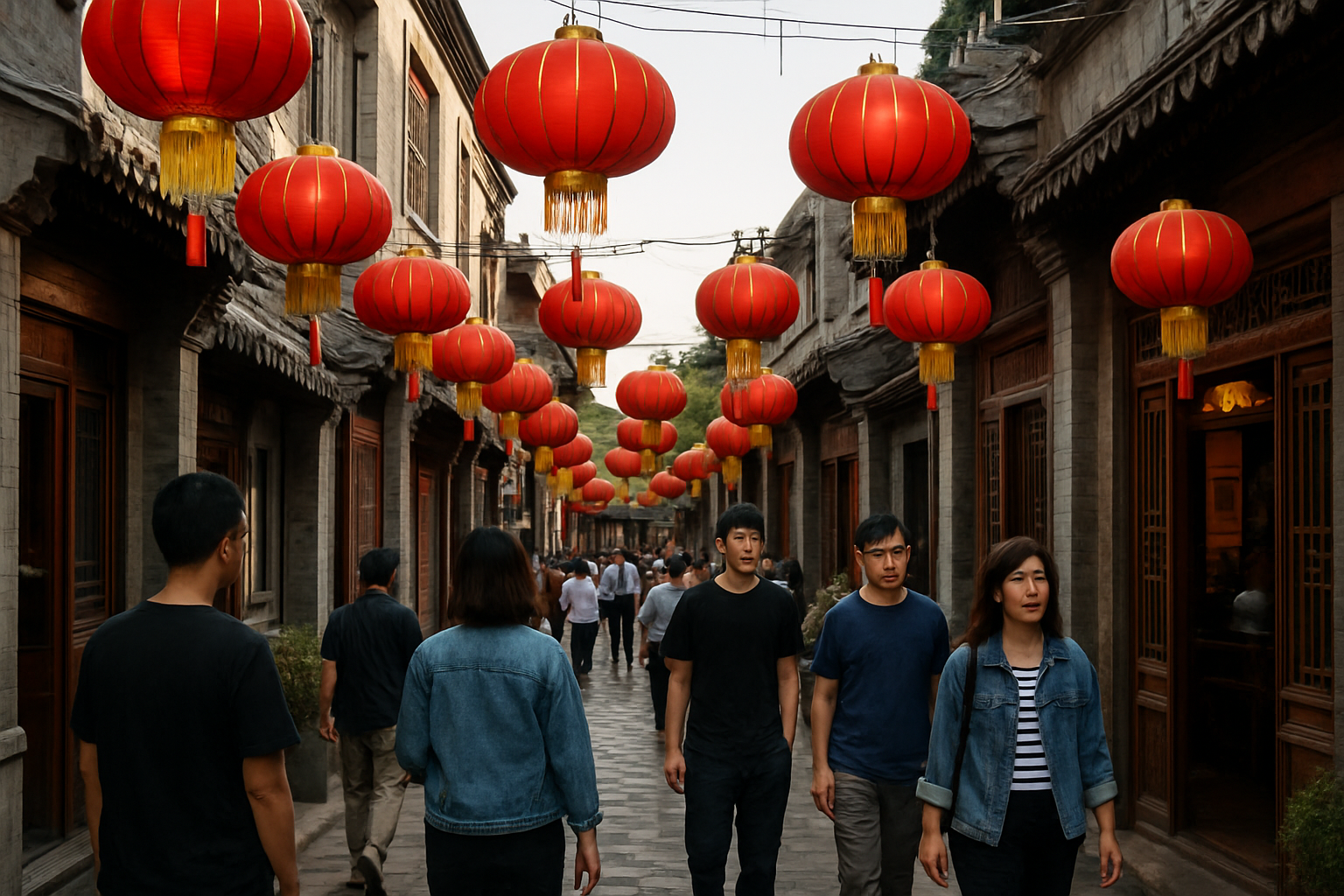
The Mid-Autumn Festival usually takes place in September or October and is associated with mooncakes, lanterns, and family gatherings. In major cities, tourists can see festive decorations in parks, shopping centers, and waterfronts. This period is interesting for gastronomy and walks, but demand for domestic trips can also increase.
At the beginning of October, a national holiday period usually takes place in China, often called the "Golden Week." For tourists, this means bustling cities, queues at famous attractions, and higher hotel occupancy in Beijing, Shanghai, Xi'an, Hangzhou, and Hainan. If you want a quieter vacation, it's better to choose dates before or after the peak week.
New Year in China
A trip to China for the calendar New Year at the end of December suits those who want to combine a city program or a beach on Hainan with a winter vacation. In Beijing at this time, it can be cold, often around zero or below, so excursions require warm clothing and shorter walks. In Shanghai, the weather is usually milder, but the damp chill can feel stronger than the thermometer shows.
For a beach vacation in winter, it's best to consider Sanya on Hainan Island. The air there is usually warm, the sea often suitable for swimming, and hotels operate in resort mode. Due to high demand for winter dates, families with children and couples should book hotels and flights in advance.
Chinese New Year is a separate event that doesn't coincide with the calendar holiday and has different dates each year. During this period, the country actively travels domestically, so itineraries with multiple cities can become more complex and expensive. If the main goal is to see the festive culture, this is an interesting time, but if a peaceful trip without crowds is needed, it's better to choose other dates.
Medicine in China
In major Chinese cities like Beijing, Shanghai, Guangzhou, and Sanya, modern medical facilities are available, but it's important for tourists to have medical insurance with emergency coverage. In private and international clinics, service can be expensive, so it's better to arrange a policy before the trip and keep insurance company's contacts on a phone and in paper form. In smaller cities, the language barrier may be more noticeable, so it's useful to have a translation of basic medical data.
The first-aid kit should be assembled in advance: familiar medicines, remedies for digestive disorders, plasters, antiseptic, sunscreen for Hainan, and medications that the tourist regularly takes. Medicines should be transported in original packaging, and for prescription drugs, have a document or doctor's prescription. It's not advisable to expect that a full equivalent of a familiar drug will be quickly found in a pharmacy.
On the trip, it's important to be cautious with water and unfamiliar food. It's better to use bottled water for drinking, and choose street food where there is an active flow of customers and dishes are prepared on-site. On Hainan, it's also important to consider the sun, humidity, and the need for sufficient water, especially during excursions and beach vacations.
Customs Rules in China
Before the trip, it's necessary to check the current customs rules in China, as the requirements for importing goods, currency, equipment, medicines, and products may change. Cash, expensive personal items, professional equipment, and jewelry should be declared if required by rules. For tourists, the best practice is to keep receipts for expensive purchases and not transport items whose origin is difficult to explain.
With medicines, special attention is needed. It's better to take drugs only for personal use, in original packaging, and with a prescription or certificate if these are prescription drugs. It's not advisable to import unknown potent drugs, herbal mixtures without labeling, or large stocks of medicines without necessity.
Alcohol, tobacco, animal products, seeds, plants, antiques, and items of cultural value may have restrictions or require declaration. Souvenirs made of jade, old items, paintings, or items resembling antiques should be bought in reliable places with documents. Before departure, it's also worth checking airline rules regarding liquids, batteries, external chargers, and electronics.
Visa Regime for Ukrainians
For Ukrainian citizens, it's necessary to check the current entry rules to China before the trip, as they may change depending on the purpose of the trip, itinerary, type of passport, and transit conditions. China is not part of the Schengen area, so the rules for visa-free travel to European countries do not apply here. For a tourist trip, it's usually necessary to clarify visa requirements, duration of stay, application, photos, hotel booking, tickets, and insurance in advance.
Separate transit or regional conditions may differ for different cities and airports, so they shouldn't be automatically applied to the whole country. If the tour includes Hainan, Beijing, Shanghai, or several cities, it's necessary to check rules specifically for the chosen itinerary. Before booking a tour to China, it's worth having a valid foreign passport with sufficient validity and clarifying requirements from official sources or a travel specialist.
Tours to China
China should be considered as a destination where the tour format needs to be tailored to the season and itinerary. For a first visit, the excursion program Beijing — Xi'an — Shanghai works well, for winter seaside vacations — Hainan, and for more active travel — Zhangjiajie, Guilin, Yangshuo, or Yunnan. If the vacation is short, it's better not to overload it with many transfers, as the country is large, and distances between regions are significant.
Through Farvater Travel, you can choose tours to China considering the season, budget, desired vacation format, and hotel level. For Hainan, beach, family, and romantic tours are appropriate, including options with hotel meals if the tourist wants to spend less time on everyday issues at the resort. For the mainland part, it's better to consider excursion routes with verified logistics, convenient hotel locations, and sufficient time for major attractions.
Early booking is especially useful for trips to Hainan in winter, travels during holidays, and itineraries with domestic flights or high-speed trains. Last-minute tours may occur, but for China, it's not always convenient to wait until the last moment, as visa issues, flights, and hotels are better planned in advance. The optimal tour to China is not just a choice of city but a combination of the right season, convenient area of stay, realistic pace, and those places that are truly worth flying for.