Lithuania: Vacation, Seasons, Resorts, and Tours - Farvater Travel
Lithuania is suitable for tourists who want to combine a short European trip, a tranquil Baltic coast, old towns, lakes, and wellness relaxation. It's convenient to plan a tour for a few days in Vilnius, a week by the sea in Palanga or Nida, or a leisurely trip to Druskininkai with therapeutic treatments. The country is compact, so it's easy to see the capital, Trakai Castle, Kaunas, and part of the coast in one trip.
Vacationing in Lithuania should not be perceived as a classic beach destination with guaranteed heat. The Baltic Sea is cool, the weather is changeable, and the season by the water is shorter than in the Mediterranean. Instead, Lithuania is well-suited for excursions, family walks, gastronomic discoveries, spa formats, and trips without long transfers between regions.
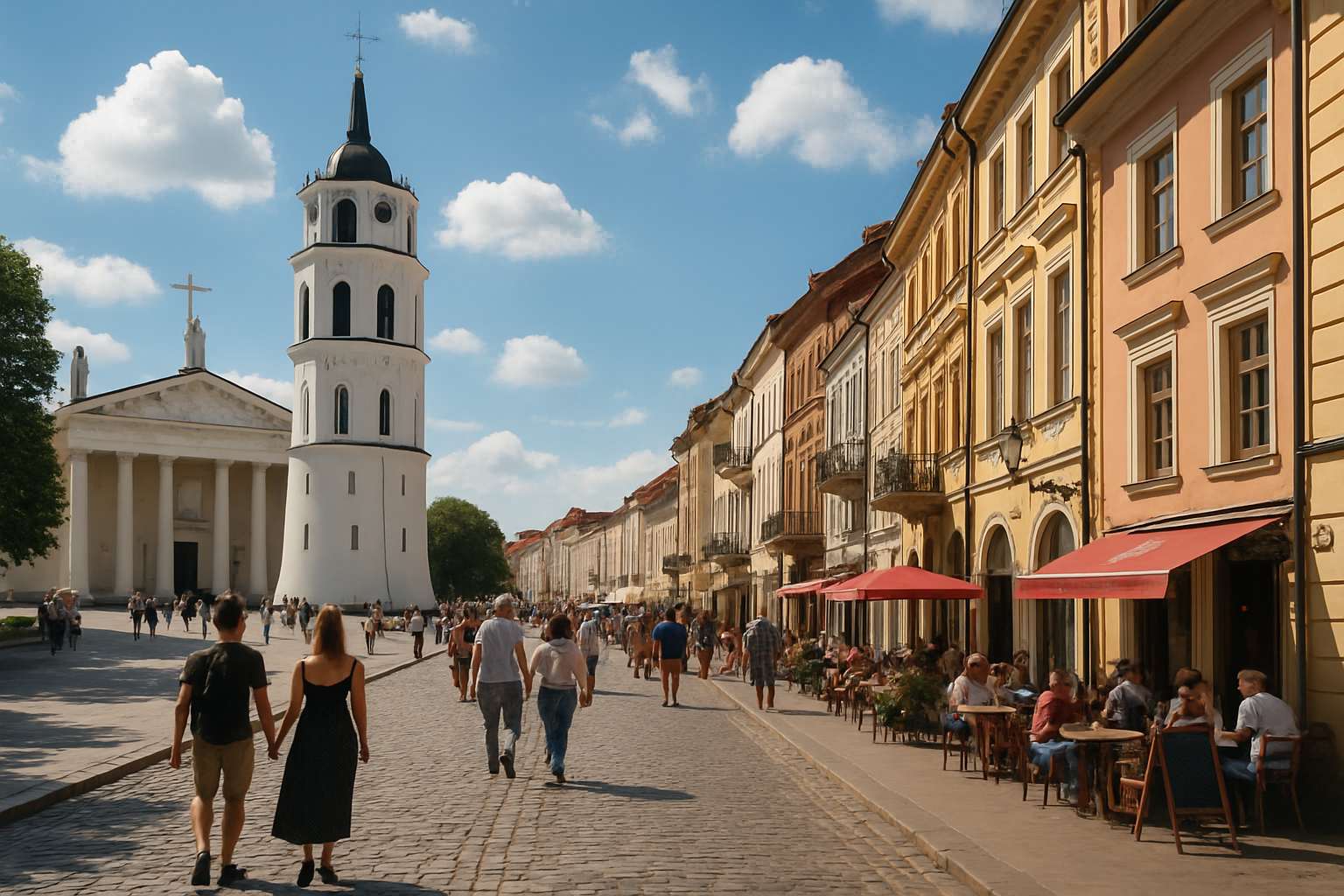
First impressions of Lithuania are usually associated with clean historical centers, a leisurely pace, and a lot of greenery even in cities. In Vilnius, tourists head to the Cathedral Square, Pilies Street, the Gates of Dawn, and the Užupis district, while on the coast, they look for pine forests, dunes, and wooden villas of Palanga. A trip to Lithuania is worth considering for those who appreciate meaningful relaxation without excessive resort noise.
5 Reasons to Visit Lithuania
1. Convenient format for a short trip. Vilnius, Trakai, and Kaunas can be combined into one itinerary for a few days, and the distances between the main tourist cities are not exhausting. This is important for tourists who do not want to spend a lot of time on transfers.
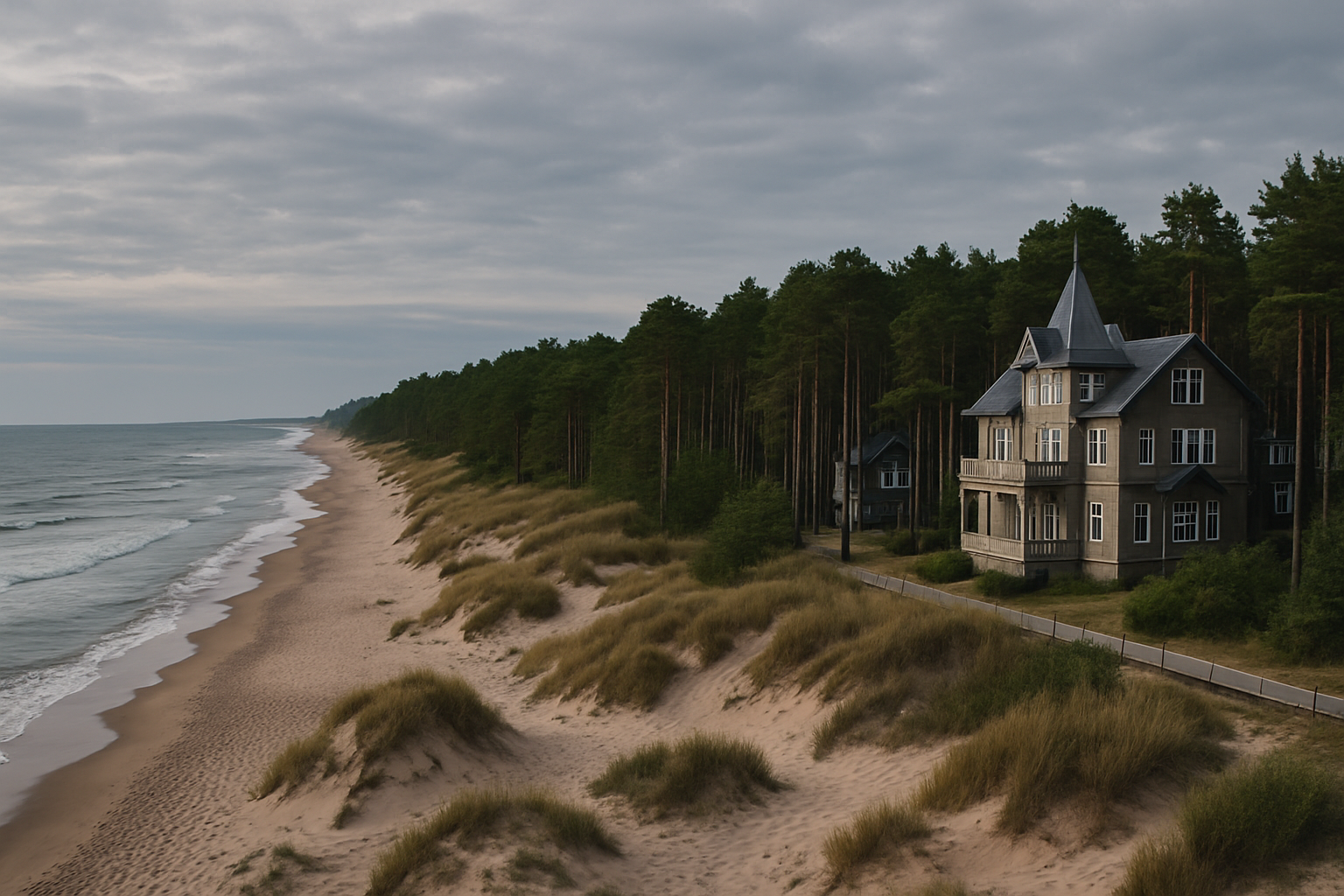
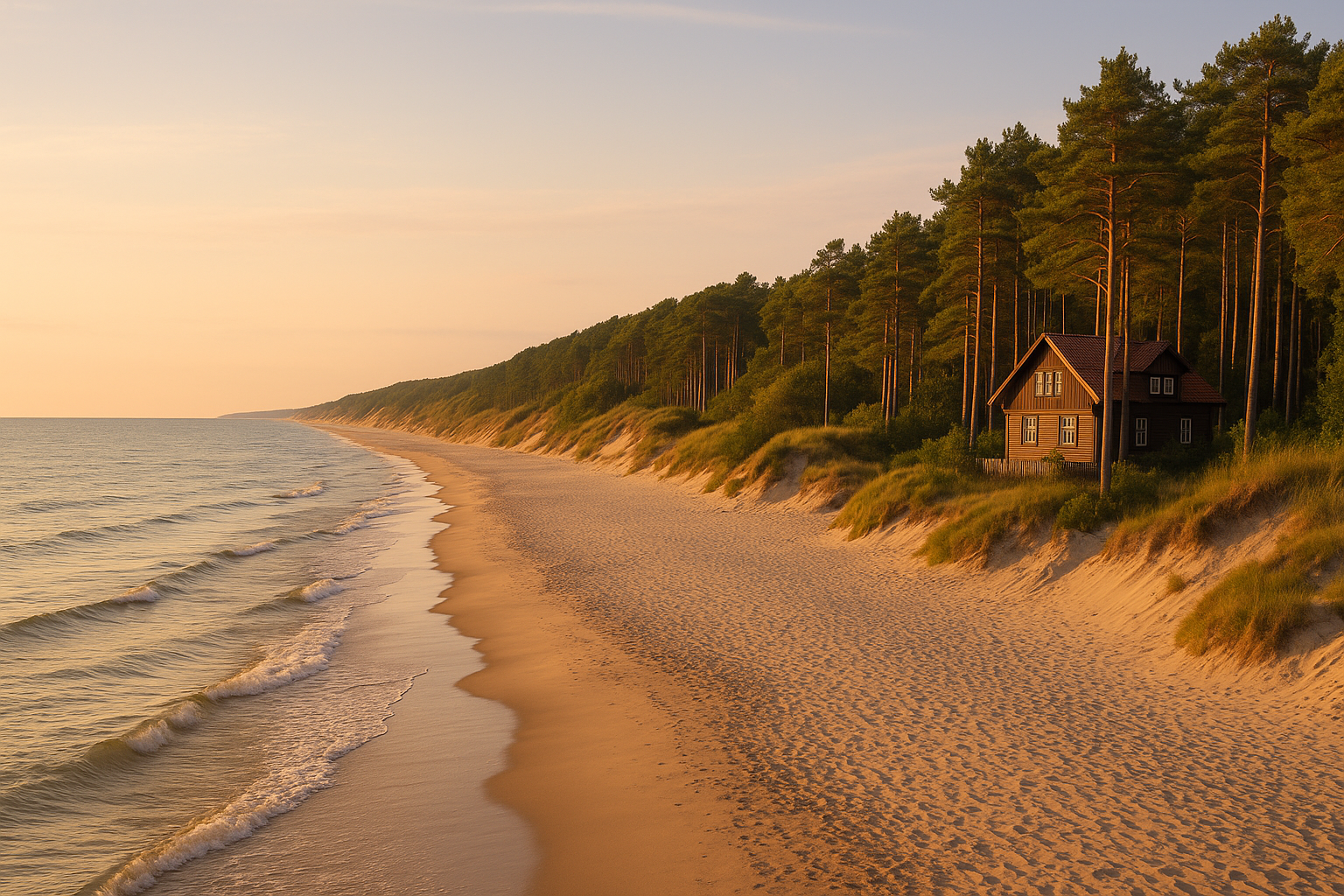
2. The Baltic coast with a different pace of relaxation. Palanga is suitable for those who want more cafes, walks, and family infrastructure, while Nida and the Curonian Spit will appeal to tourists seeking silence, dunes, and nature. The beaches here are wide, sandy, and cool in mood, without the heat of southern seas.
3. Strong excursion route. The old town of Vilnius is a UNESCO World Heritage site, Trakai Castle stands on an island among lakes, and Kaunas is known for its modernist architecture. For a first trip, this is enough to make a rich but not overloaded tour.
4. Wellness vacation in Druskininkai and Birštonas. These resorts are chosen for mineral waters, sanatoriums, treatments, walks by the Nemunas River, and a calm daily routine. This format is well-suited for couples, older tourists, and those who want to recover after a busy schedule.
5. Understandable European infrastructure. Lithuania uses the euro, public transport works well in cities, and it's easy to find hotels, apartments, cafes, and supermarkets in tourist areas. This makes booking and the trip itself more predictable, especially for a first trip to the Baltics.
When is the Best Time to Go to Lithuania
The high season in Lithuania usually falls in June, July, and August, especially on the Baltic coast. During this time, air temperatures often linger around 20-25 degrees, but individual days can be cooler or hotter. The water in the Baltic Sea in summer usually warms to about 17-20 degrees, so beach vacations are more suitable for those who are comfortable with cool sea.
May and September are convenient for excursions, walks in Vilnius, trips to Trakai, Kaunas, and national parks. The air is often within 12-20 degrees, there are fewer tourists, and hotel prices outside holidays can be calmer than in July. For couples and travelers who do not plan to swim every day, this is one of the most comfortable periods.
Winter in Lithuania is cool, with temperatures ranging from below zero to a few degrees above, snow is possible but not guaranteed. The country does not offer a classic ski format, but December and January are interesting for Christmas markets, illuminated squares, and calm city walks. For a New Year's trip, it's better to book hotels in the center of Vilnius, Kaunas, or Druskininkai in advance.
For families with children, the most convenient period by the sea is July and the first half of August, when there are more chances for warm days and the resort infrastructure of Palanga is operating. Shopping enthusiasts should look at winter and summer sales, which often take place after the holidays and in mid-summer. If the goal is sanatoriums, peace, and treatments, Druskininkai and Birštonas can be considered almost year-round, but it's better to check the weather for walks before booking.
The Best Hotels in Lithuania
Pacai Hotel in Vilnius is located in the old part of the city and is suitable for tourists who want to live close to the main pedestrian routes. It is often chosen for romantic trips, business travels, and short weekend tours. Before booking, it's worth checking the room category, as historical buildings can have different layouts.
Grand Hotel Vilnius near Cathedral Square is convenient for those who plan to walk a lot in the center and do not want to use transport every day. Nearby are the Cathedral, Gediminas Tower, Gediminas Avenue, and museums in the central part of the city. This option is more suitable for tourists who value location and city-level service.
Palanga Life Balance in Palanga is considered by tourists who need a quieter vacation by the sea, walks along pine alleys, and access to resort infrastructure. Palanga is lively in summer, so it's better to book hotels here earlier, especially on weekends and during holiday periods. This region is suitable for families, couples, and tourists who want to combine the beach with restaurants and evening walks.
Gradiali in Palanga is oriented towards a resort and wellness format, so it is often considered for a calmer stay than in the very center of the resort. Tourists should check current accommodation packages, meals, and treatments before payment, as conditions depend on the season. For a summer trip, not only hotel services but also the distance to the sea and availability of parking will be important.
Spa Vilnius Druskininkai is a well-known option for wellness relaxation in one of the main spa towns of Lithuania. Druskininkai is chosen not for the sea, but for treatments, mineral waters, a water park, forest trails, and a calm pace. Such a hotel is appropriate for tourists who want not just to spend the night, but to create a full-fledged rest program.
The Best Resorts and Cities in Lithuania
Vilnius is the main city for a first trip to Lithuania, especially if the tourist wants to see architecture, museums, cafes, and the old town without a resort attachment. Must-see places for the route are Cathedral Square, Gediminas Tower, the Gates of Dawn, Pilies Street, and the Užupis district. It's convenient to live in the center if the trip is short, or a bit further from the old town if the budget is more important.
Trakai is not a beach resort but an excursion destination by the lakes, which is easy to visit from Vilnius. The main attraction is the island Trakai Castle, and here it's also worth trying Karaite kibinai with meat or cheese filling. The city is suitable for a one-day trip, a photo walk, and light water activities in the warm season.
Kaunas is interesting for tourists who have already seen Vilnius or want a less obvious city route. In the city, it is worth paying attention to Laisvės Alley, the old town, Kaunas Castle, Čiurlionis Museum, and interwar modernist architecture. Kaunas is well-suited for a one or two-night trip, especially in combination with Vilnius.
Palanga is Lithuania's main seaside resort with a long pier, Basanavičius Street, beaches, pines, and the Amber Museum in the Tyszkiewicz Palace. In summer, it has the most tourists, seasonal cafes, attractions, and family infrastructure. For a quieter vacation, it's better to choose areas not on the main street or go in June or September.
Klaipėda is a port city and a convenient base for trips to the Curonian Spit. Tourists are interested in the old town, Theatre Square, the embankments, the Lithuanian Sea Museum, and the dolphinarium, which are reached via Smiltynė. This is not a classic beach resort, but a good choice for those who want to combine the city, the sea, and day trips.
Nida and the Curonian Spit are suitable for tourists seeking nature, dunes, cycling routes, and silence. Here it's worth seeing the Parnidis Dune, the Thomas Mann House-Museum, pine forests, and beaches on the Baltic Sea side. Accommodation on the spit in summer is often booked in advance because the number of places is limited, and demand is high.
Druskininkai and Birštonas are wellness resorts where relaxation revolves around treatments, mineral water, parks, and leisurely walks. In Druskininkai, the water park, cable car, and forest trails are popular, while Birštonas is more suitable for quiet recovery by the Nemunas. These cities are appropriate for travel outside the beach season when the sea is no longer the main argument.
Nature in Lithuania
The nature of Lithuania is best revealed not through mountains but through forests, lakes, sandy dunes, and the Baltic coast. The Curonian Spit is one of the main natural areas of the country: here, the sea, lagoon, pine massifs, and high sandy dunes are combined. Due to the fragility of the landscape, it's important for tourists to stick to marked trails and not step onto closed dune areas.
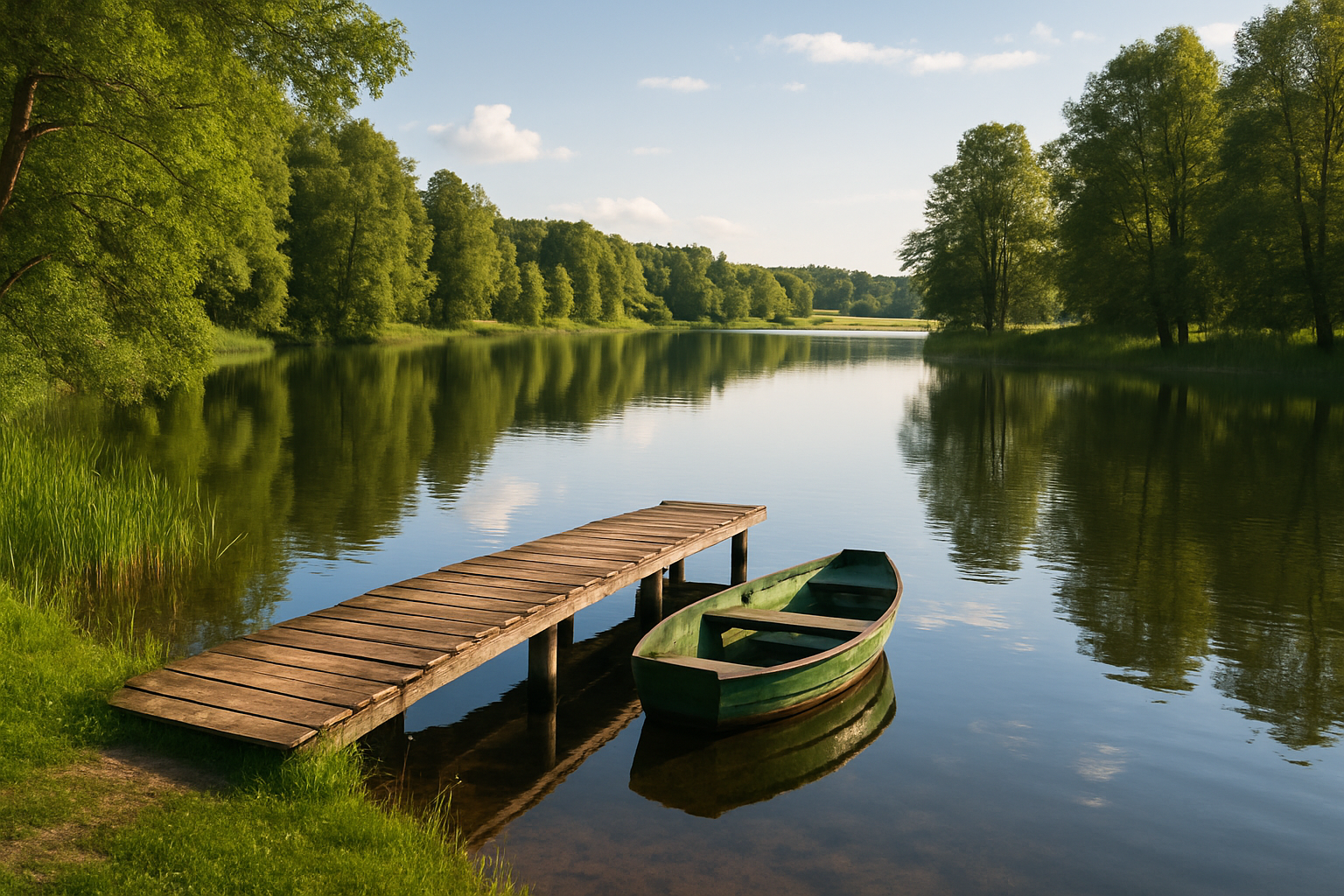
For active recreation, consider the Aukštaitija National Park with lakes, forests, and routes for hiking and cycling. Žemaitija National Park around Lake Plateliai is suitable for those who want to see less urban Lithuania and spend time by the water without the hustle and bustle of a sea resort. In the Nemunas Delta, it's interesting to watch birds, especially during migration periods, but conditions depend on the season and weather.
The beaches of Lithuania are sandy, wide, and often surrounded by pines, but the Baltic Sea remains cool even in summer. For swimming, it's better to plan for July and August, and for coastal walks, May, June, and September are also suitable. If a tourist needs warm water and guaranteed heat, Lithuania is better chosen not as a beach alternative to southern resorts but as Baltic relaxation with nature and excursions.
Shopping in Lithuania
For shopping in Vilnius, the Akropolis, Panorama, and Europa shopping centers are convenient, where clothing, cosmetics, home goods stores, and cafes are gathered. Akropolis is suitable for practical shopping in one place, Panorama is more interesting for those looking for a calmer format, and Europa is convenient for tourists in the business part of the city. In the old town, it's worth visiting small shops with linen, amber, ceramics, and local sweets.
The Hales Market in Vilnius is appropriate for gastronomic purchases: here, they look for cheese, bread, smoked products, honey, seasonal berries, and ready meals for a quick snack. In Kaunas, tourists can conveniently combine a walk along Laisvės Alley with shops and cafes, and the Akropolis shopping center helps cover basic purchases without long transfers. In Klaipėda, shopping is often combined with a trip to the coast, so it's better to plan purchases before or after an excursion to the Curonian Spit.
Seasonal sales in Lithuania often occur after the winter holidays and in mid-summer, but specific dates depend on the stores. Tourists from outside the European Union can under certain conditions arrange a tax refund on purchases, so receipts and documents should be kept until departure. Prices for souvenirs vary greatly: factory trinkets are more affordable, while authorial amber, handmade linen, or ceramics are noticeably more expensive.
What Souvenirs to Buy in Lithuania
The most famous souvenir from Lithuania is amber, which is sold in the form of jewelry, small figurines, keychains, and decorative items. It's best to buy it in specialized shops or museum-stores, where it's easier to get a receipt and clear origin of the product. In Palanga, it's logical to combine the purchase with a visit to the Amber Museum to better understand the quality and types of stone.
From gastronomic souvenirs, consider Lithuanian hard cheese, rye bread, honey, herbal teas, smoked products, chocolate, and šakotis — a traditional branch-like cake. For tasting during the trip, try cepelinai, Lithuanian cold beet soup, potato pancakes, kibinai in Trakai, and local kvass. Alcoholic beverages and honey tinctures are better purchased considering the customs regulations of the country of entry.
A practical souvenir is Lithuanian linen: tablecloths, napkins, towels, shirts, or light dresses. In small designer shops in Vilnius and Kaunas, you can find ceramics, candles, wooden products, and minimalist accessories by local craftsmen. If luggage is limited, it's better to choose textiles, sweets, or small amber jewelry rather than fragile decorative items.
Holidays in Lithuania
The Kaziukas Fair in Vilnius usually takes place at the beginning of March and fills the central streets with crafts, food, wooden products, linen, and ceramics. For a tourist, this is a good time to buy souvenirs without going to separate markets, but hotels in the center may be in higher demand. Dates should be checked before booking, as the program is updated each year.
In June, Lithuanians celebrate Joninės, or the summer solstice festival, with bonfires, music, and events in nature. Tourists are interested in observing local traditions, but popular vacation spots may have more people than on regular weekdays. In July, Klaipėda hosts the Sea Festival, associated with the port, concerts, fairs, and a high demand for accommodation.
On the sixth of July, Statehood Day is celebrated, and in the evening, Lithuanians traditionally sing the national anthem in different cities across the country. In December, Vilnius and Kaunas attract with Christmas markets, trees on central squares, and festive walking routes. For such periods, it's better to book hotels in advance, especially if you need a location near the old town.
New Year in Lithuania
New Year in Lithuania is not suitable for a beach holiday but for a winter city trip with markets, cafes, museums, and evening walks. The weather at the end of December often fluctuates around zero, with possible snow, rain, wind, and slippery sidewalks. For a comfortable trip, warm outerwear, waterproof shoes, and a plan with extra time for transfers are needed.
The most popular option is to stay in Vilnius near the old town, to walk to Cathedral Square, Gediminas Avenue, and Christmas locations. Kaunas is suitable for a calmer alternative to the capital, and Druskininkai is for those who want to combine the holidays with treatments, pools, and forest walks. Holiday dinners, popular restaurants, and hotels with good locations should be booked in advance.
Palanga in winter is much quieter than in summer but may appeal to tourists who want to see the sea without crowds. Consider the wind, short daylight hours, and that some seasonal establishments on the coast may not be operational. If the main goal is a festive program, it's better to choose Vilnius or Kaunas, and leave the sea for a short trip.
Medicine in Lithuania
The medical infrastructure in Lithuania generally corresponds to the European level, especially in major cities and resort centers. Tourists should arrange travel medical insurance that covers emergency care, outpatient treatment, and possible expenses related to returning home. Before purchasing a policy, it's important to check if it is valid in Schengen countries and if it suits the planned vacation format.
Pharmacies are available in Vilnius, Kaunas, Klaipėda, Palanga, Druskininkai, and other tourist cities, but in small settlements, the schedule may be shorter. It's better to take personal medications with a reserve in factory packaging, and for prescription drugs, have a doctor's prescription or confirming document. It's appropriate to add cold remedies, plasters, medications you use regularly, and insect repellent for forest walks to the travel first aid kit.
Climatic risks in Lithuania are associated not with heat but with changeable weather, wind on the coast, ticks in forests, and the cool water of the Baltic Sea. In summer, sunscreen is still needed because on the beach and near the dunes, the sun can be active even at moderate temperatures. Tap water in cities is usually suitable for drinking, but tourists with sensitive stomachs find it easier to buy bottled water in the first days of the trip.
Customs Regulations of Lithuania
Lithuania is part of the European Union and the Schengen area, so customs rules are related both to Lithuanian legislation and general European Union norms. Large sums of cash, commercial quantities of goods, valuable items, and new equipment may require declaration. Exact thresholds and requirements should be checked before the trip, as rules may change.
Alcohol and tobacco are only allowed to be imported within limits for personal use, which depend on the traveler's age, country of arrival, and method of crossing the border. It's advisable to transport medications in original packaging, and prescription drugs with a doctor's document, especially if they contain controlled substances. For amber, antiques, art objects, and expensive purchases, it's better to keep receipts to avoid questions at customs.
Animal products, plants, seeds, and certain foodstuffs may have restrictions on import or export. If planning to buy cheese, smoked products, honey drinks, or other gastronomic souvenirs, check the rules of the country you are returning to. Personal travel items usually do not cause problems if their quantity matches the length of the trip and does not look like goods for sale.
Visa Regime for Ukrainians
Lithuania is a Schengen zone country, so Ukrainian citizens can usually travel visa-free for up to 90 days within 180 days if they have a biometric passport. Before booking, it's necessary to check the current entry rules, as conditions may change depending on government decisions, security situations, and the purpose of the trip. At the border, they may ask to confirm the purpose of travel, accommodation booking, return route, insurance, and sufficient funds for the stay.
If there is no biometric passport or a longer stay than the visa-free term is planned, it's necessary to clarify visa or other legal entry grounds in advance. For a short visa-free tourist trip, the consular fee for a visa is usually not charged, but the tourist pays for insurance, transport, accommodation, and other services. Separate rules may apply to people with temporary protection status, work purposes, or studies, so such cases should be checked individually.
Lithuania is well-suited for tourists who want a meaningful vacation in Europe without excessive distances between cities, the sea, and natural locations. For a first trip, it's logical to choose Vilnius with a trip to Trakai, for summer — Palanga, Nida, or Klaipėda, and for wellness — Druskininkai or Birštonas. If time allows, the itinerary can be supplemented with Kaunas, the Curonian Spit, the Amber Museum in Palanga, and walks by the lakes.
You can get to Lithuania through the international airports of Vilnius, Kaunas, and Palanga, or by land routes through neighboring countries, but current connection options should be checked before booking. Within the country, it's convenient to travel by buses, trains, intercity routes, or rented cars, especially if planning the Curonian Spit, lakes, and spa towns. In the old centers of Vilnius, Kaunas, and Klaipėda, it's better to walk more as parking may be limited.
Tours to Lithuania
Through Farvater Travel, you can choose tours to Lithuania for different formats: excursion trips to Vilnius, family vacations on the Baltic coast, romantic weekends, wellness programs in spa towns, or a combined itinerary with several regions. The "all-inclusive" format is not the main one for Lithuania, so tourists often choose hotels with breakfasts, apartments, or packages with procedures at resorts. Early booking is especially appropriate for Palanga, Nida, New Year's dates, and popular holidays, while last-minute tours are worth considering for flexible travelers who are not tied to a specific hotel or resort.
Lithuania is best suited for those who want to combine old towns, the Baltic Sea, nature, spa relaxation, and a calm European service. It is less predictable for a classic beach tour due to the cool sea, but strong in routes with Vilnius, Trakai, Kaunas, Palanga, Nida, and Druskininkai. If the season, region, and hotel are correctly chosen, the trip to Lithuania will be rich without haste and unnecessary transfers.