Malaysia: Vacation, Seasons, Resorts, and Tours - Farvater Travel
Malaysia suits tourists who want to combine a beach holiday, modern cities, tropical nature, and a rich excursion program in one trip. You can spend a few days in Kuala Lumpur, then relax on the islands of Langkawi or Perhentian, and, if desired, add Borneo with national parks, orangutans, and diving.
The country is convenient for combined tours: flights are often planned through the capital, and then the choice is made between the coast, islands, or cities with cultural heritage. Rest in Malaysia should be selected by region and season, as the weather on the western and eastern coasts differs, and some islands may be less comfortable for beach activities during the monsoon season.
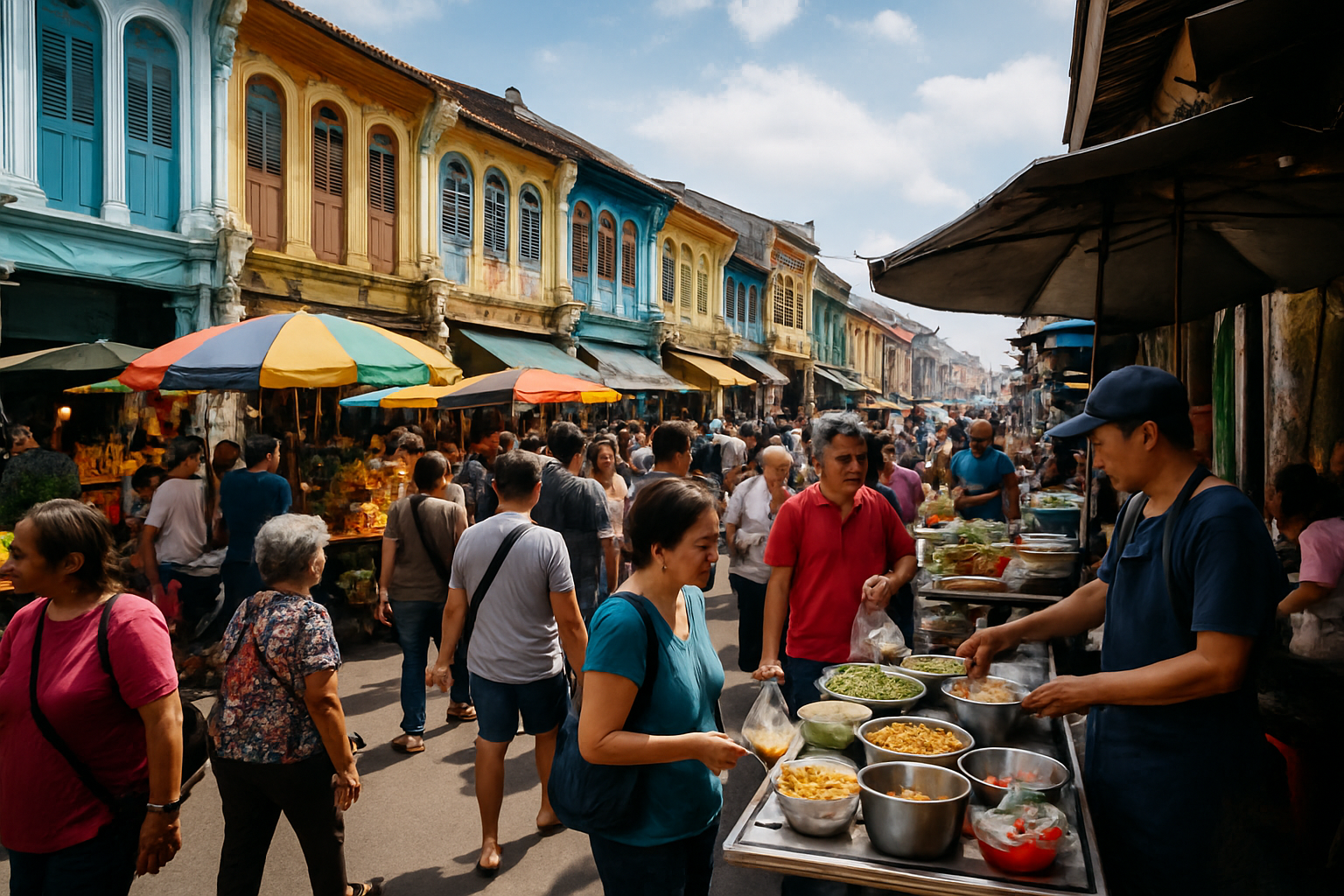
Malaysia should be considered by those who do not want to limit themselves to just a hotel. Here, you have Penang street food, Cameron Highlands tea plantations, colonial Malacca, Kuala Lumpur skyscrapers, Langkawi mangrove forests, and Sabah sea parks. The travel format can be calm, family-oriented, romantic, or active if the itinerary is correctly planned in advance.
5 Reasons to Visit Malaysia
1. Different vacation formats within one country. In Malaysia, you can combine Langkawi beaches, Kuala Lumpur walks, Georgetown gastronomy, and Borneo nature without feeling that the entire trip follows one scenario.
2. Strong seasonality helps to choose the direction more accurately. In winter, the western coast is more often chosen, particularly Langkawi and Penang, while in spring and summer, the eastern coast islands, including Perhentian, Redang, and Tioman, often prove more comfortable for beach holidays.
3. The country is well-suited for the first trip to Southeast Asia. In tourist areas, there is a developed hotel base, large shopping centers, understandable urban infrastructure, and routes between popular cities and islands have long been established.
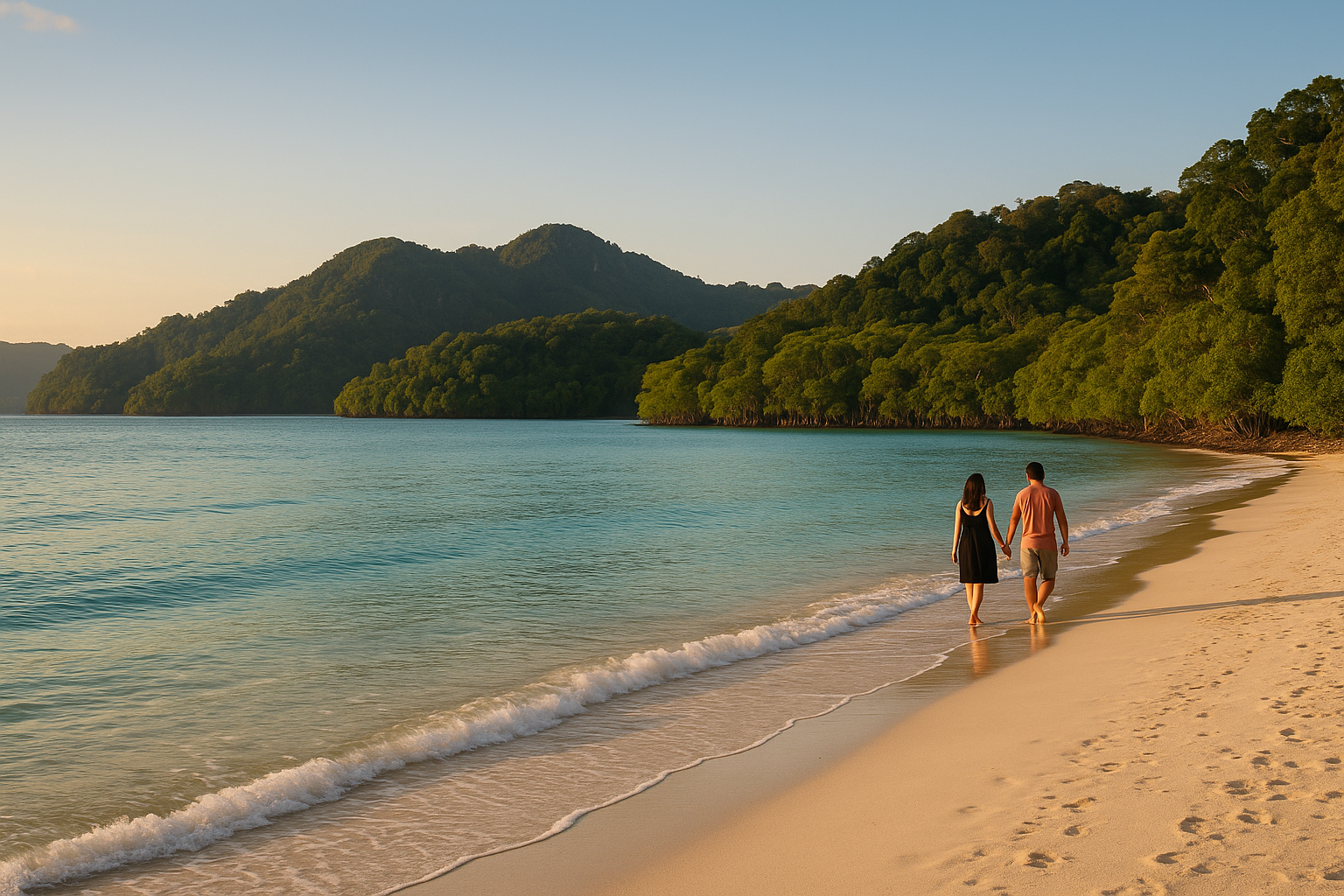
4. Malaysia is interesting for families and couples. Families often choose resorts with gentle beaches and a calm pace, while couples opt for island hotels, excursions to mangrove forests, evening walks along promenades, and routes with several regions.
5. You should plan the gastronomic part of your journey here. In Malaysia, Malay, Chinese, and Indian traditions have mixed, so tourists should try nasi lemak, laksa, satay, roti canai, char kway teow, white coffee from Ipoh, and tea from Cameron Highlands plantations.
When is the Best Time to Travel to Malaysia
The climate in Malaysia is equatorial: it is usually warm and humid throughout the year, with air temperatures often ranging from about 27-32 degrees, and coastal waters heated to approximately 27-30 degrees. The main difference is not in cold or warm seasons, but in the amount of rainfall and monsoon direction. Therefore, when booking a tour, it is important to consider not only the month but also the specific region.
For Langkawi, Penang, and the western coast of the peninsula, December, January, February, and March are often considered the most comfortable periods. During this time, there is a greater chance of sunny days, the sea is usually calmer, and the demand for hotels increases due to winter holidays and New Year's trips. Families with children and tourists who want more beach time and less risk of prolonged rains should consider these months, but it is better to book in advance.
The eastern coast of Malaysia, including the Perhentian, Redang, and Tioman islands, is more often chosen from March-April to September. During the northeast monsoon period, approximately from November to February, the sea can be rough, and some ferry connections and resort infrastructure operate on a limited basis or with interruptions. For snorkeling, diving, and peaceful beach holidays, these islands are better planned for drier months.
Kuala Lumpur, Malacca, and Georgetown can be visited almost year-round, but be prepared for short heavy showers, especially in the afternoon. For excursions, shopping, and city routes, rains are not always critical if you have a flexible schedule and choose a hotel in a convenient area. Cameron Highlands has a cooler climate, often around 15–25 degrees, so this region is suitable for those who want to escape the heat and see tea plantations.
Borneo, particularly Sabah and Sarawak, has its own climatic nuances: rains are possible in any season, but some months are usually more comfortable for trekking, sea trips, and wildlife watching. For Kota Kinabalu, the islands of the Tunku Abdul Rahman Marine Park, and areas near Mount Kinabalu, it is worth checking the forecast closer to travel dates. Active tourists should leave a spare day in the itinerary because the weather in the mountains and at sea can change plans.
The Best Hotels in Malaysia
On Langkawi, tourists often look for beach hotels with direct access to the sea or tranquil bays. "The Datai Langkawi" is located in the northwestern part of the island and is suitable for those who want more nature and tranquility than active nightlife. It should be considered for a romantic trip or a peaceful holiday if the budget allows for a high-level resort format.
"Four Seasons Resort Langkawi" is also among the well-known hotels on the island, located in the Tanjung Rhu beach area. This option is usually chosen by tourists who want a more private resort environment, beautiful coastline, and a slow pace of relaxation. Before booking, it is worth checking the current accommodation conditions and type of meals, as not all beach hotels in Malaysia operate on the "all-inclusive" system familiar in other destinations.
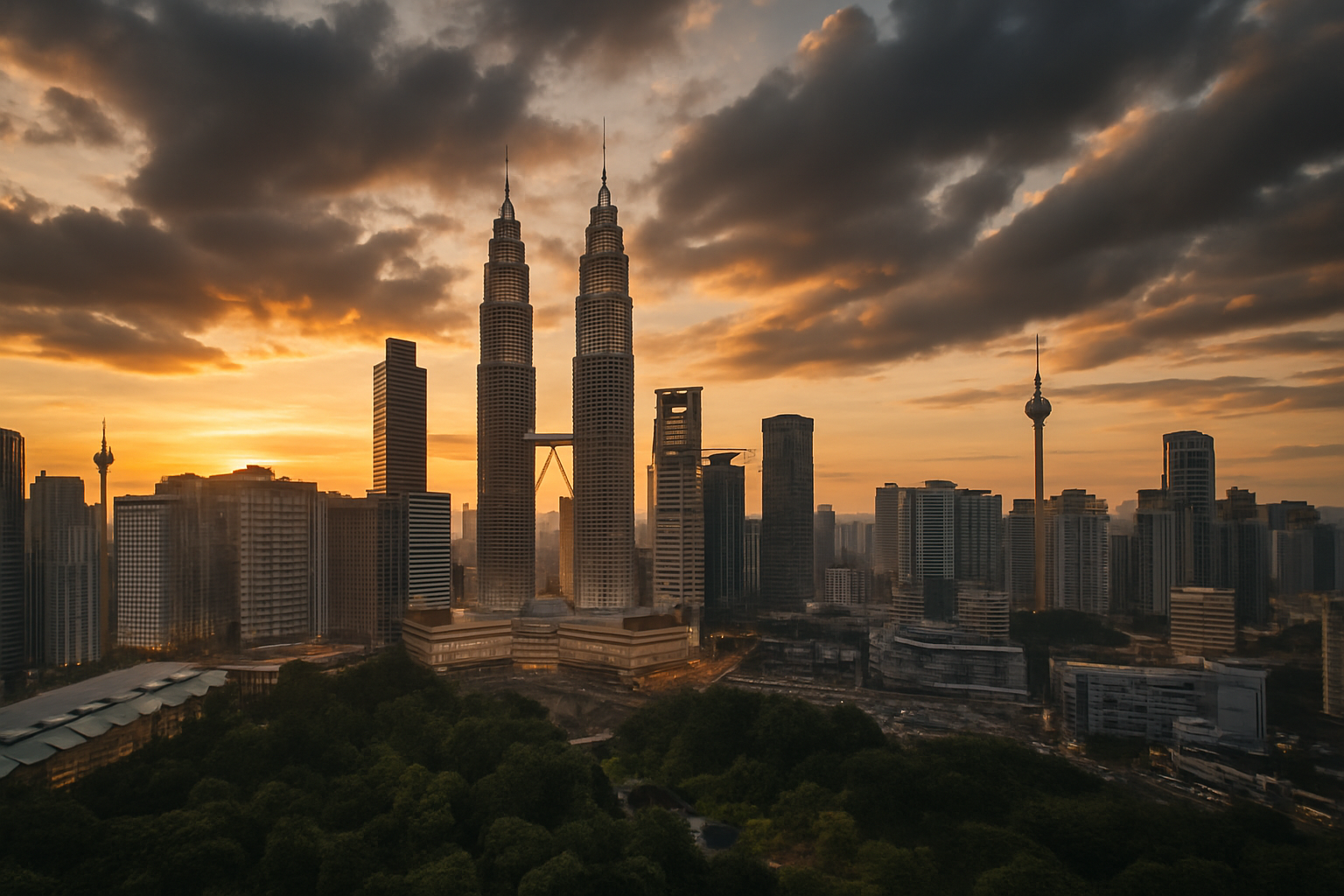
In Kuala Lumpur, the logic of choosing a hotel is different: here, the important factors are the area, proximity to the metro, shopping centers, and attractions. "Mandarin Oriental Kuala Lumpur" is convenient to consider for a short stop in the capital, a business trip, or a city vacation near the Petronas Towers area. "Traders Hotel Kuala Lumpur" is also often chosen by tourists who value a location near the city's central part.
On Penang, it is worth paying attention to the difference between hotels in Georgetown and the Batu Ferringhi beach area. "Eastern & Oriental Hotel" in Georgetown suits those who want to live closer to the historic center, street food, and colonial architecture. For a more beach-oriented format, tourists more often look at hotels in Batu Ferringhi, but the sea there is not always Penang's main advantage, so the region is better perceived as a combination of city, cuisine, and coastline.
In Sabah, a popular option is "Shangri-La Rasa Ria Kota Kinabalu," which is considered for a beach holiday with access to the region's natural routes. Kota Kinabalu is convenient as a base for sea excursions, trips to parks, and starting journeys into the interior of Borneo. If the main goal is diving near Sipadan, it is better to choose a hotel not in Kota Kinabalu itself but closer to the relevant diving routes and considering seasonality.
The Best Resorts and Cities in Malaysia
Kuala Lumpur is not a beach resort, but it is almost always included in the itinerary of a trip to Malaysia. Tourists come here for the Petronas Towers, Batu Caves, Bukit Bintang area, shopping centers, and evening walks near the central park. For a first visit, two or three nights are usually enough if you do not plan separate museum, temple, and gastronomic routes.
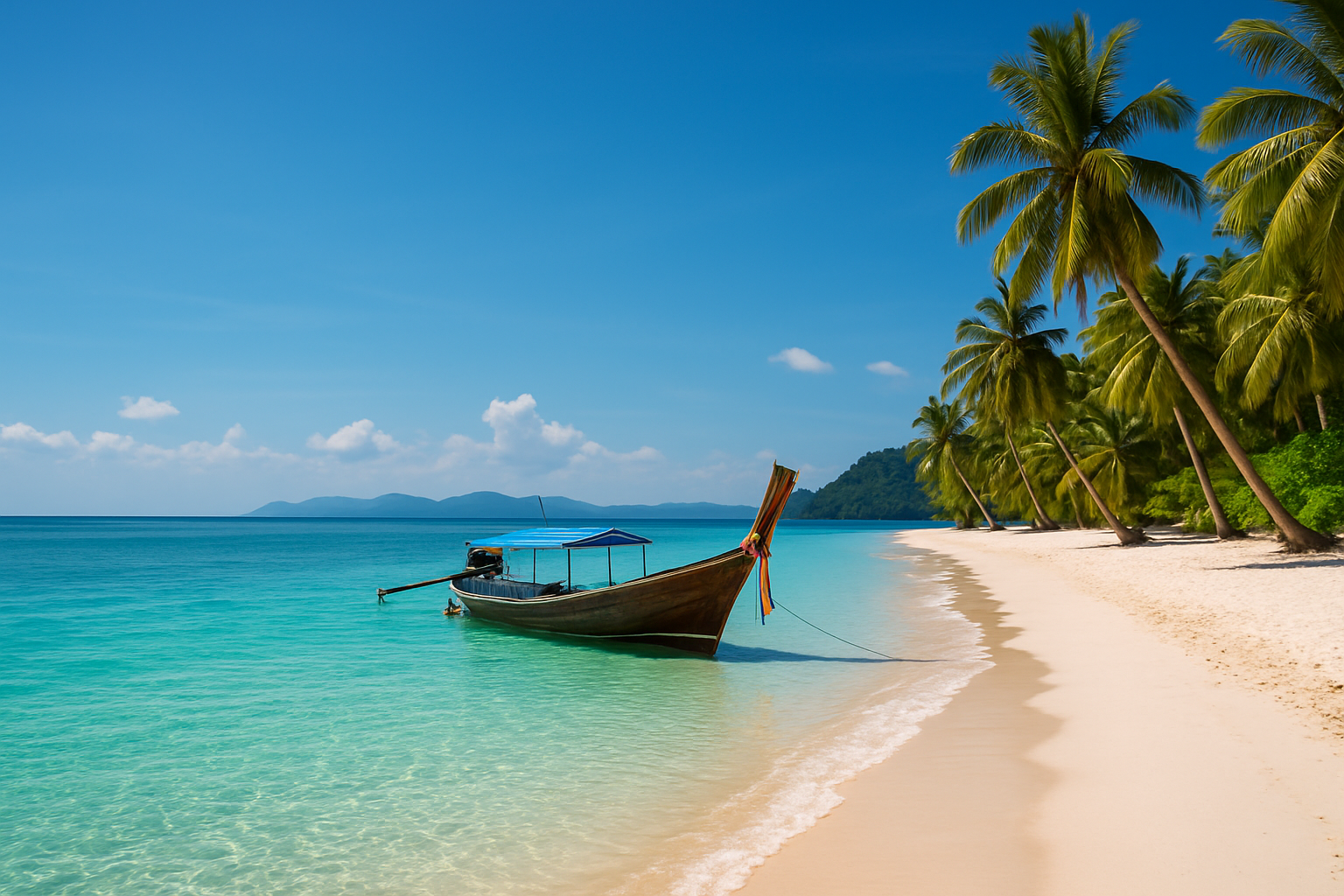
Langkawi is one of the most convenient beach destinations in the country, especially for winter holidays. Cenang Beach is suitable for those who want restaurants and tourist infrastructure nearby, while Tanjung Rhu is more often chosen for a quieter coastline. Among the island's popular sites are the cable car, Sky Bridge, Kilim mangrove forests, and sea trips between the islands.
Penang is more suitable for city and gastronomic vacations than for a classic beach holiday. Georgetown is known for its UNESCO heritage, street art, Kek Lok Si temple, and quarters where you can try laksa, char kway teow, and local desserts. If you want to add the sea, you can stay in Batu Ferringhi, but Penang's main value is its culture, cuisine, and walks through historic districts.
The Perhentian and Redang islands on the eastern coast are better planned for snorkeling, diving, and relaxing by clear waters in season. There are fewer large city entertainments here, but choosing a beach, hotel, and access to sea excursions makes more sense. These islands are suitable for couples, active tourists, and those who are ready to adapt to ferries and seasonality.
Kota Kinabalu in Sabah is a convenient base for discovering Borneo. From here, trips to the Tunku Abdul Rahman Marine Park are planned, routes to Mount Kinabalu, and excursions related to the region's nature. For tourists who want to see a different Malaysia, unlike Kuala Lumpur and Langkawi, Sabah should be added as a separate part of the itinerary.
Malacca is suitable for a short excursion stop, especially if colonial architecture, riverfront walks, and Jonker Street interest you. It is not a beach resort but a historic city that is convenient to combine with Kuala Lumpur. Cameron Highlands, on the other hand, is chosen for its cooler climate, tea plantations, strawberry farms, and peaceful mountain retreats.
Nature in Malaysia
Nature in Malaysia varies greatly depending on the region. In Langkawi, tourists see limestone cliffs, mangrove forests, bays, and islands of the Andaman Sea, while the eastern coast is dominated by coral reefs and marine parks. Therefore, beach holidays here are better planned not overall in the country but by specific coastlines.
Borneo offers the most opportunities for natural routes. In Sabah, tourists go to the area of Mount Kinabalu, the islands near Kota Kinabalu, and regions associated with wildlife watching. In Sarawak, the popular Bako National Park near Kuching offers mangrove forests, coastlines, cliffs, and animals in their natural environment.
Mountainous areas, including Cameron Highlands, change the pace of travel. It is cooler here than on the coast, so tourists come for tea plantations, views, and hiking routes. Such a region is well added between Kuala Lumpur and Penang if you want to diversify the itinerary without a flight to Borneo.
Shopping in Malaysia
Kuala Lumpur is the main shopping destination in Malaysia. "Pavilion Kuala Lumpur" in the Bukit Bintang area is suitable for international brands and restaurants, "Suria KLCC" is convenient for shopping near the Petronas Towers, and "Mid Valley Megamall" is often chosen for its wide selection of stores in various price categories. This is practical for tourists if you need to combine shopping, dinner, and a walk without long transfers.
For local goods, you should go to the Central Market in Kuala Lumpur, where batik, pewter products, textiles, postcards, spices, and small gifts are sold. Petaling Street in the Chinatown is more suitable for walking, street food, and affordable shopping, but the quality of goods should be checked carefully. In Penang, Georgetown's shops are interesting for finding nutmeg products, coffee, tea, ceramics, and artisanal trinkets.
Langkawi is known as a duty-free zone, so chocolate, perfumes, some drinks, and small electronics are often bought there, but the assortment depends on specific stores. For branded shopping outside the capital, tourists sometimes consider "Johor Premium Outlets" if the route passes through Johor. Seasonal sales in Malaysia usually occur several times a year, but dates and tax refund conditions should be checked before making purchases.
What Souvenirs to Buy in Malaysia
Among gastronomic souvenirs, pay attention to white coffee from Ipoh, tea from Cameron Highlands, kaya coconut jam, laksa and curry spices, peanut sweets, dodol, and durian products in sealed packaging. Products with a strong smell are better purchased only in store packaging and check the airline's transport rules.
For gifts related to local crafts, batik, songket, wooden products, ceramics, and pewter souvenirs are suitable. Pewter products are a recognizable Malaysian category, but it is worth choosing them in reputable stores if quality is important. Batik is better purchased not in a hurry on the last day, as fabrics, patterns, and prices can vary significantly.
Practical souvenirs from Malaysia include natural coconut oil cosmetics, soap, spices, kitchen pastes, and small sets for preparing local dishes. In tourist areas, prices are usually higher than in supermarkets or city shops. For fragile items, it is worth immediately requesting tight packaging, especially if there is an internal flight or ferry ahead.
Holidays in Malaysia
The Chinese New Year usually falls in January or February and is especially noticeable in Kuala Lumpur, Penang, and cities with large Chinese communities. During this period, shopping centers are decorated with installations, festive events are held, and the demand for hotels and transport may rise. Dates change every year, so they should be checked before booking.
Hari Raya Aidilfitri after Ramadan is one of the most important holidays for the Muslim part of the population. For tourists, it is an interesting period in terms of culture and festive food, but some establishments may operate on a changed schedule, and internal transfers become busier. If the trip coincides with these days, it is better to book hotels and tickets earlier.
Thaipusam in Batu Caves near Kuala Lumpur usually takes place in January or February and gathers many pilgrims and tourists. Deepavali in autumn is noticeable in areas with an Indian community, particularly in Little India in Kuala Lumpur. In Sarawak, tourists are interested in the Gawai Dayak festival in early June, and in Sabah, the Kaamatan festival in May; for such events, it is better to clarify the dates and venues in advance.
New Year in Malaysia
A New Year's trip to Malaysia is well-suited for those who want to change winter weather to tropical warmth. For a beach holiday at the end of December and the beginning of January, Langkawi or Penang is more often chosen, while the eastern coast islands may be less convenient due to the monsoon. In Kuala Lumpur, for New Year, popular areas are near the Petronas Towers, Bukit Bintang, and large hotels with city festive programs.
This period belongs to the high season for many popular routes, so hotel bookings, internal flights, and beach resorts are better not delayed. Families with children should choose hotels with a comfortable location and clear access to the beach or transport because during peak dates, transfers can take more time. If you want a calmer trip, you can plan a departure after the main holiday dates when demand gradually decreases.
Medical Care in Malaysia
In major cities in Malaysia, including Kuala Lumpur, Penang, Johor Bahru, and Kota Kinabalu, there are good-level private medical facilities. It is important for tourists to have medical insurance that covers outpatient care, hospitalization, water activities, and possible transportation. In remote areas and on islands, access to a doctor may be more limited, so it is worth taking a basic first-aid kit with you.
The climate in Malaysia is humid and hot, so it is better not to overload the itinerary in the first days of travel. Sunscreen, a hat, mosquito repellent, and sufficient water are especially important during excursions, island walks, and trekking. Tap water is usually advised to be replaced with bottled or filtered water for tourists.
There are usually no problems with food if you choose places with high traffic and pay attention to spicy dishes. Street food in Malaysia is an important part of the trip, but for the first acquaintance, it is better to start with moderately spicy options and see how your body reacts to spices. If special medications are needed, they should be transported in their original packaging and have a prescription or explanation from a doctor for medications with controlled substances.
Customs Regulations in Malaysia
Before traveling to Malaysia, it is worth checking the current customs regulations, as requirements may change. Personal belongings, equipment for personal use, and a reasonable amount of purchases are usually transported without problems, but new expensive items in packaging may raise questions. Large sums of cash need to be declared according to the current rules, which should be clarified before departure.
Malaysia has strict rules concerning narcotics, weapons, certain medications, plants, animals, animal products, and materials that may violate local laws. Alcohol and tobacco may have established import restrictions, but the exact limits are better checked at the time of travel. If a tourist carries prescription medications, it is advisable to have them in original packaging and not to take an excessive amount without medical justification.
Visa Regime for Ukrainians
For citizens of Ukraine, before traveling to Malaysia, it is necessary to check the current entry rules, as they may change. Usually, for short tourist trips, Ukrainians can consider visa-free entry for a limited period, but the final conditions depend on the current decisions of the migration authorities. For crossing the border, a foreign passport with sufficient validity, a return or onward ticket, and confirmation of the purpose of the trip is usually required.
Before departure, it is also worth checking whether it is necessary to fill out an electronic immigration form or arrival card. If a longer stay, study, work, or non-standard route is planned, the rules may differ from a regular tourist trip. It is safest to clarify document requirements before booking a tour and recheck them closer to the departure date.
Tours to Malaysia
It is convenient to choose tours to Malaysia based on the itinerary, not just the resort name. For a first trip, a combination of Kuala Lumpur and Langkawi is often suitable, for gastronomy and culture — Kuala Lumpur and Penang, for nature — Sabah or Sarawak, and for snorkeling in season — Perhentian or Redang. If a peaceful beach holiday is important, it is necessary to carefully check the season, coastline, type of beach, and conditions of a specific hotel.
Farvater Travel can help choose tours to Malaysia for different travel formats: beach holidays, family trips, romantic routes, excursion tours with several cities, or combined programs with islands. Early booking is often appropriate for Malaysia, especially for New Year, winter holidays, and popular Langkawi hotels. Last-minute tours are not always possible and depend on flights, the season, and availability, so it is better to plan a trip in advance for complex routes.
When choosing a tour, it is worth immediately determining the priority: beach, cuisine, cities, Borneo nature, shopping, or a peaceful hotel stay. The "all-inclusive" system is not as widespread in Malaysia as in some other beach destinations, so tourists more often book accommodation with breakfasts and add local restaurants and excursions. This approach reveals the country well and allows you to see not only the resort but also the real diversity of Malaysia.