Poland: Holidays, Seasons, Resorts, and Tours - Farvater Travel
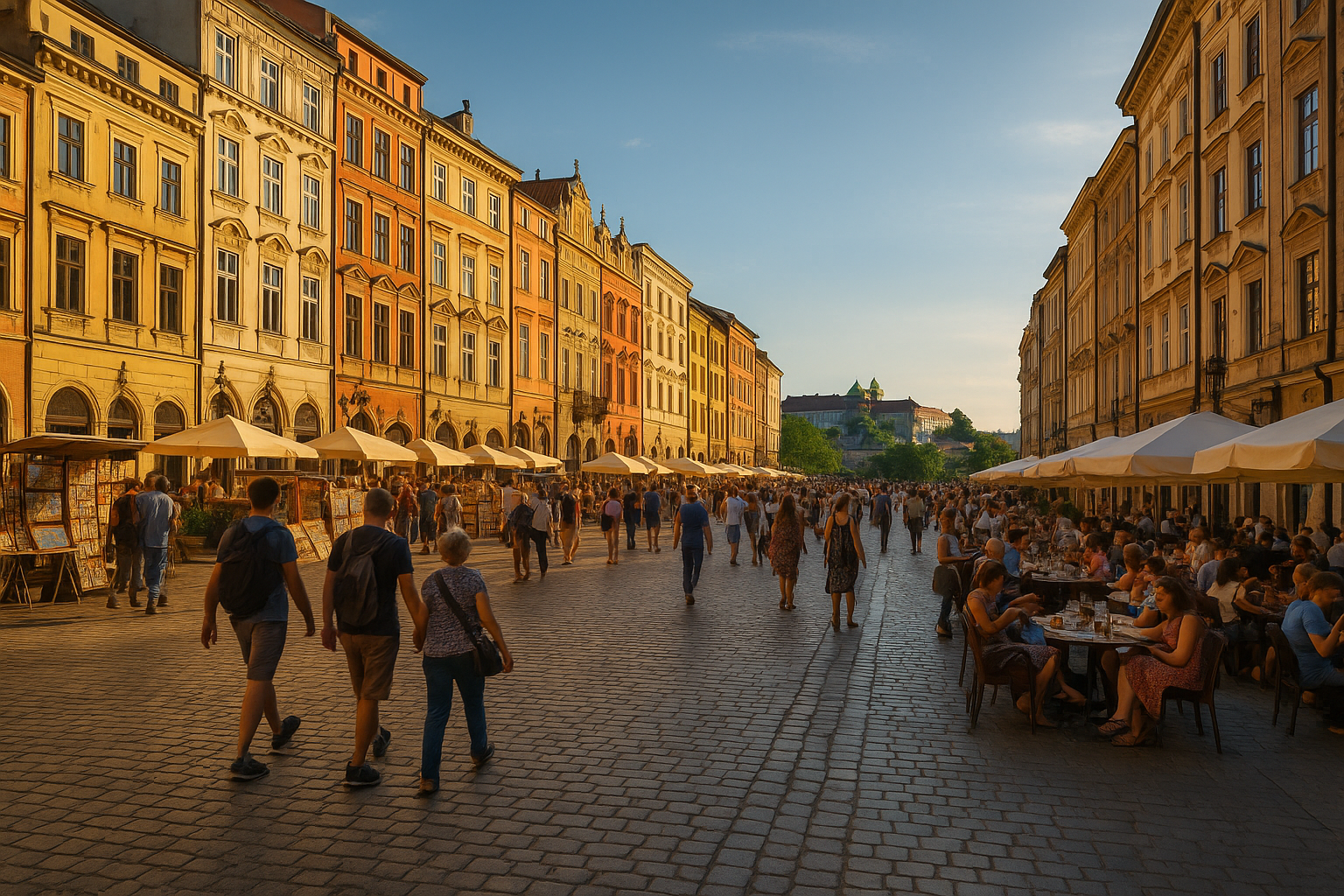
Poland is convenient for travel due to its close distance, simple logistics, and significant regional differences. In one trip, you can combine the old cities of Krakow and Gdansk, modern Warsaw, the Baltic coast, Masurian lakes, or the Tatra Mountains. This destination is well-suited for short weekend tours, family vacations, sightseeing trips, shopping, winter holidays, and a relaxing wellness format.
The character of Poland is well felt in the details: well-maintained historical centers, castles, Christmas markets, cafes near market squares, national parks, and a developed railway between major cities. There is no tropical beach season here, but there is seasonal recreation by the Baltic Sea, mountain routes, thermal complexes, and city routes with museums. Poland is worth considering for those who want a rich journey without complex adaptation, long flights, and an overly exotic program.
5 Reasons to Visit Poland
- Close and practical logistics. It's convenient to reach Poland from Ukraine by train, bus, or car, and within the country, it's easy to combine Warsaw, Krakow, Wroclaw, Gdansk, and Zakopane.
- Different formats of recreation within one country. Baltic beaches are suitable for summer family vacations, the Tatra Mountains for hiking and winter skiing, and Masuria for lakes, yachts, and peaceful nature.
- Strong sightseeing base. In Krakow, you should see Wawel and the Main Market Square, in Warsaw — the Old Town and Lazienki Park, in Gdansk — the Long Market and the historical port waterfronts.
- Convenience for short tours. Poland is well-suited for a 3–5 day trip, especially if you choose one city and a few excursions without rushing.
- Shopping and gastronomy without complex exotica. Tourists often bring back amber, Boleslawiec ceramics, Torun gingerbread, oscypek cheese, kabanos sausage, honey drinks, and Polish cosmetics.
When to Visit Poland
Spring in Poland is usually mild: March can still be cool, while in April and May the temperature often ranges from +10 to +20 degrees depending on the region. This is a good season for excursions in Krakow, Warsaw, Wroclaw, and Gdansk, with fewer summer groups and more comfortable walks in the old districts. For families with children, spring is convenient for city routes, zoos, museums, and parks, but it's still too early for the beach on the Baltic Sea.
Summer is the high season on the Baltic coast, in Masuria, and major cities. The air temperature often ranges from +22 to +28 degrees, and the water temperature in the Baltic Sea usually warms up to around +17 to +20 degrees, sometimes warmer in bays. July and August are suitable for the beaches of Sopot, Hel, Leba, Kolobrzeg, and Swinoujscie, but it's better to book hotels near the sea and lakes in advance.
Autumn is best for a calm journey, gastronomic weekends, and museums: September is often still warm, and in October cities are comfortable for walks without the summer rush. Winter is suitable for Christmas markets in Krakow, Wroclaw, Warsaw, and Gdansk, as well as for mountain recreation in Zakopane and surrounding Tatra villages. In December, January, and February, temperatures can vary from slightly above freezing to below zero, snow in cities is not guaranteed, but the mountain season often lasts longer.
Best Hotels in Poland
In the budget segment, tourists often choose chain hotels and aparthotels near train stations or old centers. Ibis Budget Warsaw Centrum is suitable for a short city tour when transport, a predictable standard, and a moderate price without extra services are important. Ibis Krakow Old Town is convenient for those who want to stay near the train station and quickly reach the historical center, but it's worth checking the room type and breakfast conditions before booking.
In the mid-range segment, it's worth looking at hotels with good location, as in sightseeing cities it saves time daily. Polonia Palace in Warsaw is often considered for a trip without a car, as it is located in the central part of the city and convenient for walks and transport. Novotel Krakow Centrum suits those who want to combine the old town, Vistula boulevards, and trips outside Krakow without choosing the tightest areas near the Market Square.
For premium vacations, it's appropriate to pay attention to hotels with historical location or resort specialization. Hotel Bristol in Warsaw is suitable for a romantic or status trip near the Royal Route, and Hotel Copernicus in Krakow is often chosen for its proximity to Wawel and the old center. At the sea, you can consider Sheraton Sopot near the resort part of the city, and in the mountains — Nosalowy Dwor in Zakopane, if the travel goal is related to the Tatra Mountains, walks, and the winter season.
Best Resorts and Cities in Poland
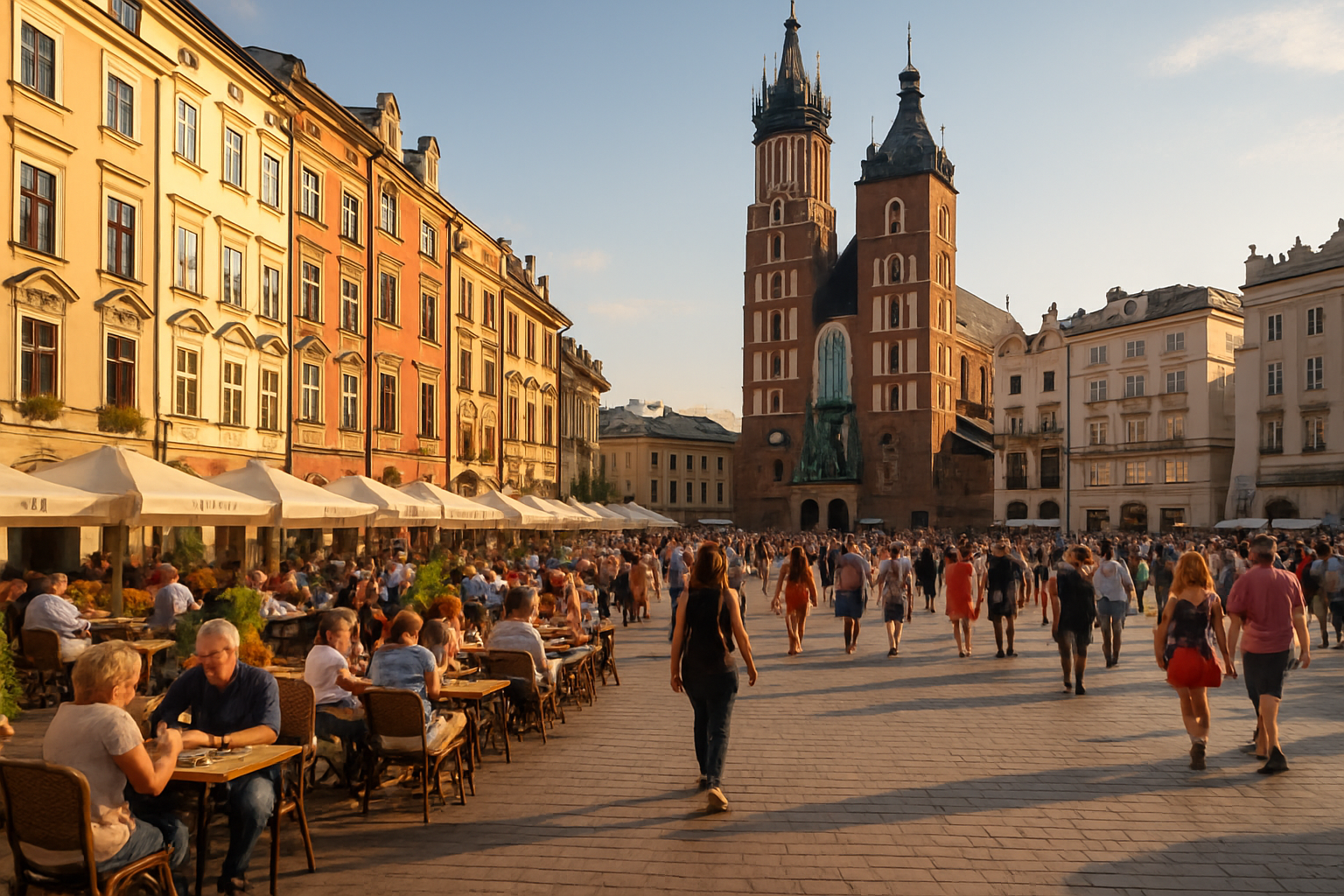
Krakow is the main sightseeing city in Poland for a first trip. The Main Market Square, St. Mary's Basilica, Wawel, and the Kazimierz district allow for a rich itinerary of 2–4 days without transfers. From Krakow, excursions to the Wieliczka Salt Mine and the Auschwitz-Birkenau Memorial are often planned, but such excursions are best booked in advance.
Warsaw suits those who want to combine history, museums, restaurants, and modern urban environment. The Old Town, Royal Route, Lazienki Park, POLIN Museum of the History of Polish Jews, and Copernicus Science Centre offer different scenarios for adults and children. For shopping, business trips, and short tours, the capital is often more convenient than classic tourist cities.
Gdansk, Sopot, and Gdynia form the most famous seaside destination in Poland. In Gdansk, you should see the Long Market, Mariacka Street, the Motlawa waterfront, and the Museum of the Second World War, while Sopot is chosen for the beach, promenade, and relaxation by the sea. Gdynia is more suitable for modern city recreation, maritime museums, and convenient travel between coastal cities.
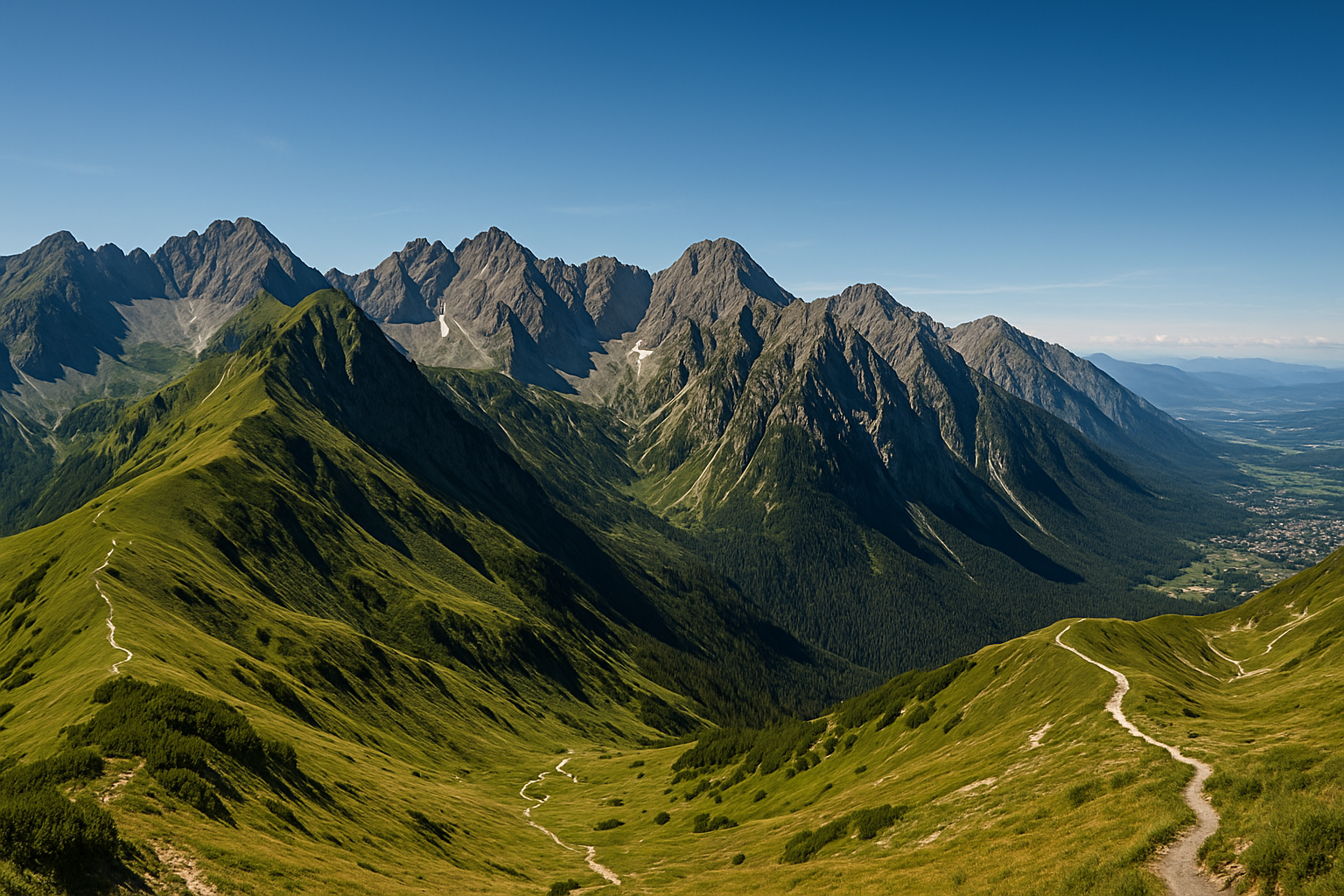
Zakopane is a mountain resort near the Tatras, not a sightseeing city in the classic sense. In winter, people come here for skiing and snowy landscapes, and in the warm season — for routes to Morskie Oko, ascents to Gubalowka, and walks near Kasprowy Wierch. In high season, roads and the center of Zakopane can be crowded, so it's better to choose accommodation considering transport to the routes.
Wroclaw is well-suited for a romantic weekend and leisurely city travel. The Main Market Square, Cathedral Island, bridges over the Oder, and the famous city dwarfs make the route diverse even without major transfers. Poznan is worth considering for a short tour: Old Market Square, Town Hall with goats, and the Malta Lake area are convenient for a family day.
The Masurian Lakes are a recreational destination for summer, tranquility, sailing, and nature relaxation. Mikolajki and Gizycko are chosen by those who value lakes, yachts, bicycles, and small hotels instead of a large city rhythm. It's not a beach resort in the marine sense, but for a peaceful summer vacation, Masuria is often more comfortable than the crowded coast.
Nature in Poland
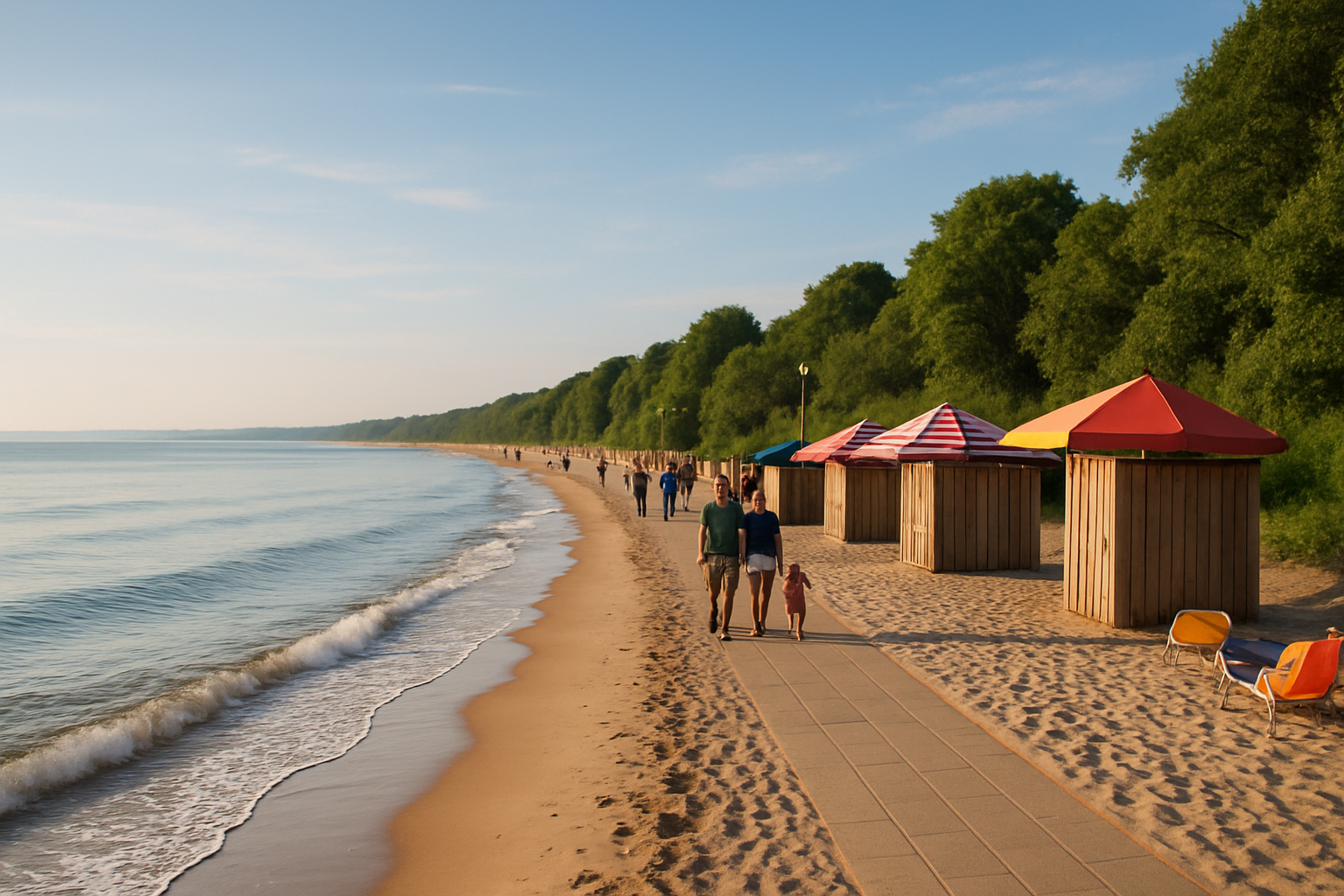
The Baltic Sea in Poland has wide sandy beaches, dunes, pine forests, and long promenades, but the water remains cool even in summer. Leba is known for the moving dunes of the Slowinski National Park, Hel for the long spit between the sea and bay, and Kolobrzeg and Swinoujscie for resort infrastructure. Such recreation suits those who love walks, fresh air, and moderate sun, rather than guaranteed warm sea.
Mountains change the format of travel: in the Tatras, there is more activity, altitude differences, and dependence on weather. Tourists should plan routes based on their level of preparation, as even popular trails may require good shoes and a time reserve. Besides the Tatras, for less crowded hikes, Bieszczady, Pieniny, and the Sudetes are suitable, where scenic trails, cycling routes, and peaceful mountain villages are popular.
Forests, rivers, and lakes give Poland a strong direction for slow relaxation. Bialowieza Forest is known for ancient woods and bison, Biebrza National Park for marshes and birdwatching, and Masuria for lake routes. For families with children and couples who don't want to change cities daily, such a natural format can be more comfortable than a classic sightseeing tour.
Shopping in Poland
In Warsaw, tourists find it convenient to start with the Zlote Tarasy and Westfield Arkadia shopping centers, where mass brands, home goods, cosmetics, and dining establishments are gathered. For more expensive purchases and designer items, you can consider the Vitkac department store, but this is more of a premium format than a place for souvenirs. If you need groceries, local delicacies, or seasonal goods, it's worth visiting Hala Mirowska, where you can feel the city life, not just the tourist showcase.
In Krakow, practical shopping is concentrated in the Galeria Krakowska near the train station, while souvenirs and artisan crafts are more conveniently viewed in the Cloth Hall on the Market Square. At Stary Kleparz, you can buy cheese, honey, cured meats, vegetables, fruits, and seasonal products if you live in apartments or want to bring back gastronomic trinkets. In Gdansk, Forum Gdansk is suitable for shopping, and for amber, it's logical to go to Mariacka Street, where it's important to pay attention to the quality of the product and the seller's reputation.
Seasonal sales are usually active after the winter holidays and in mid-summer, but specific periods depend on stores. Tourists who buy more expensive items can inquire about tax refund conditions if the store participates in the appropriate system. For cost-effective shopping, it's not necessary to go only to the capital: large cities have outlets and shopping galleries, and the best value often comes from Polish cosmetics, leather accessories, children's items, and products.
What Souvenirs to Buy in Poland
The most famous Polish souvenir from the sea is amber, especially in Gdansk and the Baltic coast. It's worth choosing not only large jewelry but also small earrings, pendants, or silver items with neat processing. In tourist places, the price can significantly depend on the design, stone size, and quality of the setting, so it's best not to rush with the first purchase.
For home, people often bring Boleslawiec pottery, linen items, wooden toys, Christmas decorations, and textiles with traditional motifs. Such items are better bought not in kiosks near the most popular attractions but in specialized shops or at fairs. If the trip falls in December, Christmas markets in Wroclaw, Krakow, and Gdansk offer more choice of author decorations and ceramics.
Gastronomic souvenirs from Poland are practical and travel well if packed properly. Tourists often buy Torun gingerbread, Krówki candies, kabanos sausage, honey, jams, chocolate, herbal teas, and in mountain regions — smoked oscypek cheese. Among drinks, they pay attention to honey drinks and liqueurs, but before buying alcohol, it's worth checking transport regulations.
Holidays in Poland
Christmas markets are one of the strongest seasonal reasons to go to Poland in winter. The most famous are held in Krakow on the Main Market Square, in Wroclaw around the Market, in Warsaw near the Old Town, and in Gdansk in the historical center. During this period, demand for hotels on weekends increases, and it's better to book restaurants in central areas in advance.
In Gdansk, in summer, the St. Dominic's Fair usually takes place, combining trade, street food, antiques, concerts, and craft products. For tourists, it's convenient if you want to combine the sea, a historical city, and shopping, but the center becomes significantly busier. It's worth checking the dates annually before the trip, especially if you plan specific weekends.
In Krakow, in June, Wianki — a summer holiday by the Vistula with music and the tradition of wreaths — is often held, and in autumn, large cities are active thanks to film festivals, concerts, and cultural events. On public and religious holidays, some shops and establishments may be closed or have reduced hours. This is especially important to consider on Easter, Christmas, Constitution Day on May 3, and Independence Day on November 11.
New Year in Poland
Poland is suitable for a New Year's trip if expectations are related to winter cities, markets, restaurants, concerts, and mountain recreation, rather than a warm sea. In Warsaw, Krakow, Wroclaw, and Gdansk, it is often cool in winter, with possible damp weather, wind, and temperatures around zero or below. Snow in cities is not guaranteed, so it's better to plan around museums, historic quarters, cafes, and evening walks.
Zakopane is very popular for New Year, so accommodation, restaurants, and transport during this period should be booked early. If the main goal is skiing, you need to check the condition of slopes and snow conditions, as they can differ from year to year. For a calmer winter trip, you can consider not only Zakopane but also smaller settlements near the Tatras or thermal complexes in Podhale.
It's better to plan a New Year's tour to Poland with extra time for transport, as holidays affect schedules, prices, and station congestion. In large cities, it's worth choosing a restaurant for the evening in advance if you don't want to search for a place at the last moment. For families with children, the most convenient format is a hotel in the center or near transport, so as not to depend on long evening transfers.
Healthcare in Poland
Medical care in Poland is generally well-organized, especially in major cities and tourist regions. For a tourist trip, medical insurance is required, covering emergency care, doctor visits, medication, and possible transportation. Before booking a tour, it's important to carefully check the policy conditions, as active recreation in the mountains or skiing may require separate coverage.
Pharmacies in Poland are marked as "apteka," with duty points in large cities, but some medications are sold only by prescription. It's better to bring personal medications in original packaging, and for prescription drugs, it's advisable to have confirmation from a doctor. A basic travel first aid kit should consider the season: in winter, remedies for colds are appropriate, in summer — sun protection, plasters, and after-bite treatments.
The climate in Poland does not require special acclimatization for most Ukrainian tourists, but at the Baltic Sea, it's worth considering the wind and rapid weather changes. In the mountains, comfortable footwear, water, rain protection, and a realistic assessment of the route are important. Tap water in major cities is usually controlled, but sensitive tourists may find it more convenient to use bottled water, especially on the go.
Customs Regulations in Poland
Poland is part of the European Union and the Schengen Area, so general European customs approaches apply. Cash exceeding established limits must be declared, but the exact thresholds should be checked before the trip, as requirements may be updated. For personal items, electronics, and clothing, there are usually no problems if their quantity corresponds to the tourist purpose of the trip.
Alcohol, tobacco, perfumes, and other excise goods have import restrictions, and they depend on the direction of crossing the border and current rules. It's not worth transporting commercial batches of purchases without documents, even if things are bought for acquaintances. Receipts for more expensive electronics, jewelry, or new goods should be kept until the end of the trip.
With medications, you need to be careful: they should be for personal use, preferably in original packaging and with instructions. Animal products, including meat and dairy products, may have restrictions when importing into the European Union, so it's better not to take dubious food supplies before the trip. It's worth checking Poland's current customs regulations directly before departure, especially if you are traveling by car.
Visa Regime for Ukrainians
Poland is a Schengen Area country, so Ukrainian citizens can usually travel visa-free for up to 90 days within 180 days with a biometric passport. This rule applies to short tourist, private, and business trips, but does not replace permits for work, study, or long-term stay. Before booking, it's important to check the current entry conditions, as border and migration rules may change.
At the border, you may be asked to confirm the purpose of the trip, place of residence, availability of funds, medical insurance, and intent to return or leave the Schengen Area within the allowed period. If the passport is not biometric or the purpose of travel is not tourist, other documents or a visa may be required. The consular fee for a visa-free tourist trip is not charged, but expenses for insurance, transport, and hotel booking should be considered separately.
Tours to Poland
Tours to Poland should be chosen not only by price but also by season, region, and travel pace. For the first trip, sightseeing tours to Krakow, Warsaw, Wroclaw, or Gdansk are the most convenient, for summer — holidays on the Baltic coast or Masurian lakes, and for winter — Zakopane, thermal complexes, and Christmas routes. Beach holidays in Poland are seasonal and depend on the weather, so they are best planned for July or August, while city tours are comfortable almost all year round.
Farvater Travel helps to choose a trip to Poland for a specific format: family tour, romantic weekend, sightseeing program, mountain vacation, early booking, or favorable offers for the nearest dates. For Poland, hotels with breakfasts, apartments, city hotels, and resort packages are more relevant, and the "all-inclusive" format should be checked separately, as it is not the main one for the country. This direction is best suited for tourists who want a meaningful journey with understandable logistics, a real choice of cities and seasons, and the opportunity to easily combine excursions, shopping, nature, and relaxation.