Portugal: Holidays, Seasons, Resorts, and Tours - Farvater Travel
Portugal is suitable for various travel formats: beach holidays on the Atlantic, city weekends in Lisbon and Porto, wine region tours, surfing, trips to the islands, or a peaceful vacation in the Algarve. The country is relatively compact, so in one trip, you can combine several scenarios: a few days in the city, then the coast, and if desired, a trip to Sintra, Madeira, or the Azores. This is convenient for tourists: the transfers are not too exhausting, and the impressions from the regions are significantly different.
Holidays in Portugal are often chosen by those who value the combination of the sea, cuisine, a safe environment, and a large excursion program. The water and weather are not the same everywhere: in the south, in the Algarve, the sea is usually calmer and warmer, while on the west coast, the waves are stronger, attracting surfers. Beaches, old towns, ocean views, wineries, and natural parks make Portugal a good option for both a first trip and a repeat booking.
If you need tours to Portugal with different budgets, it's worth immediately deciding on priorities: excursions, beaches, gastronomy, or island holidays. This will determine the season, region, and choice of hotel. For families, the resorts of the Algarve are more convenient; for a romantic trip, Lisbon, Sintra, and Madeira are often chosen, and for an active route, a combination of Porto, the Douro Valley, and the Atlantic coast is well-suited.
5 reasons to visit Portugal
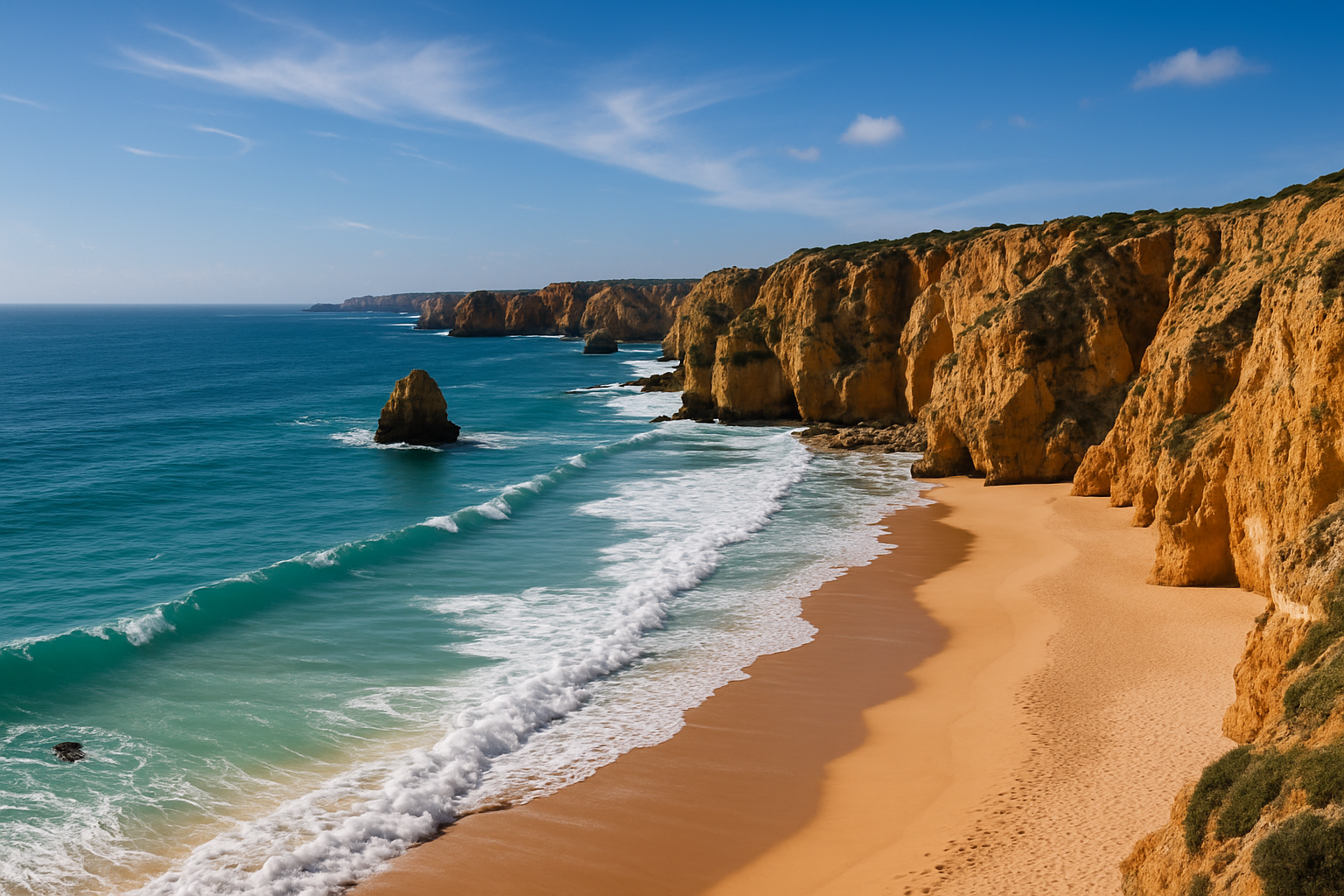
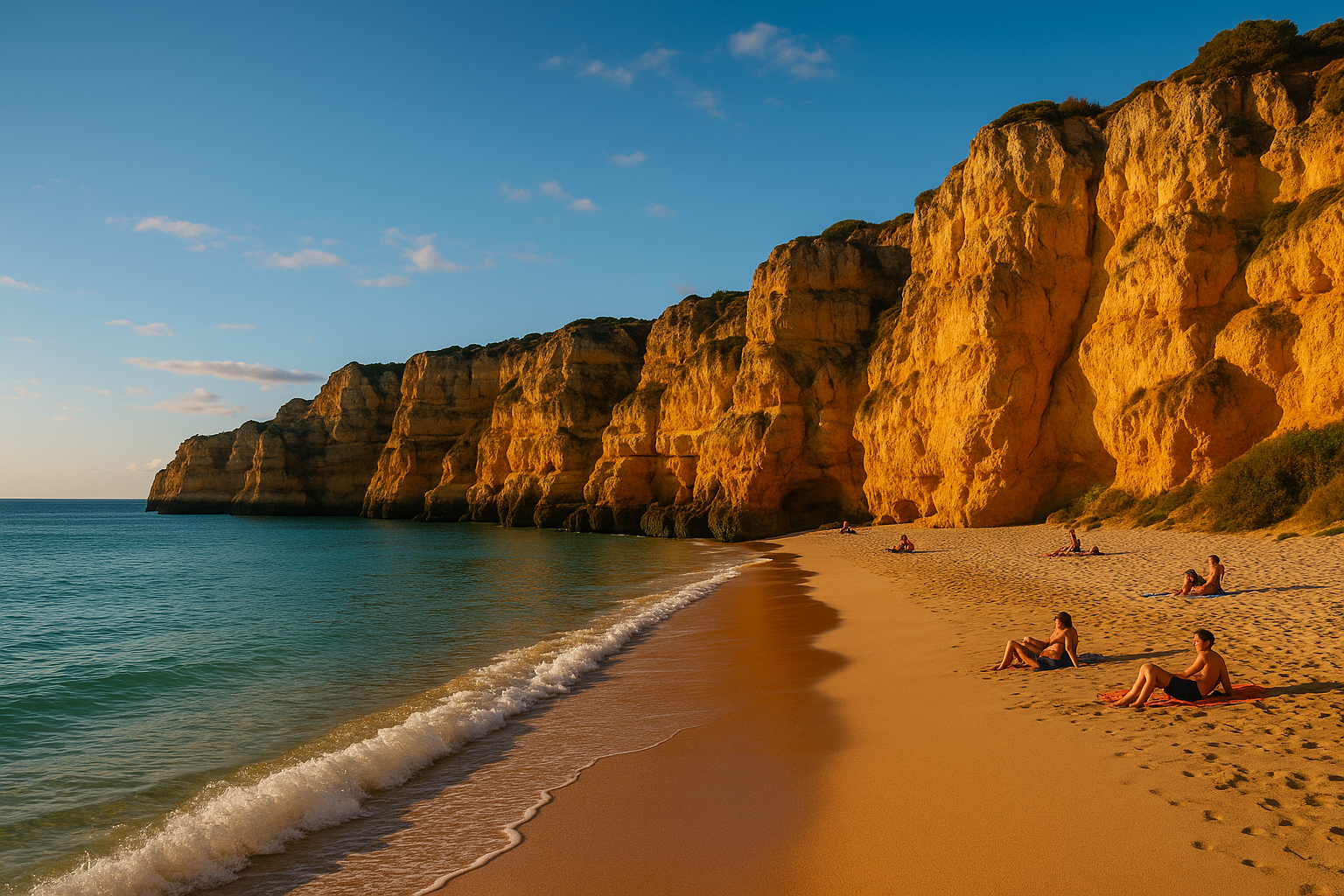
1. The beaches here vary greatly in character: from the wide sandy stretches of the Algarve to dramatic cliff coves and windy surf spots on the west coast. This allows you to choose a holiday not only by budget but also by the style of the sea and coastline.
2. For excursion travel, Portugal is convenient due to the compact distances between major cities and attractions. In one vacation, it is possible to see Lisbon, Sintra, Porto, Coimbra, or combine the mainland with the islands.
3. Portuguese cuisine is understandable to most tourists and is well-suited for longer trips. Fish, seafood, cheeses, pastries, cod dishes, and local wines make dining an important part of the itinerary, not just an accompanying service.
4. The country is interesting not only in summer but also in the off-season and winter. Spring and autumn are good for walks and city trips, while Madeira attracts with its milder climate almost throughout the year.
5. Hotels in Portugal cover different scenarios: city boutique hotels, family apartment options, resort complexes on the coast, historic palace properties, and villas on the islands. This simplifies booking for a specific purpose rather than forcing you to adapt to a random offer.
When is the best time to go to Portugal
The season in Portugal depends on the region more than it might seem during initial planning. On the mainland, summer is usually dry and sunny, but the water temperature in the Atlantic, even at the peak of the season, is often lower than in Mediterranean countries: approximately more comfortable in the south, and near Lisbon and further north, it can remain fresh. For those primarily seeking a beach vacation, the most convenient period is usually considered June, July, August, and the first half of September, especially in the Algarve.
Spring, roughly from March to May, is well-suited for excursions, city walks, wine routes, and trips to Sintra or the Douro Valley. During this time, the air often stays within comfortable values, nature is green, and the tourist flow is not as dense as in mid-summer. For couples and travelers who want to combine cities, ocean views, and a more relaxed pace, this is one of the best periods.
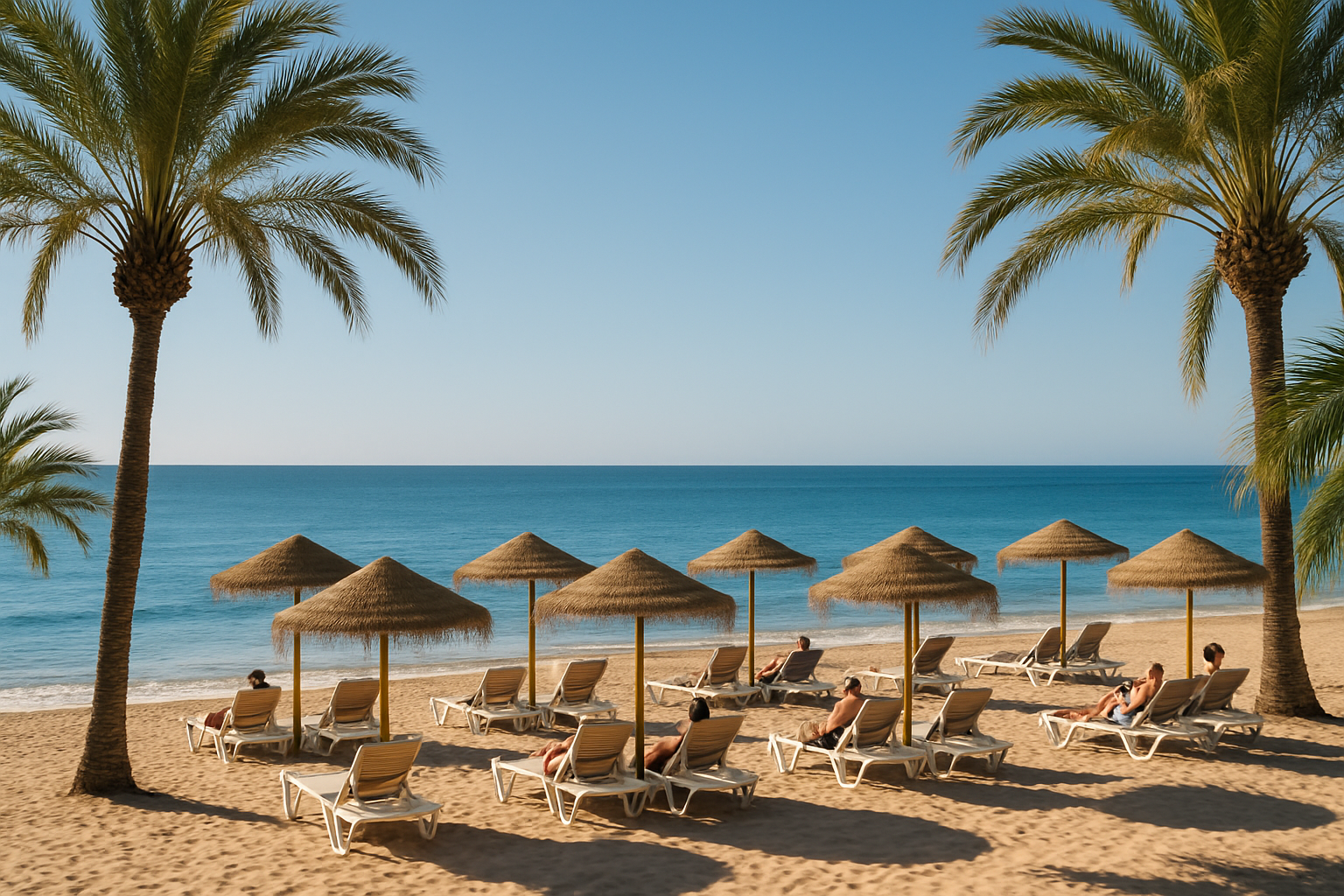
Summer, from June to August, is the high season at Portugal's beach resorts. In the south, the air usually warms up to about +27...+32 °C, and the water can be around +20...+23 °C, although the figures vary by month and specific beaches. For families with children, the Algarve is more often considered, where it is easier to find sheltered bays, convenient apartments, and resort hotels, while the west coast is more suitable for those who enjoy surfing, long walks, and fresh air.
September and October are often considered one of the most pleasant times to travel to Portugal. The sea retains relative warmth after summer, there is usually a lot of sun, and it is easier to walk in cities without intense heat. This is a good season for those who want to combine beaches, excursions, shopping, and restaurants without peak resort loads.
Winter on the mainland is milder than in most Central and Eastern European countries, but it is not suitable for classic beach holidays. In Lisbon, Porto, and the south, the weather in winter is often cool and wet, with possible winds and rains, but this is a convenient time for museum routes, gastronomic travel, and holiday trips. If a milder winter climate is needed, consider Madeira, where the walking and nature season lasts almost all year.
By months, the guideline might be: April and May — for excursions and active routes, June — for the start of the beach season without maximum hype, July and August — for stable summer weather and sea holidays, September — for a balanced vacation, October — for a calmer trip in the south and islands. November, December, January, and February are more suitable for cities, gastronomy, and winter holidays without the expectation of swimming. For hotel bookings in popular areas of the Algarve, Lisbon, and Madeira for summer and holidays, it's better not to postpone the search until the last moment.
The best hotels in Portugal
In Lisbon, the Four Seasons Hotel Ritz Lisbon is often considered for a prestigious city stay with a focus on service and a convenient location for exploring the capital. For those who want to stay in an atmospheric area closer to the historic center, Pestana Palace Lisboa and Bairro Alto Hotel are popular. Such hotels are more often chosen for a romantic trip, a short city break, or a combined itinerary with a subsequent trip to the coast.
In Porto, consider The Yeatman if city views and the gastronomic component of the trip are important. InterContinental Porto - Palacio das Cardosas is often considered by those who want to stay closer to the central part of the city and historic streets. For an excursion holiday in Porto, not only the name of the hotel is important, but also the real convenience for walking, as the city's terrain is quite steep in places.
For a beach holiday in the Algarve, tourists often choose resort complexes in the areas of Albufeira, Vilamoura, Lagos, and Carvoeiro. Among the well-known options are Vila Vita Parc near Armacao de Pera, Conrad Algarve in Quinta do Lago, and Anantara Vilamoura Algarve Resort in Vilamoura. These hotels are usually considered by those who want to combine comfortable accommodation with golf courses, restaurants, family vacations, or a more relaxed atmosphere without mandatory city center living.
On Madeira, Belmond Reid's Palace in Funchal is well-known — it is often chosen for a quiet vacation, a romantic trip, or a mid-season visit. Savoy Palace and The Cliff Bay are also in demand if the resort format and convenient access to the island capital's infrastructure are important. On Madeira, the choice of hotel is especially important due to the terrain: some need an ocean view and silence, while others want quick access to restaurants, the port, and excursion points.
If the budget is average, in Portugal, it is often advantageous to consider not only classic hotels but also aparthotels and guesthouses, especially in the Algarve and Lisbon. For families and longer trips, this can be more practical due to the kitchen, more space, and less dependence on the restaurant schedule. When booking, it is worth clarifying issues of parking, ascents in the old city districts, beach access, and the seasonality of specific services.
The best resorts and cities in Portugal
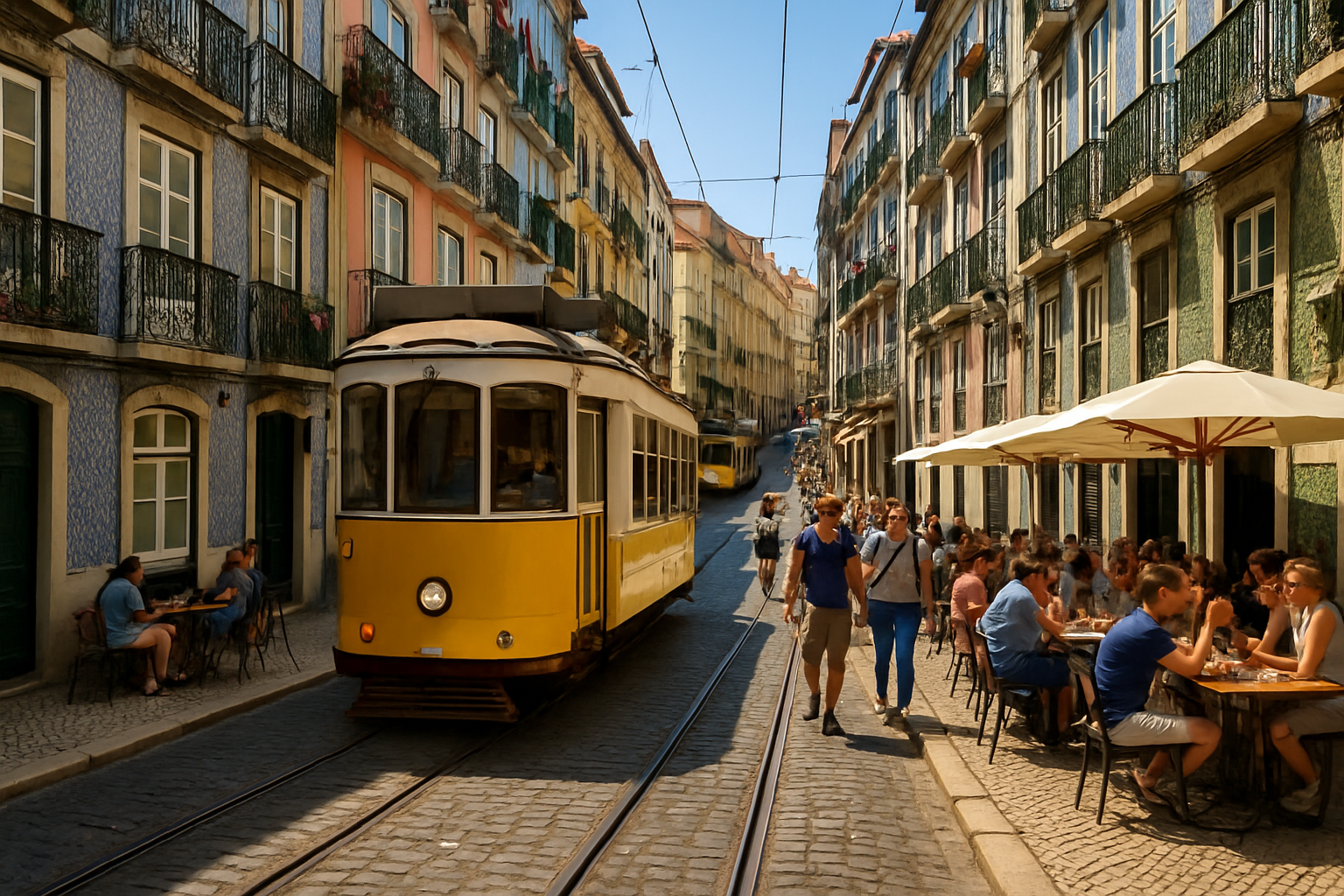
Lisbon is the main choice for a first acquaintance with Portugal if you want to combine architecture, transportation accessibility, gastronomy, and day trips. It is convenient to be based here for trips to Belem, Sintra, Cascais, and Estoril. For a purely beach holiday, the capital is less practical, but for a city trip of 3–5 days, it is one of the strongest options.
Porto is more suitable for those who love the atmosphere of an old town, river embankments, the wine theme, and a leisurely city route. It is a good direction for couples, a short cultural trip, or a combined tour with the Douro Valley. The beach component here is secondary, but the excursion value is very high.
The Algarve is Portugal's main resort region for the sea and summer. Albufeira is convenient for more active holidays and companies, Vilamoura is more often interesting for those seeking organized resort infrastructure, Lagos is suitable for those who want a beautiful coastline and a combination of beaches with a city format, and Tavira appeals to travelers who love quieter towns. For families with children, resorts with a gentler entry into the water and convenient apartments are most often considered.
Cascais and Estoril are a good option for those who want to be near Lisbon but live closer to the ocean. This is not the format of the large southern resorts, but it is convenient to combine beaches, walks, restaurants, and short trips to the capital. The region is suitable for couples, independent travelers, and those who do not want to rent a car for the entire vacation period.
Madeira is not a classic beach destination but rather an island for nature, panoramic roads, walks, and a mild climate. Funchal is convenient as a base for accommodation, and Madeira itself is well-suited for couples, older travelers, trekking enthusiasts, and off-season trips. The Azores are more often chosen by those who prioritize volcanic landscapes, thermal zones, and a less mass-market travel format.
Nature in Portugal
The nature of Portugal varies greatly depending on the part of the country. In the south, tourists are attracted by sandy beaches, rock arches, and the coves of the Algarve, where holidays are more oriented towards the sea, boat trips, and the sunny season. On the west coast, the ocean is harsher, the waves are stronger, and the beaches are often longer and more open, creating a completely different rhythm of vacation.
In central and northern Portugal, hills, wine landscapes, and national parks play an important role. The Douro Valley is interesting not only for its wine but also for the views of terraced slopes, while the Peneda-Geres Park is suitable for those who want to see the mountainous part of the country, rivers, and nature routes. This is a different travel format, where cars, short hikes, and panoramic stops come to the fore.
The islands deserve special attention. Madeira is known for its green slopes, levadas, viewing platforms, and mild climate, while the Azores are known for their volcanic lakes, hot springs, and a sense of greater remoteness. If the main goal is not to lie on the beach but to be outdoors, Portugal offers much more than just the coast.
Shopping in Portugal
Shopping is most conveniently planned in Lisbon and Porto, where there are large shopping areas, streets with local brands, and food markets. In the capital, tourists often combine shopping with walks through the central quarters, while in Porto, more attention is paid to the wine theme, delicacies, and local products. If the trip takes place during the sale season, you can successfully buy clothes, shoes, and home textiles.
Portugal is well-suited for purchasing leather goods, shoes, textiles, ceramics, and gastronomic products. The country has strong craft traditions, so even in tourist areas, you can find not only souvenir products but also items for daily use. For buying more expensive items, tourists usually clarify the tax refund conditions upon departure, if applicable to their trip.
In the Algarve resorts, shopping is mostly practical: beach items, local products, ceramics, home goods, and gifts. There is less sense in spending time on big purchases if the main goal is the sea, but it is convenient to buy things related to relaxation and local cuisine. To combine resort and city shopping, it is sometimes advantageous to add 1–2 days in Lisbon to the itinerary.
What souvenirs to buy in Portugal
The most practical souvenirs from Portugal are gastronomic. Port wine, Madeira, olive oil, canned sardines, local cheeses, sweets, and coffee are often brought home. Such purchases are conveniently chosen at the end of the trip, especially if the itinerary includes Porto, Lisbon, or the island of Madeira.
The second strong category is ceramics and textiles. Portuguese azulejo tiles have become a recognizable symbol of the country, so plates, coasters, decorative panels, and items with patterns in this style are popular. Attention is also paid to towels, tablecloths, and locally produced home textiles.
If you want a gift that is not only decorative, consider cork products. In Portugal, bags, wallets, home accessories, and small travel items are made from this material. Such a souvenir is well-connected with the country and takes up little space in luggage.
Holidays in Portugal
The holiday calendar in Portugal is important for trip planning, especially if you want to combine your vacation with local events. In June, large celebrations in honor of Saint Anthony take place in Lisbon, and in Porto, in honor of Saint John, and during this period, the cities are very lively, with street food, music, and many people. It's better to book hotels in advance for such dates.
Easter, the Christmas period, and summer city holidays also noticeably affect the tourist flow. Some establishments may operate on a modified schedule, and in popular cities, the demand for accommodation and transport increases. If peace and quiet are important, it's better to avoid peak dates in the center of Lisbon or Porto.
For tourists, holidays in Portugal are not just an additional atmosphere but also a practical factor in choosing the season. Some are interested in specifically coming for city events, while others value calm booking without crowds more. Therefore, before purchasing a tour, it's worth checking not only the weather but also the calendar of major holidays and weekends.
New Year in Portugal
A New Year trip to Portugal is more suitable for a city, gastronomic, and walking format than for a classic beach holiday. On the mainland in winter, the weather is usually mild but not for swimming: in Lisbon and the south, it's often cool in the evenings, with possible rain and wind. However, this is a convenient time to combine the festive mood, restaurants, museums, and short trips.
Madeira should be considered separately, which is known for its festive program and milder winter climate. For many tourists, the island becomes the main New Year destination in Portugal, especially if you want green landscapes instead of winter cold. At the end of December and early January, there is increased demand for hotels and flights, so it's better to book in advance.
If a New Year trip is planned, it's advisable to immediately think about the evening format and accommodation location. In the central areas of cities, there will be more people and higher prices, but it's easier to be at the heart of the events. For a quieter vacation, you can choose not the very center but areas with good transport connections.
Healthcare in Portugal
Healthcare in Portugal is generally at a good level, especially in large cities and tourist regions. For the trip, it's advisable to have medical insurance, even if entry does not require separate medical documents. This is especially important for active recreation, car rental, surfing, trekking in Madeira, or island travel.
In a basic first-aid kit, it's worth including personal medications, sun protection products, digestive disorder medications, plasters, and everything regularly used at home. In summer, the sun in Portugal can be very intense, and on the ocean coast, due to the wind, not everyone immediately feels how quickly the skin can burn. It's important to monitor hydration during long city walks and natural routes.
Nutrition in the country usually does not cause difficulties, but for those with allergies or strict dietary restrictions, it's better to prepare in advance the names of products and ingredients. It's easier to deal with this in tourist cities than in small settlements. If the trip falls during the hot season, it's useful to plan activities for the morning and evening, leaving the middle of the day for the beach, relaxation, or museums.
Customs regulations in Portugal
Portugal adheres to the general rules of the European Union, but before the trip, it's worth checking them on official resources, as conditions may change. Usually, tourists have no problem bringing in personal items, equipment for personal use, and standard travel luggage. Questions most often arise regarding medications, products, large purchases, cash, as well as alcohol and tobacco.
If you are bringing prescription medications, it's better to have the packaging and documents confirming personal use. For expensive purchases, special equipment, or significant amounts of cash, separate declaration rules may apply. Before flying to Portugal and before returning to Ukraine, it's worth separately checking the current customs conditions on both sides of the route.
Visa regime for Ukrainians
Portugal is part of the Schengen Area, so for citizens of Ukraine, the rules of short-term visa-free travel usually apply with a biometric passport — up to 90 days within 180 days. However, before the trip, it's necessary to check the current entry rules, as they may change. This is especially important to do before booking flights, hotels, or tours.
During the trip, the border service may ask for confirmation of the purpose of the visit, accommodation booking, return tickets, financial guarantees, and insurance policy. If a longer stay, study, work, or another non-tourist format is planned, the conditions will be different. All nuances are better clarified before departure to avoid problems already at the airport.
Tours to Portugal
Portugal is well-suited for those who want not just the sea but a trip with a choice of scenarios. Here you can take a beach tour to the Algarve, a city break in Lisbon or Porto, a romantic trip to Madeira, an excursion route with a wine theme, or a combined holiday with several regions. For families, convenient resorts and apartments will be important, for couples — boutique hotels and cities, for active tourists — the coast, trekking, and car rental.
When choosing a tour to Portugal, it's worth considering not only the price but also the season, water temperature, nature of the coast, logistics between cities, and hotel format. Farvater Travel makes it easy to choose tours to Portugal for a specific request: summer beach vacation, early booking, short excursion trip, family vacation, or off-season travel. Such a country is best revealed when the route and accommodation are chosen for your pace of rest, rather than just for a formal vacation date.