Romania: Holidays, Seasons, Resorts, and Tours - Farvater Travel
Romania is suitable for tourists who want to combine the sea, the Carpathians, old cities, castles, and affordable European logistics in one trip. Here, you can enjoy a beach holiday on the Black Sea, embark on an excursion route through Transylvania, or choose a mountain season in Sinaia, Predeal, or Poiana Brașov. The country is especially convenient for those planning a short trip for a few days or a combined tour with travel between regions.
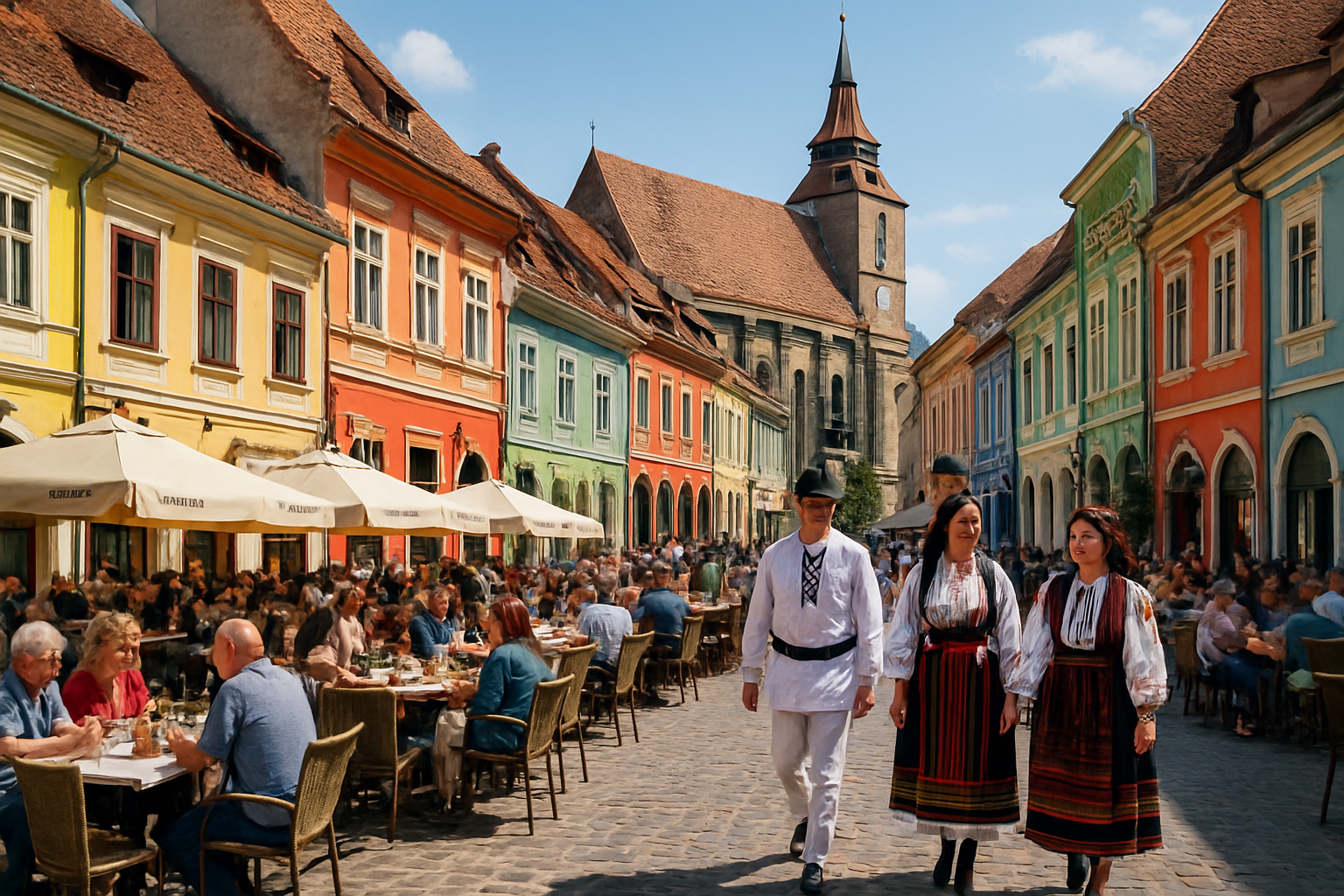
First impressions of Romania often depend on the route: Bucharest gives the feeling of a large capital with wide boulevards, cafes, and the Palace of Parliament, while Brașov, Sibiu, and Sighișoara unveil the medieval part of the country. On the coast, tourists choose Mamaia, Eforie Nord, and Constanța, where the season is most active in July and August. In the mountains, the pace is calmer, and the main reasons to visit are hiking trails, ski slopes, Peleș Castle, and the Transfăgărășan road.
Romania is worth considering for those who do not want to limit themselves to only the beach or only excursions. In one trip, you can realistically see the Black Sea, the Carpathians, the Danube Delta, the Saxon towns of Transylvania, and the monasteries of Bukovina. For booking, it is important to determine the format in advance: beach tours are better planned for the summer, excursions in spring or autumn, and mountain hotels for winter or cool off-season.
5 Reasons to Visit Romania
1. Various vacation formats within one country. In Romania, you can combine the beaches of the Black Sea, excursions in Bucharest, the castles of Transylvania, and the mountain routes of the Carpathians without flights within the country.
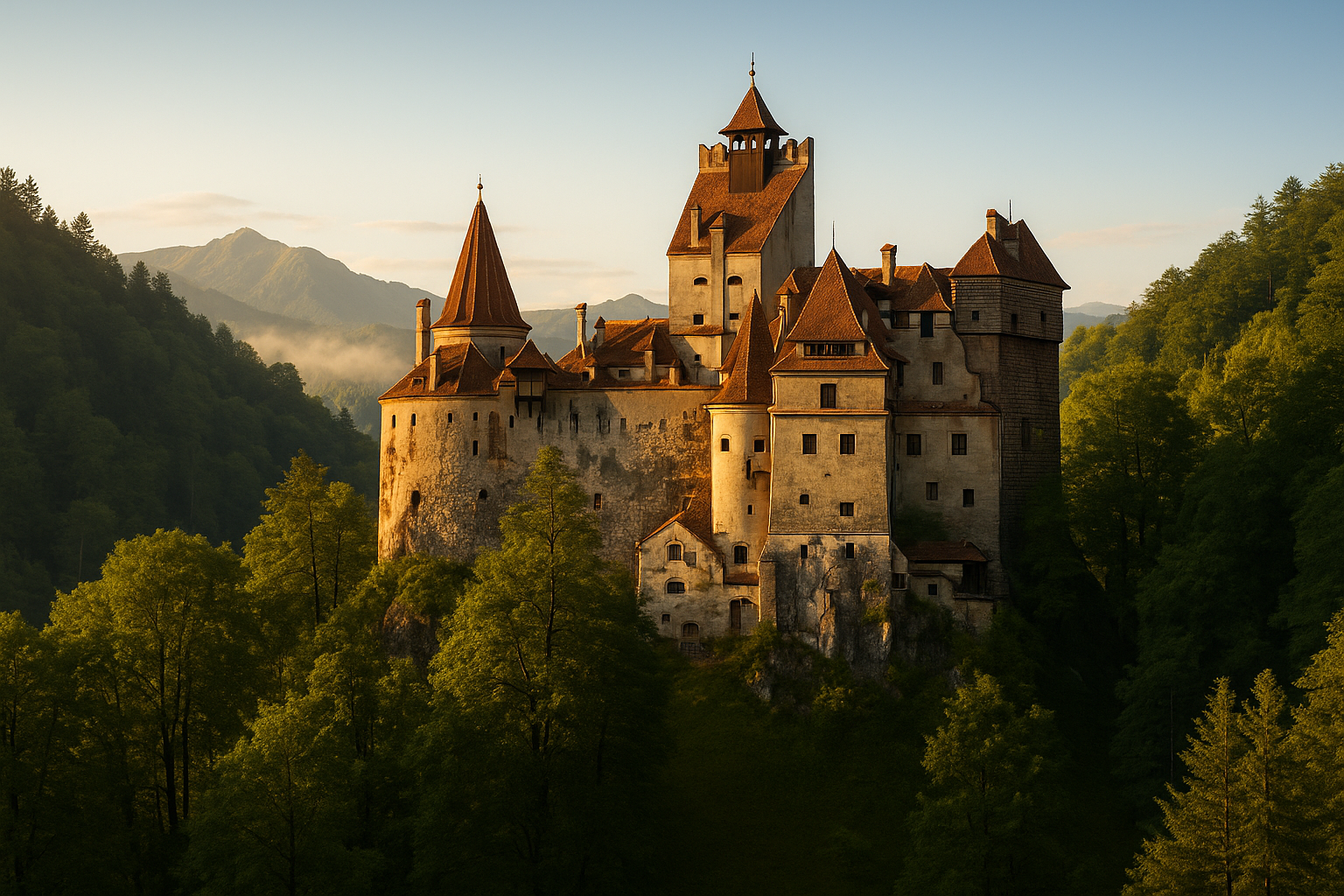
2. Strong historical base for excursions. Bran Castle, Peleș Castle, the citadel of Sighișoara, the old center of Sibiu, and the Black Church in Brașov provide a clear route for a first trip.
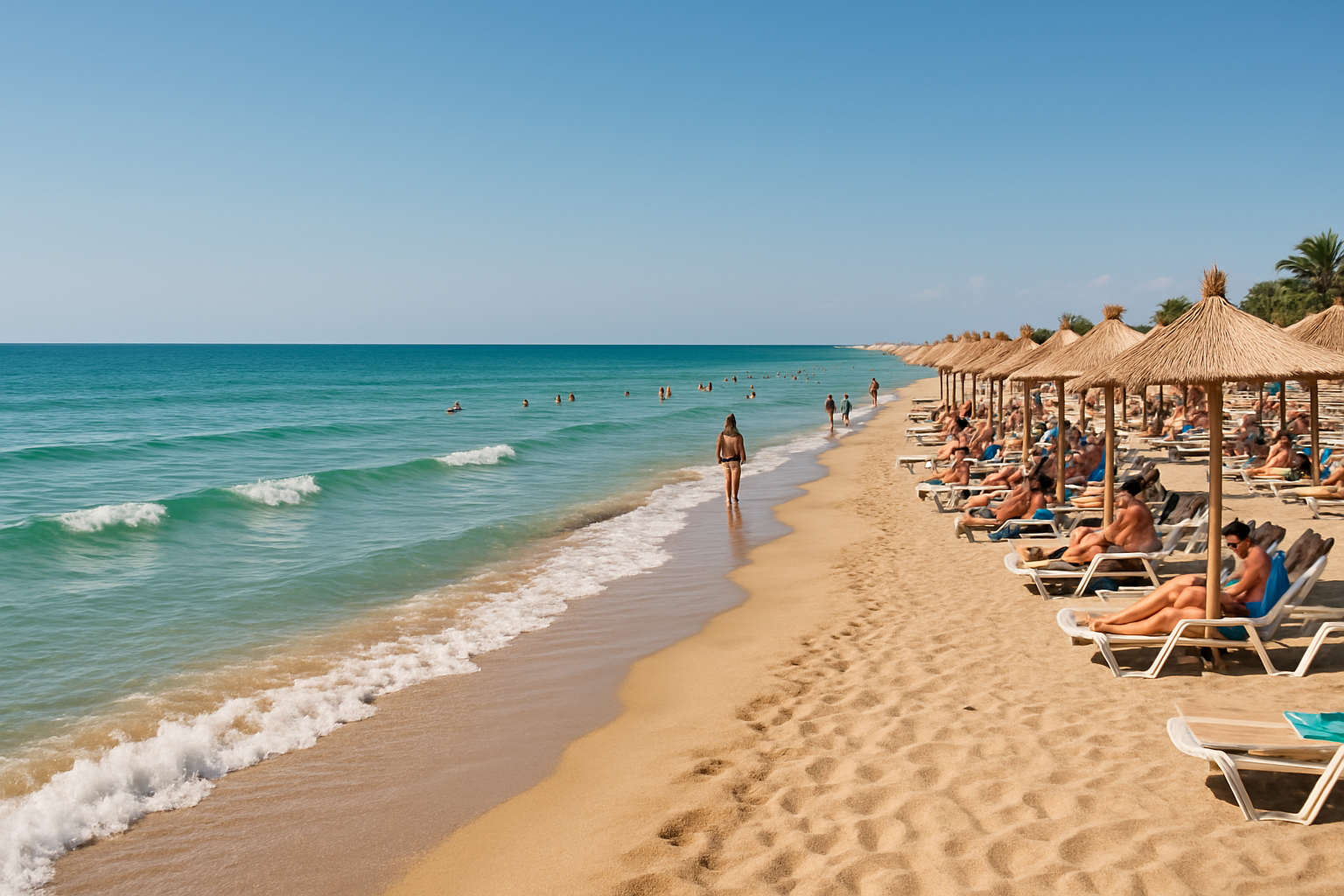
3. Black Sea resorts for the summer season. Mamaia is more suitable for active tourists and couples, Eforie Nord is often chosen for the healing mud of Lake Techirghiol, and Constanța is convenient for combining the sea with city walks.
4. The Carpathians for winter and active recreation. Poiana Brașov, Sinaia, and Predeal are suitable for the ski season, short winter tours, and trips with accommodation near mountain routes.
5. Understandable cuisine and interesting local products. In restaurants, it's worth trying sarmale, mici, mămăligă, ciorbă, papanași, cozonac, and local cheeses, while tourists often pay attention to wines from the Fetească Neagră and Fetească Regală varieties.
When to Go to Romania
For beach holidays, the best period usually lasts from late June to early September. In July and August, the coast often experiences temperatures between 27 to 32 degrees Celsius, and the Black Sea water warms up to approximately 22–25 degrees. This is the high season in Mamaia, Constanța, and Eforie Nord, so families with children and tourists who want a hotel closer to the beach should book in advance.
Spring and autumn are more suitable for excursion tours to Bucharest, Brașov, Sibiu, Sighișoara, Cluj-Napoca, and Sinaia. In April, May, September, and October, it is usually more comfortable for walking, with temperatures often ranging from approximately 15–24 degrees, and the demand for hotels is lower than in August. September is particularly successful for couples and tourists who want to combine the warm sea at the beginning of the month with a trip to the castles of Transylvania.
Winter in Romania is interesting primarily for the Carpathians, Christmas markets, and New Year's trips. In the mountains, the temperature often drops below zero, and snow conditions can vary depending on altitude and the specific resort. For shopping and city trips, Bucharest, Sibiu, and Cluj-Napoca are convenient, but for the holiday period, it is better to book hotels in central areas earlier.
The Best Hotels in Romania
In Bucharest, tourists often consider the "JW Marriott Bucharest Grand Hotel" for business trips, short city tours, and accommodation near important administrative areas. "Radisson Blu Bucharest" is convenient for those who want to live closer to the center, Calea Victoriei Boulevard, restaurants, and museums. The "InterContinental Athenee Palace Bucharest" is suitable for tourists who value a historic building, central location, and walks to the Romanian Athenaeum.
For mountain vacations, it's worth paying attention to the "Teleferic Grand Hotel" in Poiana Brașov, which is often chosen by tourists planning to ski in winter or walk in the Carpathians in the warm season. In Sinaia, the popular option is the "Hotel International Sinaia," convenient for trips to Peleș Castle and mountain routes. In Brașov, tourists consider the "Kronwell Brașov Hotel" if they want to combine city comfort with trips to Bran, Râșnov, and Poiana Brașov.
At the sea, the hotel base depends on the resort and season. In Mamaia, the well-known "Vega Hotel" and "Iaki Conference & Spa Hotel Mamaia" are often chosen by tourists oriented towards resort infrastructure, restaurants, and active evenings by the coast. In Eforie Nord and Neptun, simpler hotels and spa complexes are more common, so it's important to check the year of room updates, type of meals, and distance to the beach before booking.
The Best Resorts and Cities in Romania
Mamaia is the main summer resort of Romania on the Black Sea, located near Constanța. It is more often chosen by couples, young people, and tourists who need beaches, a promenade, restaurants, and active evenings. For a quieter vacation with children, it is better to look for hotels not in the loudest part of the resort.
Constanța is suitable for those who want to combine the sea with city walks. Here, you should see the historic center, the old casino building on the seafront, the Great Mosque, and the archaeological sites of ancient Tomis. The city is convenient as a base for trips to Mamaia, Eforie Nord, and Lake Techirghiol.
Eforie Nord is known for its healing mud and proximity to the salty Lake Techirghiol. The resort is often considered by tourists who need not only the beach but also a wellness format with procedures in specialized centers. Neptun, Olimp, and Vama Veche are more suitable for those seeking a less metropolitan rhythm of the coast, although the level of service and infrastructure must be checked for a specific hotel.
Bucharest is the best city for a first acquaintance with modern Romania. Tourists should plan to visit the Old Town, the Palace of Parliament, the Romanian Athenaeum, the Dimitrie Gusti National Village Museum, and a walk along Calea Victoriei Boulevard. The city is convenient for a short weekend trip or as the start of a route to Transylvania.
Brașov, Sighișoara, Sibiu, and Sinaia form a strong excursion route. In Brașov, you should see the Black Church and the old square, in Sighișoara the medieval citadel, in Sibiu the Upper Town squares and the Astra Museum, and in Sinaia Peleș Castle. For active recreation near Brașov, it is convenient to choose Poiana Brașov, and for a cultural journey add Cluj-Napoca or the monasteries of Bukovina.
Nature in Romania
The nature of Romania is very diverse: the Black Sea, the Carpathians, the Danube Delta, salt lakes, forests, and high mountain roads create several travel scenarios. On the coast, the beaches are mostly sandy, but the width of the beach strip, entrance to the water, and level of infrastructure differ between Mamaia, Eforie Nord, and southern resorts. In summer, the sea is suitable for classic relaxation, while in the off-season, the coast is more interesting for walks and excursions.
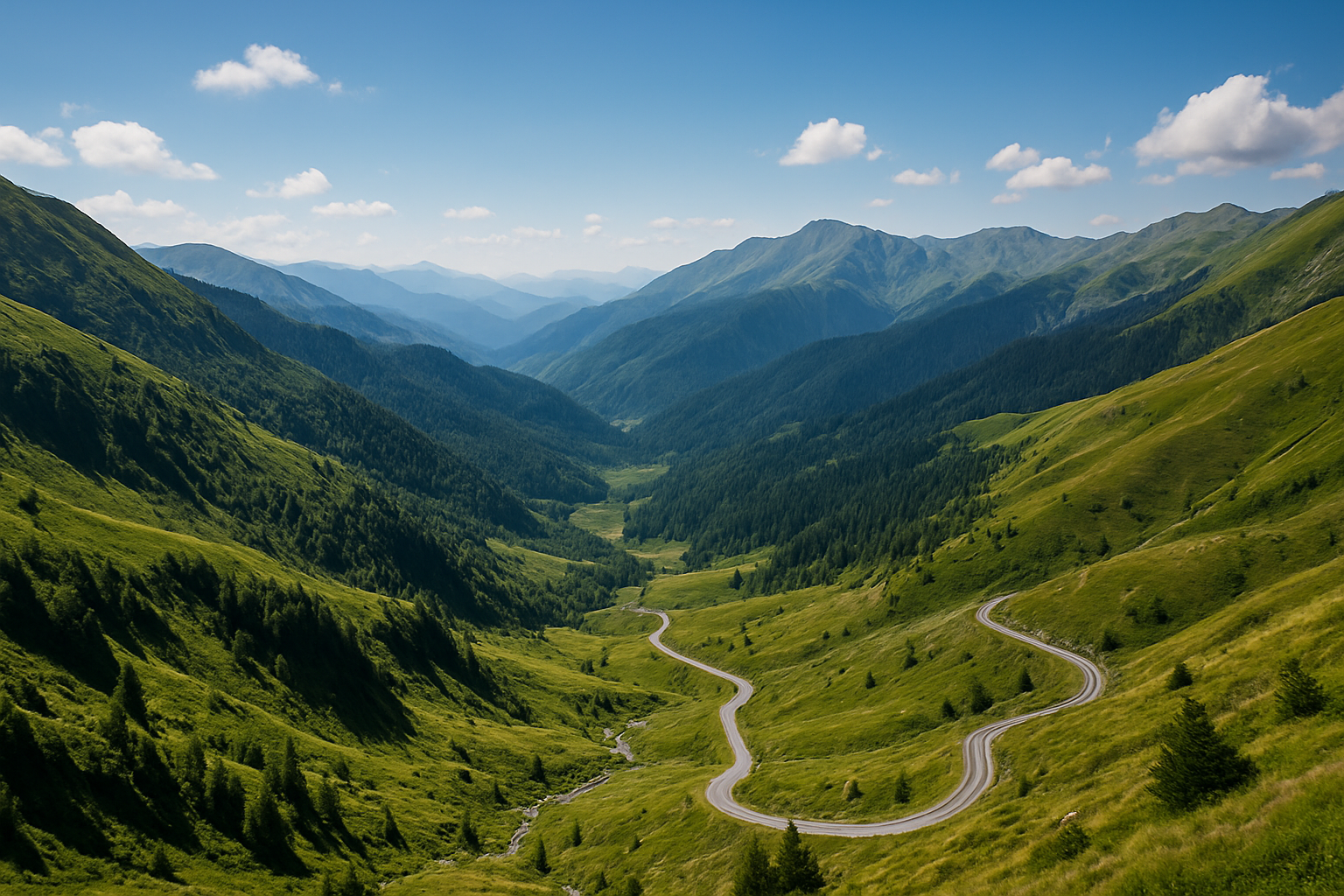
The Carpathians in Romania are routes around Brașov, Sinaia, Predeal, Piatra Craiului National Park, and the Bucegi massif. The Transfăgărășan road is usually accessible in the warm season and depends on weather conditions, so it should not be planned without checking the route's status. For tourists who love nature without complex trekking, cable cars, viewing platforms, and short walks in mountain towns are suitable.
The Danube Delta is a separate direction for those interested in birds, water routes, and quiet relaxation. It is most convenient to plan it through Tulcea, from where trips on the canals and lakes depart, but the format depends on the season and weather conditions. It is not a beach alternative to Mamaia, but a natural route where comfortable shoes, sun protection, and the right choice of accommodation are important.
Shopping in Romania
In Bucharest, shopping is convenient in shopping centers such as "Băneasa Shopping City," "AFI Cotroceni," "ParkLake," and "Mega Mall." You should go there for clothing, footwear, cosmetics, travel goods, and understandable infrastructure with cafes and supermarkets. For walking shopping, Calea Victoriei is better suited, where it is easy to combine shopping with museums and restaurants near the shops.
For food and gastronomic purchases, tourists are interested in markets and large supermarkets. In Bucharest, the Obor market is suitable for cheeses, honey, vegetable pastes, seasonal fruits, and local delicacies, but it is better to come in the morning. In Brașov, Sibiu, and Cluj-Napoca, it is worth looking at farmers' stores and small shops with wines, jams, ceramics, and wooden products.
Seasonal sales usually take place after the winter holidays and in summer, but specific dates depend on the stores. In large shopping centers, foreign tourists can sometimes arrange a tax refund under certain conditions, so it's worth clarifying the rules during the purchase. If you need souvenirs with character, it is better not to limit yourself to shops near major attractions, but to visit local markets or craft shops.
What Souvenirs to Buy in Romania
From gastronomy, wines, plum brandy țuică, honey, jams, cheeses, sausages, and vegetable paste "zacuscă" are often brought from Romania. For gifts, sweets, cozonac, paprika, herbal teas, and walnut products are well suited. Before a flight or border crossing, it is worth checking the rules for transporting liquids and animal products.
Among craft souvenirs, it is worth paying attention to Horezu ceramics, wooden products from Maramureș, embroidered textiles, woolen items, and painted eggs from Bukovina. In museum shops in Bucharest, Sibiu, and Sighișoara, higher quality products are often sold than in random points near tourist streets. If you buy fragile ceramics or glass, immediately ask for tight packaging for the road.
Holidays in Romania
In spring, tourists are interested in the Mărțișor holiday, celebrated at the beginning of March with small white and red decorations. Easter in Romania is often accompanied by church services, family traditions, and festive dishes, so in popular cities, the demand for accommodation may increase. During this period, it is worth checking the schedule of museums, shops, and restaurants.
Among cultural events, it is worth paying attention to the George Enescu Festival in Bucharest, which usually takes place at the end of summer or early autumn, as well as the Transylvania International Film Festival in Cluj-Napoca. In Sighișoara, medieval events in the historical center are often held in summer, and Sibiu is known for its Christmas market in the cold season. The dates of such events need to be checked before booking, as they affect hotel prices and room availability.
New Year in Romania
Romania is suitable for a New Year's trip if tourists are interested in winter cities, markets, restaurants, and the Carpathians, rather than the beach season. In Bucharest, it is usually milder, but the weather can be wet and cool, while in Brașov, Sinaia, Predeal, and Poiana Brașov, true winter is more often felt. For skiing, it is important to check snow conditions and book hotels near the slopes in advance.
On New Year's dates, the demand for central hotels, restaurants with festive dinners, and mountain resorts increases. Families should choose accommodation with a warm room, convenient access, and the ability to quickly reach walking areas. Couples will find Brașov, Sibiu, or Sinaia suitable, where a New Year's trip is easily combined with Peleș Castle, Bran, and winter landscapes of the Carpathians.
Healthcare in Romania
In the major cities of Romania, there are both public and private medical institutions, and in Bucharest, Cluj-Napoca, Brașov, and Constanța, it is easier for tourists to find a clinic or pharmacy. Before the trip, it is worth arranging travel insurance that covers emergency assistance, doctor visits, and possible transportation costs. For the ski season, it is advisable to check whether active types of recreation are included in the insurance policy conditions.
In the travel first aid kit, it is appropriate to have personal medications, remedies for digestive disorders, sun protection, plasters, and drugs that the tourist already uses on the doctor's recommendation. In summer, on the coast, drinking water, a hat, and caution with the sun in the middle of the day are important. In the mountains, the weather can change quickly, so even in the warm season, it is worth having a jacket, comfortable shoes, and a water supply.
Customs Regulations in Romania
Romania is a member of the European Union and the Schengen Zone, so personal belongings, currency, medications, alcohol, tobacco, technology, and purchases are subject to entry rules. Large sums of cash may be subject to declaration, and for prescription drugs, it is advisable to have a doctor's prescription or a document explaining the need for the medication. Technology for personal use is usually transported without problems, but new expensive purchases are better kept with receipts.
Restrictions on alcohol, tobacco, animal products, plants, antiques, and cultural values may change. It is not advisable to export items resembling antiquities or archaeological finds without documents about their origin. Before the trip, it is necessary to check the rules according to current official requirements, especially if you plan to bring medications, many purchases, or special equipment.
Visa Regime for Ukrainians
Ukrainian citizens can usually travel to Romania without a visa for up to 90 days within 180 days with a biometric passport, as the country is part of the Schengen Zone. Border guards may ask for confirmation of the purpose of the trip, accommodation booking, return ticket, insurance, or financial support. Entry conditions need to be checked before booking, as rules may change.
If a tourist travels without a biometric passport, plans to stay longer, study, work, or has a special residence status in another country, the rules may differ. For children, valid documents are required, and when traveling with one of the parents, additional confirmations may be needed depending on the route. Before the trip, it is worth checking passport validity, transit conditions, and carrier or airline requirements.
Tours to Romania
Romania is best suited for tourists who want flexible vacations: the sea in summer, excursions in spring and autumn, the Carpathians in winter, and short city trips throughout the year. Through Farvater Travel, you can select tours to Romania with a focus on beach resorts, family vacations, romantic trips, excursion routes through Transylvania, or hotels in mountain regions. The "all-inclusive" format on the Romanian coast is not found everywhere, so it's better to check the type of meals and accommodation conditions for a specific hotel.
For a first trip, it is convenient to combine Bucharest, Brașov, Sinaia, and one of Transylvania's castles, and in summer add a few days on the Black Sea. If price and hotel choice are important, early booking is useful for July, August, New Year, and popular festival dates, while last-minute tours are more suitable for flexible tourists without ties to a specific resort. Romania will be a successful destination for those who value a practical European trip with the sea, mountains, cities, and a rich route without overly complex organization.