Slovakia: Holidays, Seasons, Resorts, and Tours - Farvater Travel
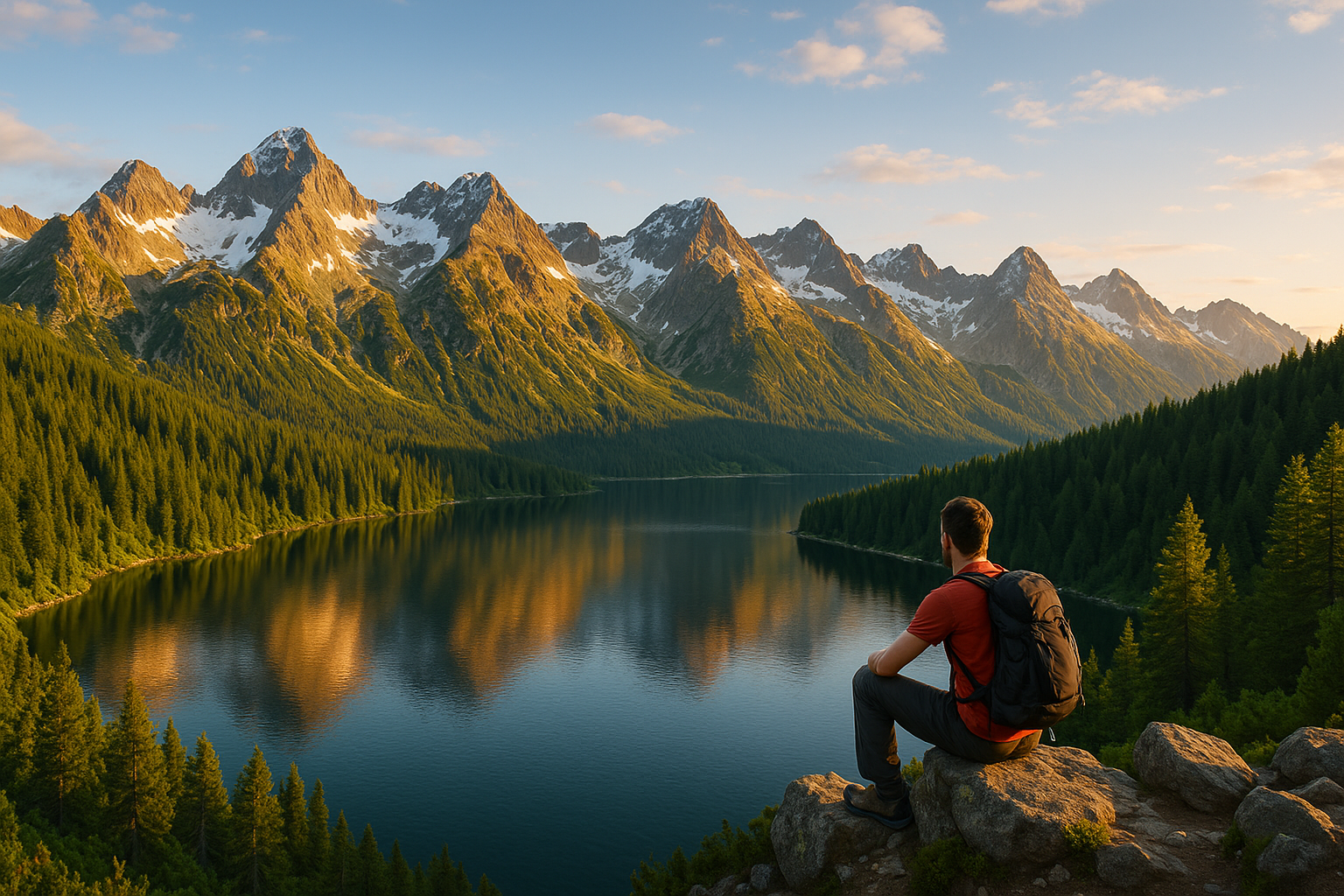
Slovakia is suitable for travel without long flights, sudden climate changes, and complex logistics. Tourists come here for mountains, castles, thermal resorts, old cities, skiing holidays, and short excursion tours. The country is compact, so it is realistic to combine Bratislava, the High Tatras, caves, medieval towns, and wellness complexes in one trip.
The character of Slovakia is best felt in the combination of the Carpathians, the Gothic city centers, and resorts near thermal springs. There is no sea coast here, so the classic beach season is replaced by lakes, water parks, thermal pools, and mountain routes. For families with children, Liptov, the Tatras, and thermal resorts are convenient, for couples — Bratislava, Bojnice, Banská Štiavnica, and for active tourists — Jasná, Štrbské Pleso, and Slovak Paradise.
The first impressions of Slovakia are usually associated with short distances, tidy cities, and a noticeable difference between regions. Bratislava is more like a Central European capital for a weekend, the Tatras — a mountain resort with routes and ski slopes, and Piešťany or Bardejov Spa — a serene wellness retreat. Slovakia is worth considering for those who want a practical trip with nature, culture, good cuisine, and a clear booking budget.
5 Reasons to Visit Slovakia
1. Mountains are accessible without complex logistics. The High and Low Tatras have resort villages, hiking trails, lifts, mountain lakes, and winter trails, and you can reach them by train, bus, or car.
2. Many castles and historic towns on a small territory. Bratislava Castle, Spiš Castle, Bojnice Castle, Trenčín Castle, and the center of Levoča allow for a rich itinerary even for a few days.
3. Thermal resorts operate in different seasons. Piešťany, Bešeňová, Tatralandia, Veľký Meder, and Dunajská Streda are suitable for those who want to combine relaxation, warm water, pools, and short excursions.
4. Slovakia is convenient for family travel. In Liptov, there are water parks and Lake Liptovská Mara, in the Tatras — easy routes and cable cars, and in Bratislava and Košice, it’s convenient to stroll with children without overwhelming tourist distances.
5. Cuisine and local products complement the journey well. It is worth trying bryndza dumplings, sauerkraut soup, lokše, smoked cheese oštiepok, cheese strings, Slovak wines, Tatra tea, and honey from mountain areas.
When to Visit Slovakia
The season in Slovakia depends on the type of holiday. For excursions in Bratislava, Košice, Trnava, Levoča, and Banská Štiavnica, May, June, September, and the first half of October are the most convenient when it's usually warm, but there is no summer heat. In Bratislava, during this period, it is often around 18–25 degrees, in the mountainous areas cooler, and in the evenings, a jacket may be needed.
Summer is suitable for lakes, water parks, hikes, and family vacations. In July and August, the temperature on the plains often hovers around 25–30 degrees, in the Tatras usually around 15–22 degrees, and the water in lakes like Senec Lakes, Golden Sands, Liptovská Mara, or Zemplínska Šírava can warm up to about 20–24 degrees. This is the high season for hiking trails and rest near the water, so popular hotels in the Tatras, Liptov, and near thermal complexes are better booked in advance.
Winter is the season for skiing, thermal waters, and New Year trips. In the mountains, from December to March, it often remains frosty, in the resorts of Jasná, Tatranská Lomnica, and Štrbské Pleso, conditions depend on snow and track operation, and in Bratislava, the temperature usually fluctuates around zero. For a calm trip without a large flow of tourists, it's worth considering March, April, November, or weekdays outside school holidays, but the weather in these months can be changeable.
The Best Hotels in Slovakia
In Bratislava, tourists most often choose hotels in the Old Town or near the Danube embankment to walk to Bratislava Castle, Michael's Gate, Hviezdoslav Square, and restaurants. Hotel Devín is a well-known city option near the historical center and river, which is convenient to consider for an excursion trip or a short weekend. Marrols Boutique Hotel in Bratislava is suitable for those who want a more intimate accommodation closer to the center, but the specific set of services should be checked when booking.
In the High Tatras, it is important to look not only at the hotel category but also at the village, access to lifts, train stations, and routes. Grand Hotel Kempinski High Tatras in Štrbské Pleso is often chosen for a peaceful mountain holiday near the lake and beautiful trails, especially if a higher level of accommodation is needed. Hotel Lomnica in Tatranská Lomnica is convenient for those planning lifts, walks, and winter holidays in the eastern part of the High Tatras.
For skiing holidays in the Low Tatras, it's worth considering Demänovská Dolina and Jasná, where accommodation prices quickly rise on peak dates. Hotel Jasná is a real reference point for tourists who want to live closer to ski infrastructure, but before booking, you need to clarify the living conditions, meals, and room availability for the required dates. In Liptovský Mikuláš, apartments and family pensions are more often chosen because from there it's convenient to travel to Tatralandia, Bešeňová, Lake Liptovská Mara, and the Demänovská Cave of Liberty.
Budget accommodation in Slovakia is usually represented by pensions, apartments, guesthouses, and simple city hotels. The mid-range segment is the most convenient for most tourists: breakfast, parking, or proximity to the station is often more important than a large area. Luxury hotels are worth booking in Bratislava, the Tatras, and at individual wellness resorts, but the all-inclusive format is not typical for Slovakia, more often offering breakfast or half-board.
The Best Resorts and Cities in Slovakia
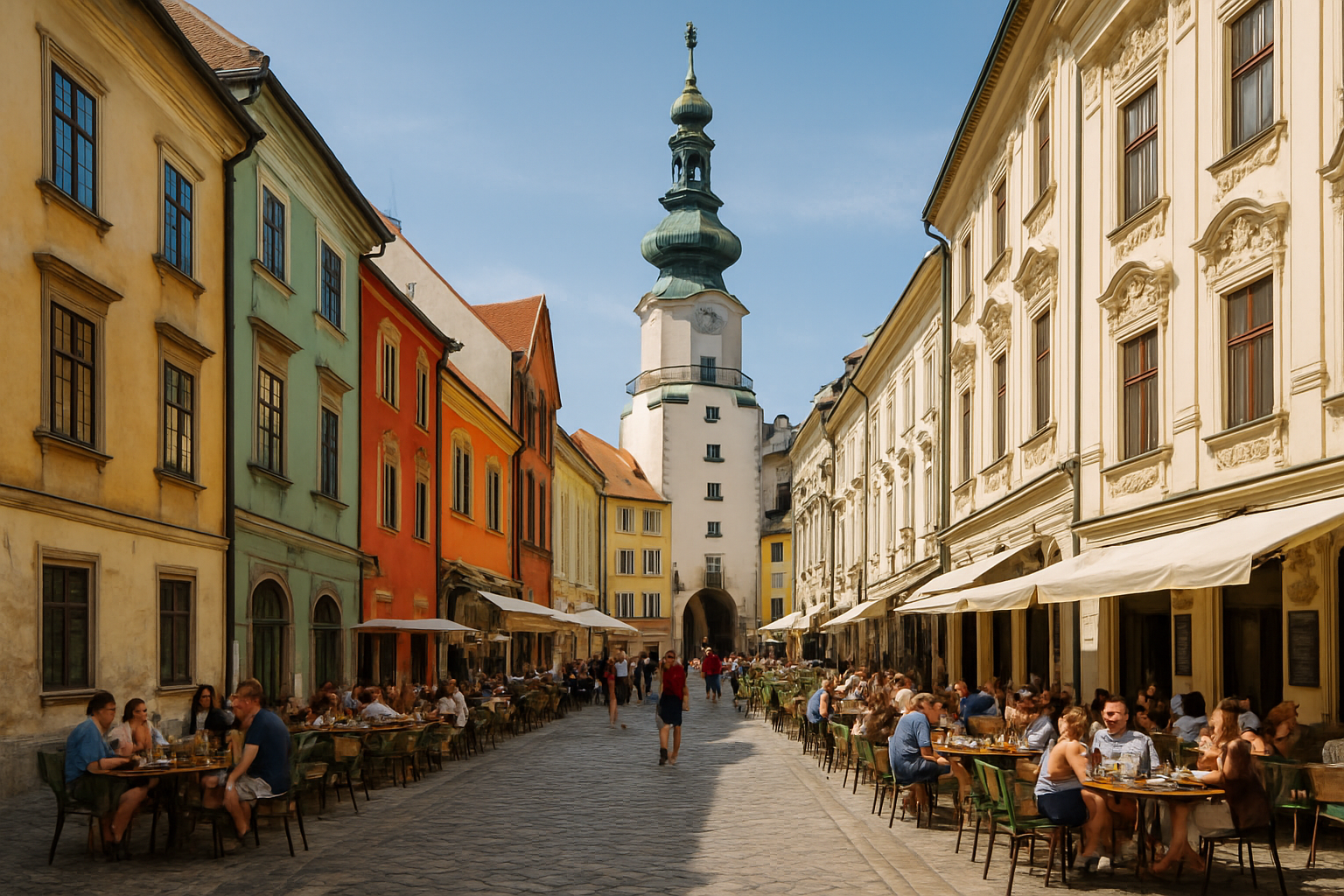
Bratislava is the main city for a first acquaintance with Slovakia, a short tour, and a convenient route start. Here it's worth seeing Bratislava Castle, the Old Town, Michael's Gate, St. Martin's Cathedral, and the Danube embankment. The city is suitable for couples, history lovers, gastronomic walks, and those arriving or coming through Vienna.
Košice is the second-most important city in the country and a good choice for eastern Slovakia. The main street with St. Elizabeth's Cathedral, the city tower, and historical facades is convenient for a leisurely walk. Košice can be well combined with Spiš Castle, Levoča, Slovak Paradise, or the Tokaj wine region.
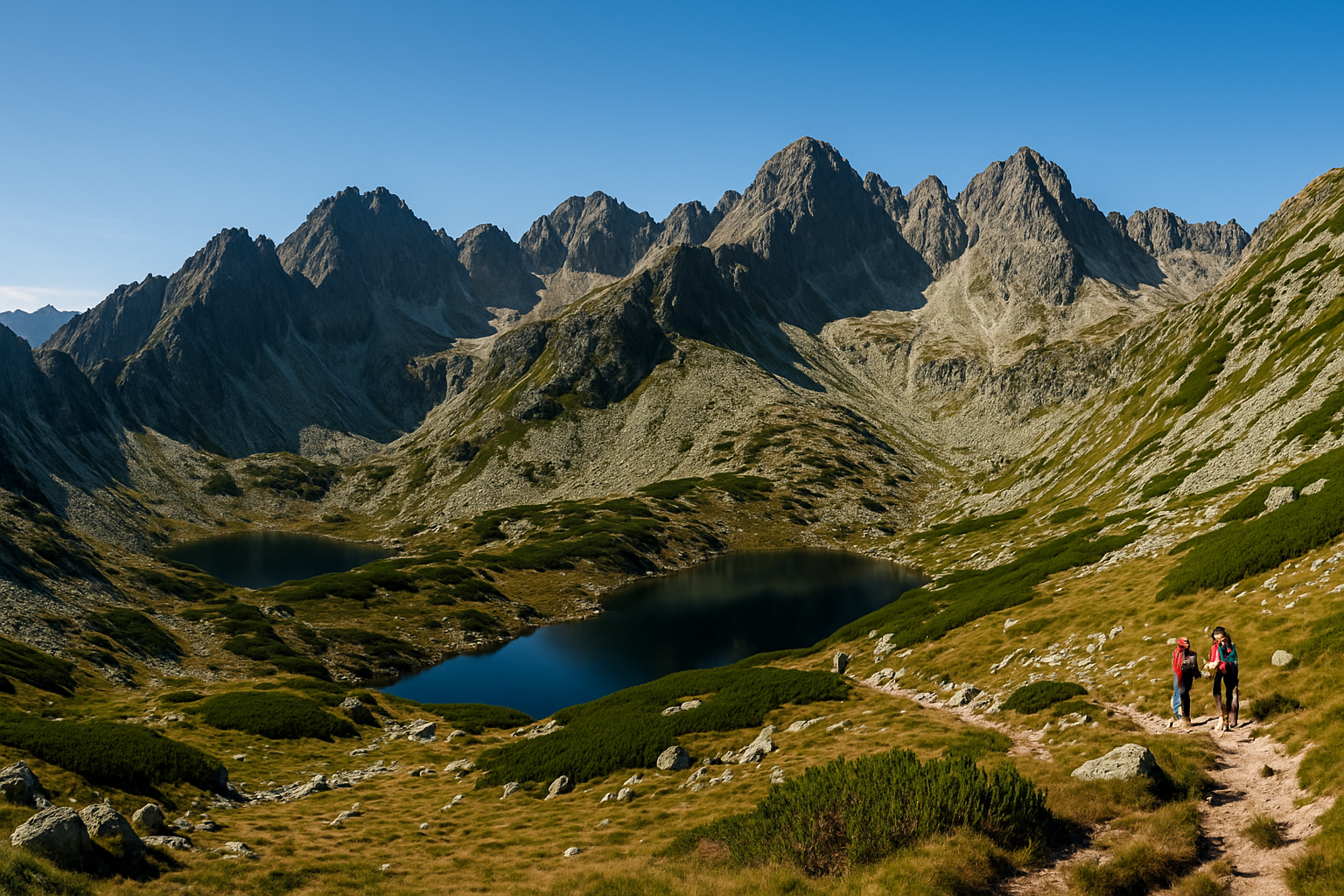
The High Tatras are the most famous mountain region in Slovakia, where tourists choose Štrbské Pleso, Tatranská Lomnica, or Starý Smokovec. Štrbské Pleso is suitable for beautiful walks near the lake and quieter holidays, Tatranská Lomnica is convenient for lifts, and Starý Smokovec is for routes and logistics between resorts. In winter, they go skiing here, and in summer — on hiking trails, to waterfalls, and high-altitude views.
Jasná in the Low Tatras is the country's main ski destination in the Chopok mountain area. The resort is suitable for active tourists, companies, and those who want skiing, mountain restaurants, lifts, and accommodation in Demänovská Dolina. In the warm season, Jasná is combined with caves, bike routes, and Liptov.
Liptovský Mikuláš and Liptov are practical regions for family vacations. Nearby are Tatralandia, Bešeňová, Lake Liptovská Mara, and the Demänovská Cave of Liberty, so it's easy to combine water, nature, and short trips here. It's not a sea resort, but for summer with children or rest near thermal pools, the region is one of the most convenient.
Piešťany is a well-known wellness resort in western Slovakia. It is considered for a quiet trip, procedures, walks on the spa island, and rest without an active excursion program. Before booking a sanatorium format, it's important to clarify the medical profile, duration of programs, and conditions for assigning procedures.
Banská Štiavnica is a historical city in the mountains, associated with mining heritage and included in the World Heritage List. Tourists are interested in the Old and New Castles, Calvary, narrow streets, and artificial reservoirs around the city. This is a destination for couples, photographers, and those who want a slow cultural journey.
Bojnice and Spiš Castle are worth including in the itinerary as separate attractions. Bojnice Castle is often chosen for a day trip due to its fairy-tale architecture and proximity to the city park. Spiš Castle is one of the largest castle complexes in Central Europe, conveniently combined with Levoča and Košice.
Nature in Slovakia
Slovakia's nature forms the main formats of recreation: mountains, caves, forests, canyons, lakes, and thermal springs. The High Tatras give classic alpine views with lakes and rocky paths, the Low Tatras are more suitable for skiing, longer routes, and active holidays. In Slovak Paradise, tourists walk wooden bridges, ladders, and gorges, so this region is better planned in dry weather and with proper shoes.
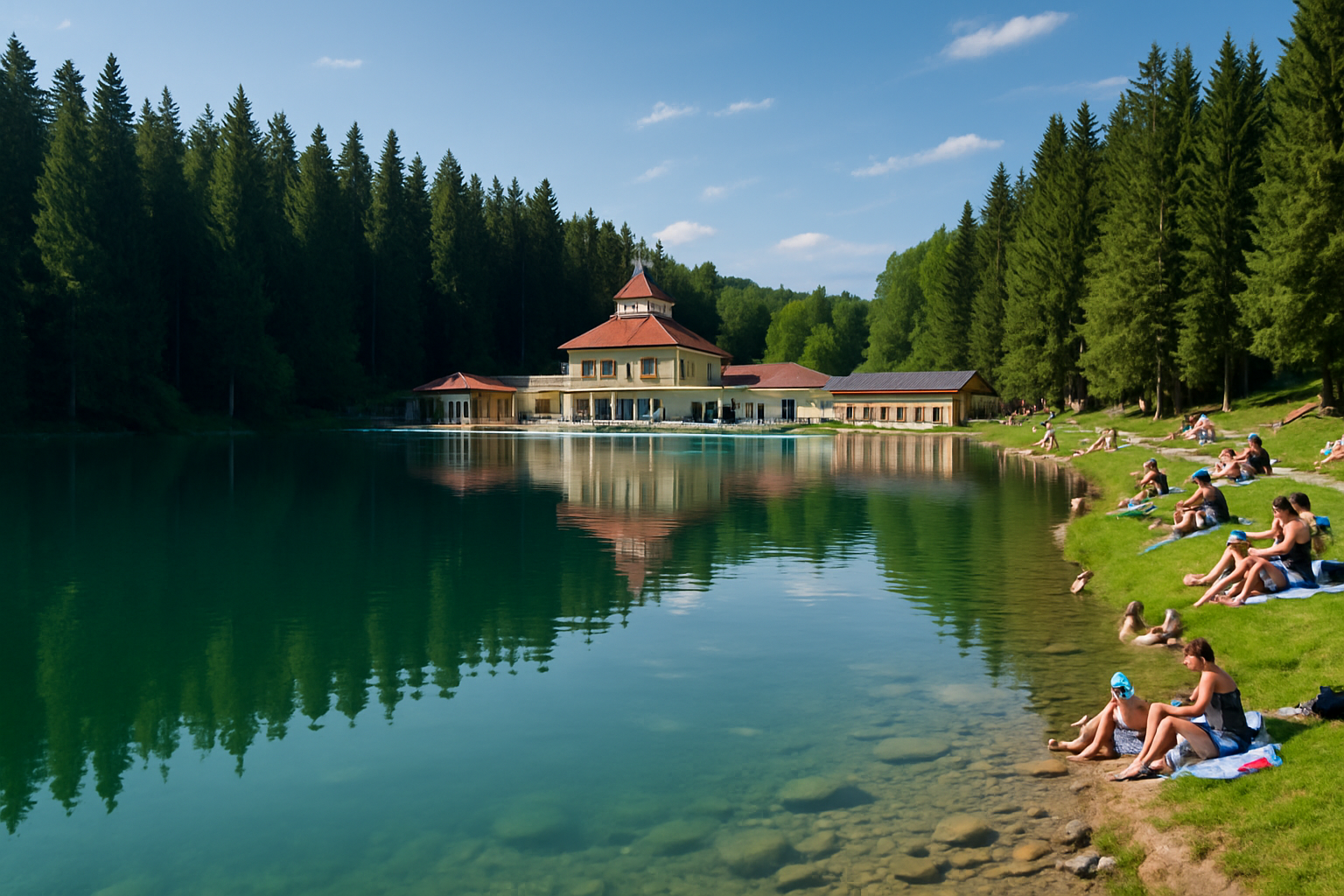
There is no sea in Slovakia, but summer rest near the water is possible on lakes and in thermal complexes. Senec Lakes and Golden Sands are convenient for trips from Bratislava, Liptovská Mara — for mountain rest, and Zemplínska Šírava — for the eastern part of the country. The beaches here are lake-like, with infrastructure that can vary depending on the place, so it's worth checking the conditions for swimming, parking, and seasonal operation of establishments.
Caves are a separate reason to plan a route through Slovakia. The Demänovská Cave of Liberty is convenient for tourists in Liptov, the Dobšiná Ice Cave is interesting in summer due to its cold microclimate, and the Ochtinská Aragonite Cave is known for its unusual mineral formations. The cave opening schedules are seasonal, so they need to be checked before departure, especially outside the summer.
Shopping in Slovakia
For shopping in Bratislava, Eurovea, Aupark, Avion, and Central shopping centers are convenient. Eurovea is suitable for those who want to combine shopping with a walk along the Danube, Aupark is convenient for a wider choice of mass brands, and Avion is often considered before or after a trip to the airport. In the city center, it's worth walking along Obchodná Street and visiting the Old Market Hall, where on certain days, they sell farm products, pastries, honey, and local goods.
In Košice, tourists can conveniently orient themselves to the city center and the Optima shopping complex. For local products, it's better to look for small shops with cheeses, wines, honey, and craft products, rather than buying everything in souvenir shops near the main squares. In the mountainous regions of the Tatras, they often sell woolen items, wooden products, herbal teas, honey, cheese products, and local tinctures.
Seasonal sales usually occur after the winter holidays and in summer, but specific dates depend on the stores. Tourists from countries outside the European Union can be eligible for a partial tax refund for purchases in stores that work with such a system, but conditions and minimum amounts should be checked on-site. For gastronomic shopping, it's worth paying attention to Slovak wines from the Little Carpathians and Tokaj, bryndza, oštiepok, cheese strings, honey, poppy pastries, and Tatra tea.
What Souvenirs to Buy in Slovakia
Gastronomic souvenirs from Slovakia are the most practical if you travel without a long transfer in the heat. Often they bring smoked cheese oštiepok, cheese strings, bryndza in packaging suitable for transportation, honey, jams, herbal teas, and poppy sweets. Before buying dairy products, it's worth considering the road, storage conditions, and the customs rules of the return country.
Among drinks, Slovak wines are popular, especially from the Tokaj, Modra, Pezinok, and Svätý Jur regions. Tatra tea is bought as a strong herbal liqueur, and borovička as a traditional juniper drink, but alcohol needs to be transported considering current restrictions. For gifts, it's better to choose factory packaging to avoid questions when crossing the border.
Among non-edible souvenirs, it's worth paying attention to Modra ceramics, wooden figurines, wool socks, gloves, linen textiles, and products with folk patterns. In tourist areas, prices are often higher than in local shops or crafts markets. If you need a truly local product, it's better to ask about the origin of the product rather than just relying on the label.
Holidays in Slovakia
Christmas markets in Bratislava and Košice usually operate from late November to December, but dates need to be checked annually. Tourists are interested in hot drinks, local food, craft kiosks, festive illumination, and concerts on the squares. During this period, demand for hotels in city centers increases, especially on weekends.
The Folklore Festival in Východná usually takes place at the beginning of July and is considered one of the most famous events of traditional Slovak culture. It is interesting for those who want to see folk costumes, dances, music, and crafts not only in a museum format. Accommodation nearby is better booked in advance, as the event attracts many visitors.
In September, it's worth paying attention to wine events in the Little Carpathians region, particularly in Pezinok and Modra, as well as Salamander Days in Banská Štiavnica. Wine harvesting is interesting with tastings, local food, and fairs, and Banská Štiavnica at this time highlights the mining traditions of the city. Such events make the route richer but can affect hotel prices and availability.
New Year in Slovakia
New Year in Slovakia is best suited for those who want a winter trip without the sea but with mountains, markets, thermal pools, or a short city program. In Bratislava, during this period, it's cool, often around zero, and snow is not guaranteed, but it's convenient to walk around the center and combine the city with Vienna or the Little Carpathians. In the Tatras and Jasná, the chance for a winter picture is higher, but skiing conditions depend on the weather and resort operations.
For New Year's dates, it's necessary to book hotels in Štrbské Pleso, Tatranská Lomnica, Starý Smokovec, Demänovská Dolina, and Liptov in advance. Thermal complexes are also popular, as after skiing or walks, tourists often plan pools with warm water. If a calmer trip is needed, it's better to look at dates after the holiday peak, when demand gradually decreases.
Healthcare in Slovakia
The level of medical care in Slovakia generally meets European standards, but medical insurance is important for tourists. Without an insurance policy, seeing a doctor, emergency care, or treating injuries can be expensive, especially during skiing or active holidays in the mountains. Before the trip, it's worth checking if the policy covers skiing, hikes, thermal procedures, and possible transportation.
Pharmacies are available in cities and resort regions, but in mountain villages, the schedule may be limited. It is appropriate to have common medicines, cold remedies, plasters, sunscreen for the mountains, insect bite remedies, and medications you regularly take in your own first-aid kit. It's better to transport medicines in their original packaging, and for prescription drugs, have a prescription confirmation.
Tap water in many places is usually suitable for drinking, but tourists with sensitive stomachs may purchase bottled water. In the mountains, you should consider sudden weather changes, ultraviolet, slippery paths, and the risk of ticks in the warm season. Thermal waters are not suitable for everyone equally, so people with chronic diseases should consult a doctor in advance and not perceive resort procedures as universal treatment.
Customs Regulations in Slovakia
Slovakia is part of the European Union and the Schengen area, so general European rules with national nuances apply to the import of currency, alcohol, tobacco, medicines, food, and equipment. Large amounts of cash need to be declared according to established rules, and expensive personal items, professional equipment, or new purchases may raise additional questions at the border. It's worth checking exact limits and requirements before the trip, as they may change.
Alcohol, tobacco, perfumes, food products of animal origin, plants, and medicines have import and export restrictions. Prescription drugs should preferably be transported in original packaging with documents, and souvenirs made from natural materials should be bought in legal shops. If you plan to bring cheese, honey, drinks, or large purchases, check the rules not only in Slovakia but also in the country you will be returning through.
Visa Regime for Ukrainians
Slovakia is a Schengen area country. Ukrainian citizens can usually travel visa-free for up to 90 days within 180 days with a biometric passport, but before the trip, it's necessary to check the current entry rules, as they may change. For a tourist trip, confirmation of the purpose of the trip, accommodation booking, return ticket or itinerary, and medical insurance may be required.
If the trip is planned with a non-biometric passport, for a longer period, or for a non-tourist purpose, the conditions will be different. Special rules may apply to children, car trips, transit through other countries, and the transport of pets. Before booking a tour or hotel, it's worth checking the requirements with official sources and current border crossing rules.
Tours to Slovakia
Tours to Slovakia are best selected by the format of vacation rather than just by the city of arrival. For excursions, Bratislava, Košice, Levoča, Banská Štiavnica, and castle routes are suitable; for the mountains — the High Tatras, Jasná, and Liptov; for wellness — Piešťany, Bešeňová, Veľký Meder, and thermal complexes. Classic beach tours are not relevant here due to the absence of the sea, but in summer you can choose lakes, water parks, and thermal pools, and in winter — skiing and New Year trips.
Farvater Travel helps to select a vacation in Slovakia considering the season, budget, logistics, type of hotel, and purpose of the trip. For families, it's worth looking at Liptov and the Tatras, for couples — Bratislava, Banská Štiavnica, and Bojnice, for active tourists — Jasná, Slovak Paradise, and mountain routes. It's most advantageous to plan booking in advance for the New Year, ski season, summer holidays, and popular festival dates, and in the off-season, you can find more peaceful options for a short trip.