Slovenia: Holidays, Seasons, Resorts, and Tours - Farvater Travel
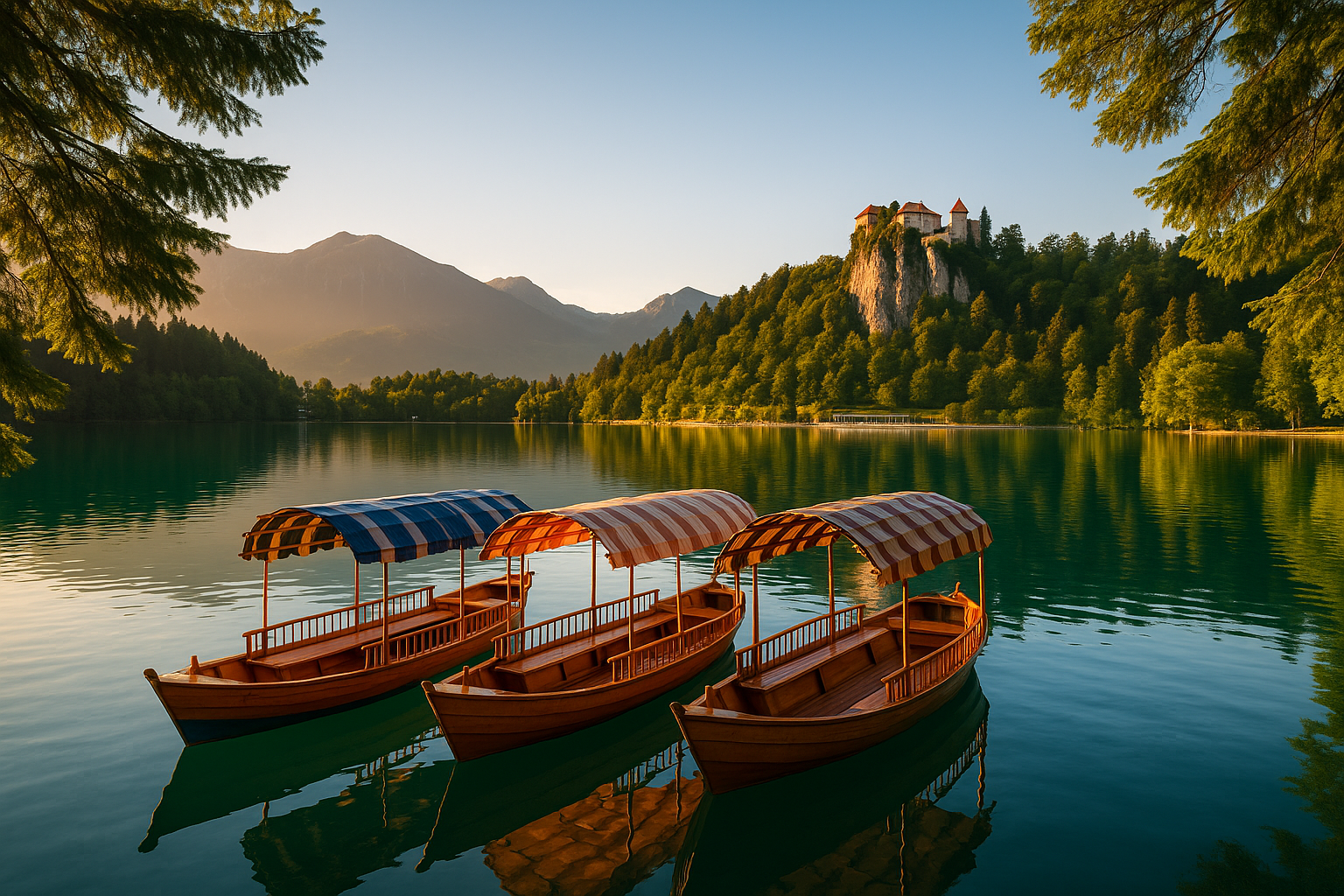
Slovenia is suitable for tourists who want to combine the Alps, lakes, ancient cities, thermal resorts, and a short rest on the Adriatic in one trip. The country is compact: from Ljubljana to Lake Bled, the coast, or the Postojna caves can often be reached in a few hours, making it easy to combine routes. This is convenient for a first trip to Europe, a romantic tour, a family vacation without long transfers, and an active journey with trekking.
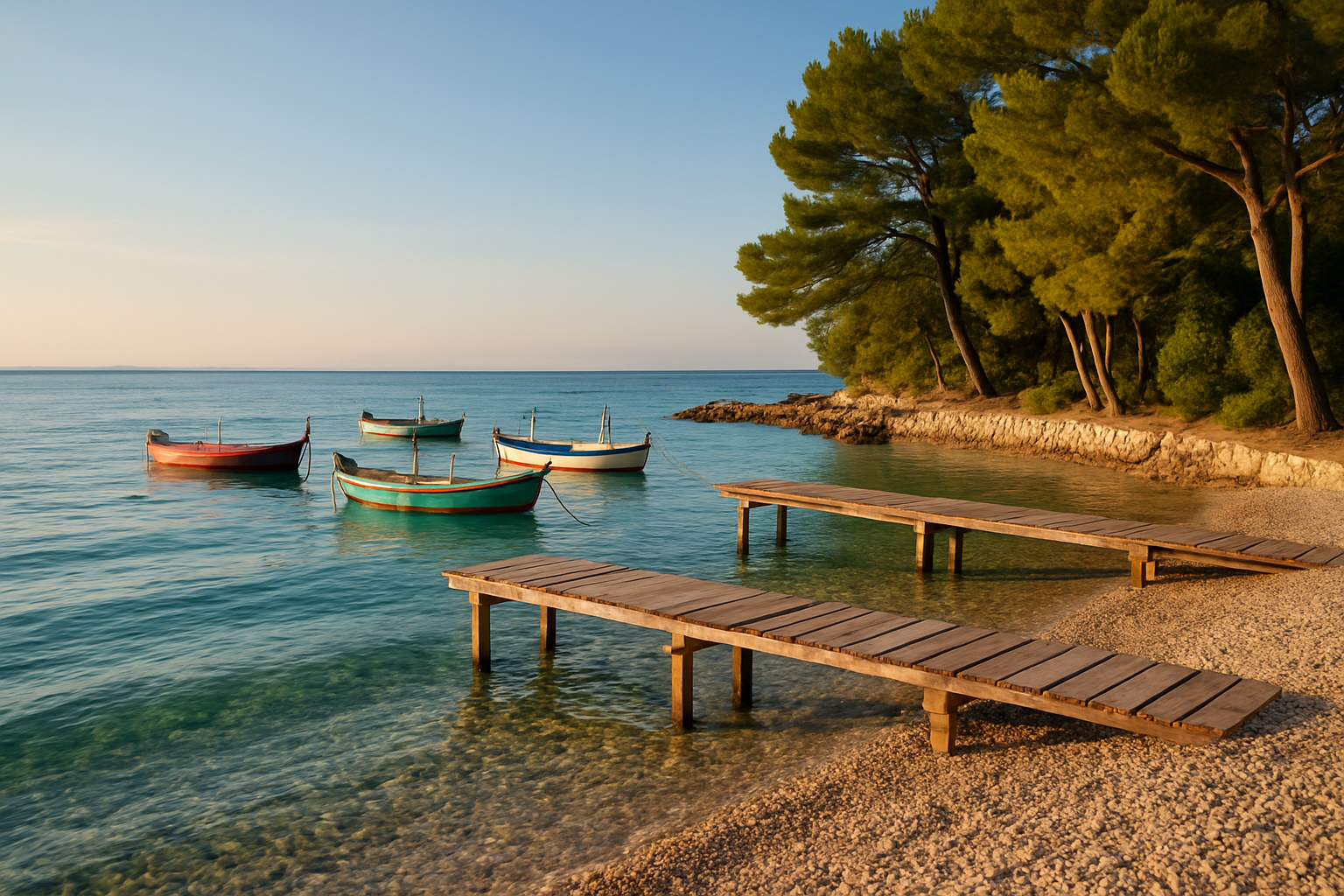
Do not perceive a holiday in Slovenia as solely a beach experience, as the coastline is short, and the beaches are often pebbly or equipped with platforms. The strongest points of the country are Lakes Bled and Bohinj, Triglav National Park, the Soča River Valley, Postojna Cave, Predjama Castle, Ljubljana, Piran, and thermal springs. Therefore, tours to Slovenia are most often chosen by those who value a diverse itinerary, pristine nature, gastronomy, and tranquil cities without too much hustle and bustle.
For booking, it is important to immediately determine the format of the trip. If you need the sea, it's better to consider Portorož, Piran, Izola, or Koper in the summer; if you need mountains, Bled, Bohinj, Kranjska Gora, and the Soča Valley are suitable. For a short city break with excursions, Ljubljana is convenient, and for a wellness tour, consider Rogaška Slatina, Moravske Toplice, Terme Čatež, or Podčetrtek.
5 Reasons to Visit Slovenia
1. Compact routes. In one trip, you can see the capital, alpine lakes, karst caves, the sea coast, and wine regions. This is especially convenient for tourists who do not want to spend much time on internal flights or long transfers.
2. Different vacation formats within one country. Slovenia has a beach season on the Adriatic, ski resorts in the Alps, thermal complexes, cycling routes, and city excursions. Such a trip can easily be tailored to suit a family with children, a couple, active tourists, or those who want a peaceful wellness holiday.
3. Nature without complex logistics. Lake Bled, Lake Bohinj, the Vintgar Gorge, the Soča River Valley, and Triglav National Park are located so that they can be combined into one itinerary. In the high season, accommodation near the lakes should be booked in advance, as demand is high in July and August.
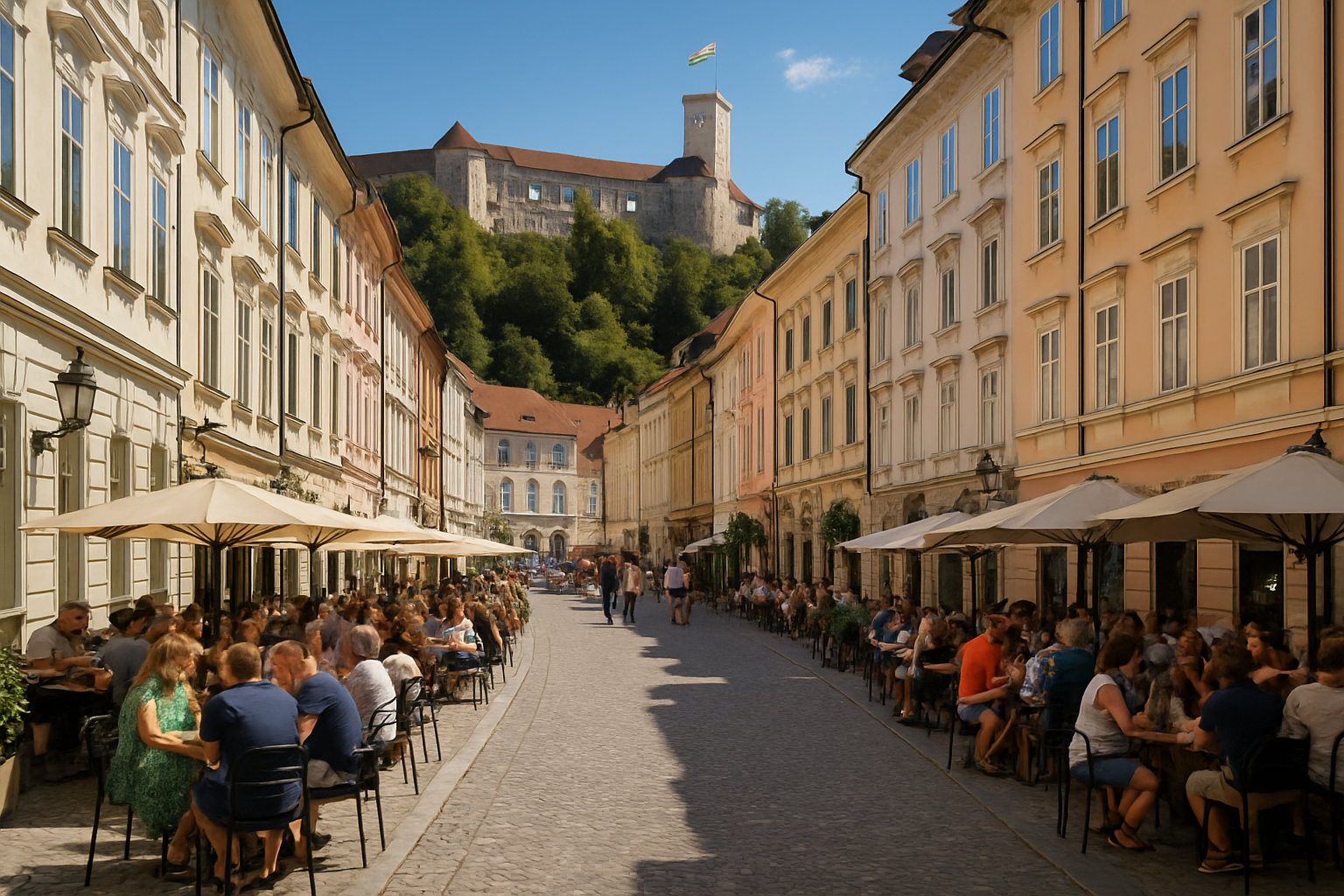
4. Cities with distinct character. Ljubljana with the Ljubljanica embankments, castle, and central market is great for a leisurely city break. Piran with its Venetian architecture, Tartini Square, and narrow streets offers a different feel—closer to the Mediterranean coast.
5. Gastronomy and local products. In Slovenia, you should try potica, Kranjska sausage, štruklji, idrijski žlikrofi, jota, Bled cream cake, prosciutto, and local wines from the Primorska, Podravje, and Posavje regions. For tourists, this is not only a restaurant experience but also great ideas for souvenirs: honey, pumpkin oil, salt from the Sečovlje Saltworks, and rebula or teran wines.
When to Visit Slovenia
The most convenient season for a sightseeing trip around Slovenia usually lasts from May to October. In May and June, the air in the central part of the country often warms up to about 20–26 degrees, and nature in the mountains is already suitable for light walks, although there may still be snow on high routes. This is a good period for Ljubljana, Bled, Bohinj, Piran, Postojna, and the wine regions, if you want fewer people than in mid-summer.
A beach holiday on the Slovenian Adriatic is best planned from late June to early September. In July and August, air temperatures on the coast often reach 27–31 degrees, and the water usually warms up to about 23–25 degrees, although conditions can vary due to currents and weather. For families with children, the end of June and the first half of September are often more comfortable when the sea is already or still warm, and the heat and hotel occupancy are lower than in August.
July and August are peak seasons not only at the sea but also near lakes Bled and Bohinj. During this time, swimming in the lakes, boat rides, bike routes, hiking in the Alps, and camping are popular. If tourists value peace, lower accommodation prices, and more space in restaurants, it's better to consider June, September, or early October.
Autumn is suitable for couples, gastronomic tours, and excursions. In September, it is often still warm on the coast, comfortable to walk in Ljubljana and Maribor, and the wine regions are busy with harvest. In October, temperatures can drop to 12–18 degrees, but there are fewer queues at Postojna Cave, Predjama Castle, and on sightseeing routes around the lakes.
Winter in Slovenia has a completely different character. In the mountains, temperatures often stay below or close to zero, and the ski season at Kranjska Gora, Rogla, Krvavec, and Maribor Pohorje resorts usually runs from December to March, depending on the snow. For a New Year's trip, it's worth booking hotels earlier as demand grows in cities and near thermal complexes and ski resorts.
Best Hotels in Slovenia
In Ljubljana, it's convenient to choose hotels in the city center or near the railway station if one-day trips to Bled, Postojna, or Maribor are planned. Hotel Slon in the capital's center is often considered by tourists who value proximity to pedestrian streets, the Ljubljanica embankment, and Prešeren Square. The Intercontinental Ljubljana suits those looking for a higher-level modern city hotel and plan to combine a business trip or a short vacation with comfortable accommodation.
For Lake Bled, consider hotels near the embankment or slightly above the lake, depending on the budget and desire for a quieter location. The Grand Hotel Toplice is one of Bled's most famous historic hotels, often chosen for romantic trips and journeys focused on classic lake relaxation. In Bled, there are also apartments and small family hotels, which are often more economical for longer stays, especially if a kitchen is needed.
Near Lake Bohinj, the atmosphere is calmer than in Bled, so this region is suitable for trekking, cycling, and relaxation closer to Triglav National Park. Hotel Jezero in Ribčev Laz is considered by tourists for its convenience for walks around the lake and trips to the Vogel cable car. In this area, it's important to check transport accessibility, as without a car, the choice of routes and restaurants may be more limited in the evening.
On the coast, the choice depends on whether beach comfort or a historical environment is needed. Kempinski Palace Portorož suits tourists looking for a high-level hotel in the country's main seaside resort, near the embankment and restaurants. Hotel Piran should be considered by those who want to live closer to the old town, Tartini Square, and evening walks along the sea, but it's necessary to consider the peculiarities of ancient buildings and parking.
For a budget holiday in Slovenia, practical options include apartments, guesthouses, and guesthouses, especially in Bohinj, Maribor, Ptuj, and small towns near thermal resorts. The mid-range is the most convenient for most tourists: these are city hotels in Ljubljana, family hotels near the lakes, and resort hotels in Portorož or Rogaška Slatina. Luxury options should be booked in advance in Bled, Portorož, and for popular winter dates, as the country's room stock is not as large as in mass beach destinations.
Best Resorts and Cities in Slovenia
Ljubljana is the most convenient base for a first trip to Slovenia, especially if the tourist wants to combine the city with outings to various regions. In the capital, you should see Ljubljana Castle, Prešeren Square, the Triple Bridge, the Ljubljanica embankments, and the central market near the Plečnik Colonnade. The city is not a beach resort but is great for excursions, gastronomy, shopping, and a short 2-3 day break.
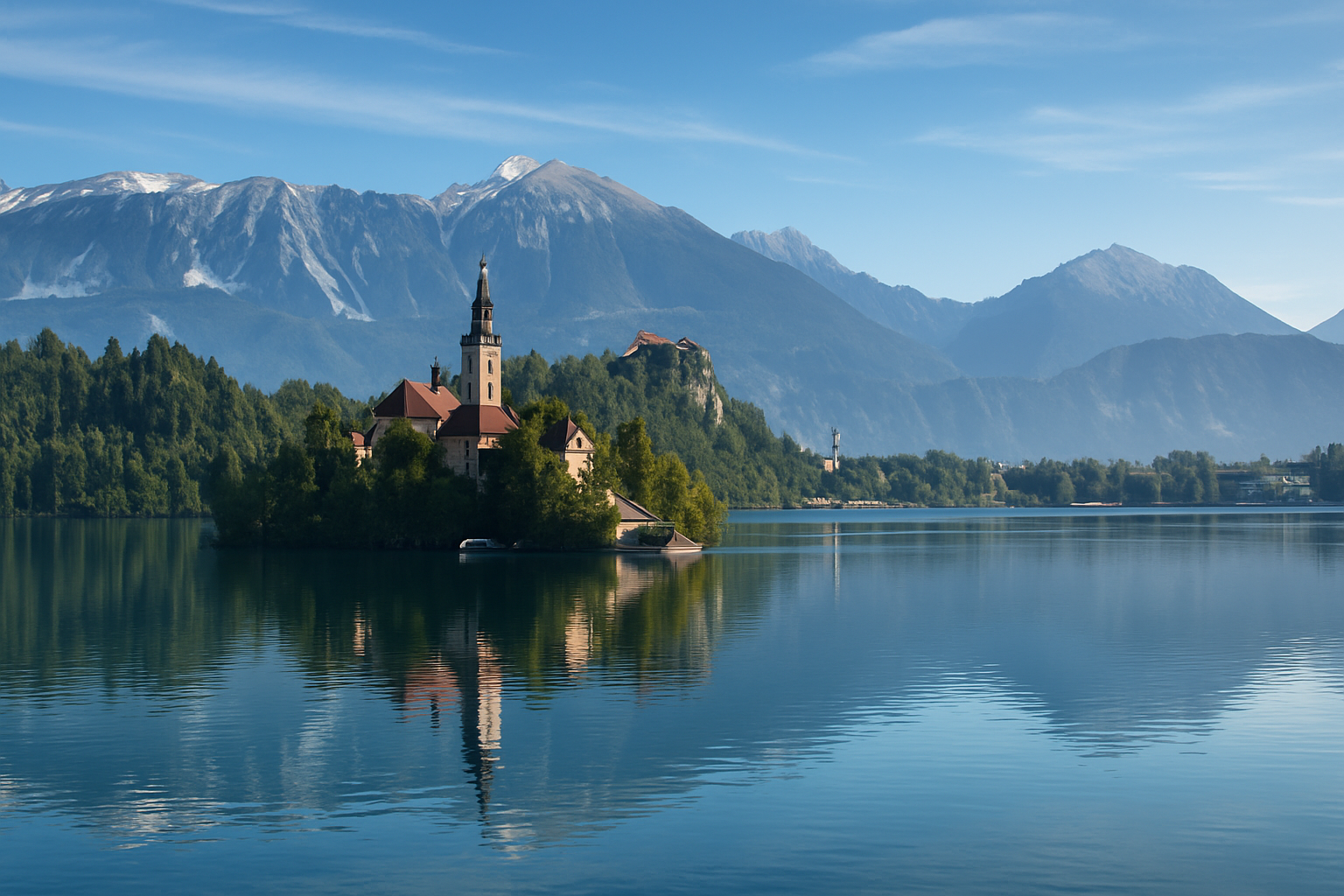
Bled is one of Slovenia's most famous recreational destinations. Tourists come here for views of the island with the church, Bled Castle, a walk around the lake, and the classic cream cake. For families, Bled is convenient with its infrastructure, but in the summer, it is crowded, so for a quieter holiday, it's worth choosing accommodation not in the most central part or visiting in June or September.
Bohinj is suitable for those who want more nature and less resort activity. Lake Bohinj is located within Triglav National Park, with routes to Savica Waterfall, the Vogel cable car, and trails for walks of varying difficulty nearby. This is a good option for active tourists but not the best choice for those looking for evening entertainment and vibrant city life.
Piran, Portorož, Izola, and Koper form the country's main seaside direction. Portorož is more focused on resort relaxation, hotels, beach areas, and evening walks, while Piran is valued for its old town, Tartini Square, and Venetian architecture. Izola is calmer and well-suited for a leisurely sea holiday, while Koper is convenient as a transport and city center of the coast.
Postojna and Predjama Castle are a must for those interested in karst caves and unusual historical locations. The Postojna Cave is known for its underground route with a tourist train, and the Predjama Castle is built into a cliff and is well combined with a trip to the cave in one day. This region is better planned as an excursion destination rather than a place for long resort stays.
Maribor and Ptuj are suitable for tourists who want to see eastern Slovenia. In Maribor, you should pay attention to the Lent district, the Old Vine, and the wine traditions of Styria, and in winter, the city is convenient for trips to Maribor Pohorje. Ptuj is considered one of the country's oldest cities, has a castle, an old core, and a famous Kurentovanje carnival season.
Nature in Slovenia
The nature of Slovenia strongly influences the format of the holiday, as the country combines the Alps, karst, river valleys, lakes, and a small section of the Adriatic. Triglav National Park is the main mountain region with peaks, gorges, waterfalls, and routes for different levels of preparation. For light walks, Bled, the Vintgar Gorge, and Bohinj are suitable, while more challenging treks should be planned considering the weather, equipment, and season.
The Slovenian coastline is short, so the beach holiday here is more intimate than in large Mediterranean countries. The beaches are often pebbly, concrete, or equipped with platforms, and in Portorož, there is more resort infrastructure. More natural sea views should be sought near Strunjan, where there are cliffs, a protected area, and walking routes above the coast.
The Soča River Valley is suitable for rafting, kayaking, hiking routes, and trips along picturesque roads. The areas of Bovec, Kobarid, and Tolmin are often chosen by active tourists, but the weather in the mountains can change quickly even in summer. For families with children, it is better to choose simpler paths and check the conditions on the routes before leaving.
Shopping in Slovenia
The most convenient place for city shopping is Ljubljana, where there are shopping centers, a market, and shops of local producers. BTC City is suitable for buying clothes, shoes, equipment, and home goods, while Citypark is convenient for tourists who want to find everything in one area. The Nama department store in the center is useful for those who do not plan to go to the city's outskirts and want to combine shopping with a walk through the old part of Ljubljana.
The Ljubljana Central Market is worth visiting for local products, honey, cheeses, seasonal fruits, pumpkin oil, and small gastronomic souvenirs. In coastal cities, especially in Piran and Koper, tourists often buy salt from the Sečovlje Saltworks, olive oil, prosciutto, and wines from the Primorska region. In Maribor and the surrounding areas, attention should be paid to wines, pumpkin oil, and products from Styria.
Seasonal sales in Slovenia usually occur after the winter holidays and in summer, but specific periods can change. In large stores, cards are often accepted, but at markets, in small shops, and mountain villages, it is better to have part of the sum in cash in euros. If more expensive purchases are planned, it is worth clarifying the possibility of tax refunds in stores that work with such a system.
What Souvenirs to Buy in Slovenia
The most practical souvenirs from Slovenia are gastronomic. You can bring pumpkin oil from Styria or Prekmurje, Slovenian honey, sea salt from the Sečovlje Saltworks area, olive oil from the coast, herbal teas, and local sweets. Such purchases are best made in grocery stores, markets, or farmer's shops, where it is easier to find local origin.
Among drinks, tourists often choose Slovenian wines, including rebula, teran, cviček, or wines from the Goriška Brda, Vipava Valley, and Styria regions. If a non-alcoholic souvenir is needed, syrups, honey products, or herbal tinctures without a strong alcohol focus can be taken. Before transporting drinks in luggage, it is worth checking the airline's rules and customs restrictions.
Among non-gastronomic souvenirs, wood products, ceramics, Idrija lace, cosmetics based on salt or thermal water, and small items with the symbols of Bled, Ljubljana, or Piran are appropriate. Idrija lace is best bought in specialized shops, as it is not a mass magnet but a traditional product. For gifts with a small budget, postcards with works of architect Plečnik, kitchen textiles, or salt in small packages are suitable.
Holidays in Slovenia
One of the most famous seasonal holidays is Kurentovanje in Ptuj, which usually takes place in February or early spring before Lent. Tourists are interested in traditional kurent costumes, processions, and the carnival program in the old town. Accommodation in Ptuj and nearby should be booked in advance for these dates, as the event is popular among locals and guests.
In the summer, the Ljubljana Festival is held in Ljubljana with concerts, theatrical, and musical events at various venues in the city. Dates and programs should be checked before the trip, as they change every year. For a tourist, this is a good reason to stay in the capital for the evening, but on peak days, demand for central hotels may be higher.
Maribor is known for the Lent Festival, which usually takes place at the end of June or in summer in the Drava embankment area. The event combines concerts, street performances, and urban life, making the city more lively than on ordinary days. In autumn, in the wine regions, events related to the grape harvest take place, particularly around the Old Vine in Maribor, and this is a good time for a gastronomic trip.
New Year in Slovenia
New Year in Slovenia is suitable not for a beach trip but for winter cities, thermal resorts, Christmas markets, and the mountains. In December, the center of Ljubljana is usually decorated, festive stalls operate, and evening walks along the Ljubljanica become the main part of the city break. The weather can be cold and wet, so warm clothing, comfortable footwear, and a plan in case of rain are needed.
For a skiing trip, consider Kranjska Gora, Rogla, Krvavec, or Maribor Pohorje, but skiing conditions depend on the snow and the lifts' operation. If a quieter format is needed, thermal resorts Rogaška Slatina, Moravske Toplice, Terme Čatež, or Podčetrtek are suitable. New Year's tours, popular hotels, and wellness complexes are best booked in advance, as the choice narrows noticeably in the last weeks of the year.
Healthcare in Slovenia
The level of medical care in Slovenia generally meets European Union standards, but for tourists, treatment without insurance can be expensive. Before the trip, it is worth obtaining a travel policy that covers emergency assistance, active recreation, skiing, or water sports if they are part of the travel plan. The insurance policy should be carefully checked for exceptions, as standard coverage does not always include mountain routes or sports activities.
Pharmacies are available in cities and tourist areas, but in small villages or mountain zones, they may not be nearby. A basic first-aid kit should include personal medications, remedies for digestive disorders, plasters, sunscreen, repellent, and products regularly used by the tourist. If the medication is prescription-based, it's better to have a prescription or medical confirmation, especially when crossing the border.
Tap water in many places in Slovenia is usually suitable for drinking, but in the mountains and on natural routes, it's better to clarify the water source. In summer on the coast and near lakes, sun protection is important, and in the Alps, the weather can change quickly even on a warm day. In forests and meadows in the warm season, it's worth remembering about ticks, wearing closed clothing on routes, and examining the skin after walks.
Customs Rules in Slovenia
Slovenia is part of the European Union and the Schengen Zone, so for tourists, the import rules typical for EU countries apply. Personal belongings, clothing, equipment for personal use, and a reasonable amount of travel goods are usually transported without problems, but commercial quantities may raise questions. Large sums of cash need to be declared according to current regulations, and it's worth checking the current thresholds before the trip.
Alcohol, tobacco, animal products, plants, medicines, and special equipment may have restrictions. It is not worth transporting prescription drugs without packaging and explanation, and for potent drugs, a medical document is advisable. Rules regarding the quantities of alcohol, tobacco, products, and purchases may change, so before departure, it's necessary to check the current requirements for the route by which the tourist crosses the border.
Visa Regime for Ukrainians
Slovenia is a Schengen Zone country, so Ukrainian citizens can usually travel to Slovenia without a visa for up to 90 days within 180 days with a biometric passport. Such a trip should comply with a tourist or short-term purpose, and at the border, confirmation of residence, return route, insurance, and sufficient funds may be requested. Before booking, it's necessary to check the current entry rules, as they may change.
If the tourist does not have a biometric passport or plans a longer stay, study, work, or other non-tourist purpose, additional documents or a visa of the appropriate type may be required. The cost and procedure depend on the specific category of the application, so they should not be clarified from outdated sources. For a standard short tourist trip with a biometric passport, a separate Schengen visa is usually not required.
Tours to Slovenia
Slovenia is best suited for tourists who want a meaningful European trip without long distances between locations. For the first itinerary, it's convenient to combine Ljubljana, Bled, Bohinj, Postojna, Predjama Castle, and the coast of Piran or Portorož. If the trip lasts longer, the Soča Valley, Maribor, Ptuj, wine regions, or thermal resorts should be added.
Beach tours to Slovenia are appropriate in the summer, but they are better perceived as a sea holiday combined with excursions rather than a classic long beach format. For families, Bled, Bohinj, Portorož, and thermal resorts are suitable; for couples — Ljubljana, Piran, Bled, and wine regions; for active tourists — Triglav National Park, Vogel, Kranjska Gora, and the Soča Valley. For winter, practical ski and wellness tours, and for spring and autumn, excursion routes with comfortable weather.
Through Farvater Travel, you can select tours to Slovenia taking into account the season, travel duration, hotel type, meal format, route, and budget. For this country, excursion tours, romantic trips, family vacations, thermal programs, combined routes with the sea, and early booking for summer or New Year are particularly appropriate. Before choosing a hotel, it's worth determining the main goal: sea, lakes, mountains, cities, or wellness, as this determines the best region for accommodation.