Tanzania: Rest, Seasons, Resorts, and Tours - Farvater Travel
Tanzania combines beach holidays on the Indian Ocean coast, safaris in famous national parks, and trips to Africa's highest mountain — Kilimanjaro. Tourists often choose this country for Zanzibar, Serengeti, Ngorongoro Crater, and the opportunity to combine several vacation formats in one trip. This destination suits those who want not only to lie on the beach but also to see nature, animals, islands, and cities with Arabic, African, and Indian influences.
For a beach tour, it's most convenient to consider Zanzibar: the north of the island is suitable for swimming almost without strong tides, the eastern coast — for quiet hotels, long beaches, and kitesurfing. Safaris are usually planned through Arusha or Moshi, from where it's convenient to travel to Serengeti, Tarangire, Lake Manyara, and Ngorongoro. If you have enough time, it's worth planning a trip to Tanzania as a combined route: a few days in the savannah and ending the vacation on the ocean.
Tanzania requires careful season, region, and hotel selection because weather, tides, logistics, and prices can vary significantly. In Zanzibar, it's important to know the difference between Nungwi, Kendwa, Paje, Jambiani, and Matemwe, and for safaris — to understand in which months it's better to go to Serengeti or Ngorongoro. A properly selected tour helps avoid unnecessary transfers and better utilize vacation days.
5 Reasons to Visit Tanzania
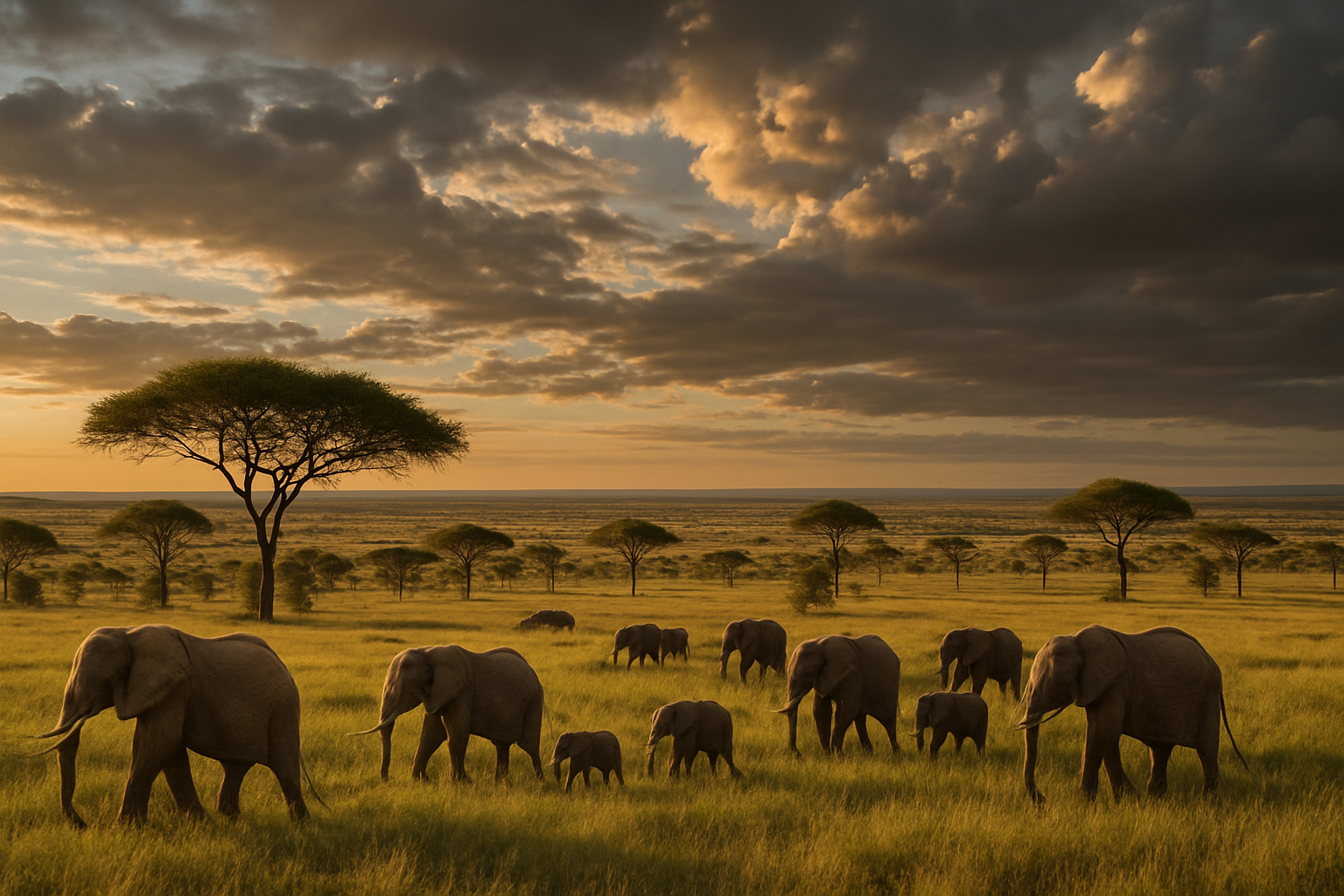
1. World-class safaris. Tanzania is home to Serengeti, Ngorongoro Crater, Tarangire, and Lake Manyara, where you can see lions, elephants, giraffes, buffaloes, zebras, and antelopes in their natural environment. For a first trip to Africa, this is one of the most straightforward destinations because safari routes are well organized.
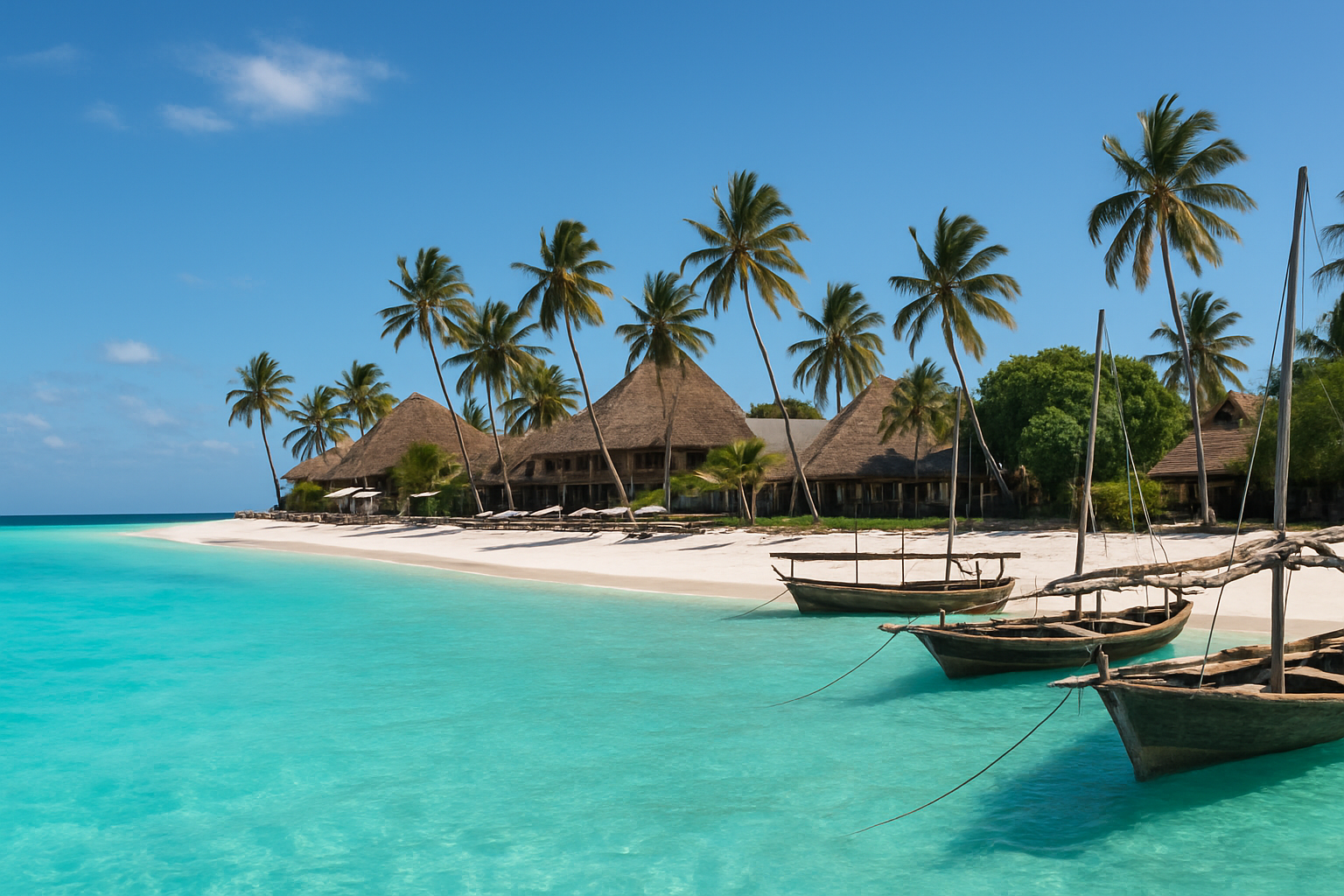
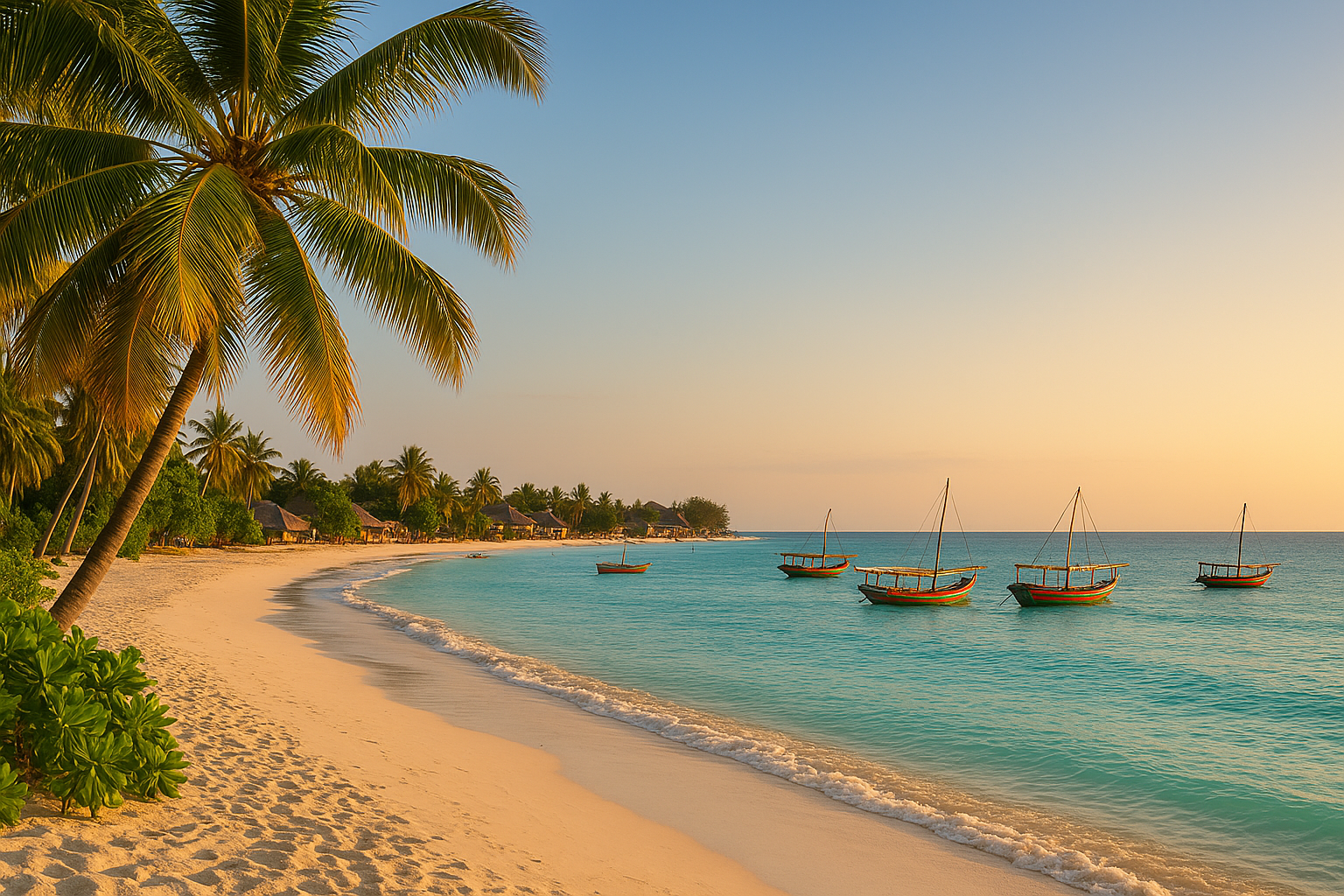
2. Zanzibar beaches. White sand, warm Indian Ocean water, and hotels of various levels make the island the main beach region of the country. Nungwi and Kendwa are convenient for swimming, while Paje and Jambiani are often chosen for kitesurfing and a more relaxed pace.
3. The opportunity to combine ocean and adventure. In one trip, you can spend a few days on safari, visit Stone Town, go to spice plantations, and finish the vacation in a beach hotel. This format is especially convenient for couples, active tourists, and those who do not want to be limited to just the resort.
4. Strong natural diversity. Tanzania has an ocean coastline, coral reefs, islands, savannahs, craters, volcanoes, lakes, and mountains. That's why the season and region should be chosen according to the specific goal: beach, safari, diving, climbing, or a peaceful vacation.
5. Distinct local culture. In Zanzibar, Swahili, Arab, Indian, and European influences are noticeable, and on the mainland, you can get acquainted with the traditions of the Maasai and the urban life of Dar es Salaam and Arusha. Tourists should pay attention to the cuisine: pilau rice, biryani, urojo soup, seafood, chapati, fried bananas, and coffee from the Kilimanjaro region.
When to Visit Tanzania
The most comfortable period for most tourists usually lasts from June to October, during the dry season, when there is less rainfall and it's more convenient to plan safaris. During this time, Zanzibar often has temperatures around 27–30 degrees Celsius during the day, the water is heated to about 26–28 degrees, and in national parks, animals are easier to see near water bodies. This is the high season, so popular hotels in Zanzibar and lodges near Serengeti and Ngorongoro should be booked in advance.
January and February are also considered a good time to travel: the coast is hot, the sea is warm, and short rains usually do not interfere with beach holidays as much as long spring showers. For safaris, this period is interesting for the southern areas of Serengeti and Ndutu, where the wildebeest calving season often occurs, although the exact movements of animals depend on the rains. For couples and tourists who want to combine the beach with nature, January–February is often more suitable than the very busy holiday dates at the end of December.
From March to May, Tanzania usually experiences a long rainy season, especially noticeable on the coast and islands. During this period, some roads in parks may be more difficult, the sea sometimes less clear, and the beach holiday more dependent on the weather. At the same time, it is a quieter season: fewer tourists, often more favorable accommodation conditions, but families with children and those who want guaranteed sunny beaches should choose other months.
November and December often bring short rains: they can be intense but usually do not last all day. For a beach holiday, this time can be acceptable, especially if you choose a hotel with good infrastructure and do not plan long daily excursions. Demand rises sharply at New Year, so airline tickets, hotels in Zanzibar, and combined safari tours should be booked in advance.
For families with children, the most convenient months are June, July, August, September, and January, when it is easier to combine the sea, excursions, and predictable weather. Beach lovers should look at Nungwi and Kendwa in the dry season, kitesurfers at Paje during periods of more stable winds, and those dreaming of Kilimanjaro should focus on dry windows from January to early March and from June to October. For shopping, walks in Stone Town, and a calm journey, interseasonal dates are suitable if the tourist is ready for short rains.
The Best Hotels in Tanzania
In Zanzibar, it is worth choosing a hotel not only by category but also by the coast, as tides and low tides greatly affect the holiday. The north of the island, including Nungwi and Kendwa, is convenient for those who want to swim more often in the ocean without long walks to the water during low tide. The eastern coast, including Paje, Jambiani, Kiwengwa, and Matemwe, is better suited for tranquility, spacious beaches, kitesurfing, and hotels with a relaxed pace.
Zuri Zanzibar in the Kendwa area is often considered by couples and tourists for whom the beach, modern accommodation format, and a calmer rest on the northern part of the island are important. Kendwa is known for tides that usually less sharply affect swimming than on the eastern coast. This hotel is convenient for those who want to combine the beach with trips to Nungwi and Stone Town.
Riu Palace Zanzibar in Nungwi suits tourists looking for a resort format with developed infrastructure on a popular beach coast. Nungwi is convenient for evening walks, sea excursions, and a first trip to Zanzibar when you want to have more cafes, boat tours, and services nearby. Before booking, it is worth clarifying the current type of meals and accommodation conditions, as they may vary depending on the season and room category.
Park Hyatt Zanzibar in Stone Town is worth considering for those who want to live in the historical part of the island before or after the beach stage of the trip. Stone Town is a UNESCO World Heritage Site, so accommodation here is convenient for walks to the Old Fort, Forodhani waterfront, Darajani market, and the narrow streets of the old city. This is not a classic beach choice but an option for a short stop with an emphasis on culture, cuisine, and excursions.
Melia Zanzibar in the Kiwengwa area suits tourists who want a quieter resort holiday on the eastern coast. This area is worth choosing for those who are okay with low tides and appreciate long beaches, morning walks, and less dense development than in Nungwi. For families and couples, it is important to clarify the room location, beach access, and meal format in advance.
For safaris, hotels and lodges are chosen not by the beach but by the route and proximity to parks. Four Seasons Safari Lodge Serengeti is located in the Serengeti area and suits tourists who want to stay directly in the safari region with a higher level of comfort. Ngorongoro Serena Safari Lodge is often considered for a route with the Ngorongoro Crater, but such facilities need to be booked early, especially for the dry season and holiday dates.
The Best Resorts and Cities in Tanzania
Zanzibar is Tanzania's main beach destination, but the areas within the island are very different. Nungwi suits those who want a more active resort, a choice of cafes, sea trips, and swimming in the ocean with less influence of low tides. Kendwa is quieter than Nungwi but also convenient for a beach holiday, so it is often chosen by couples and tourists who want less movement around the hotel.
Paje and Jambiani on the eastern coast are more suitable for kitesurfing, long beaches, and leisurely relaxation. Here, low tides are more noticeable, so when booking, it's worth understanding that the ocean will not always be right by the sunbed. But this region is convenient for those who want to see local life, small cafes, kitesurfing schools, and photogenic sandy shallows.
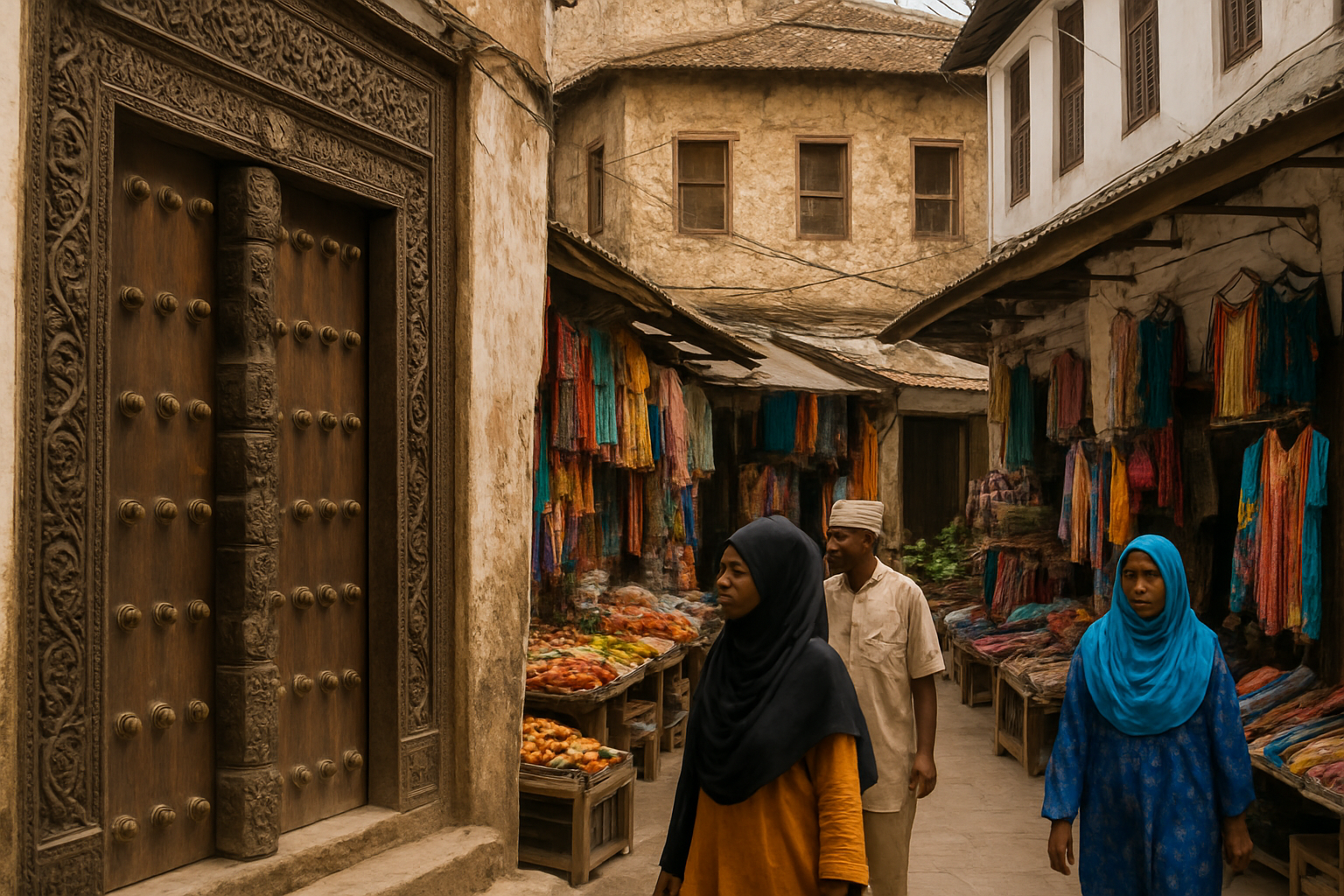
Stone Town is not a beach resort but the historical heart of Zanzibar, which is worth including for at least one day. Here, the Old Fort, Forodhani waterfront, Darajani market, museums, and buildings with carved doors that remind of the spice trade and the sea routes of the Indian Ocean are interesting. In the evening, tourists often go to Forodhani Gardens, where you can taste local snacks, seafood, sugarcane juice, pilau, or Zanzibar pizza.
Arusha is the main base for safaris in northern Tanzania. Routes to Serengeti, Tarangire, Lake Manyara, and Ngorongoro Crater start from here, so the city is convenient for overnight stays before going to the parks. In Arusha, it's also worth paying attention to the Cultural Heritage Center and local markets, where they sell tanzanite, Maasai crafts, coffee, and textiles.
Moshi is located near Kilimanjaro and suits tourists planning climbs or shorter hikes in the foothills. This is where they often stay before routes to the summit, as well as before trips to Materuni waterfalls and coffee farms. Moshi is not a beach resort but is well-suited for an active journey and acquaintance with the mountainous part of the country.
Dar es Salaam is Tanzania's largest city and an important transport hub from where it's convenient to fly or sail to the islands. For tourists, the city is interesting for the National Museum, fish market, Slipway area, and ferry crossings to Zanzibar, but for classic relaxation, it is usually used as a short stop. If the route includes the mainland coast, you can consider beaches near the city, but for a cleaner resort picture, they more often go to Zanzibar, Mafia, or Pemba.
Nature in Tanzania
Tanzania's nature determines the very format of travel: here, a beach tour easily turns into a route with safaris, islands, and mountains. Serengeti is known for the migration of wildebeest and zebras, although the exact course of the migration depends on the rains and the state of the grass. Ngorongoro Crater is interesting for the high concentration of animals in a limited area, so it is often included even in short safari programs.
Kilimanjaro is Africa's highest mountain, and a trip here requires separate preparation, acclimatization, and the appropriate season. For tourists not planning to climb the summit, shorter routes in the Moshi area, coffee farms, and waterfalls are available. Tarangire National Park is worth considering in the dry season when elephants and other animals more often gather near the Tarangire River.
The oceanic nature of Tanzania is best revealed on Zanzibar, Mafia, and Pemba. On the eastern coast of Zanzibar, tides and low tides create wide sandy spaces, so the beaches are beautiful for walks but not always equally convenient for swimming. Mafia Island is known for a calmer rhythm, diving, and the possibility of seasonal marine observations, while Pemba is more suitable for experienced travelers seeking less mass tourism.
Shopping in Tanzania
For shopping in Zanzibar, it's most convenient to go to Stone Town, where markets, souvenir shops, spice stores, and small workshops are combined. Darajani Market is suitable for spices, tea, fruits, and familiarizing yourself with the city's daily life, but you need to keep an eye on your belongings and negotiate prices calmly. In the tourist shops of the old city, it's more convenient to buy textiles, tinga-tinga paintings, jewelry, and ready-made spice sets if you don't want to haggle actively.
In Dar es Salaam, it's worth paying attention to the Kariakoo market, Slipway area, and Mwenge carvers market. Kariakoo is more suitable for experienced tourists who want to see local trade, while Slipway is more convenient for calm shopping, cafes, and souvenirs. Mwenge is known for wooden crafts, but before buying, you need to consider the rules for exporting natural materials and not buy items made from coral, ivory, or other prohibited materials.
In Arusha, tourists often buy souvenirs before or after safaris: popular are markets of Maasai products, tanzanite shops, and the Cultural Heritage Center. Tanzanite is an expensive stone, so it should only be purchased from reliable stores with documents and a receipt. For food and gastronomic purchases, pay attention to coffee from the Kilimanjaro region, cashews, Zanzibar spices, tea, honey, and local sauces.
What Souvenirs to Buy in Tanzania
The most practical souvenir from Zanzibar is spices: cloves, cinnamon, cardamom, nutmeg, vanilla, and pilau mixes. They are conveniently purchased after a spice plantation tour or in Stone Town, where sellers often form small sets for tourists. It's worth checking the packaging to ensure the spices don't spill in the luggage.
Among gastronomic purchases, coffee from Kilimanjaro, local tea, cashews, dried fruits, and non-alcoholic spicy drinks or sauces are appropriate. If you buy products at the market, it's better to choose factory or well-packaged packaging for the flight. For gifts, small spice sets, coffee beans, and nuts are convenient.
Among handicrafts, popular are kanga and kitenge fabrics, Maasai-style jewelry, tinga-tinga paintings, baskets, and wooden crafts. Expensive purchases like tanzanite should be accompanied by a receipt and certificate, and natural materials should be checked from a customs perspective. Do not buy corals, shells of dubious origin, products made from wild animal skins, or any items that may violate nature conservation rules.
Holidays in Tanzania
One of the most famous cultural events in Zanzibar is the Sauti za Busara music festival, usually held in Stone Town in February. It is interesting for live African music, performances by bands from East Africa, and events in the historical part of the city. For the festival dates, demand for hotels in Stone Town may rise, so booking should be done earlier.
The Zanzibar International Film Festival is usually held in the middle of the year, but exact dates need to be checked before the trip. Tourists find it interesting for screenings, cultural events, and the opportunity to see Stone Town in a more active period. If the goal of the trip is peace and the beach, it's better not to plan all overnight stays in the old city during major events.
The Mwaka Kogwa festival in Makunduchi on Zanzibar is associated with the traditional New Year by Shirazi cultural heritage and usually takes place in July. For tourists, it's an opportunity to see local rituals, music, and village celebrations, but it's worth going with a guide or organized tour. The country also celebrates Union Day on April 26, Independence Day on December 9, Muslim holidays in Zanzibar, and Farmers' Day Nane Nane on August 8, which can make transport and hotels busier at certain times.
New Year in Tanzania
New Year in Tanzania suits those who want a warm winter trip with the beach, ocean, and the opportunity to add a safari. In Zanzibar, at the end of December and early January, it is usually hot, with air temperatures often around 29–32 degrees Celsius, and the water remains very warm. There may be short rains, but this period is still popular for beach holidays.
The highest demand falls on dates from Catholic Christmas to the first days of January, so hotels in Nungwi, Kendwa, Paje, and Kiwengwa fill up quickly. If a specific hotel level, family room, or safari tour is needed, booking should not be delayed. In popular beach areas, there are more people, higher accommodation prices, and more active evening programs in hotels at this time.
For a New Year's trip, the itinerary works well: a few days of safari on the mainland and 5–7 nights in Zanzibar. Families with children should choose hotels with developed infrastructure and not plan too many transfers, while couples can consider quieter areas on the eastern coast or Kendwa. If swimming without strong tidal influence is important, the north of Zanzibar is usually more convenient.
Medicine in Tanzania
In Tanzania's major cities and tourist areas, there are private clinics, but outside Dar es Salaam, Arusha, Moshi, and Zanzibar, the level of care may be limited. For safaris, islands, and remote regions, it's important to have travel insurance that covers emergency assistance, hospitalization, and medical transportation. Before active programs, climbing Kilimanjaro, or diving, it's necessary to check if these types of recreation are included in the policy.
Before the trip, it is worth consulting a doctor about individual prevention, a first aid kit, and possible vaccinations, not relying on general advice from the internet. In Tanzania, there are risks associated with the tropical climate, insects, sun, water, and unusual food. A yellow fever vaccination certificate may be required for certain arrival routes or transit from risk countries, so current rules should be checked before departure.
On-site, it's better to drink bottled water, avoid ice in questionable establishments, and carefully try street food, especially in the first days. For the beach, you will need sunscreen, a hat, after-sun products, and footwear for reef areas if planning walks during low tide. In the first aid kit, personal medications in original packaging, remedies for digestive disorders, antiseptic, plasters, and repellent are appropriate.
Customs Rules in Tanzania
Tanzania's customs rules can change, so before traveling, you need to check current requirements regarding currency, medications, alcohol, tobacco, electronics, and valuable purchases. Personal travel items usually do not raise questions, but large sums of cash, professional equipment, or goods resembling a commercial batch may require declaration. It's better to bring medications in original packaging along with a prescription or certificate if the drug is prescription-based.
Tanzania has strict regulations regarding the import of plastic bags, so it's not advisable to bring single-use shopping bags. It's forbidden to export items made from materials related to wildlife, coral, ivory, and other protected natural resources. For tanzanite, jewelry, expensive crafts, and artistic items, you need to keep receipts and documents of origin.
Alcohol and tobacco for personal use are usually allowed within established limits, but exact limits need to be checked before departure. If planning to bring a drone, professional photo or video equipment, it's worth clarifying the permit rules in advance, especially for filming in national parks. Purchases at markets should be packed so they can be easily shown during baggage inspection.
Visa Policy for Ukrainians
Ukrainian citizens need to check the current entry rules before traveling to Tanzania, as they may change. Typically, a visa is required for a tourist trip, which can be obtained in advance through the electronic system or, if available, upon arrival at specific entry points. The final application option, fee amount, processing times, and list of documents need to be clarified before booking a tour.
For travel, a valid passport with sufficient validity, accommodation confirmation, a return ticket or further travel itinerary, and documents that the border service may request are usually required. If the route passes through countries with epidemiological requirements, additional medical documents may be needed. Before departure, it's also worth checking the transit rules of countries through which flights to Zanzibar, Dar es Salaam, or Kilimanjaro are made.
Tours in Tanzania
Tanzania is best suited for tourists who want a meaningful journey: Zanzibar beaches, safaris in Serengeti or Ngorongoro, walks in Stone Town, spices, seafood, and natural landscapes without a monotonous scenario. For a calm beach holiday, it's worth choosing Zanzibar and carefully looking at the hotel area, for a first safari — routes from Arusha, and for an active trip — Moshi, Kilimanjaro, and northern national parks. If the budget and time allow, the most successful format is a combined tour with a few nights on safari and ending at the ocean.
Through Farvater Travel, you can select tours to Tanzania for different purposes: beach holidays in Zanzibar, family trips, romantic tours, combined safari routes, all-inclusive hotels, early booking for the high season, or hot offers if there is flexibility in dates. Before booking, it's worth determining the priority: swimming without strong tides, peace, kitesurfing, excursions, hotel level, or proximity to parks. It depends on whether it's better to choose Nungwi, Kendwa, Paje, Kiwengwa, Stone Town, Arusha, or a combined route through Tanzania.