Thailand: Vacation, Seasons, Resorts, and Tours - Farvater Travel
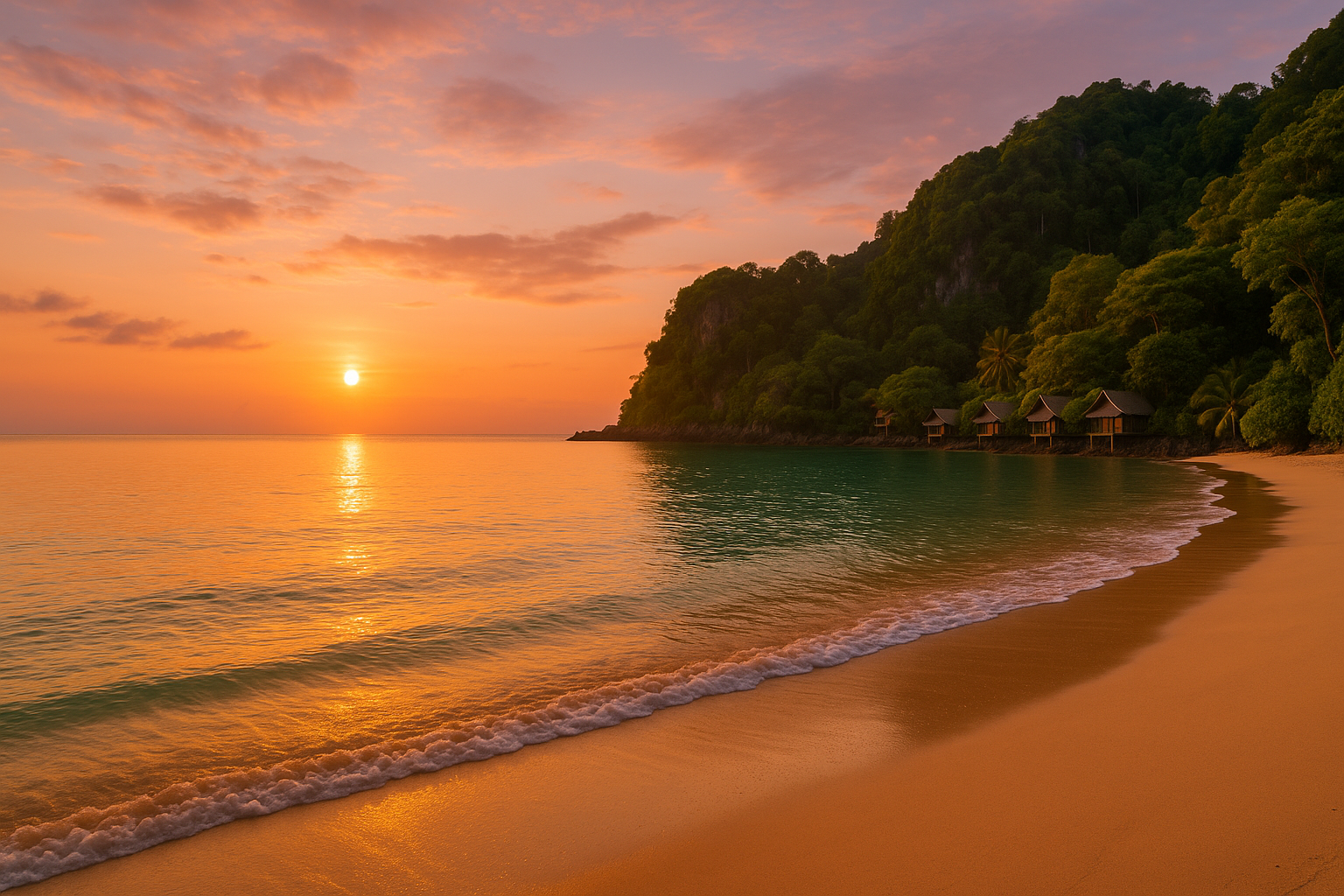
Thailand is chosen for its warm sea, various vacation formats, and understandable tourist infrastructure. Here you can combine the beaches of Phuket or Samui, bustling Bangkok, Chiang Mai temples, Andaman Sea islands, and gastronomic discoveries at night markets. The country is suitable for both a first long-distance trip and a return visit with a focus on a specific region.
For families, hotels with large territories, calm beaches, and convenient transfers are important, so they often consider Khao Lak, Kata on Phuket, or certain areas of Samui. Couples are usually more interested in resorts with bays, small hotels, and beautiful sunsets, such as Krabi, Phi Phi, or Koh Lanta beaches. City, cuisine, and shopping lovers should save a few days for Bangkok, as it is the most convenient place to combine temples, shopping centers, markets, and restaurants.
When planning a vacation in Thailand, it's important to consider seasonality: the weather in Phuket, Samui, and the northern provinces varies. Tour selection is influenced not only by price and hotel, but also by the sea in a specific month, waves, rains, travel duration, and dining format. If you choose the right region and time, a trip to Thailand will be comfortable without excessive expectations from the weather or service.
5 Reasons to Visit Thailand
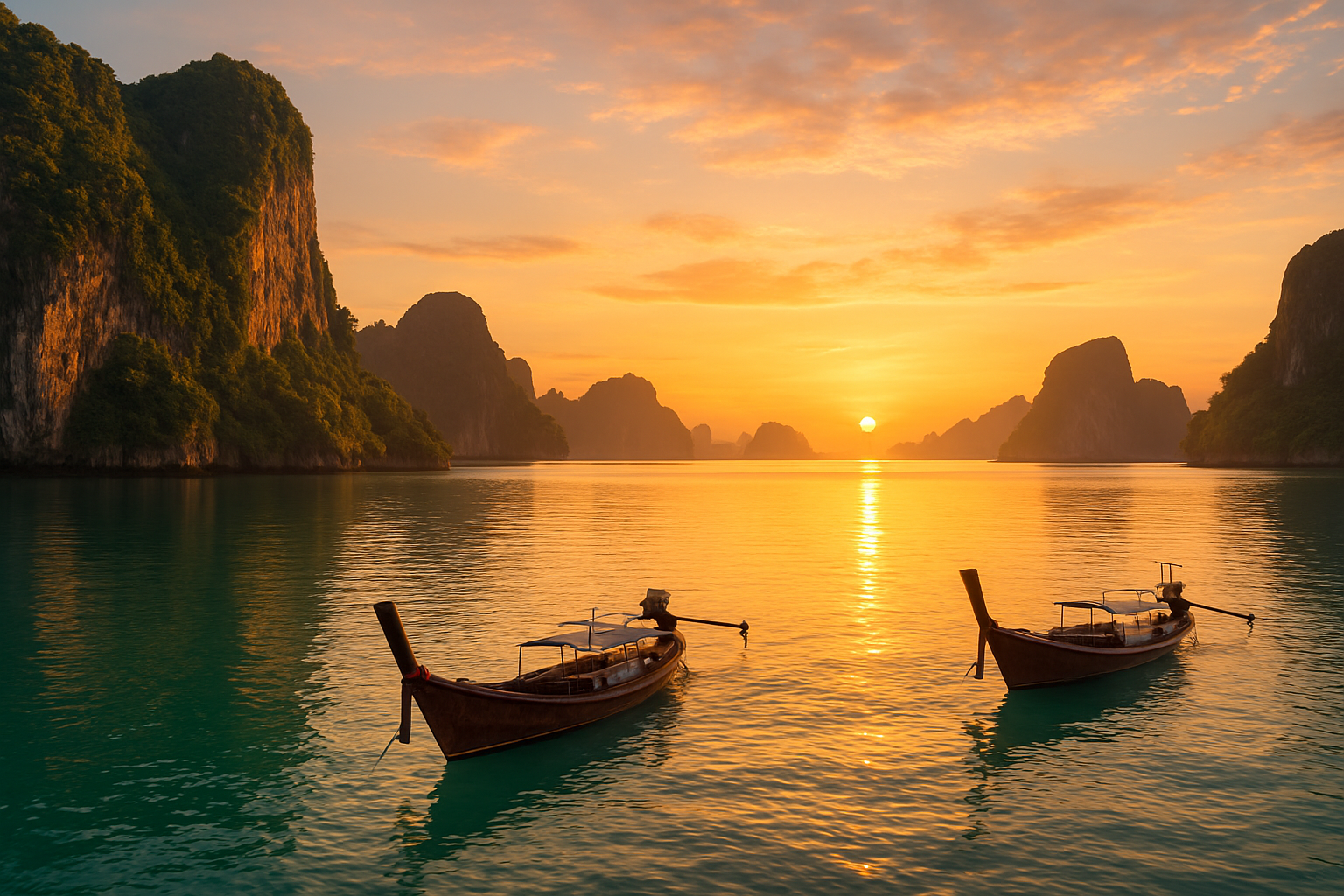
1. Different seas and islands in one country. The Andaman coast with Phuket, Krabi, and Phi Phi is suitable for beautiful bays, cliffs, and sea trips, while the Gulf of Siam with Samui, Phangan, and Tao is often convenient for the summer beach season.
2. Convenient choice of vacation formats. In Thailand, you can book beach tours, city trips to Bangkok, combined routes with multiple islands, family vacations, or a romantic trip without the need to change location daily.
3. Strong tourist infrastructure. Popular resorts feature international hotels, local guesthouses, tour bureaus, medical clinics, taxi services, and ferry routes, making it easier for tourists to plan movements.
4. Cuisine adaptable to different tastes. In the country, you should try Tom Yum, Pad Thai, Som Tam, Massaman curry, Khao Pad, mango with sticky rice, and fresh coconuts, but almost everywhere you can request a less spicy version of a dish.
5. Good combination of beaches, nature, and culture. In one trip, you can see the Grand Palace in Bangkok, Wat Pho temple, ancient Ayutthaya, Khao Sok National Park, and marine islands without turning the vacation into a complex expedition.
When to Visit Thailand
The most popular season for most beach resorts in Thailand lasts approximately from November to March. During this period, it is often drier, the sea is calmer, air temperatures usually stay around 28–32 degrees, and water is warmed to about 27–29 degrees. This is the best time for Phuket, Krabi, Khao Lak, Phi Phi, and excursions to Bangkok, but demand for hotels and flights noticeably increases in the high season.
April and May are often hotter, especially in Bangkok and central regions. Temperatures can rise above 33 degrees, so it's better to plan excursions for the morning and choose hotels with pools and convenient shade on the territory. This period suits tourists who can handle the heat, want to combine the beach with shopping, and are ready to flexibly react to short tropical showers.
From June to October, the Andaman coast often experiences rains, waves, and restrictions for sea excursions, although the weather does not always mean continuous downpours all day. For Phuket and Krabi, it's a calmer season with lower demand, but families with children should carefully check the sea conditions near a specific beach. Meanwhile, Samui, Phangan, and Tao are often considered alternatives in summer as seasonality in the Gulf of Siam differs.
For a beach vacation with children, it's better to focus on December, January, February, and early March when there are fewer risks of strong waves on popular beaches. Couples might prefer November, March, and early April when it's still or already slightly calmer than during peak holiday dates. For excursions in Bangkok, Ayutthaya, and Chiang Mai, cooler months from November to February are more comfortable, although evenings in the north can be noticeably fresher.
If the main goal is shopping, gastronomy, and city travel, Bangkok can be planned almost year-round, but in the rainy season, it's worth allowing time for traffic jams. For the mountainous northern regions, including Chiang Mai and Chiang Rai, the best period is often considered the dry months when it's easier to organize walks and trips to temples. Before booking a tour to Thailand, it's advisable to check the season specifically with the chosen resort rather than just the country overall.
The Best Hotels in Thailand
In Bangkok, tourists often consider hotels in the Siam, Sukhumvit, Silom areas, and near the Chao Phraya River. Siam is convenient for shopping and city train transfers, Sukhumvit is suitable for restaurants and nightlife, and river hotels provide quick access to temples and boat trips. If Bangkok is on the itinerary for only 2–3 nights, it's worth choosing the area based on excursion plans, not just the price.
The Banyan Tree Bangkok hotel is located in the capital and is often of interest to tourists who want to combine a city vacation with a high level of service. It is considered for a short stop before the islands, a romantic trip, or the end of a tour after a beach vacation. When booking, it's worth checking the room type, breakfast conditions, and convenience of transfers to the necessary airport.
In Phuket, hotel choice depends on the beach: Patong is active and livelier, Karon has a long coastline, Kata is convenient for families and couples, and Bang Tao is often chosen for a quieter format and higher-category hotels. Amari Phuket on Patong may be interesting for those who want to live near the infrastructure but not in the center of the loudest part of the resort. Families should separately check the convenience of entering the sea, waves in the season, and the availability of children's services in a specific hotel.
In the Bang Tao area, tourists often consider Banyan Tree Phuket, especially if a quieter vacation, privacy, and access to a developed resort area are needed. This format is more suitable for couples, families with a higher budget, and those who do not plan to go to active areas of the island every evening. It's important to consider that in Phuket, distances between beaches can take more time than it seems on the map.
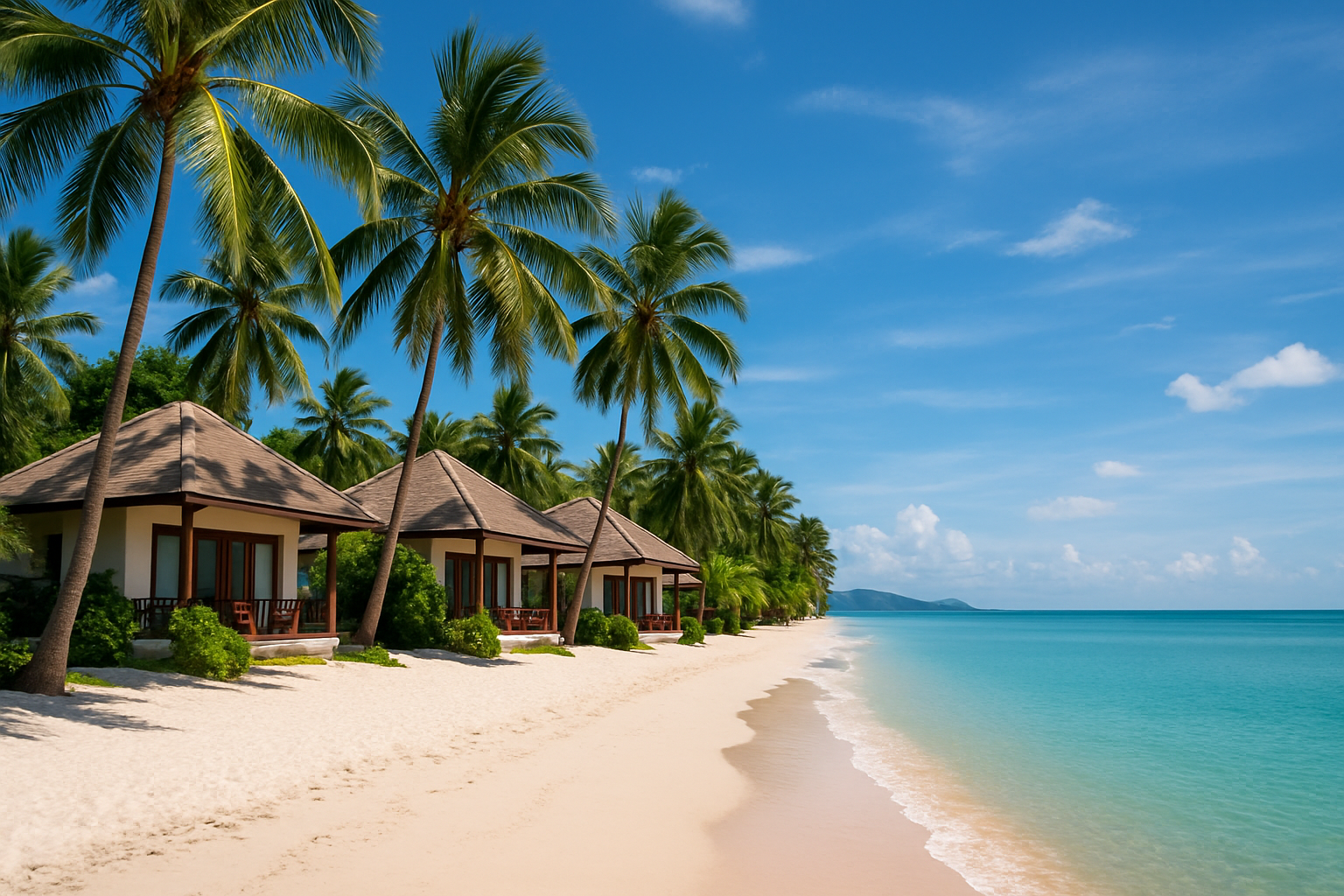
On Samui, hotels are often chosen between Chaweng, Lamai, Bophut, and Maenam. Chaweng suits those who need restaurants and evening activity, Bophut is convenient for walks in the Fisherman's Village, and Maenam is more often chosen for a quieter rhythm. Sala Samui Chaweng Beach Resort can be considered for a beach vacation with a modern style, but before booking, it's worth checking if the specific part of the beach is suitable for swimming in the selected season.
In Krabi, tourists usually look at hotels in Ao Nang or on Railay Beach, accessible by boats. Ao Nang is convenient for island excursions and evening walks, while Railay is attractive for cliffs, bays, and more isolated location. Rayavadee in the Railay area is often considered for a special trip, but such a choice requires understanding the logistics with boat transfers.
The Best Resorts and Cities in Thailand
Phuket is the country's largest island resort with an international airport, various beaches, and a large hotel base. Patong is suitable for active nightlife, Karon and Kata are more often chosen for beach vacations, and Nai Harn and Bang Tao for a more peaceful trip. From Phuket, it's convenient to visit Phi Phi Islands, Phang Nga Bay, and viewpoints near Promthep Cape.
Krabi is a destination for those who value natural landscapes, limestone cliffs, and sea excursions. Ao Nang is convenient as a base for island trips, while Railay should be chosen by those who want to live near cliffs and beaches accessible mainly by water. Popular places in the region include the Emerald Pool, hot springs, and the Tiger Cave Temple.
Samui is suitable for beach vacations in the Gulf of Siam, especially if tourists plan a trip in the summer months. Chaweng is livelier, Lamai is slightly calmer, Bophut is convenient for dinners and walks, and Maenam is often chosen by families and travelers who need a quieter rhythm. From the island, it's convenient to go to Ang Thong Marine Park, Phangan, or Tao.
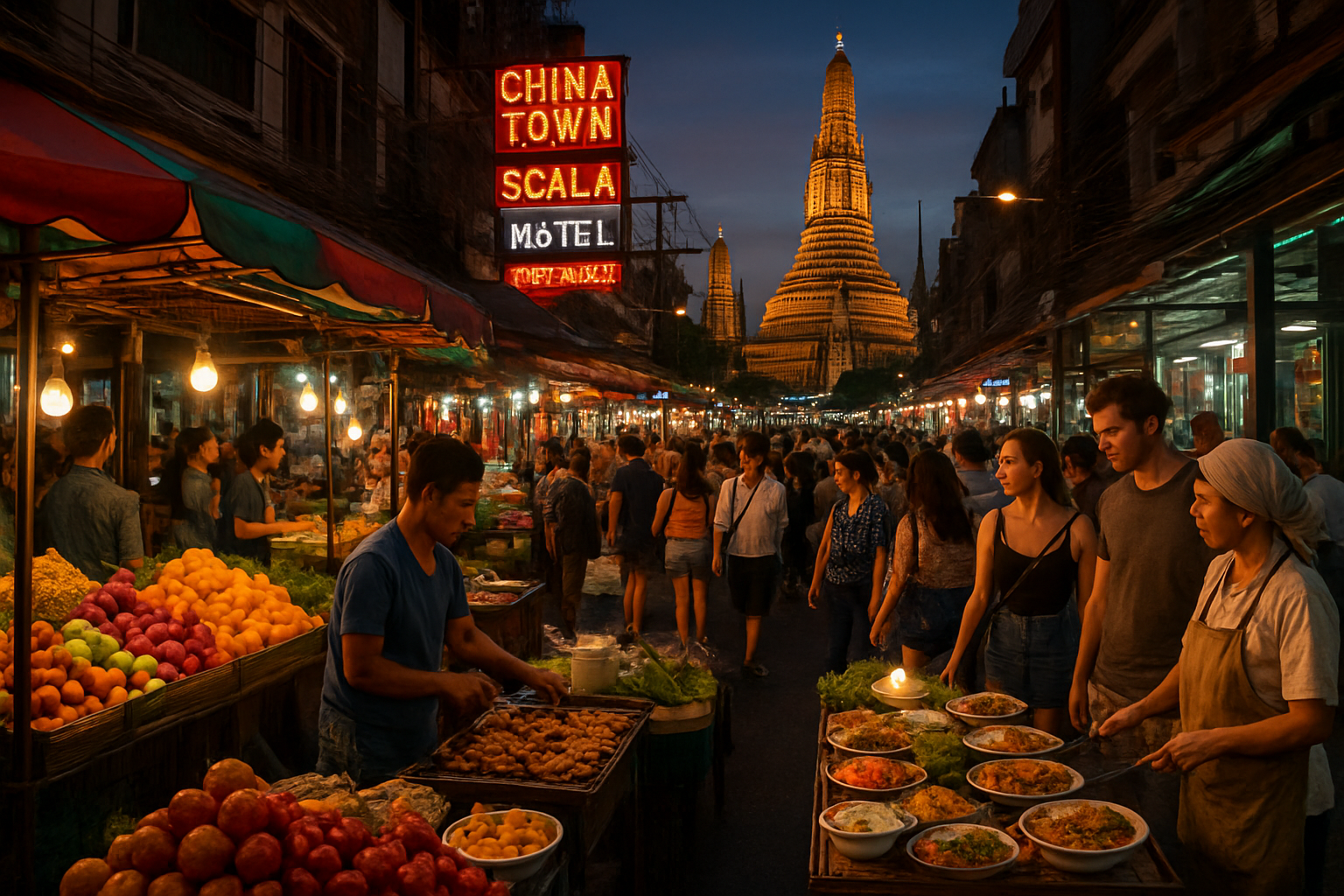
Bangkok is not a beach resort, but it is the main city for the first acquaintance with Thailand. Here, you should see the Grand Palace, the Temple of the Emerald Buddha, Wat Pho, Wat Arun, and the canals of the Thonburi district. The city is also convenient for shopping, gastronomy, and transfers to domestic flights to the islands.
Pattaya is relatively close to Bangkok, so it is often chosen for short tours and trips without complex logistics. The beaches in the city itself are inferior to the islands in terms of sea quality, but nearby is Koh Larn, where you can go for a day. Tourists are also interested in the Sanctuary of Truth, Nong Nooch Tropical Garden, and evening shows if they fit the travel format.
Chiang Mai and Chiang Rai are not beach resorts but excursion cities in northern Thailand. Chiang Mai is known for old city temples, night markets, and mountain trips, while Chiang Rai is often included in the itinerary for the White Temple, Blue Temple, and surroundings near the border. It's better to combine these cities with a beach vacation as a separate block for 2–4 days.
Nature in Thailand
The nature of Thailand varies greatly by region: in the west, it's the Andaman Sea with cliffs, bays, and islands, in the east and southeast, it's the Gulf of Siam with its beaches and marine parks. For a beach vacation, it's important to consider not only the color of the water in photos but also the season of waves, tides, ebbs, and the type of seabed. On some beaches, swimming is convenient all day, while in other places, the sea can recede far during low tide.
Among the natural places often included in itineraries is Khao Sok National Park with jungles, Cheow Lan Lake, and limestone cliffs. Such a direction complements a beach tour well if you want to see not only the sea but also the tropical forest. Trips there are better planned with an overnight stay or as a separate organized excursion because the road from resorts can be long.
Marine excursions to Phi Phi, Phang Nga Bay, Similan Islands, or Ang Thong Park depend on the season and weather conditions. The Similan Islands are usually not accessible year-round, so it's worth checking the visiting period before booking. For active recreation in Thailand, snorkeling near Koh Tao, kayaking in Krabi, jungle walks, and viewpoints on the islands are also popular.
Shopping in Thailand
Bangkok is the most convenient city for major purchases, especially if the itinerary includes 1–2 nights before flying home. Shopping centers like Siam Paragon, Central World, MBK Center, and Iconsiam are suitable for clothing, electronics, cosmetics, gastronomic zones, and branded stores. MBK is more often chosen for more affordable purchases and small electronics, while Iconsiam combines shopping with a river walk and food court.
For a market atmosphere in Bangkok, Chatuchak should be considered if the trip falls on its working days. There, people buy textiles, decor, dishes, aromatic products, bags, and small souvenirs, but it's better to allow several hours for shopping and bring cash in small bills. Night markets, including Jodd Fairs, are interesting more for food than things: it's easy to try Tom Yum, fried rice, seafood, banana roti, and Thai tea there.
In Phuket, shopping is convenient at Central Phuket and Jungceylon in the Patong area if it's open during the required period. On Samui, tourists often buy items and souvenirs in Chaweng and Bophut areas, especially during evening walks. In large stores, tax refunds for tourists are sometimes available, but conditions, minimum amounts, and processing should be checked on-site before purchase.
What Souvenirs to Buy in Thailand
From gastronomic souvenirs, pay attention to dried mango, coconut sweets, Tom Yum paste, chili sauces, curry pastes, rice snacks, and Thai tea. Such purchases are conveniently made in supermarkets, where it's easier to check the composition, expiration date, and packaging for transportation. Fruits should only be transported according to airline rules and customs requirements, as restrictions may vary.
Popular souvenirs from Thailand include natural cosmetics, coconut oil, aromatic balms, herbal compresses, and aloe-based products. It's better to buy them in pharmacies, specialized stores, or chain shops rather than random stalls without labeling. If there are allergies or sensitive skin, it's worth choosing small packages and carefully reading the composition.
For home, people often bring Thai silk, cotton scarves, ceramics, wooden products, aroma diffusers, and small decor items. When buying Buddha statues, antiques, or products made from natural materials, caution should be exercised, as certain categories may have export rules. It's safest to choose modern souvenirs with receipts and a clear origin of the product.
Holidays in Thailand
Songkran, the Thai New Year, usually takes place in April and is known for water celebrations on the streets. Most tourists during this period are in Bangkok, Chiang Mai, Pattaya, and popular resorts, so hotels and internal transfers should be booked in advance. For travelers, it's an interesting event, but one should be prepared for wet streets, traffic jams, and changes in the operation of certain establishments.
Loy Krathong is usually celebrated in the fall when people launch decorated baskets with candles on the water. In Chiang Mai, events related to lanterns often take place during this period, but specific dates and participation rules should be checked before the trip. The holiday creates increased demand for hotels, especially in northern cities and places near rivers.
The Chinese New Year is noticeable in Bangkok, especially in the Yaowarat area, where street events, fairs, and festive trade take place. Dates change every year, so they should be checked before booking. For tourists, it's a great opportunity to see another side of the capital, but popular areas can be very crowded.
New Year in Thailand
The end of December and the beginning of January is one of the most popular periods for traveling to Thailand, as the dry beach season continues on many resorts. The air is usually warm, the water is comfortable for swimming, and in Phuket, Krabi, Khao Lak, and Pattaya, the main tourist infrastructure is operational. Demand for tours, hotels, and flights is highest on these dates, so early booking makes practical sense.
For a New Year's trip, families should choose quieter beaches and hotels with well-thought-out territories, rather than areas with active nightlife. Couples might prefer Krabi, Samui, or cozy parts of Phuket if they want to combine the sea, dinners by the water, and sea trips. In Bangkok, for New Year's dates, it's worth booking a hotel in a convenient area in advance, as moving around the city on holiday evenings can be complicated.
The New Year's atmosphere in Thailand combines beach vacations, evening programs in hotels, festive dinners, and fireworks in popular tourist zones. Conditions for festive dinners and surcharges depend on the specific hotel, so they need to be checked during booking. If silence is needed, it's worth avoiding rooms near bars, beach clubs, and central streets of the resort.
Medicine in Thailand
In large cities and popular tourist regions of Thailand, private clinics with a good level of service operate, but medical care for foreigners can be expensive. Travel insurance covering treatment, hospitalization, accidents, and active types of recreation is an important part of trip preparation. If diving, motorbike rides, or trekking are planned, it's necessary to check if such activities are included in the insurance coverage.
In a tropical climate, it's worth being careful with sun exposure, drinking habits, and food. Tap water is usually not recommended for tourists to drink; it's safer to use bottled water and check ice in drinks at random places. In the first days, it's better not to overload the body with spicy food, seafood, and alcohol, especially after a long flight.
For a trip to Thailand, you should take personal medications, sunburn remedies, digestion aids, antiseptic, plasters, and repellent. If medications are prescription or contain controlled substances, documents are needed, and import rules should be checked before the trip. Medical requirements may change, so it's best to clarify current health recommendations before departure.
Customs Rules in Thailand
Thailand generally allows the import of personal travel items, clothing, personal electronics, and a reasonable amount of purchases, but rules can change. For currency, alcohol, tobacco, medications, and valuable goods, separate requirements or declarations may apply. Before the trip, it's worth checking current customs norms, especially if a tourist is carrying large sums of money, expensive electronics, or many goods of one type.
Special attention should be paid to medications, electronic cigarettes, products from wild animals, corals, shells, antiques, and religious items. Some goods may be restricted for import or export, even if they are sold at markets. The safest way is to keep receipts for valuable purchases and not buy items whose origin cannot be explained.
After shopping in Thailand, tourists sometimes process tax refunds for purchases in stores that participate in the relevant program. Conditions depend on the store, purchase amount, and correct documentation, so this needs to be clarified before payment. At the airport, it's worth allowing extra time for the procedure, especially in the high season.
Visa Regulations for Ukrainians
Before traveling to Thailand, Ukrainian citizens need to check the current entry regulations, as they may change depending on decisions by the Thai authorities. Conditions may vary based on the duration of stay, travel purpose, passport type, and requirements for a return ticket or accommodation confirmation. It's not advisable to rely on old rules or acquaintances' experiences without checking before booking.
If a visa or electronic processing is required for a specific trip, the procedure for submitting documents, processing times, and possible consular fees should be clarified in advance. It's also worth checking passport validity, airline requirements, and transit rules through transit countries. For a package tour, it's important that the data in the booking, tickets, and passport match without errors.
Tours to Thailand
Thailand is well-suited for tourists who want to combine the sea, excursions, cities, nature, and cuisine in one trip. For a classic beach tour, Phuket, Krabi, Samui, Khao Lak, or Pattaya are most often chosen, and for a combined program, Bangkok, Ayutthaya, Chiang Mai, or Chiang Rai are added. The choice of region should depend on the travel month, tourist composition, budget, desired pace, and willingness to relocate.
Through Farvater Travel, you can select tours to Thailand for a family vacation, romantic trip, beach holiday, excursion route, or combined tour with multiple regions. Some hotels offer different types of meals, and the "all-inclusive" format in Thailand is less common than in some other beach countries, so it's often more advantageous to choose breakfasts and try local restaurants. Early booking is especially relevant for winter, holiday dates, and popular family hotels.
If a quiet beach and minimal relocations are needed, it's worth considering one resort with a convenient hotel and transfer. If you want to see more, it's optimal to combine 2–3 nights in Bangkok with a week on an island or add a short block of northern Thailand. This approach helps turn a vacation in Thailand into a well-thought-out journey where the season, resort, hotel, and itinerary work for the tourist's comfort.