Hungary: Leisure, Seasons, Resorts, and Tours - Farvater Travel
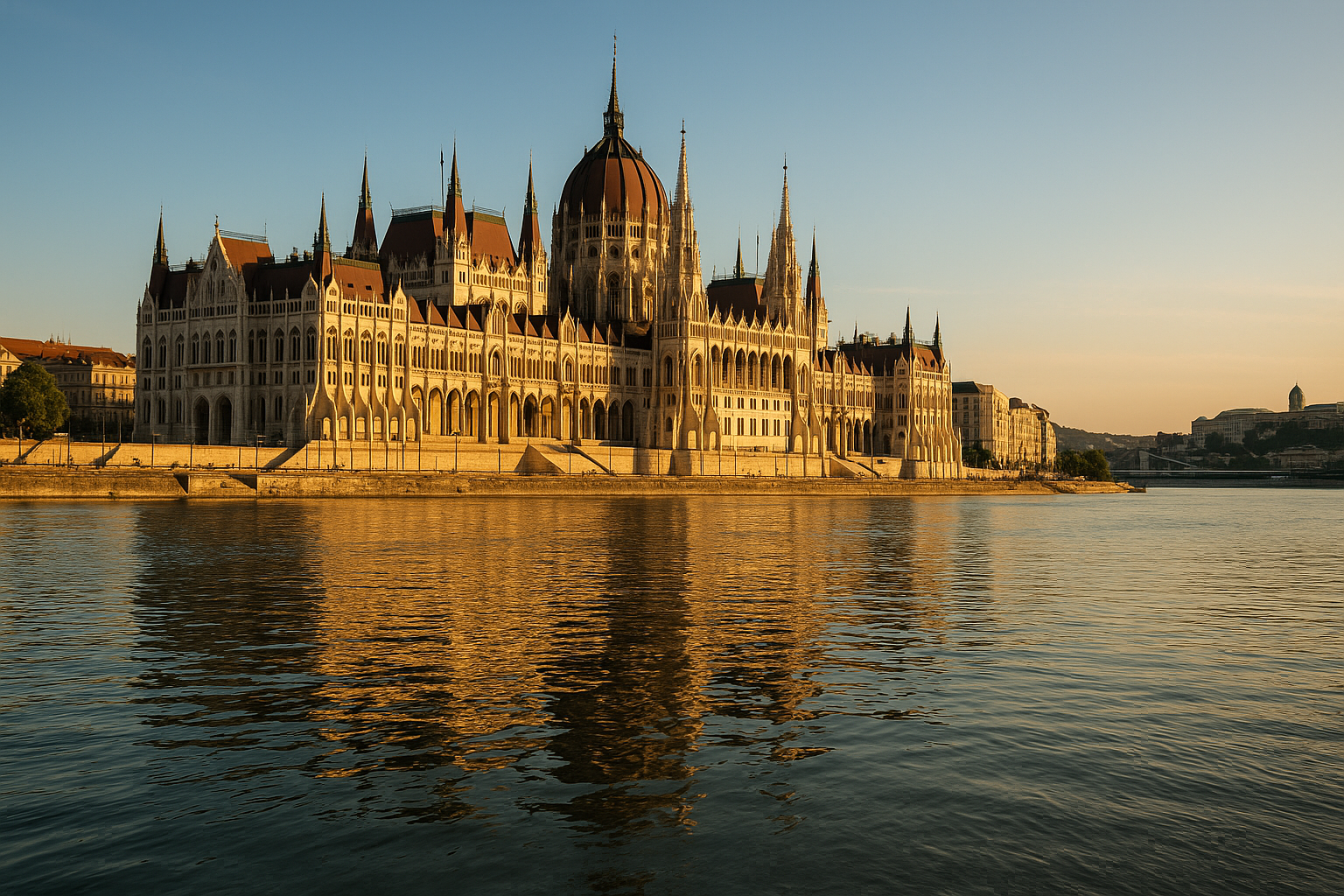
Hungary is suitable for a trip where it's easy to combine city walks, thermal relaxation, wine regions, family season at the lake, and short excursion tours. The country has no sea, but it offers Lake Balaton with beaches, Budapest with baths and the Danube panorama, health resorts Heviz and Hajdúszoboszló, as well as compact routes between cities.
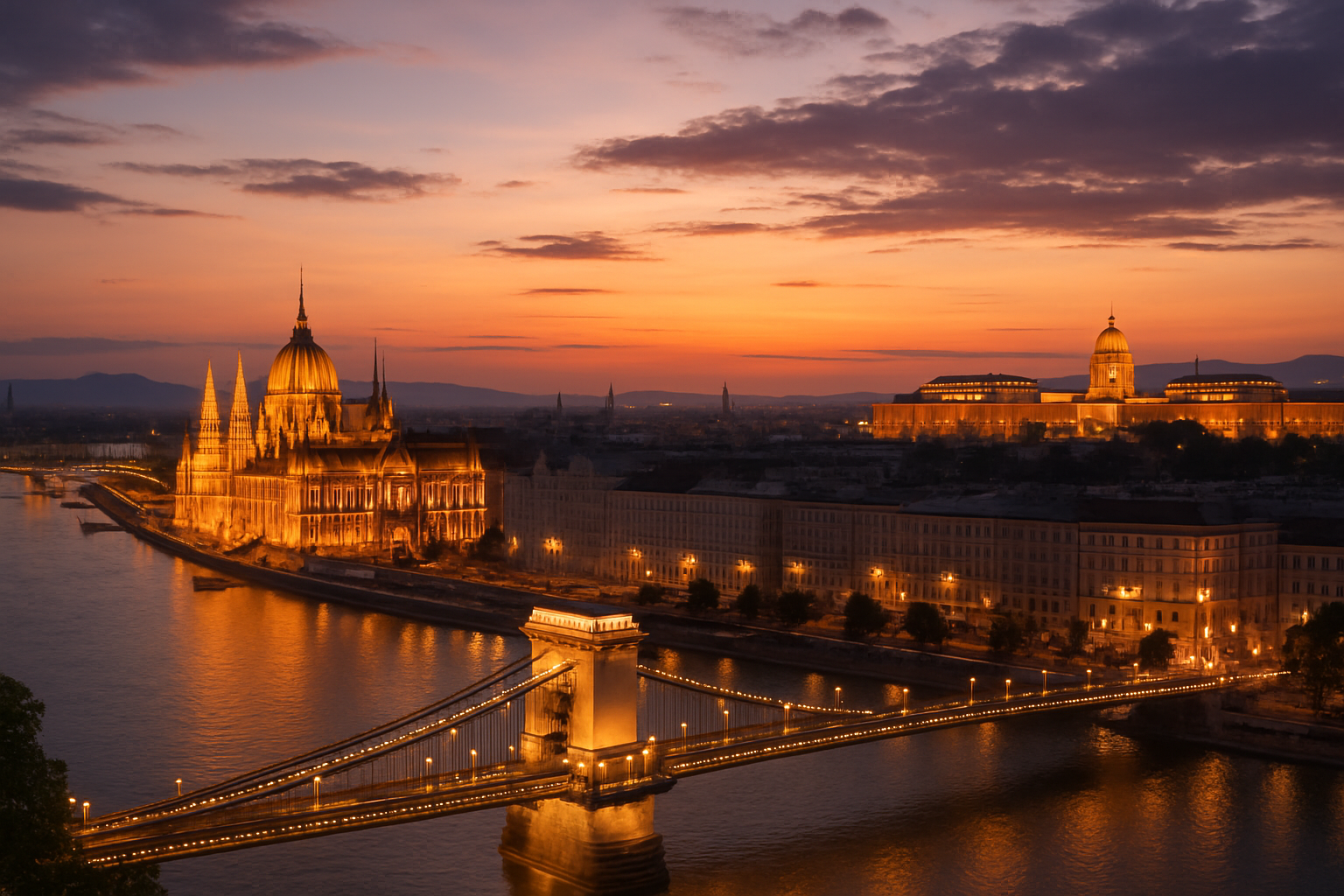
Vacationing in Hungary is convenient for tourists who don't want to spend much time traveling within the country. In one trip, you can see the parliament and Buda Castle, spend a day in thermal waters, visit the wine cellars of Eger or Villány, and in the summer, add a few days at Balaton.
Hungary should be considered for romantic weekends, family trips, health and wellness tours, New Year's travel, or a calm European vacation without a seaside format. The best booking depends on the season: in summer, hotels near Balaton fill up quickly, in December — central hotels in Budapest, and at thermal resorts, demand remains almost year-round.
5 reasons to visit Hungary
1. Thermal waters are one of the country's main advantages. In Budapest, the historic baths Széchenyi, Gellért, and Rudas are operational, and in Heviz, tourists head to the natural thermal lake, where the water is used for health and wellness year-round.
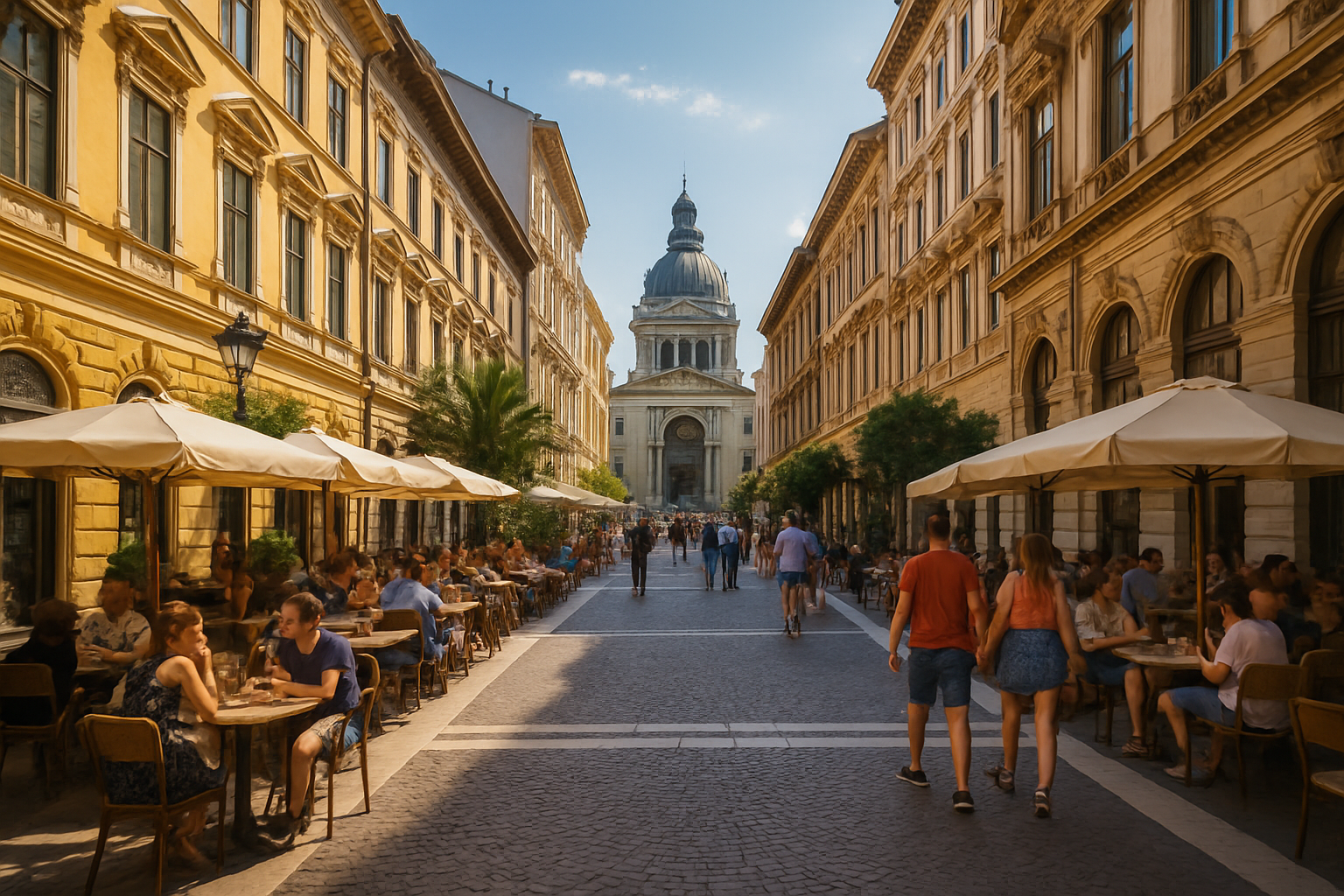
2. Budapest is suitable for an intense excursion trip without long transfers. The Parliament, Fisherman's Bastion, Buda Castle, Andrássy Avenue, St. Stephen's Basilica, and the Danube embankments can be conveniently combined in two to three days.
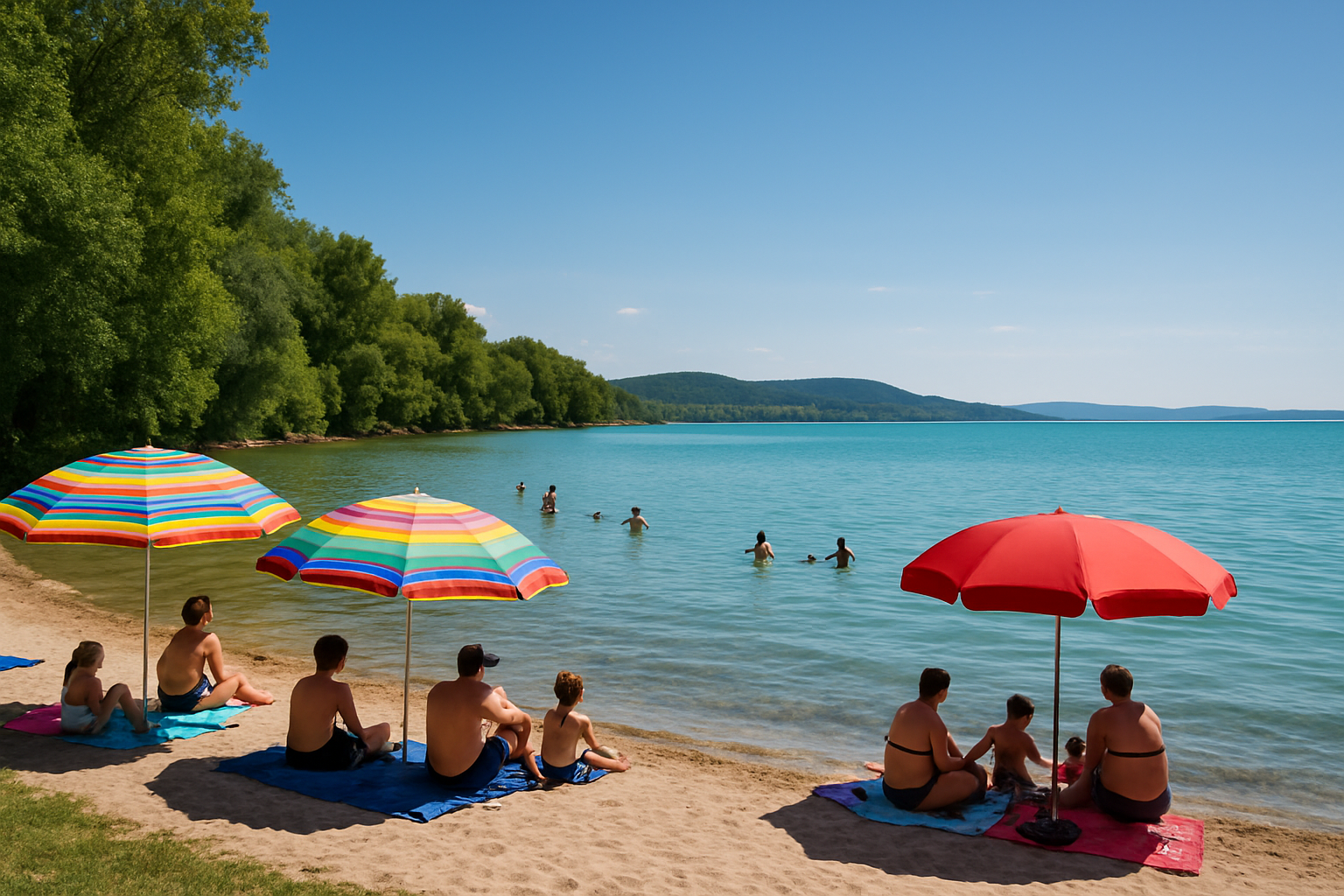
3. Lake Balaton gives Hungary a summer beach season, though it is a lake, not a sea. Families often choose the southern shore for its gentle water entry, while the northern shore is more suitable for couples, wine routes, walks in Tihany, and relaxation near the hills of Badacsony.
4. The country is interesting for its gastronomy and wines, which are easy to include in the itinerary. It's worth trying goulash, paprikash, fish soup, langos, Dobos cake, Tokaji wines, Egri red wine, and the bitter herbal drink Unicum.
5. Hungary is convenient for combined tours through Central Europe. It can easily be combined with Austria, Slovakia, the Czech Republic, or Croatia, and within the country, there is good rail connectivity between Budapest, Debrecen, Pécs, Eger, and the Balaton region.
When is the best time to go to Hungary
For excursions, the most convenient months are April, May, early June, September, and October. At this time, Budapest usually has temperatures around 15-24 degrees Celsius, less heat, comfortable for walking along the embankments, climbing to Buda Castle, and planning day trips to Szentendre, Visegrád, or Esztergom. Spring is suitable for couples and those who want to see the city without the winter cold, while autumn is better for wine region lovers and a more relaxed pace.
The summer season lasts approximately from June to August, when air temperatures often range from 26-32 degrees Celsius, and during heatwaves, it may be higher. At Balaton, the water in July and August usually warms up to 23-26 degrees, making it the best period for beaches, families with children, and lake relaxation. At the same time, Budapest can be hot in summer, so it's better to plan excursions in the morning and leave time for baths or museums during the day.
Winter in Hungary is not a beach season, but it's good for thermal hotels, Christmas markets, and short city tours. In December, Budapest often has temperatures around 0-6 degrees Celsius, with possible fog, wind, and rain with snow, so warm clothing and comfortable footwear are important. January and February are quieter for excursions, but thermal baths, Heviz, and Hajdúszoboszló remain relevant for relaxation without being tied to beach weather.
The best hotels in Hungary
In Budapest, tourists should choose a hotel by the district, not just by category. For the first trip, central districts near the Danube, St. Stephen's Basilica, Andrássy Avenue, or the Jewish quarter are convenient, from where it's easy to reach restaurants, baths, and main attractions. For quieter accommodation, consider Buda near Castle Hill, but evenings there are calmer than in central Pest.
"Four Seasons Gresham Palace Budapest" is one of the most famous luxury hotels in the capital, located by the Chain Bridge in a historic building. It is considered for romantic trips, important dates, and tourists needing accommodation right in the center by the Danube. Due to high demand during festive periods and weekends, such accommodation is better booked in advance.
"Corinthia Budapest" is located on the Grand Boulevard and is suitable for those who want to live closer to theaters, restaurants, and Pest's urban life. The hotel is often chosen for an excursion tour, where convenient logistics and a classic city format are important. This is not a beach vacation option but a base for walks, baths, and evening routes.
"Ensana Thermal Margaret Island" on Margaret Island is worth considering for those who want to combine Budapest with health and wellness relaxation. The island is situated in the middle of the Danube, with a park, walking paths, and a calmer rhythm than the central districts. This format suits adult tourists, couples, and those who value thermal procedures without leaving the capital.
In Heviz, thermal hotels oriented toward health and wellness relaxation are appropriate. "Lotus Therme Hotel & Spa Heviz" and "Hotel Europa Fit Heviz" are popular options in the resort town near the thermal lake. They are worth considering for tourists planning not only excursions but also a few days of a slow pace, water procedures, and walks.
At Balaton, hotel selection depends on the shore and vacation format. Siófok is more convenient for those who want more entertainment and summer activity, Balatonfüred for those seeking a resort promenade, walks, and proximity to Tihany, and Keszthely for those interested in the Festetics Palace and the western part of the lake. Among well-known options, one can consider "Anna Grand Hotel Balatonfüred" or "Hunguest Hotel Bal Resort" in Balatonalmádi, but food and service conditions need to be checked for specific dates.
The best resorts and cities in Hungary
Budapest is the main destination for a first trip to Hungary. Here it's worth seeing the Parliament building, Buda Castle, Fisherman's Bastion, St. Stephen's Basilica, Széchenyi Baths, and the Danube embankments. The city is suitable for couples, solo travelers, winter tours, gastronomic weekends, and combined programs with thermal baths.
Balaton is the main summer recreational region of the country, where the beaches are mostly lake, with equipped relaxation areas, lawns, piers, and paid or free sections depending on the city. Siófok is more active and youthful, Balatonfüred is calmer and more respectable, Tihany is known for its abbey and views, and Badacsony is interesting for its vineyards. The southern shore is often convenient for families with shallower water, while the northern is better for walks and wine routes.
Heviz is a health resort near a natural thermal lake, chosen not for beaches but for water, procedures, and slow relaxation. It is conveniently combined with Keszthely, where the Festetics Palace is located, and the western Balaton. The resort is more suitable for adult tourists, couples, and those who want to stay in a hotel with a therapeutic or thermal specialization.
Eger is a compact historical city known for its fortress, baroque center, and wine district Valley of the Beautiful Women. People go here for a combination of excursions, tastings, and Hungarian cuisine, including goulash, paprikash, and local red wines. Eger is well suited for a short stopover of one to two nights or as part of an itinerary in eastern Hungary.
Debrecen and Hajdúszoboszló should be considered for thermal and family vacations in the east of the country. In Debrecen, the Great Reformed Church and the calm city center are interesting, while Hajdúszoboszló is known for its large bathing complex and resort infrastructure. Nearby is Hortobágy National Park, where you can see the steppe landscapes of puszta, traditional livestock farming, and wide plains.
Pécs is suitable for tourists who have already seen Budapest and want a less obvious route. The city is known for its early Christian necropolis, Zsolnay Quarter, Mediterranean architectural features, and proximity to the wine region of Villány. It is a good option for a trip in the fall when the weather is comfortable for walks and the wineries are active after the harvest.
Nature in Hungary
Hungary does not have a sea coast, so beach vacations here are associated with lakes, primarily Balaton. The lake is large, shallower on the southern shore, and more picturesque on the northern shore, where the hills, vineyards, and viewpoints are closer. In summer, the vacation format resembles a lake resort with swimming, cycling, boat rides, and evenings on the embankments.
The country's nature is more diverse than it seems during a first trip to Budapest. In the north are the Matra and Bükk mountains, where there are hiking routes, viewpoints, and the country's highest peak, Kékes. The caves of the Aggtelek Karst, included in the World Heritage list, are also suitable for active recreation, but visiting the caves is better planned considering the season and available excursions.
The flat part of Hungary is interesting for Hortobágy National Park and Lake Tisza. Hortobágy showcases the traditional Hungarian puszta with wide steppe landscapes, herds, and birds, while Lake Tisza is suitable for quiet relaxation, nature observation, and water routes. Such nature complements an urban trip well, especially if the tourist wants more than just museums and baths.
Shopping in Hungary
The most convenient place to plan shopping is Budapest, where there are markets, shopping centers, and streets with shops near tourist routes. Váci Street is suitable for strolling and buying souvenirs, Andrássy Avenue for more expensive stores and combining shopping with architecture, and shopping centers "WestEnd", "Arena Mall", "Mammut", and "Allee" are convenient in bad weather. For purchases with discounts, tourists often consider the outlet near Biatorbágy, but the assortment depends on the season.
The Great Market Hall in Budapest is worth visiting not only for souvenirs but also for gastronomy. Here you can buy paprika, salami, pâtés, honey, sweets, bottles of Tokaj wine, and on the upper level, people often look for embroidery, ceramics, and small gifts. Prices in tourist places can be higher, so for everyday products, it's more profitable to visit regular supermarkets.
Seasonal sales in Hungary usually take place after the winter holidays and in summer, but specific dates depend on the stores. Tourists from countries outside the European Union sometimes have access to tax refunds on purchases if the store and customs conditions are met. Before making a major purchase, it's worth clarifying the rules in a specific store and keeping receipts until departure.
What souvenirs to buy in Hungary
Gastronomic souvenirs are the most practical choice for most tourists. From Hungary, people often bring sweet or hot paprika, salami, goose liver pâté, acacia honey, marzipan, wafers, and chocolate sweets. For drinks, consider Tokaji wines, Egri red wine, pálinka, and Unicum, but rules for transporting alcohol should be checked before departure.
For beautiful gifts, porcelain and ceramic products are suitable. Hungary is known for Herend and Zsolnay porcelain, but these are more expensive purchases better bought in trusted stores rather than random stalls. For a lighter souvenir, you can choose a small ceramic plate, cup, Christmas ornament, or Budapest magnet without overpaying for large sets.
Textiles and folk motifs should be purchased carefully, paying attention to the quality of the work. Kalocsa or Matyó embroidery, linen napkins, decorative tablecloths, and bags with patterns are suitable for those looking for a non-food gift. It is also appropriate to bring a Rubik's Cube, as it was invented by the Hungarian architect Ernő Rubik.
Holidays in Hungary
One of the most noticeable holidays for tourists is St. Stephen's Day on August 20, when state celebrations, concerts, and an evening fireworks display over the Danube usually take place in Budapest. During this period, there are more people in the capital, possible street closures, and high demand for central hotels. If traveling in mid-August, it's better to book accommodation and restaurants in advance.
In August, Budapest also attracts with the "Sziget" festival, usually held on Óbuda Island, drawing many foreign guests. For a tourist, this means a rich music program, but also more expensive hotels, queues, and active nightlife in certain areas. Festival dates need to be checked before booking, as they can change annually.
In December, the main tourist focus shifts to Budapest's Christmas markets, especially near Vörösmarty Square and St. Stephen's Basilica. In autumn, pay attention to wine events, including the Budapest Wine Festival in the Buda Castle district, and before Lent, the traditional Busó Carnival in Mohács. Popular events increase demand for hotels, so short festive tours are better planned in advance.
New Year in Hungary
Hungary is well-suited for a New Year's trip if the tourist is looking for urban Europe, thermal baths, and festive evenings, rather than a beach season. In Budapest, it's usually cold in winter, often around zero or a few degrees Celsius, so the main activities are walking in the center, baths, museums, restaurants, markets, and evening views of the Danube. For a comfortable trip, it's important to have warm outer clothing, a scarf, gloves, and footwear that doesn't slip on wet cobblestones.
For New Year's, central hotels in Budapest, thermal hotels in Heviz, and health complexes in Hajdúszoboszló are booked the fastest. Restaurants, festive dinners, visits to popular baths, and concert tickets should be planned in advance, as options become limited by the end of December. It's also worth noting that on January 1, some establishments may operate on a reduced schedule.
Balaton in winter is not a beach destination but can be suitable for quiet relaxation in a hotel with a wellness format. Resort towns are quieter than in summer, some seasonal establishments may be closed, but there is no summer crowd. For a first New Year's trip to Hungary, Budapest remains the most convenient choice, with a possible trip to a thermal resort.
Medicine in Hungary
The level of medical care in Hungary generally meets European standards, and in Budapest and major cities, public and private medical facilities are available. For a tourist trip, it's worth arranging medical insurance that covers emergency assistance, hospital stays, and possible repatriation in difficult cases. It's especially important to have insurance for those planning active recreation, car trips, or extended stays at thermal resorts.
It's better to assemble a first-aid kit before departure, especially if there are regular medications. Medications should be transported in their original packaging, and for prescription drugs, it's advisable to have a prescription or certificate to avoid questions at the border. Hungarian pharmacies are well-stocked, but medication names may differ, so it's not worth relying solely on the ability to buy everything on-site.
Tap water in most cities is generally safe to drink, but sensitive tourists may feel more comfortable using bottled water in the first days. In summer, it's important to consider the heat, especially in Budapest and on the open beaches of Balaton, where a hat and sun protection are needed. Before frequent visits to hot thermal pools, people with cardiovascular or other chronic conditions should seek individual medical advice.
Customs regulations in Hungary
Hungary is part of the European Union and the Schengen Area, so European customs rules apply at the external border. Cash in significant amounts must be declared according to current requirements, and expensive personal items, equipment, and professional equipment should ideally have documents or confirmation that they are imported for personal use. Rules may change, so before the trip, check the current requirements for a specific route.
Alcohol, tobacco, perfumes, medicines, and animal-derived products have import and export restrictions that depend on the country of departure, the tourist's age, and the method of crossing the border. It's better not to bring meat and dairy products without understanding current rules, as they may be confiscated at the border. For prescription drugs and specially controlled substances, it's better to have medical documents.
Purchases made in Hungary should be transported as personal use items, keeping receipts until the end of the trip. If a tourist is processing a tax refund, the store and customs procedures must be followed during the departure from the European Union. Exact limits on alcohol, tobacco, cash, and purchases are better clarified just before the trip, as they may be updated.
Visa regime for Ukrainians
Hungary is a Schengen Area country, so Ukrainian citizens can usually travel visa-free for up to 90 days within 180 days with a biometric passport. This rule applies to short tourist, private, and business trips without the right to long-term residence or work. Before booking, it's essential to check the current entry rules, as they may change.
At the border, you may be asked to confirm the purpose of the trip, hotel booking, return or onward route, availability of funds, and medical insurance. If the tourist has a non-biometric passport or plans to study, work, long-term stay, or another special format, separate rules and documents are required. For families with children, it's important to check the requirements for children's documents and exit permits in advance.
Tours to Hungary
Tours to Hungary are conveniently selected by format, not just by date. For a first trip, the best choice would be an excursion tour to Budapest with baths and Danube walks, for wellness relaxation — Heviz or Hajdúszoboszló, for summer with children — Balaton, and for a gastronomic trip — Eger, Tokaj, or Villány. The "all-inclusive" format in Hungary is not as typical as at seaside resorts, so tourists more often choose breakfasts, half-board at thermal hotels, or city accommodation with restaurants nearby.
When planning a route, it's important to consider logistics. From Ukraine, travel is often organized by bus, train, car, or through neighboring European airports, and within Hungary, it's convenient to use trains, intercity buses, and Budapest's public transport. Car rental makes sense for Balaton, wine regions, Pécs, Eger, or national parks, but in central Budapest, it's often more convenient to get around by metro, trams, and on foot.
Farvater Travel will help select tours to Hungary for a specific season, budget, and travel pace. For December, look at New Year's and Christmas offers to Budapest, for summer — early bookings near Balaton, for calm relaxation — thermal hotels in Heviz, and for a short trip — excursion tours for a few days. Hungary is best suited for those who want to combine European cities, baths, lakes, wine, cuisine, and convenient routes without complex internal logistics.